
Leave Your Message
The progress that the food industry has achieved in using new methods has affected the quality and efficiency of food production lots. For instance, the improved use of Fermentation Starters-all these special cultures or ingredients which basically help in enhancing and simplifying fermentation. Global manufacturers are now realizing that these starters can offer better product quality and speed up fermentation. Making out the increasing demands of all the differentiated consumers in the area of flavor and health benefits has made the place of fermentation starters so much more valuable.
We are at Zhongchuang Yike (Shanghai) Health Technology Co., Ltd., empowering food producers with innovative fermentation technologies. Quality fermentation starters not only help create flavors and textures best suited for applications, but they also enable sustainable practices of food production. We have said goodbye to many producers by leveraging fermentation starters in product development for healthier, diversified diets and beating out competitors in the global market.

Fermentation starters in food production confer many advantages for improvement of the quality and safety of fermented products. The fermentation starters grant a controlled population of microorganisms that will therefore stabilize the tastes and textural attributes that satisfy an emerging consumer base, which is becoming increasingly quality-conscious on a global platform. The literature has well documented many instances where traditional forms of fermentation with selected Starter Cultures have resulted in safer and arguably more business-oriented products in regions such as Kenya, especially in the case of fermented milk. Furthermore, the presence of probiotics in fermented foods is crucial for enhancing various health benefits. Due to high probiotic content, fermented foods have been acknowledged for their active role in supporting the immune system and overall maintenance of health. Valuable fermentation starters will thus allow producers of plant-based and functional foods to meet a world demand with much added nutritional safety and benefits as the trend grows.
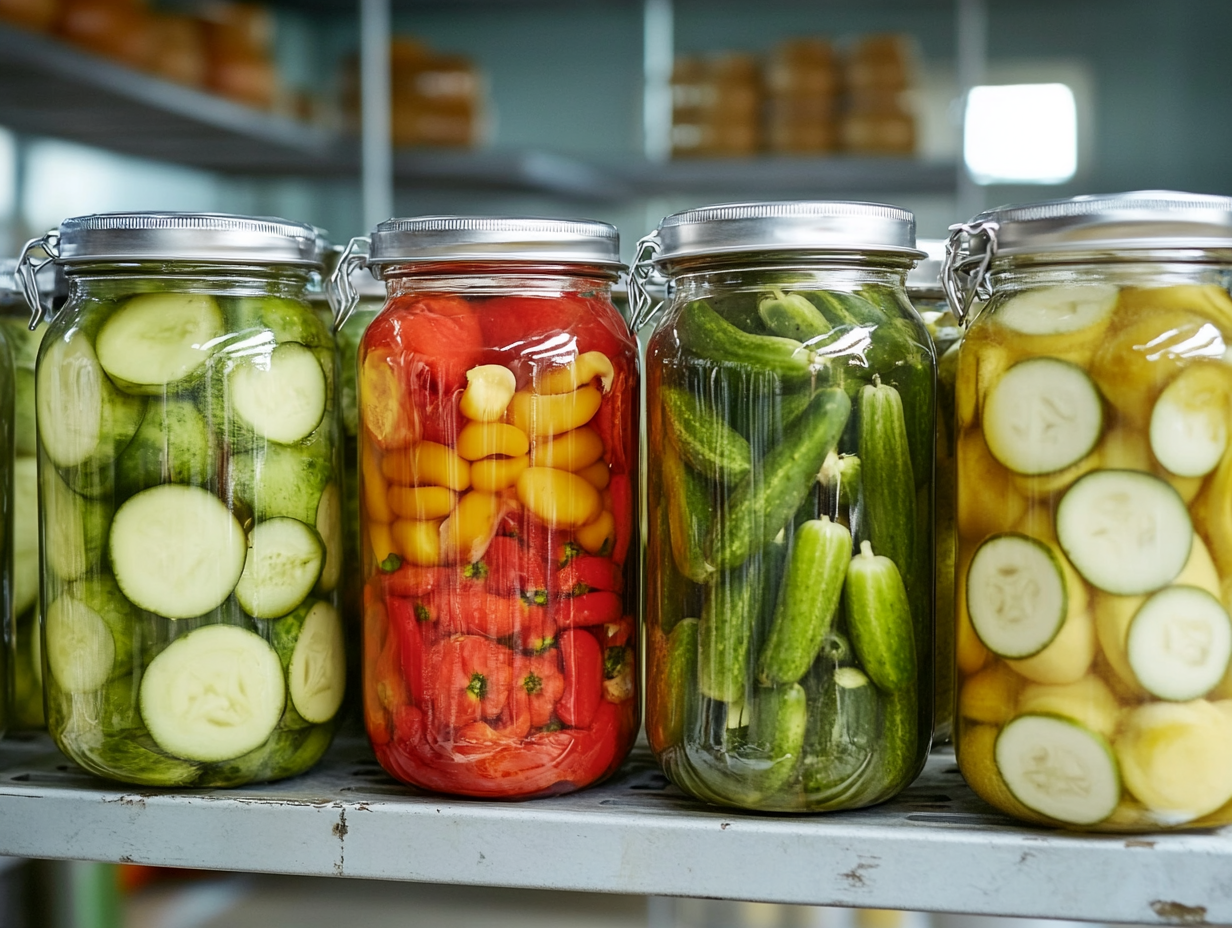
Since the fermentation starters are becoming more and more well-known in food processing for consistency and quality control during fermentation, they tend to reduce the variability of their microbial activities, thus allowing predictions in all quality attributes such as flavor, texture, and nutritional value. The latter part is highly beneficial to global users because they expect such consistency from their fermented sources in both nutrition and flavor, since it looks to be normal for food products.
Adding specific fermentation starters can provide enhanced functional properties to foods. Recently, however, some studies have shown that specific strains can add health characteristics, such as immunity enhancement and a healthy gut. Therefore, the scope for optimum use of well-picked fermentation starters will ensure that the requirement of providing high-quality and beneficial foods through which the consumer might be well appealing will be met, especially considering the increasing demand for sustainability in the products people consume concerning health. This is indeed consumer-oriented, not only by virtue of 2022 but also worldwide because it helps a large scope of variety and health-contributing eating habits around the globe.
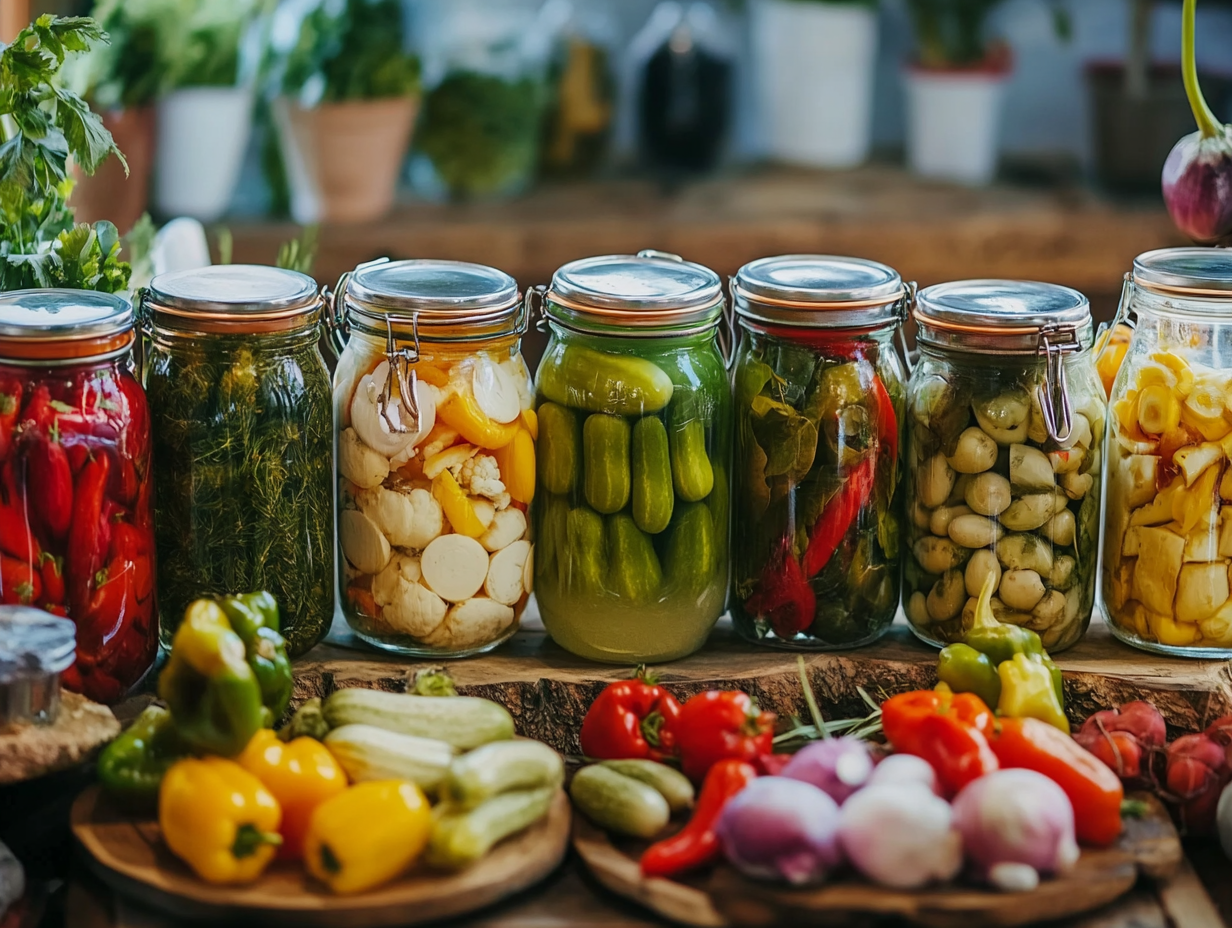
The use of fermentation starters represents great economic benefits for producers all over the globe, especially with regard to trends in health-oriented consumption. As demand grows for fermented foods, starter cultures enhance production efficiency so that the manufacturer can meet market needs promptly. An example is that lactic fermentation enhances the nutritional value of feeds, especially for pigs, and also permits to address issues concerning antibiotic resistance and environmental concerns, thus allowing cost savings in livestock management.
Further research on functional microorganisms has thrown up prospects for yet other products, such as finger millet-based beverages, which are targeting niche markets. Producers can use starter cultures to niche their products with some health benefits, thus ensuring that they are marketable and profitable in such a competitive arena targeting health-conscious consumers. This carefully planned use of fermentation starters thus extends an avenue for producers to make profits in an increasingly demanding food industry.
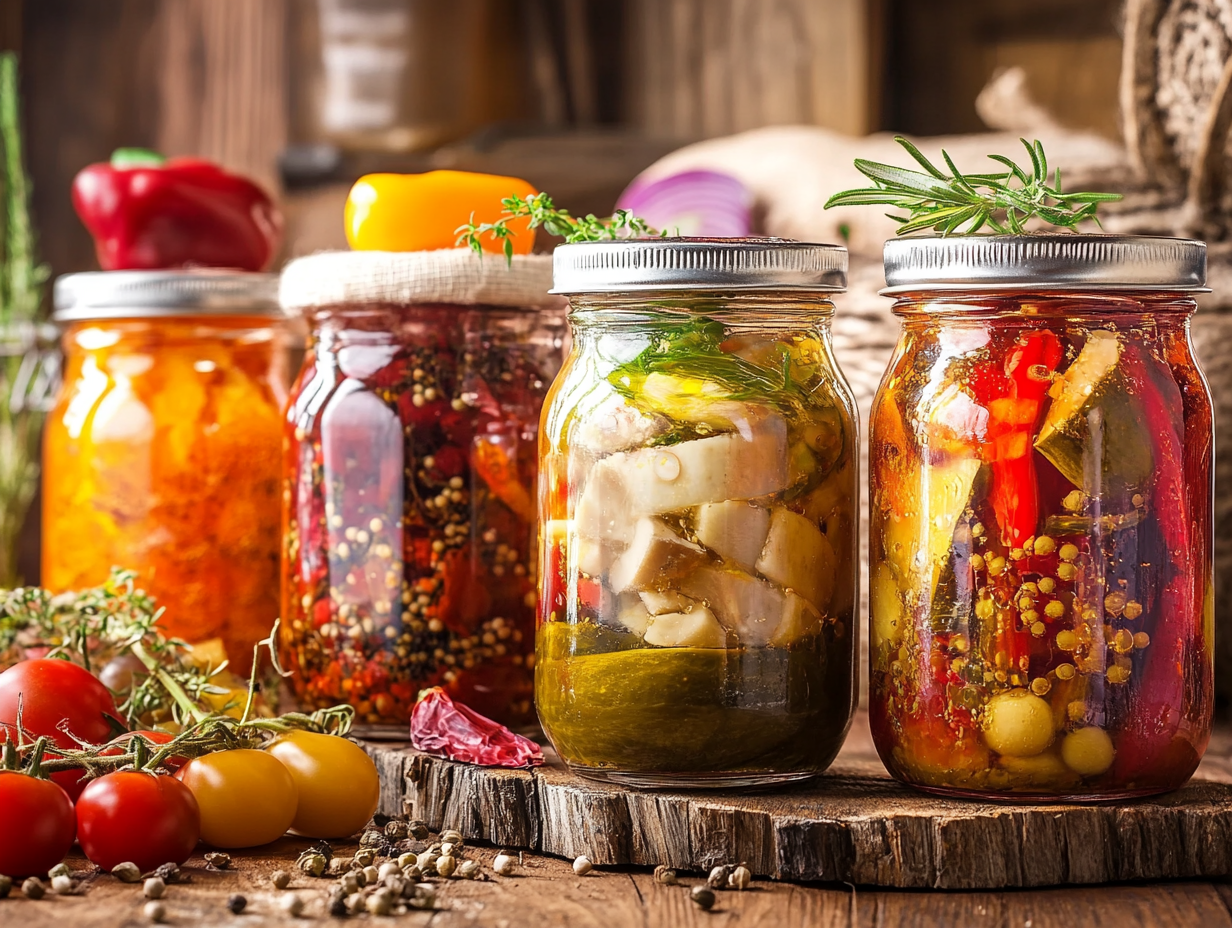
A good fermentation starter aids in the nutritional and sensory profile enhancement of various food products all around the globe. A case in point is fermented goat milk products that have been advertised for health benefits and probiotic potential, along with becoming choices for health-conscious consumers. These products impart flavor and aid in digestion, thus proving the usefulness of fermentation in dairy applications.
Innovative fermentation approaches are also being explored for plant-based and traditional foods. The creation of the novel fermented beverage from finger millet illustrates how fermentation could be used to supplement lactocaloric value and sensory attractiveness to local crops to meet the burgeoning demand for sustainable food choices. The microbial diversity of traditionally fermented pickles adds to their therapeutic potential, indicating a promising area for further efforts in global food production.
Fermentation starters create flavor profiles for many foods. With the global demand for sustainable plant-based alternatives continuously on the rise, researchers are identifying starter cultures that suit the needs of new fermented products. This tells the consumers that their expectations are met and can also boast the overall taste experience, thus nurturing the feeling of appreciation for fermented foods.
Also, traditional fermentation methods, e.g., sourdough, or fermentation of plant-based beverages, profusely benefit from these starter cultures. The right strains of lactic acid bacteria and yeasts give caracteristics to flavor and nutrients that improve sensory attributes, respectively. As the food industry gears towards fermentation as a means of value addition, it is, therefore, pertinent for producers to understand how to strategically apply starters to create innovative products that can entice consumers.
Traditional fermentation practices around the world are culturally significant and influenced by local customs and dietary habits. Rice winemaking, practiced across many Asian cultures, requires special fermentation starters and thereby further proving the point that the local tradition dictates a lot about the production process and characteristics of the final product. While such cultural heritage preserves flavors, it also links communities through shared practices and rituals related to food and drink.
Research on the health benefits of fermentation further assists in enticing people. Designed to fit modern-day needs, these methods have undergone a great deal of change, while still respecting traditions. Noteworthy examples include lactic acid production in kefir and the safety-keeping of traditional fermented milk in Kenya. On the other hand, globally growing interest in fermented foods, accentuating these cultural dimensions enhances our appreciation of their role in nutrition and food security, thus turning local tradition into a global trend.
Fermented products have garnered attention concerning their beneficial properties from a health point of view which remains particularly good for world producers. Current research indicates that traditional fermented milk from Kenya can be made safer and more commercial with the use of effective starter culture. This technique not only enhances safety in food production but also enhances the nutritional value of these fermented products.
The role of lactic fermentation in the development of pig feeds enforces major production challenges concerning antibiotic resistance and environmental concerns. The healing potential of fermented dairy products is vast and has greatly improved nutrition and health benefits. With the progress of society, nutritionally safe sources are in demand, so the use of fermentation starters can substantially improve production while contributing to public health.
Fermentation starter technology is set to witness great developments in the future propelled by a rising demand for diverse fermented foods and beverages. Whiles the researchers delve into the wealth of microorganisms inherent in traditional fermentation processes, the industry is beginning to recognize the potentiality of these starters to improve nutritional profiles and therapeutic advantages. These developments come against the backdrop of increased consumer interest in food that tastes good and promotes their health.
Further, advanced starter cultures are being adapted to meet the changing needs of modern production, like antibiotic resistance in livestock. Consider the advancement of lactic fermentation techniques for pig feeds; this clearly shows how starter technology can effectively target agronomic issues while increasing animal health and sustainability. These technological trends, which speak of promise to fermentation starters, are being embraced worldwide by producers for new health-oriented products with a changing consumer interest.
Fermentation starters have greatly changed the processes of producers across the globe to increase food and beverage quality and efficiency. Case studies reveal that producers employing starter cultures-from rice-wine producers-are said to gain great improvements in flavor, texture, and safety. For example, one could work with specific starter cultures to enhance fermentation in producing higher-quality rice wine that fits consumer expectation.
In terms of bakery products, lactic acid bacteria and yeast used in sourdough fermentation are fine examples of the advantages of starters. These microorganisms improve the taste and shelf life of bread, and because of their postbiotic components, actively promote health. Aside from these examples, innovations in dairy propelled by local starter culture research illustrate how producers can upgrade traditional fermented products in terms of safety and commercial prospects. The global fermentation market is thus able to flourish by increased demand for health-oriented and high-quality fermented products.
Fermentation starters provide really important sustainability advantages for food producers across the world, but especially those in the environmental impact. These starters enrich nutrition in food products to create a more probiotic-rich composition, highly significant for the human body. According to the demands of people who are increasingly considering eating healthier, fermentation starters can offer solutions while reducing food waste, as they help preserve perishables.
Furthermore, fermented food has a long and rich heritage among different cultures and contributes to nutrition security all over the world. They also have the potential to grow local agrarian economies by generating different strains of microorganisms that promote biodiversity and lowering the carbon price of food production. Above all, environmentally friendly fermentation not only rewards present health benefits but also leads to a sustainable future.
Fermentation starters are cultures that enhance the flavor profiles of various foods. They are crucial in improving sensory characteristics, flavor, and nutritional content, particularly in plant-based options.
Traditional methods, like sourdough and plant-based beverages, see significant benefits from starter cultures. The right strains of lactic acid bacteria and yeasts can enhance flavor and nutrition, meeting consumer expectations.
Cultural significance is immense in fermentation, as many practices are rooted in local customs and dietary habits. These traditions preserve flavors and foster community connections through shared food and drink rituals.
Yes, fermentation practices offer various health benefits, such as lactic acid production in kefir and improved safety in fermented milk, showcasing the adaptability of these methods to modern needs while respecting traditions.
Global producers using fermentation starters have seen enhancements in flavor, texture, and safety of their products. For instance, rice winemakers experience improved quality due to optimized fermentation processes.
In sourdough fermentation, lactic acid bacteria and yeasts enhance taste and shelf life of bread while also providing health benefits through their postbiotic components.
The global fermentation market is growing due to rising consumer demand for health-conscious and high-quality fermented options, leading producers to innovate and improve traditional products.
Innovations in the dairy sector involve local research on starter cultures that enhance safety and commercial viability of traditional fermented products, leading to better quality and consumer satisfaction.
Rice winemaking in many Asian cultures is one example, where specific fermentation starters are used, demonstrating how local traditions impact the production process and final products.
Understanding cultural dimensions allows consumers to appreciate the role of fermented foods in nutrition and food security, transforming local traditions into global trends.


