When it comes to making homemade yogurt, the Dahi Starterreally plays a crucial role. Yogurt expert Yogesh Patel from Yogurt Innovations points out, 'The quality of your Dahi Starter really impacts how your final yogurt turns out.' His words are a good reminder that not all starters are created equal, you know?
Picking the right Dahi Starter can really boost the creaminess and tanginess of your yogurt, but honestly, I know a lot of home cooks find it pretty daunting. There's just so many options out there! Each one comes with its own unique flavor and texture, which can be pretty confusing and sometimes even disappointing if you pick the wrong one.
Trying out different Dahi Starters can be quite a journey—some work wonderfully, others not so much—and it's all about experimenting and learning from your mistakes. That patience really pays off, because with the right starter, your homemade yogurt can be utterly delicious. It’s totally worth the effort once you find what works for you.
Understanding the Importance of Quality Ingredients in Dahi Starters
When making dahi, the choice of ingredients is critical. Quality milk is the backbone of perfect yogurt. Whole milk usually yields a creamier texture. However, not all milk is the same. Some might have added preservatives or flavorings. Always check for freshness. Using fresh milk can significantly enhance the flavor and texture of your dahi.
The Starter Culture plays a vital role too. Look for natural, unflavored yogurt as your base. The live cultures in good yogurt should be active. They kickstart the fermentation process, transforming milk into luscious dahi. Be wary, as many store-bought options lack the essential probiotics. They may not give the same results at home. Finding a reliable source for these ingredients can take time, and that's part of the learning curve.
While experimenting, you might face some challenges. Dahi can sometimes turn out thin or sour. This could be due to inconsistent temperatures during fermentation. Patience is key here. Each attempt teaches you something new. Observe the texture and flavor with every batch. Reflect on what worked and what didn’t. Those imperfections lead to growth and improvement in your yogurt-making journey. Enjoy the process, and don’t shy away from trying again!
The Science Behind Yogurt Fermentation: Bacteria and Temperature
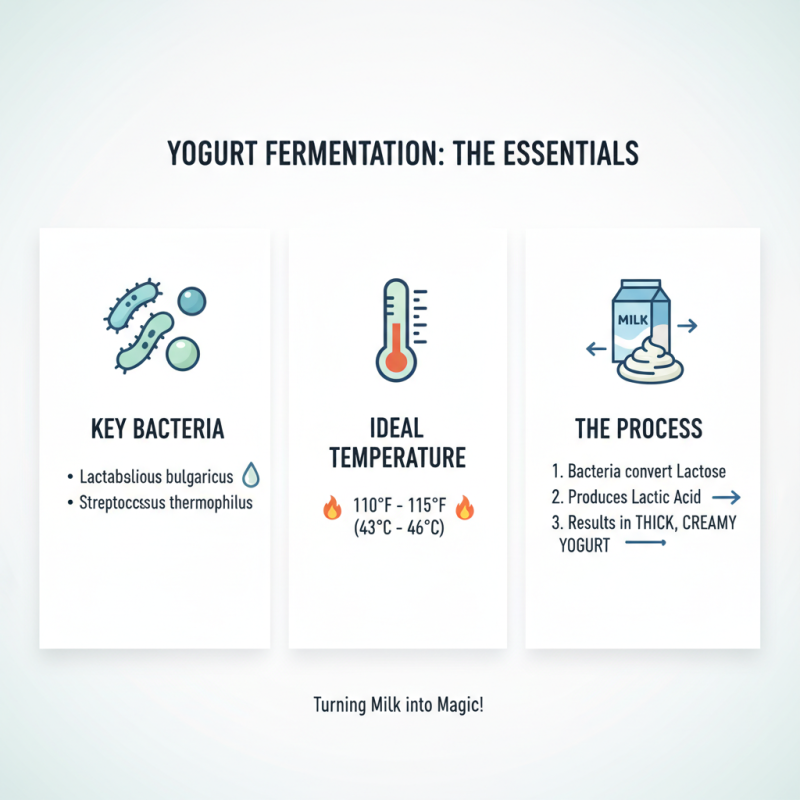
Yogurt fermentation relies heavily on specific bacteria and temperature. The most common bacteria used in dairy fermentation include Lactobacillus bulgaricus and Streptococcus thermophilus. These bacteria cultures thrive in warm conditions, typically between 110°F to 115°F (43°C to 46°C). At these temperatures, they reproduce rapidly, converting lactose into lactic acid. This process results in the thick, creamy texture of yogurt.
Studies suggest that optimal fermentation time is around 6 to 12 hours. During this time, acid levels rise, and flavors develop. However, over-fermentation can lead to an overly sour taste. Crafting the perfect yogurt is a balance between time and temperature. Using a Dahi Starter Culture can ease this process but requires careful attention.
Temperature fluctuations can disrupt fermentation. An inconsistent environment may leave the yogurt runny or unevenly set. Monitoring the temperature allows for consistency. A homemade yogurt might not always match store-bought perfection. However, each batch can offer unique flavors. This reflects the art of yogurt-making that blends science with personal touch.
Step-by-Step Guide to Making Homemade Yogurt with Dahi Starters
Making homemade yogurt is satisfying and nutritious. Using a quality Starter Culture For Dahi is crucial. Research shows that homemade yogurt can contain up to 20% more probiotics than store-bought options. This is largely due to the fermentation process, which activates beneficial bacteria. You can decide the thickness and flavor, tailoring it to your preferences.
To begin, heat milk to about 180°F. Let it cool to 110°F before adding starter culture for dahi. This temperature is key for a successful fermentation process. The ideal incubation time ranges from 4 to 12 hours, depending on how tangy you want your yogurt. Observing the fermentation is critical. Sometimes, it may not thicken as expected. This can occur if the milk wasn’t heated sufficiently or if the starter was old or inactive.
After fermentation, refrigerate the yogurt for at least two hours before serving. This helps in improving the texture. Remember to save a few tablespoons as your next starter culture for dahi. Experiment with different types of milk and starter cultures. Each combination leads to unique flavors and textures. You might face some challenges, but that’s part of the fun. Enjoy the process and learn from each attempt.
Best Dahi Starter Recipes for Perfect Homemade Yogurt
Exploring Traditional vs. Modern Methods of Dahi Starter Preparation
Dahi, or yogurt, is a staple in many kitchens. The choice between traditional and modern methods for preparing a dahi starter can be fascinating. Traditional methods often involve using a small amount of yogurt from a previous batch as a Starter Culture. This method connects us to our culinary roots. It requires patience and care. The yogurt develops a unique flavor over time.
On the other hand, modern techniques are often quicker. These may involve using store-bought starter culture that offers consistency. Pouring warm milk into a container, adding the culture, and maintaining the right temperature can yield successful results. However, the reliance on commercial products might lead to a loss of that homemade touch.
Regardless of the method, achieving the perfect dahi can be a process filled with experimentation. Finding the right milk type, adjusting fermentation times, and noticing temperature changes are all part of the journey. Sometimes, the results may not meet expectations. Learning from these experiences can lead to better outcomes in the future.
Health Benefits of Homemade Yogurt: Nutritional Insights and Data
Homemade yogurt is a nutritional powerhouse. It is rich in probiotics, which support gut health. These beneficial bacteria can enhance digestion and boost immunity. Studies show that regular consumption may lower the risk of chronic diseases, like heart disease. Yogurt is also a good source of calcium, necessary for strong bones. This makes it a staple in many healthy diets.
Making yogurt at home can feel challenging. It requires patience and a bit of practice. Sometimes the texture is off. Other times, it doesn't ferment as expected. But when you get it right, the flavor is incredible. You can customize it with fruits, nuts, or spices. This versatility allows for endless combinations. Keep track of your methods. Reflecting on what worked and what didn’t can lead to better results next time.
Using homemade yogurt in recipes is easy and rewarding. It can serve as a base for dips, dressings, or smoothies. Additionally, it can replace heavier creams in cooking. Incorporating it into your meals adds nutrition with minimal effort. The experience of making yogurt from scratch can also enhance your cooking skills. Over time, the benefits become clear, both for health and for culinary creativity.
Best Dahi Starter Recipes for Perfect Homemade Yogurt
| Recipe Name | Preparation Time | Serving Size | Health Benefits | Nutritional Value (per 100g) |
| Classic Dahi | 12 hours | 1 cup | Probiotic-rich, aids digestion | 61 kcal, 3.3g protein, 4.3g fat, 4.7g carbs |
| Fruit Dahi | 12 hours | 1 cup | Boosts immune system, high in vitamins | 75 kcal, 3.5g protein, 4.0g fat, 8.5g carbs |
| Herbal Dahi | 12 hours | 1 cup | Anti-inflammatory properties, cools body | 64 kcal, 3.2g protein, 4.5g fat, 3.8g carbs |
| Spiced Dahi | 12 hours | 1 cup | Enhances metabolism, rich in antioxidants | 70 kcal, 3.4g protein, 3.7g fat, 5.5g carbs |
Common Mistakes in Dahi Starter Recipes and How to Avoid Them
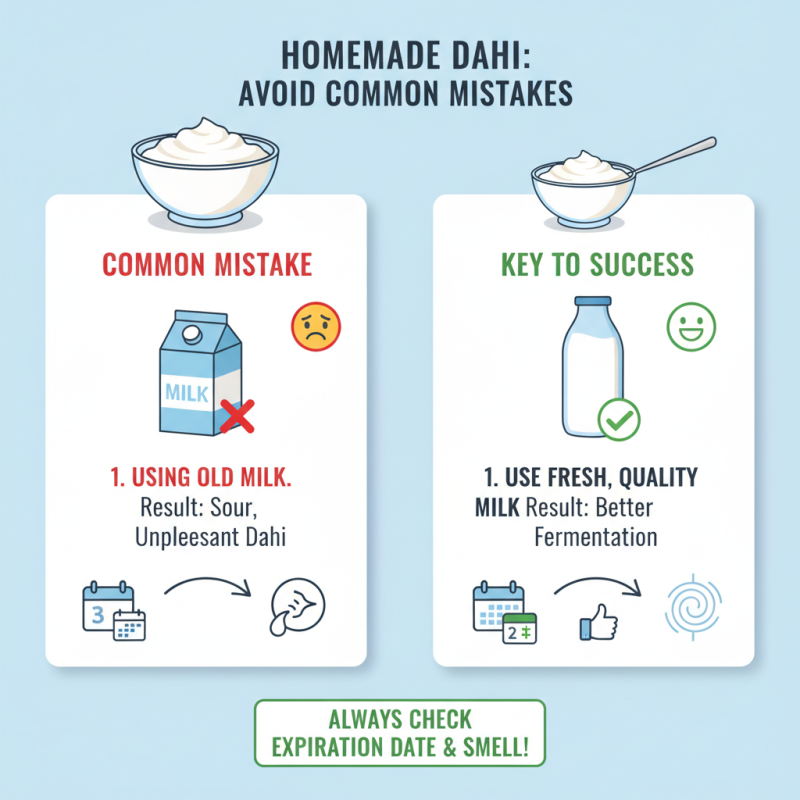
When making homemade dahi, many stumble on common pitfalls. One frequent mistake is using milk that isn't fresh. Old milk can result in sour, unpleasant dahi. Always check the expiration date and smell the milk before use. Fresh, quality milk leads to better fermentation.
Temperature is another critical factor. Many people either heat the milk too high or don't keep it warm enough during fermentation. Ideal temperatures fall between 110°F to 115°F. If it’s too cool, cultures won’t thrive. If it’s too hot, they may die. An oven with the light on works well to maintain warmth.
The amount of starter added also matters. Using too little can slow down fermentation. Too much can lead to overly tangy dahi. It's a balancing act that may need testing. Sometimes the consistency can turn out grainy or runny. This often indicates either poor stirring before fermentation or incorrect probiotic ratios. Keep experimenting and learning from each batch!
Tips for Customizing Your Dahi Starter for Flavor and Texture
Creating the perfect homemade yogurt begins with selecting the right dahi starter. Customizing your dahi starter not only enhances flavor but also improves texture. A fascinating report by the International Dairy Federation indicates that yogurt preference often varies by region. For instance, some prefer a tangy flavor, while others enjoy creamier textures. Experimentation is key.
To adjust your dahi, consider using an Amasi Starter Culture. This specific culture contributes unique characteristics to your yogurt. It’s known for its rich, creamy texture and slight tartness. To personalize your yogurt, start with the milk type. Whole milk yields a thicker consistency, while skim milk results in a lighter yogurt. You can also mix in spices or fruits for added flavor. Some choose to use herbs for a savory take.
Texture can be tricky to master. Occasionally, the yogurt turns out runny or overly sour. This may result from incorrect fermentation times. It's crucial to monitor temperatures closely. A consistent 110°F is ideal. Yet, if you prefer a milder taste, shorten the fermentation. Tracking these small adjustments will lead to large improvements. Ultimately, crafting homemade yogurt is part science, part art, and it's a journey worth taking.
Homemade Yogurt Made Easy: A Complete Guide to Using Yo-ZC272 Yogurt Starter Culture
Making homemade yogurt is a rewarding process that anyone can master with the right guidance and yogurt starter culture. This culture plays a crucial role in yogurt production, as it consists primarily of lactic acid bacteria that ferment lactose into lactic acid. This fermentation not only thickens the milk but also gives yogurt its distinctive tangy flavor. According to recent industry reports, the demand for yogurt continues to rise globally, with the yogurt market expected to reach a value of $99 billion by 2026, underscoring the popularity of both commercial and homemade yogurt.
To get started on your yogurt-making journey, maintaining the optimal incubation temperature between 42 to 45 degrees Celsius is essential. This temperature range creates the ideal environment for the starter culture to thrive and effectively ferment the milk. The fermentation period can vary significantly—ranging from 4 to 12 hours—depending on the desired thickness and acidity level of the final product. Studies indicate that 80% of home yogurt makers prefer adjusting the fermentation time based on their personal taste, highlighting that yogurt production is as much an art as it is a science.
Using a reliable yogurt starter culture, whether commercial or derived from a previous batch of yogurt with active cultures, can greatly enhance your homemade yogurt's quality. As consumers increasingly seek healthier alternatives, understanding the fermentation process and the role of starter cultures will empower home cooks to create delicious and nutritious yogurt customized to their preferences.
FAQS
: Most returns take about 14 to 30 days. It varies by policy.
Depending on the policy, it may or may not be accepted. Keep packaging for easier returns.
Yes, some items are non-returnable. Check the specific policy for details.
Exchanges are possible but depend on the company’s rules. Always read them carefully.
Report damage immediately. Most companies will replace or refund the item.
A receipt is usually required. Without it, processing may take longer.
Refunds can take 5 to 14 days to process. Be patient; it can vary.
Sale items may have different return rules. Verify the specific conditions.
Contact customer service for clarification. Denials can happen due to policy misunderstandings.
Some companies charge restocking fees. Always read the fine print before purchasing.
Conclusion
This article delves into the essential role of high-quality ingredients in creating effective Dahi Starters for homemade yogurt. It explores the science of yogurt fermentation, focusing on the interaction of bacteria and temperature, which are crucial for achieving the perfect consistency and flavor. A step-by-step guide offers readers practical insights on making yogurt at home, while comparisons of traditional and modern preparation methods highlight the evolution of yogurt-making techniques.
Additionally, the health benefits of homemade yogurt are discussed, providing nutritional insights that emphasize its value in a balanced diet. Common pitfalls in Dahi Starter recipes are identified, with practical advice on how to avoid these mistakes. Lastly, the article offers tips for customizing Dahi Starters to enhance flavor and texture, ensuring that anyone can enjoy delicious homemade yogurt tailored to their preferences.