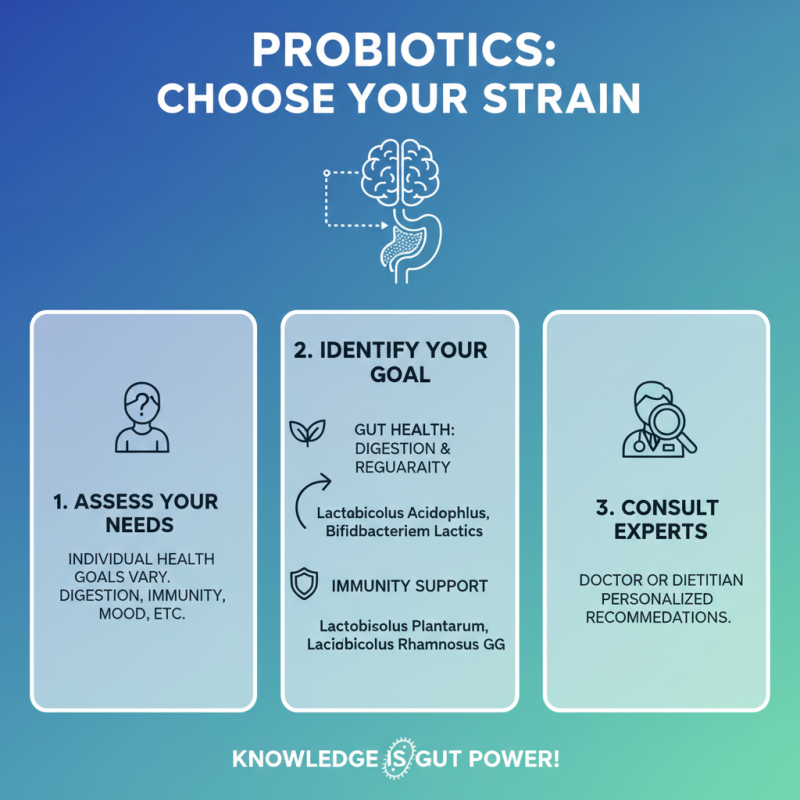
Have you noticed how Probiotic Strains have really been in the spotlight lately? It’s no wonder—according to a 2023 report from the International Probiotic Association, the global market for probiotics is expected to soar past $70 billion by 2026. A big part of this hype is because folks are increasingly realizing just how important gut health is, and how it ties into overall well-being. Pretty fascinating, right?
Dr. Sarah Thompson, who’s pretty much a rockstar in microbiome research, actually stresses that not all probiotics are the same. She keeps emphasizing, “Not all probiotics are created equal. The effectiveness really varies depending on the strain.” That’s a critical point because it means you shouldn’t just pick any probiotic off the shelf and assume it’ll do the job. Knowing which specific strains work for certain health issues is key. If you pick the wrong ones, you might just be wasting your money and time—so it’s definitely worth doing some homework.
A lot of people jump into probiotics thinking they'll work the same way across the board. But honestly, understanding the unique abilities of each strain can make a world of difference. Sorting out which strains to go for isn’t just about convenience—it’s about actually hitting your health goals. So yeah, picking the right probiotic strains really matters if you want to see the benefits you’re after.

Probiotics are live microorganisms that offer health benefits when consumed. They are often called "good" bacteria. These tiny organisms help balance the gut microbiome, which is crucial for digestion. The two main types of probiotics are LactoBacillus and Bifidobacterium. Each strain serves a different purpose and affects the body in various ways.
Lactobacillus is commonly found in yogurt and fermented foods. It can help reduce lactose intolerance and improve digestive health. Bifidobacterium, on the other hand, is often associated with bowel health. This strain may help relieve constipation and bloating. However, not every strain works the same for everyone. Individual responses can vary greatly. Some people may experience digestive upset after consuming probiotics. This can be frustrating.
Understanding your specific health needs is key. Factors like age, diet, and existing health conditions play a role. Choosing the right strain may require some trial and error. It’s essential to listen to your body. Track any changes and reflect on what works best for you. Remember, finding the ideal probiotic is a personal journey.
| Probiotic Strain | Health Benefits | Food Sources | Recommended Dosage |
|---|---|---|---|
| Lactobacillus acidophilus | Supports digestion, boosts immunity | Yogurt, fermented soy products | 1-10 billion CFUs per day |
| Bifidobacterium bifidum | Aids in gut health, alleviates IBS symptoms | Fermented dairy products, pickles | 1-5 billion CFUs per day |
| Saccharomyces boulardii | Prevents diarrhea, supports antibiotic recovery | Probiotic supplements | 5 billion CFUs per day |
| Lactobacillus rhamnosus | Promotes weight management, enhances immune function | Yogurt, kefir | 1-10 billion CFUs per day |
| Bifidobacterium lactis | Improves gut barrier function, reduces allergies | Fermented dairy, prebiotic foods | 1-10 billion CFUs per day |
Probiotics are essential for maintaining gut health. They are live microorganisms that provide health benefits. Research indicates that a balanced gut microbiome can enhance digestion, boost immunity, and even improve mental health. A study from the Journal of Gastroenterology states that about 70% of the immune system resides in the gut. Thus, the quality of gut flora is crucial.
Choosing the right probiotic strains matters significantly. Acidophilus Strains are popular for their ability to break down lactose and promote a healthy digestive environment. However, not all probiotics are effective for everyone. Individual responses to specific strains can vary widely. Data from a systematic review highlights that only about 30% of people experience noticeable benefits from common probiotic supplements.
It's essential to reflect on personal health needs when selecting probiotics. Some individuals might benefit from a blend of strains rather than a single type. Others may find that certain strains upset their stomachs. Awareness of these factors is key for optimizing gut health through probiotics. An informed choice can make a difference.
Choosing the right probiotic strains can be overwhelming. Individual health needs vary significantly. It's essential to identify your specific health goals before selecting a probiotic. For example, if you struggle with digestion, seek strains that support gut health. Lactobacillus and Bifidobacterium are commonly beneficial for this purpose.
Consider your lifestyle and diet as well. Do you consume dairy? Are you under stress? Health conditions and habits influence which probiotic might work best for you. Some may need probiotics for immune support, while others may need them for mental well-being. It’s crucial to think about these factors.
A common mistake is choosing probiotics based solely on popularity. Just because a strain is widely used does not mean it is the right fit. Take time to reflect on your health challenges. This consideration can guide you in making better decisions. Probiotics are not a one-size-fits-all remedy. Personalization is key for achieving optimal health benefits.
Choosing the right probiotic strains can significantly impact your health. Understanding strain specificity is key. Each strain offers unique benefits, often backed by scientific research.
Recent studies highlight the importance of strain selection. For instance, the Journal of Clinical Gastroenterology noted that Lactobacillus rhamnosus GG is effective in preventing antibiotic-associated diarrhea in 34% of patients. Yet, not all probiotics are the same. Some may not survive stomach acid or reach the intestines.
When evaluating probiotics, look for clinical evidence related to specific strains. Research from Frontiers in Microbiology indicates that Bifidobacterium animalis can enhance gut health after certain antibiotic courses. In contrast, some strains lack sufficient data. It’s crucial to research and consider your unique health needs. A one-size-fits-all approach may fall short. Stay curious and informed about the strains you choose.
Probiotics are essential for gut health. They come from various sources: supplements or natural foods. Natural foods often offer a more holistic approach. Fermented products like yogurt, kefir, and sauerkraut are rich in beneficial strains. They provide not just probiotics but also vitamins and minerals.
Supplements are more concentrated. They can deliver specific strains aimed at certain health issues. However, it’s essential to choose wisely. Not all strains are created equal. Some might not survive the digestive process, making them ineffective. Natural foods often come with additional nutrients that supplements lack. It’s a balance between convenience and nutrition.
Finding the right source can be confusing. Some people may prefer the ease of a pill. Others may enjoy experimenting with flavors in natural foods. Keep in mind, though, that more isn’t always better. Some strains can lead to excessive gas or other issues. Listening to your body is crucial. It’s about discovering what works best for you.
When considering probiotic intake, dosage is crucial. The right amount can depend on various factors. Age, health status, and specific health goals all play a role. For most people, a daily dose of 1 to 10 billion CFUs (colony-forming units) is often recommended. It's essential to start with a lower dose and gradually increase it, allowing your body to adjust.
Understanding Biological Protective Strains helps too. Different strains serve distinct purposes. Some are great for digestive health, while others support immune function. You may need to experiment with different strains to find what works best for you. This process can be trial and error. It's a personal journey, and not everyone reacts the same way. Monitoring how your body feels will guide your choices.
Exceeding the recommended dosage can lead to unwanted side effects. Bloating and digestive upset are common issues. Hence, listening to your body is key. Tracking your reactions can be helpful. If something feels off, it’s worth discussing with a healthcare professional. Adjustments might be necessary to find the optimal dose for you.
When considering probiotics, awareness of possible side effects is crucial. While many people find benefits, some may experience adverse reactions. Common issues include bloating and gas. These effects are often temporary but can be uncomfortable. It’s vital to start with lower doses to gauge individual tolerance.
Choosing the right strain is essential. Different strains, such as Bifidobacterium Strains, can have varying effects on health. Some may help with digestion, while others support immune function. Not everyone reacts the same way. Some people might find certain strains ineffective. Keep track of how your body responds. Understanding your reactions can guide future choices.
Probiotics may not be suitable for everyone. Those with underlying health conditions should consult a healthcare professional. This advice often leads to better outcomes. Listening to your body is essential. Progress may require adjustments. Be patient and don't rush the process.
: This product is designed to enhance daily living. It simplifies tasks and improves overall efficiency.
Follow the instructions included in the package. Start with small tasks before moving on to larger projects.
Some users may experience minor issues. Always pay attention to how it interacts with your routine.
Returns are typically allowed within a limited timeframe. Keep the packaging and receipts for a smoother process.
Check for common issues in the manual. If problems persist, consider reaching out for further assistance.
Yes, regular cleaning is recommended. Ensure it is stored properly to maintain its functionality.
Results may vary significantly. Some users report changes within a week, while others take longer to notice.
The product is versatile but check compatibility with different settings. Be cautious of extreme conditions.
Don't panic. Assess the situation and see if there’s an easy fix. Document any issues for future reference.
Yes, user feedback helps improve the product. Sharing your experience can benefit others and lead to enhancements.
Choosing the best probiotic strains for health requires a comprehensive understanding of probiotics, including their definition and types. Probiotics play a crucial role in maintaining gut health, serving various functions depending on individual health needs. It's essential to assess personal health requirements before selecting specific probiotic strains, as the benefits can vary between different strains.
When evaluating probiotic options, one should consider strain specificity, exploring the unique properties and benefits of each strain. Sources of probiotics can be found in both supplements and natural foods, with each offering different advantages. Additionally, it’s important to follow dosage recommendations to ensure optimal effectiveness while being mindful of possible side effects. Ultimately, informed choices about probiotic strains can significantly enhance overall well-being.