Lately, there's been a real buzz around functional foods worldwide. For example, the yogurt market is expected to hit around $145 billion by 2024, as industry reports suggest. One of the exciting trends is how popular unique fermentation cultures are getting—especially the Bulgarian Yoghurt Starter. People love it because it’s packed with strong Probiotics and offers some pretty impressive health perks.
Zhongchuang Yike (Shanghai) Health Technology Co., Ltd. sees a lot of promise in these specialized starters—they can really boost food processing and nutritional value. As more consumers look for products that support gut health and overall wellness, it’s becoming pretty clear that comparing Bulgarian Yoghurt Starter to traditional options is a smart move for manufacturers in food and health sectors.
Exploring these starters isn’t just about meeting consumer demand; it also fits well with our goal of offering cutting-edge probiotics, Postbiotics, and fermentation ingredients. We're talking about solutions that work across different industries—whether it’s healthcare, preventive medicine, or agriculture.
Benefits of Bulgarian Yoghurt Starter vs. Traditional Starters for Gut Health
When you're thinking about gut health, choosing between Bulgarian yogurt starter and the regular, traditional starters can actually make a pretty big difference in how your digestion feels. Bulgarian yogurt, for instance, is famous for packing a punch with probiotics—especially the Lactobacillus bulgaricus strain. This particular bacteria is really good at helping keep your gut bacteria balanced, making it easier to digest food and absorb nutrients. On the other hand, traditional starters tend to have fewer types of probiotics, so they might not do quite as much for your gut overall.
**Pro tip:** If you wanna get the most out of your homemade yogurt, try fermenting it a little longer. Giving it extra time allows more good bacteria to grow, boosting those probiotic levels and making your yogurt even healthier.
Adding Bulgarian yogurt to your diet might also bring some other perks. For example, it usually contains less lactose, which is great if you’re lactose intolerant. Plus, the fermentation process gives it a creamier texture and a richer flavor, which many people really enjoy.
**Another tip:** Toss in some fruit or a drizzle of honey to your Bulgarian yogurt for a tasty, nutritious snack. Not only does it flavor it up, but you’ll also support your gut health in the process!
Nutritional Profiles: Comparing Probiotics and Live Cultures in Yogurt
When it comes to yogurt, the kind of starter you choose really makes a difference in its nutritional profile. For instance, Bulgarian yogurt starter is famous for its rich probiotic content, with strains like Lactobacillus bulgaricus and Streptococcus thermophilus, which are known to help with gut health and digestion. But traditional yogurt starters can include a broader mix of cultures, like Lactobacillus acidophilus and Bifidobacterium bifidum, each bringing their own unique health perks. Knowing the differences between these starters can actually help you pick the right yogurt based on what you need nutritionally.
A good tip when shopping for a yogurt starter? Check the label for live cultures — that’s a sign you’re getting beneficial probiotics. Also, think about your health goals — if you’re mainly after better digestion, Bulgarian yogurt might be the way to go, thanks to its specific probiotic strains. And don’t forget to look out for yogurts that are low in added sugars and junky additives — because, at the end of the day, you want the healthiest stuff for your body. Trying out different starters can also be pretty fun — it’s a cool way to get different flavors and textures, so you can make your own yogurt exactly how you like it.
Fermentation Time: How Bulgarian Yoghurt Differs from Conventional Starters
So, when you compare Bulgarian yoghurt starters to your typical ones, one thing that really stands out is how fast they ferment. Bulgarian yoghurt, famous for its incredible flavor and health perks, usually ferments in just about 4 to 6 hours. That’s thanks to its special strains of Lactobacillus bulgaricus and Streptococcus thermophilus. On the other hand, regular starters often need anywhere from 8 to 12 hours to get to that perfect point. This quicker process is pretty convenient—people are loving the fact they can get their yoghurt finished faster, and it also helps keep more of those good bacteria alive, which is great for gut health.

Quick tip: When you’re tinkering with making yoghurt at home, try playing around with the fermentation time to get the flavor just right. Less time means a milder taste, while letting it ferment longer will give you that nice tangy kick.
Plus, those specific probiotics in Bulgarian yoghurt might boost the production of postbiotics during fermentation. And these little guys are actually pretty awesome—they can support your immune system and help keep your gut happy. Some companies, like Zhongchuang Yike in Shanghai, are already riding this wave by offering high-quality probiotics and fermentation products for all sorts of uses, from food to health stuff.
Another tip: Keep an eye on your temperature while fermenting—it’s super important for those good bacteria to grow right and for your yoghurt to turn out just how you want it.
Taste and Texture: The Sensory Experience of Bulgarian Yoghurt vs. Traditional Varieties
When it comes to that satisfying sensory experience of eating yogurt, I think taste and texture are everything. Bulgarian yogurt, with its characteristic tangy kick, tends to outshine the typical varieties in both acidity and creaminess—that unique flavor profile really makes a difference. That's mainly thanks to the special cultures used in its fermentation, which not only give it that richer mouthfeel but also help boost the probiotic content. People say that Bulgarian yogurt often packs higher levels of probiotics, so you're not just getting a tastier yogurt but also something that’s better for your gut health.
On the flip side, traditional starter cultures usually produce a milder, more uniform flavor. That kinda makes them more versatile for different uses—whether you're cooking, blending into smoothies, or just snacking. But honestly, if you're into a more intense yogurt experience with some serious tang, Bulgarian yogurt is pretty much the king. It’s got that complex, sour punch that’s hard to beat.
Quick tip: Next time you’re browsing the yogurt aisle, try tossing some Bulgarian yogurt into a smoothie or use it as a base for salad dressings — it really amplifies the flavor. And if you’re into that creamy vibe, go for the full-fat kind; it just makes everything feel a bit richer and more indulgent. Don’t forget to check the label for probiotic content too—making sure you’re getting all those gut-friendly benefits!
Market Trends: Consumer Preferences for Bulgarian vs. Traditional Yogurt Starters
Lately, it seems like the yogurt scene has totally shifted. More and more people are getting into Bulgarian yogurt starters, and honestly, they’re loving the new flavors and textures. You know, many folks say Bulgarian starters are creamier and a bit tangier than the regular kind we’re used to. It’s not just about the taste though — there’s also this growing awareness around the health perks. Bulgarian yogurt’s packed with probiotics, and many claim it helps with digestion, which is a big plus for health-conscious folks.
What’s interesting is how people are now more willing to try different things. Instead of sticking to the same old mass-produced options, more consumers are hunting for authentic, artisanal products. You can see it in how many are choosing Bulgarian yogurt because it tends to have less sugar and more probiotics, which is great for gut health. Because of this demand, producers are rolling out a bunch of new Bulgarian yogurt-based products that suit different dietary needs. Meanwhile, traditional starters are still valued as the classic way to make yogurt, but overall, the scene is shifting towards more quality ingredients, traditional techniques, and exciting new flavors—all while highlighting those health benefits we all want.
The Ultimate Comparison of Bulgarian Yoghurt Starter and Traditional Starters
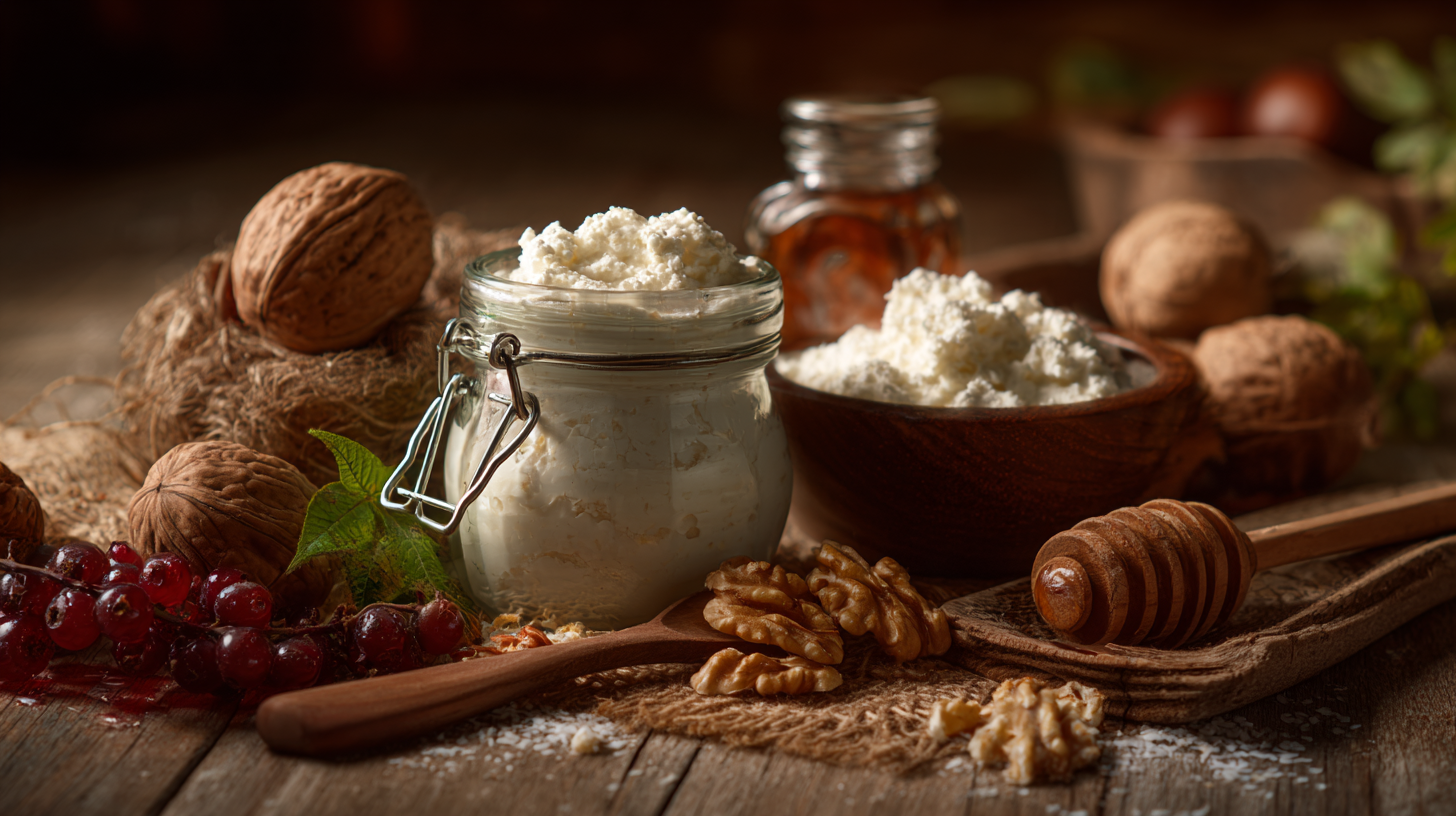
This chart displays the consumer preferences for Bulgarian yogurt starter compared to traditional yogurt starters based on recent market trends. It highlights the growing popularity of Bulgarian yogurt among consumers who prioritize health benefits and unique taste profiles.
The Ultimate Guide to Making Perfect Yogurt at Home: Discover the Benefits of Yo-ZC458 Yogurt Starter Culture
Making yogurt at home is not only a rewarding culinary experience but also a fantastic way to boost your health. With the Yo-ZC458 yogurt starter culture, you can harness the power of beneficial probiotics like Lactobacillus and Bifidobacterium. These strains offer numerous health advantages, starting with improved intestinal health. By balancing intestinal flora and inhibiting harmful bacteria, this yogurt starter culture fortifies your immune system, making you feel more energetic and resilient against infections.
Moreover, the benefits extend beyond gut health. The use of a yogurt fermenter enhances the digestion and absorption of essential nutrients such as calcium and magnesium, which are crucial for maintaining strong bones. Additionally, incorporating yogurt into your diet can positively impact heart health by lowering blood cholesterol levels and reducing the risk of cardiovascular diseases. For those who struggle with lactose intolerance, the live cultures in the yogurt help break down lactose, alleviating discomfort while still allowing you to enjoy this delicious treat.
By choosing Yo-ZC458 yogurt starter culture, you're not just making yogurt; you're making a smart choice for your well-being. Enjoy the process of crafting your own yogurt at home while reaping these extensive health benefits. With a bit of patience and the right starter culture, you'll have a nutritious, probiotic-rich food that can enhance your overall diet.
FAQS
: Bulgarian yogurt typically contains Lactobacillus bulgaricus and Streptococcus thermophilus, which are known to promote gut health and digestion.
Bulgarian yogurt ferments in a shorter period of around 4 to 6 hours, while traditional starters generally require 8 to 12 hours for optimal fermentation.
Look for terms like "live cultures" on the label, which indicate the presence of beneficial probiotics.
Bulgarian yogurt has a distinct tartness and creaminess, while traditional yogurt tends to have a milder, more uniform taste.
Bulgarian yogurt often contains higher levels of probiotics, which can enhance gut health and provide additional health benefits.
Yes, adjusting the fermentation time allows you to control the yogurt's tartness; shorter fermentation yields a milder flavor, while longer fermentation produces a tangier profile.
Foods rich in postbiotics can support immune function and improve intestinal health, making them beneficial for overall health.
You can try Bulgarian yogurt in smoothies, as a base for salad dressings, or simply enjoy it as a snack for its rich flavor and probiotics.
Yes, opting for full-fat versions can enhance the creaminess and overall enjoyment of yogurt.
Monitor the fermentation temperature, as it plays a crucial role in the growth of beneficial bacteria and the success of the yogurt-making process.
Conclusion
When it comes to boosting gut health, Bulgarian Yoghurt Starter really stands out compared to your usual starters. It’s well-known for its rich probiotic content and live cultures, both of which play a big role in supporting our digestive wellness. Honestly, the nutritional profile of Bulgarian yoghurt often beats traditional options too, packed with more friendly bacteria that your gut loves.
What's also interesting is that the fermentation process for Bulgarian Yoghurt Starter is quite different from the standard methods. This results in a unique flavor and texture that a lot of people find really appealing. Lately, you’ve probably noticed more folks leaning towards Bulgarian yoghurt, right? It’s not just about the taste; it also fits perfectly with the health-focused trends, especially with companies like Zhongchuang Yike offering a variety of probiotics and fermentation products to get the job done.