
Leave Your Message
The Dahi Starter has recently begun to attract much attention in the world market by virtue of the increasing demand for probiotic foods and growing awareness of gut health. Dahi, the traditional fermented yogurt of the Indian subcontinent, has crossed its cultural boundaries and has now entered many culinary traditions worldwide. As consumers are looking out for healthier alternatives to conventional dairy products, the Dahi Starter provides a perfect combination of taste with nutrition and the benefits of fermentation. Zhongchuang Yike (Shanghai) Health Technology Co. Ltd., among others, has played a major role in this evolution, employing modern technology to produce high-quality Dahi Starters that meet the needs of changing global tastes.
Zhongchuang Yike (Shanghai) Health Technology Co., Ltd. sees the potential of Dahi Starter in transforming markets and encouraging health-conscious living. Drawing on their knowledge of health technology and the fermentation process, they intend to launch innovative Dahi Starter products that will be a bridge between age-old traditional methods and modern-day consumer demands. This blog will focus on tracing the Dahi Starter from its genesis to modern-day applications and will emphasize the transformation it went through and the crucial role that it plays in health and wellness trends across the world.

Dahi, as a fermented dairy product, is prepared in numerous countries with several exquisite Starter Cultures, illustrating the rich culinary variety around the world. India often prefers traditional dahi by just making use of a small amount of pre-existing yogurt as a starter for the bacteria from local strains, which are responsible for its rich texture as well as sharp taste. In the West, such commercial probiotics do the trick with consistent results for health-conscious consumers looking to source specific strains and deliver those benefits to gut health. Dahi variants in the Middle East are spiced and complemented with local ingredients to enhance the palate with various aromas and flavors. For example, adding cardamom or saffron would show regional preference and reflect culinary heritage. There would be exciting new blends and flavors worldwide as the new developments and variations keep occurring with the growing demand for dahi, demonstrating the dynamic evolution of this staple.
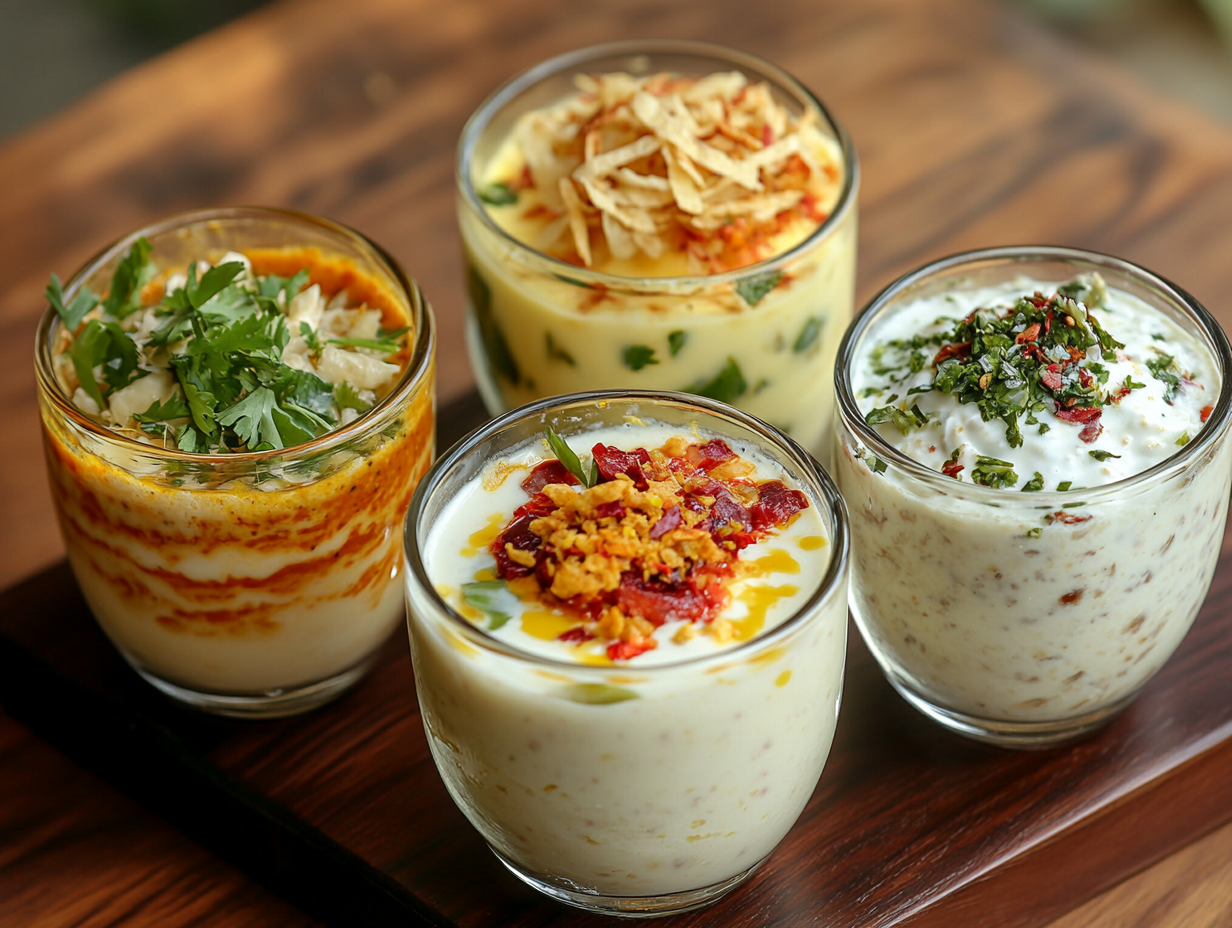
Dahi, a traditional fermented dairy product, is gaining global attention for its stupendous health benefits, especially as a probiotic. Enriched with good bacteria, it supports gut health and digestion, enhancing the immune system. In fact, the fermentation process preserves these nutrients and enhances their bioavailability, making dahi a very qualified worth to any diet.
In addition, the probiotic facets of dahi assist in balancing the microbiome, a prerequisite for good health. Recent trends indicate that markets are appreciating more and more natural foods that are probiotic-enriched, an evolution as to what one consumes in connection with wellness and health consciousness. As consumers become aware of the importance of probiotics, dahi, with its tantalizing taste and versatility, stands out as a product that can easily fit into diverse culinary applications all over the world.
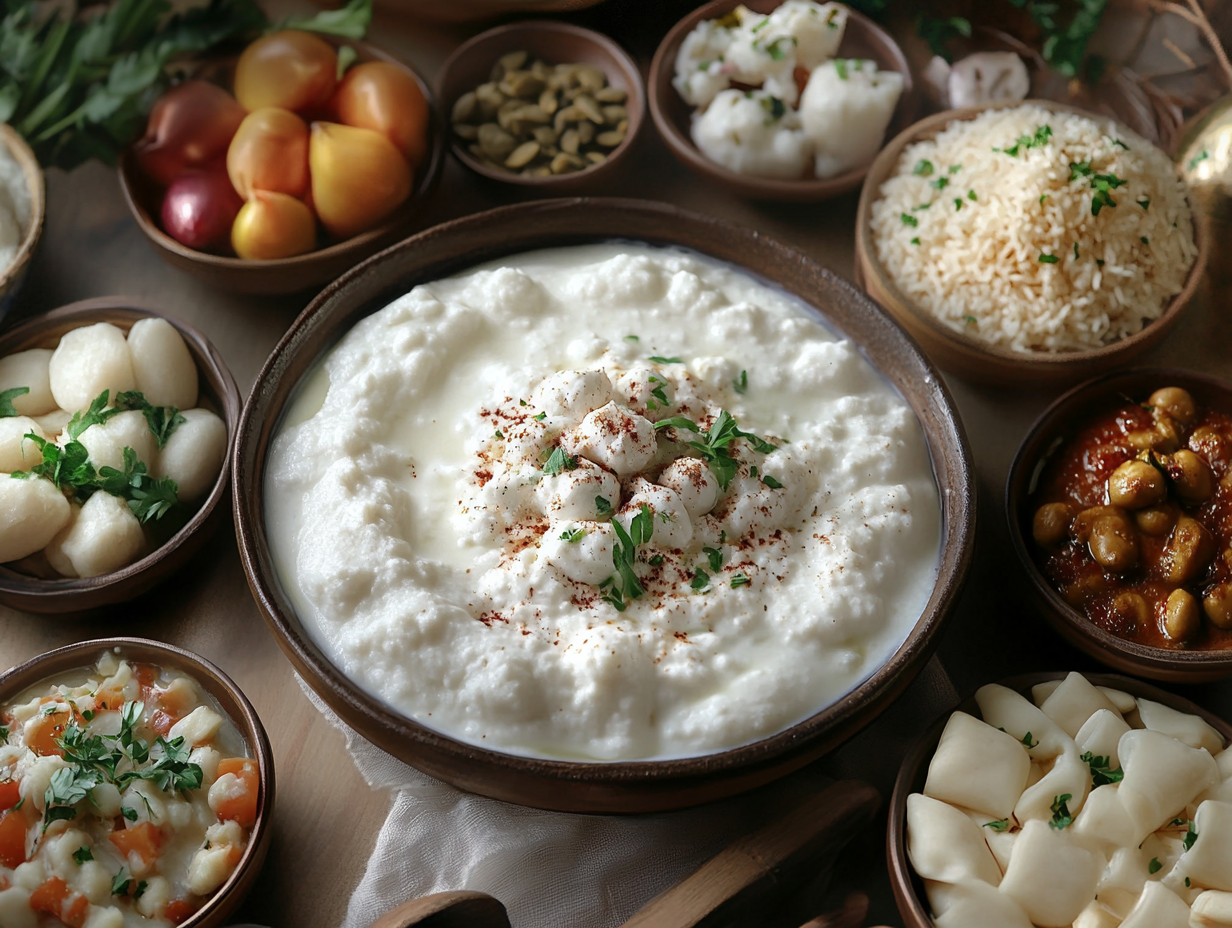
Modern technological advances in the dahi starter have new perspectives in the production and consumption pattern across the globe. Traditionally produced by slow culturing either from whole or from low-fat milk in India, now dahi becomes a preferred value added product in different yogurt lines worldwide. The demand uptrend shows not only the increasing much learning of dahi but also the premium taste and health associated with it.
To meet growing demand, investments in dahi production facilities are burgeoning. The largest curd or yogurt plant in the world has been set up recently, which is expected to add to the total output dramatically in both local and international markets. Thus, dahi turns out to be a part of transformation from a native or regional specialty to a common household staple reflecting changing consumer preferences as well as the importance of traditional foods in the modern diet.
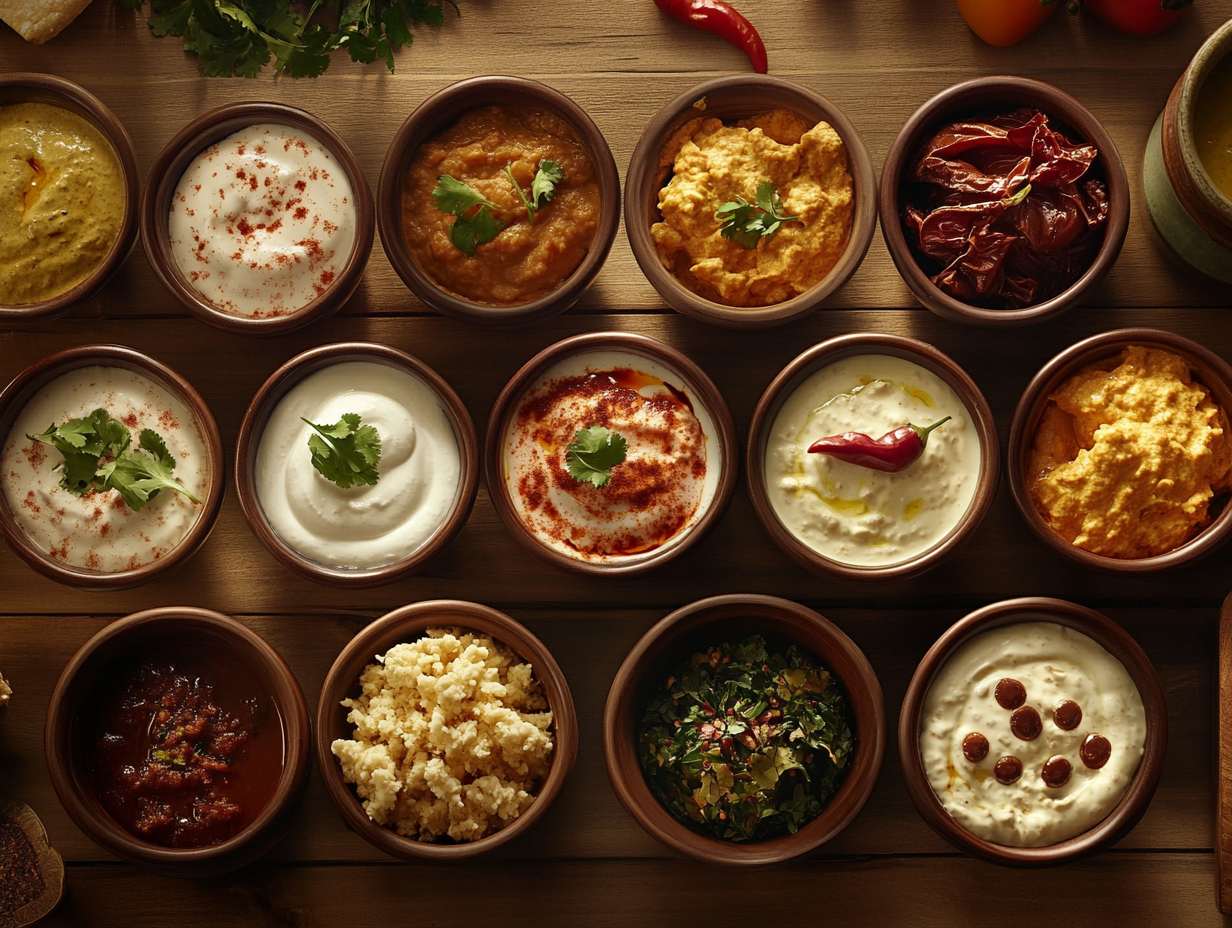
Dahi or yogurt is a rich historical aspect in many cultures. Especially in India, it is deeply associated with festivals. One such festival is Janmashtami, which celebrates the birth of Lord Krishna. It is at this time that the event Dahi Handi takes place, where spirited teams called "Govindas" build live pyramids to break a pot filled with curd to celebrate the carefree and mischievous nature of the divine child and his fascination with butter. This tradition emphasizes community spirit along with cultural rituals associated with dahi.
Besides the festive significance, the changes in society reflect changing patterns in the dahi. Recently, the participation of women in Dahi Handi contests has taken on the stereotype of women traditionally built, where they demonstrated their strength and resilience at an event once considered an exclusive male domain. The shift has been coupled with the booming market for other products made from dahi to show how the simple ingredient has graduated from culinary use to an all-important part of the cultural and commercial space embracing an ideologically rich detour through history and modernization.
Dahi is a traditional fermented yogurt from the Indian subcontinent and one of the most widely used fermentation tools in these processes across the world. Not only is Dahi a fermented milk product popular in many South Asian cultures, but it has also become incorporated into modern food trends around the world. Nowadays, the probiotic benefits of Dahi attract the attention of health-conscious consumers interested in natural ways of enhancing gut health.
The fermentation of Dahi involves carefully selected microbial cultures that provide unique flavors and textures. Such processes bring into play the traditional contemporary systems in which Dahi can be lauded for its nutritional and culinary advantages. The dynamics of the international market further highlight Dahi as a traditional ferment that has remained malleable in the hands of new users and [in] fresh contexts.
New consumption trends transforming markets across the world transform dahi from a traditional Indian product to one of international acceptance. Among health-conscious people has occupied ground by consuming this popular dairy product in varied palatable forms, be it as beverages or desserts, thereby tapping into their interests in probiotic-rich foods.
It is not only the Indian market which faces upsurging demands but also international markets that will accrue their share due to what has been seen in recent years as investment drawn into dahi production facilities. This change is expected to be a part of worldwide trends, particularly within the Asia-Pacific region, where cheese and curd product consumption is anticipated to grow uniformly, at least for the next ten years. Similarly, the introduction of various brand names into this category reconfirms the changing preferences, so that there is potential future growth in this area.
The global dairy industry is undergoing a historic change with the growing demand towards the original yogurt culture dahi starter which has proliferated across the globe. This is not confined to food habits, but also marks changing consumer preferences towards health-oriented, probiotic feed. Fermented dairy products are already penetrating the market, which leads the producers to innovate and customize goods within the scope of different consumer appetites.
The market dynamics portray the increasing interest among consumers in plant-based and alternate dairy products, thus impacting the formative and marketing strategies of dahi starters. Henceforth, dairy makers are adapting their products to traditional and newer methods for catering to these trends, such as lactose-free and, increasingly, vegan-friendly versions. The creative blend of tradition and innovation may witness a future for dahi starters against the backdrop of a highly competitive global dairy scenario.
The concept of dahi starters has been gaining momentum in global markets with an eye toward sustainable food practices. Increased health consciousness and environmental concern among consumers have led to increasing demand for natural fermentation processes such as those represented by dahi starter culture. This shift not only nutritionally enhances food but also under sustainable agricultural practices links local dairy farming and carbon footprint reduction.
The future for dahi starters seems bright, particularly with all the innovations in fermentation and packaging within the food world. Markets have begun to appreciate the unique flavor and health benefits of dahi above the low-quality imitation versions, with increased emphasis on quality and traceability. As more education becomes available regarding probiotics and gut health, dahi could land up being the natural ingredient that finds a place in diverse diets, combining both traditional and modern culinary twists. Making dahi a household name with all its versatility could translate to sustainable growth opportunities for the food industry.
The globalization of dahi production is edifyingly made tangible with the recent announcement of a massive investment into a new curd-making plant in Kolkata. This modern plant, termed as the biggest in the world, will boost the dahi production capacity enormously, allowing it to reach other continents with ease. The rise of demand for probiotic foods globally accentuates the importance of dahi as a staple that enters international markets.
The cross-cultural exploitation of dahi does not stop at upgrading production. Recipes and culinary adaptations are also gaining ground on the international front, flaunting dahi's versatility. For example, dahi has been paired with dates in a summer remedy that has an Arab inspiration, showing how global influences on cuisine are changing the way dahi is thought of and used in our diets. Here, the blend of Old and New is representative of a new age when dahi maintains its cultural bearings and advances to serve divergent global needs.
The adaptation of Dahi starters to local ingredients gives credence to this concept in the culinary world, sort of like a selection process in Pokémon. Much like how Pokémon from each generation have starters that relate to their respective regions, Dahi cultures evolve with the inclusion of local herbal vegetation and dairy practices. This link highlights how traditional foods can be adapted to accommodate local tastes while maintaining their character.
Like Pokémon starters, Dahi starters have their own characteristics and can be adapted to different environments. By experimenting with different types of milk in the region and local strains of microbes, producers create varying flavors and textures. This manifestation of evolution not only preserves ancient customs but also adds to the diversity of fermented products. The world of Pokémon has kept itself fresh and appealing by reinventing every generation with new designs and abilities.
Dahi is a traditional fermented yogurt that originates from the Indian subcontinent and is notable for its role in various fermentation processes globally.
Dahi is traditionally made through a slow culturing process using whole or low-fat milk, involving specific microbial cultures that contribute to its flavor and texture.
Dahi is recognized for its probiotic properties, which can enhance gut health, making it popular among health-conscious consumers.
Dahi is a staple in numerous South Asian cuisines and is increasingly being integrated into modern food trends worldwide.
Recent innovations in Dahi starter technology are transforming its production, leading to its inclusion in yogurt lineups in various markets.
The demand for Dahi is rising due to its unique taste and health benefits, leading to significant investments in its production facilities.
Dahi is celebrated for both its nutritional benefits and culinary versatility, reflecting the importance of traditional foods in the contemporary diet.
With the establishment of large production facilities, Dahi is expected to evolve from a regional delicacy to a global staple, mirroring changing consumer preferences.
Dahi is becoming popular in various international markets, driven by a growing appreciation for its flavor and health benefits.
Dahi exemplifies how traditional fermentation techniques can be adapted and embraced in new contexts, highlighting their relevance in modern culinary practices.


