You know, in today’s world where everyone’s super conscious about their health, it’s pretty clear that gut health is getting the recognition it deserves. More and more research is showing just how much our gut can really impact our overall wellness. A lot of folks are turning to probiotics, especially those easy-to-take probiotic granules, because they’re convenient and seem to do a good job at supporting your gut’s friendly bacteria. If you look at industry reports, the global probiotics market is actually expected to hit around 77 billion USD by 2024—crazy, right? That surge is largely thanks to more people waking up to the benefits of probiotics. Companies like Zhongchuang Yike (Shanghai) Health Technology Co., Ltd. are leading the charge here, offering high-quality probiotics, Postbiotics, and fermentation ingredients. They serve all kinds of industries, from food manufacturing to healthcare. With more and more folks looking for effective ways to keep their gut happy, knowing how to choose the right probiotic granules becomes pretty important if you want to boost your digestion and just feel better overall.
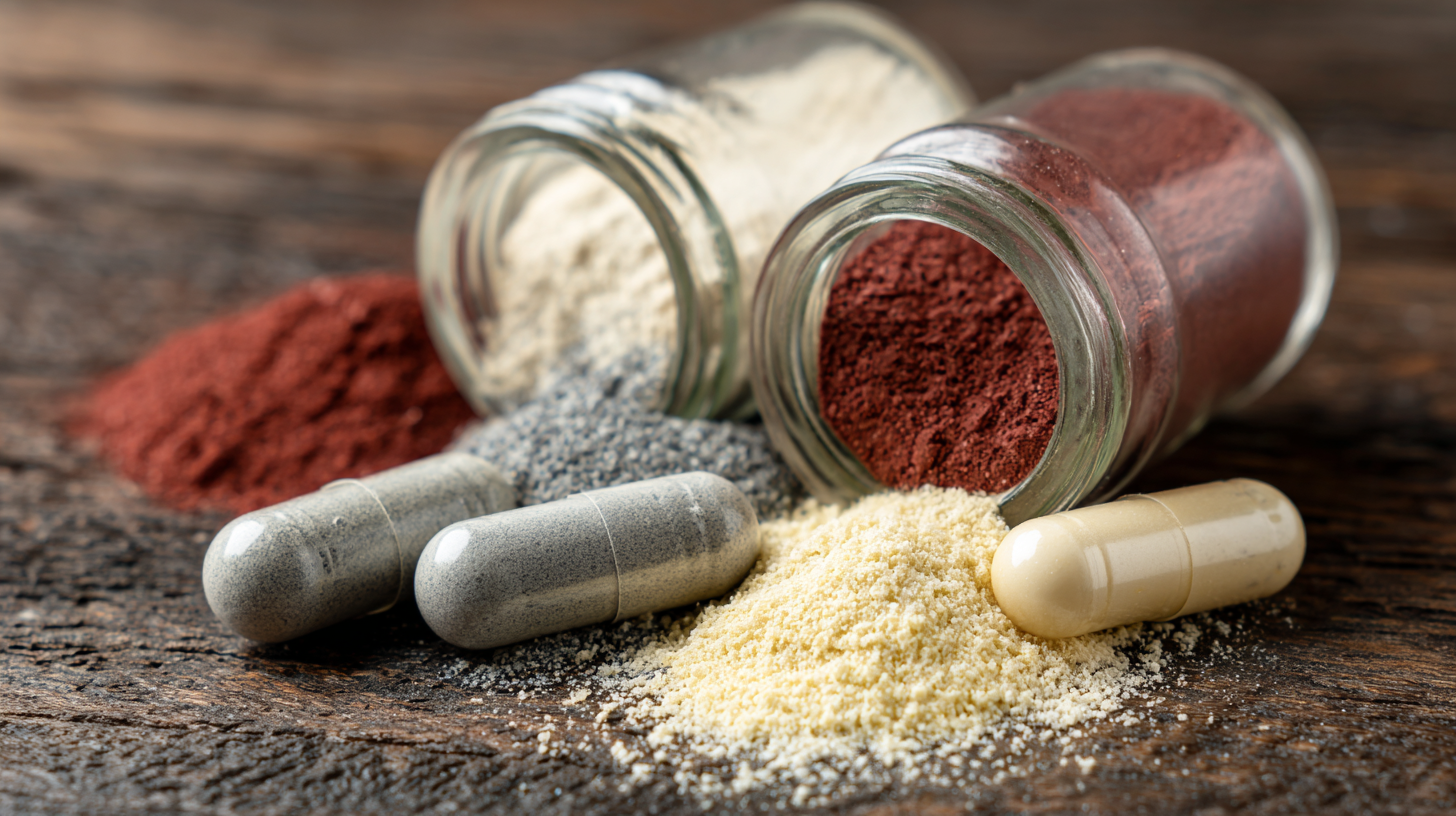
Understanding the Different Strains of Probiotics for Optimal Gut Health
When you're trying to improve your gut health, understanding the different Probiotic Strains is pretty important. Probiotics are those live tiny creatures that can actually help your digestion and overall wellness. But here’s the thing — not all probiotics are the same. Each strain has its own unique perks, so it’s worth picking the right ones depending on what you’re looking to improve. For example,Lactobacillus and Bifidobacterium are some of the most common guys out there. They’re great for helping your digestion run smoothly and giving your immune system a nice boost. If you choose a probiotic blend with a mix of these strains, it can even have a stronger, more positive effect on your gut—that kind of synergy just makes sense, right?
Plus, some strains are better suited for specific issues. Take Saccharomyces boulardii — it’s pretty good at preventing diarrhea. On the other hand, Lactobacillus rhamnosus can help keep your gut lining strong and ease symptoms if you’re dealing with Irritable Bowel Syndrome. Knowing these differences can really help you pick the right probiotic that not only supports your overall gut health but also tackles particular concerns you might have. Oh, and don’t forget—check the quality and viability of the strains in whatever product you choose. They make a big difference!
Basically, if you know what your gut needs and match that with the right probiotic strains, you’re setting yourself up for better digestion and feeling your best.
Evaluating CFU Counts: How Colony-Forming Units Impact Probiotic Efficacy
So, when you're trying to pick the right probiotic granules for your gut health, one of the biggest things to look at is the colony-forming units, or CFUs for short. Basically, CFUs tell you how many live bacteria are in the bottle. Usually, the more CFUs, the better the potential benefit — but hey, more isn’t always better, right? It’s really about finding the strains that match what your body actually needs. Some research shows that certain strains are great for digestion, others for boosting your immune system, and some for other health goals. So, it’s all about choosing a product with the right strains for you.
As you’re browsing different probiotics, keep a couple of things in mind: First, check out the CFU count to make sure there are enough good bacteria alive and kicking. Then, take a peek at whether the probiotics need to be kept in the fridge — some do, some don’t. And finally, it’s always better if the product has been tested in clinical studies, you know, to show it really works. Picking the right probiotics by paying attention to these things can seriously make a difference for your gut health — don't rush it, take your time to choose what’s best for you.
Identifying Prebiotics: The Essential Partner for Your Probiotic Granules
When you're choosing probiotic granules, it's pretty important to also think about prebiotics. These little guys are basically the food that probiotics need to grow and do their job in your gut. They’re non-digestible fibers, and you’ll find them naturally in stuff like garlic, onions, and bananas. Think of them like plant food—helping those good bacteria really flourish once they settle into your digestive system.
Adding prebiotics to your probiotic routine can really boost the benefits you get from those granules. It’s a good idea to look for products that mix both probiotics and prebiotics—often called synbiotics. That combo not only helps your digestion but also gives your immune system a little lift and just generally makes you feel better overall. Once you get how probiotics and prebiotics work together like a team, you can make smarter choices and really maximize your gut health with the right probiotic granules.
Considering Shelf Stability and Expiry Dates for Probiotic Effectiveness
 So, when you're picking out probiotic granules, one of the key things you definitely wanna check is how well they hold up over time — basically, their shelf life and expiration date. Probiotics are live bacteria, after all, and their effectiveness can dip as time goes on. That’s why it’s super important to peek at the packaging and make sure you’re getting a product that still has some punch left. Ideally, look for probiotics with a long shelf life — two years or even more — and see if they need to be refrigerated to stay effective.
Also, the expiration date on the label gives you a pretty good idea of how long they'll stay potent. It’s best to go for ones that are well within their use-by date and to keep them stored just like the manufacturer recommends. That way, when they reach your gut, those live cultures are at their absolute best, so you can really enjoy all the health perks they’re supposed to offer. Keep in mind, a probiotic might have a super high CFU count, but if it’s expired or stored badly, it probably won’t do much for you — so don’t overlook these details!
Investigating Manufacturer Credibility: Why Brand Reputation Matters in Probiotic Selection
When you're picking out probiotic granules to boost your gut health, one of the most important things to look at is who makes them. A brand with a solid reputation is pretty much a good sign — it tells you the quality's likely to be reliable, plus it gives you some peace of mind that the product is safe and actually works. Brands that have been around for a while tend to be more transparent about where they source their ingredients and how they make their products, which makes trusting them a bit easier.
A good starting point is to dig into the manufacturer’s background and read some customer reviews. Look for brands that have a track record of happy users and positive feedback. It’s a pretty good indicator of whether their probiotics do what they say they’ll do. Also, don’t forget to check if they have supporting clinical studies. Well-established brands usually put a lot of effort into research, providing detailed data that backs up the potency and stability of their probiotic strains.
And hey, take a quick peek at the labels for any third-party testing or certifications. Reputable companies often display these to show their products have been independently verified for quality. Basically, those marks are your cue that the probiotic granules are both safe to use and effective for your gut health.

Deciphering Labels: How to Read and Interpret Probiotic Ingredients for Gut Wellness
When you're picking out probiotic granules for your gut health, it's super important to really get what’s on the label. I recently came across a report saying the probiotic market is heating up—especially in sports nutrition—and it's expected to hit around $5.9 billion this year alone. Plus, from 2024 to 2031, it’s forecasted to grow at about 7.5% annually. With more folks interested in probiotics these days, it’s essential to be able to tell what products actually work from those just riding the hype. That’s why decoding labels and understanding different probiotic strains and their benefits is more important than ever.
But it’s not just about the ingredients. People should also pay attention to whether the product is safe and actually effective. According to some insights from CBNData, consumers aren't really looking for fancy packaging or big promises—what they want is something genuine and reliable that delivers results. The growing research into gut bacteria highlights how crucial it is to check which probiotic strains are included on the label, since some have more proven benefits than others. As the functional food scene keeps expanding and is expected to hit new heights by 2034, making smart, informed choices about probiotics can really make a difference in your gut health—and your overall well-being.
Probiotic Granules: Key Strains for Gut Health
FAQS
: Probiotics are live microorganisms that provide health benefits, particularly for the digestive system. They help enhance gut health by improving digestion and bolstering the immune system.
Common probiotic strains include Lactobacillus and Bifidobacterium, known for improving digestion and immune function. Other strains, like Saccharomyces boulardii, are beneficial for preventing diarrhea, while Lactobacillus rhamnosus supports gut integrity and alleviates symptoms of irritable bowel syndrome.
Identifying your health goals and matching them with appropriate probiotic strains is crucial. Select formulations that include various strains for a synergistic effect to address specific gut health concerns.
Shelf stability is critical because probiotics are live microorganisms, and their effectiveness can decrease over time. Products with a long shelf life and appropriate storage instructions ensure maximum potency.
Check the expiry date on the packaging and ensure the product is stored correctly. Even high CFU counts may not provide benefits if the probiotic is past its expiry or improperly stored.
A reputable manufacturer with a solid brand history ensures quality, efficacy, and safety. Established brands typically have positive customer reviews and clinical studies supporting their products.
Research the manufacturer’s track record, customer feedback, and look for third-party testing certifications on the product label. This can help confirm the potency and viability of their probiotic strains.
Look for information on strain viability, expiry dates, storage requirements, and any certifications indicating third-party testing, which assures product quality and safety.
Conclusion
Picking the right probiotic granules is pretty important if you're really aiming for good gut health. There are a few key things you should keep in mind. For starters, it helps to understand the different strains of probiotics out there, because each one offers its own set of health perks. You also want to check the colony-forming units, or CFUs, which basically tell you how potent the product is—that's a big deal when it comes to effectiveness. Don't forget about prebiotics either; they're like the sidekick that boosts how well the probiotics work together.
Plus, it's smart to look at shelf life and expiration dates to make sure the probiotics stay effective for as long as you need them. It’s equally important to research the brand—trustworthy manufacturers usually mean better quality products. And if you want to make smart choices, knowing how to read and understand those labels is super helpful.
Here at Zhongchuang Yike (Shanghai) Health Technology Co., Ltd., we offer a variety of probiotic granules that are tailored to support gut health across different industries. We’re all about promoting wellness by providing top-notch, reliable products that you can count on.