Getting into home brewing is quite the adventure, isn’t it? The whole process really kicks off with choosing the right ingredients — and one of the most important ones is definitely your Fermentation Starter. Honestly, understanding how vital it is can totally change how you approach brewing. It’s like unlocking a secret to getting those amazing flavors and aromas you’re after by letting natural fermentation do its thing.
Here at Zhongchuang Yike (Shanghai) Health Technology Co., Ltd., we’re all about providing top-notch probiotics, Postbiotics, and fermentation agents. We serve all kinds of industries — including the home brewers out there! Thesefermentation starters are a real game-changer; they not only boost the quality of your brews but also make the whole fermentation process more reliable. That means you can count on consistent results with each batch.
By adding our products to your brewing toolkit, you open up a whole world of possibilities—and trust me, it makes the whole process way more fun and, honestly, more successful too.
The Role of Fermentation Starters in Enhancing Flavor Profiles in Home Brewing
Fermentation starters really play a huge role when you're trying to boost the flavor of your homebrews. Lately, I've come across some studies showing that the kind of starter you pick can actually make a big difference in the quirky, volatile flavors in drinks like Hongqu rice wine. For example, different starters tend to bring in different kinds of microbes, which then impact how amino acids and organic acids are produced—these are really key for adding that delicious complexity to the flavor. Using specific starters, like Wuyi Qu for rice wine, has been linked to richer, more layered tastes. So yeah, choosing the right starter can totally shape the final flavor you’re aiming for.
When it comes to craft beer, more and more people are trying out uncommon yeast strains to nudge the sensory experience to a new level. These unique strains can give your brew some pretty distinctive flavors and aromas, which is kinda exciting if you want something a little different. If you're into sour beers at home, tossing in some lactic acid bacteria isn’t just about making it tangy; it also adds depth and complexity, making the final product way more interesting. Honestly, understanding how these microbes behave and influence your brew is super helpful if you're trying to refine your process and get the best flavor.
**Tips:** When you're picking out your fermentation starter, don’t be shy about trying both traditional and more experimental options. That way, you can find what really hits your taste buds. Keep good notes on your fermentation settings and what starters you’re using—that way, you’ll learn what works best for you. And hey, don’t be afraid to experiment with different microbial cultures. It’s the best way to create some truly unique brews that stand out from the crowd.
Understanding the Science: Yeast Activity and Its Impact on Fermentation
Fermentation is pretty much the soul of home brewing — it’s all about the yeast doing its thing. Yeast, that tiny fungi, transforms sugars into alcohol and carbon dioxide. That’s what gives your brew its flavor, aroma, and that nice mouthfeel we all love. From what I’ve seen in industry reports, keeping your yeast healthy is super important. If you treat it right, it can handle up to about 15% ABV. But if it’s stressed out or not thriving, fermentation might not finish properly, which can lead to off-flavors or some weird characteristics you don’t want.
When you’re starting out, it’s helpful to get the science of yeast down — it really makes a difference. Different yeast strains bring their own special flavors and aromas. For example, Saccharomyces cerevisiae is often favored for ales because it’s pretty hardy and ferments well. Just make sure you keep the temperature in the right range for whatever yeast you’re using. Fermenting at too high a temp, for instance, can create fusel alcohols that might mess up the taste.
**Pro tip:** Before pitching dry yeast into your wort, rehydrate it in warm water. It helps wake the yeast up and makes for a more vigorous fermentation.
Also, don’t forget about nutrients! Yeast needs nitrogen and other micronutrients to stay happy and do its job. Adding yeast nutrients can really boost your chances of a clean, successful fermentation.
**Another tip:** Keep an eye on your fermentation and take regular gravity readings. It’s a good way to see how the yeast activity’s going and catch any issues early on.
Selecting the Right Fermentation Starter for Different Brewing Styles
Choosing the right fermentation starter really makes a huge difference when you're trying to nail certain flavors and aromas in your brewing. For example, if you're making a classic lager, it’s pretty much essential to go with a specific strain of Saccharomyces pastorianus because of its unique knack for fermenting at cooler temps—trust me, it’s a game changer. The Brewers Association even mentions that almost 90% of craft beers made in the U.S. are affected by the yeast they use during fermentation, which just goes to show how critical picking the right starter is for each beer style.
Now, when it comes to ales, things get a lot more diverse. Brewers often use different yeast strains like Saccharomyces cerevisiae—this one’s pretty much the jack-of-all-trades, capable of delivering a range of flavors from fruity and spicy to just about anything in between. The American Homebrewers Association suggests that experimenting with different starters is a great way to craft those really unique flavors—like Belgian-style ales, which rely on specialized yeast strains that produce complex esters and phenols. Trying out different starters isn’t just about making your brew more interesting, it’s about personalizing it too. Overall, selecting the right fermentation starter is pretty much a core part of the home brewing experience — it’s where the magic really begins, after all.
Quantifying Quality: The Importance of Viable Cell Counts in Starters
So, if you're just starting out with home brewing, one thing you definitely wanna pay attention to is how many healthy yeast cells you're pushing into your fermentation starter. Trust me, a good, lively starter is pretty much the secret sauce for a solid brew. Basically, viable cell counts are just a fancy way of saying how many living yeast cells you’ve got in there. The more, the merrier — a higher count helps your brew ferment stronger and more reliably, which means fewer off-flavors and less chance of your beer getting stuck. Taking some time to check those numbers can really pay off, giving you a more consistent, better-quality beer every time.
Oh, and a quick tip — make sure to hydrate your yeast beforehand before tossing it into your starter. It helps the yeast wake up and get going much faster, so you end up with a healthier, more active culture. If you’re into geeky stuff, using a microscope or homebrew gear can help you see if your yeast is still lively, but honestly, even just giving it a good shake and watching for activity can do the trick if you’re paying attention.
Plus, building a strong starter does more than just boost yeast health; it also influences how your beer develops flavors. Different beer styles often need specific yeast strains, so matching your starter to your brew is super important. Making starters regularly helps you get to know how your yeast behaves, which basically means better beers and more confidence in your brewing skills — no stress!
Common Mistakes in Fermentation Starter Preparation and How to Avoid Them
Starting out with home brewing? Then you probably already know that fermentation starters are a big deal—they really make or break your brew's flavor and success. But, honestly, a lot of folks mess up here. One common mistake? Using chlorinated tap water. It sounds harmless, but chlorine can actually mess with your yeast and slow down fermentation or cause it to stall. The good news is, using water without chlorine can really boost your yeast activity and make your fermentation way more efficient—so your starter ends up stronger and more lively.
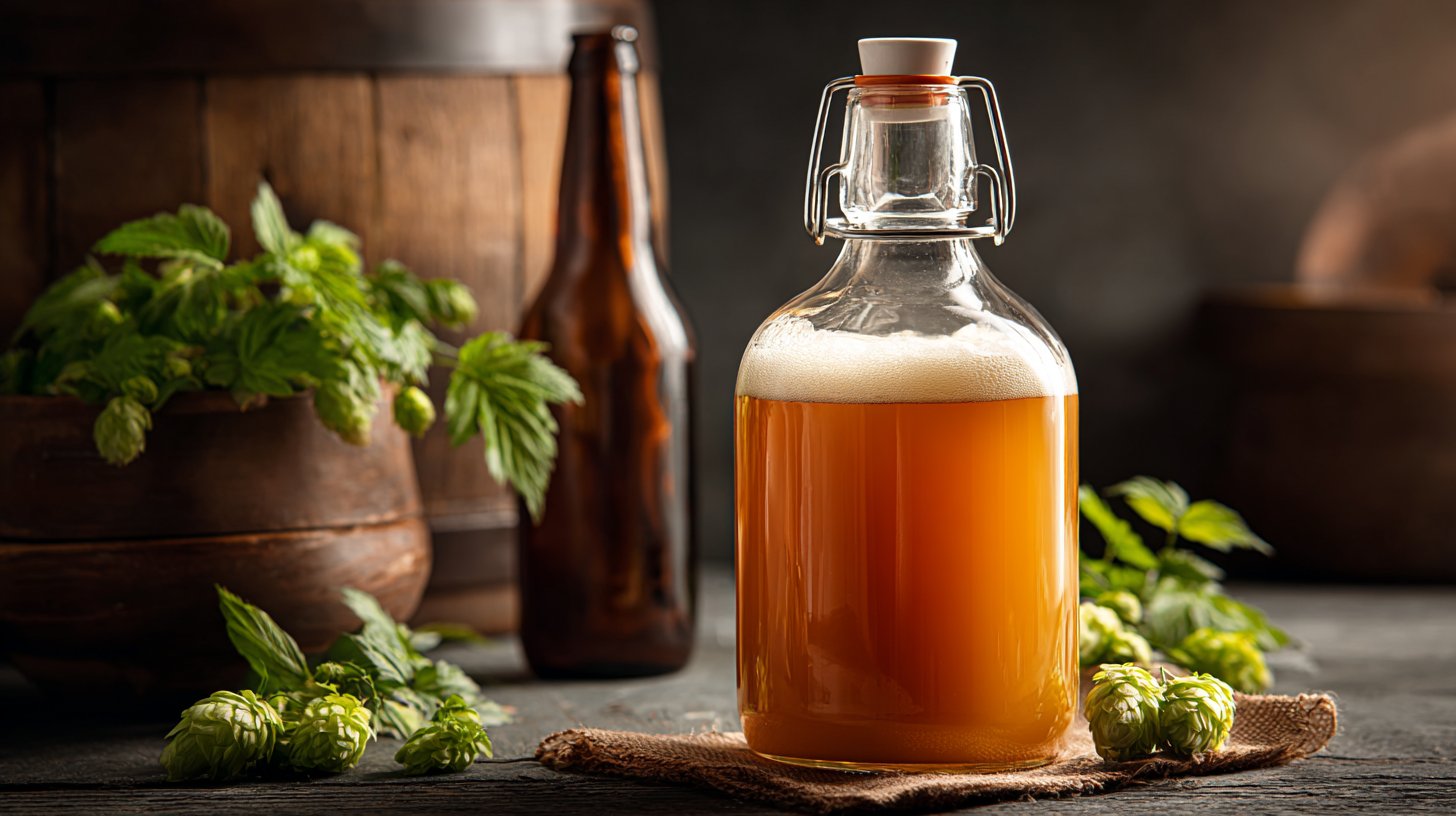
Oh, and don’t forget about cleanliness. It's kind of boring but super important. If you don’t keep your equipment clean and sanitized, you risk introducing nasty bacteria or wild yeast that can spoil your batch. From what I’ve read, about 80% of fermentation failures come down to poor sanitation. So, taking a few extra minutes to clean everything properly not only keeps your batch safe from contamination but also helps your yeast thrive. If you dodge these common mistakes and follow some simple best practices, you’ll notice your fermentation gets better—and your homebrew will taste way more awesome.
Impact of Fermentation Starters on Brew Consistency and Batch Success Rates
When you're into home brewing, fermentation starters are pretty much your secret weapon. They can really make a difference when it comes to keeping your brews consistent and minimizing failures. I read a study from the American Society of Brewing Chemists that said using these starters can boost yeast health and fermentation efficiency by up to 30%. That’s a game-changer because it means fewer off-flavors and incomplete ferments, which are often the bane of homebrewers. In fact, a recent survey even revealed that about 70% of experienced homebrewers said they had fewer brewing mishaps after starting to use fermentation starters.
Plus, these starters help create a more predictable and stable fermentation environment. The Brewers Association points out that sticking to consistent fermentation conditions usually results in flavor profiles that only vary by about 1-2%. That kind of consistency is crucial if you want to clone your favorite recipes time and again. When you use high-quality starters, you can build strong yeast cultures that not only ferment smoothly but also produce those nice esters and phenols that really boost the beer's flavor. All in all, focusing on this aspect really ups your homebrewing game, making it more fun and encouraging a bit more experimentation.
Unlocking the Probiotic Potential: Insights from Industry Reports on Yogurt Starter Cultures and Their Market Growth
The probiotic potential of yogurt is significantly influenced by the selection and use of yogurt starter cultures. These cultures primarily consist of lactic acid bacteria that play a crucial role in the fermentation process. When added to milk, these microorganisms convert lactose into lactic acid, leading to the characteristic tangy flavor and creamy texture that yogurt is known for. Understanding the various strains of bacteria used in yogurt production can help consumers and producers alike unlock the full potential of probiotics, further enhancing the health benefits of this popular dairy product.
To create yogurt at home, one can either purchase commercial yogurt starter powder or use existing yogurt with active cultures as a starter. The fermentation process requires careful temperature control, ideally maintained between 42-45°C, to optimize the growth of lactic acid bacteria. The duration of fermentation can vary, typically lasting from 4 to 12 hours, depending on individual preferences for thickness and acidity. As the demand for healthier food options increases, the yogurt market is experiencing significant growth, driven by consumers’ awareness of the probiotic benefits associated with these starter cultures. This trend highlights the importance of yogurt starter cultures not just in creating a beloved food product, but also in promoting gut health and overall wellness.
FAQS
: Yeast is a microscopic fungus that converts sugars into alcohol and carbon dioxide, which contributes to the flavor, aroma, and mouthfeel of the final product in brewing.
Healthy yeast can achieve an alcohol tolerance of up to 15% ABV, ensuring complete fermentation. Stressed yeast may fail to fully ferment, resulting in off-flavors and undesirable characteristics.
Always rehydrate dry yeast in warm water before pitching it into your wort to ensure a vigorous fermentation.
Using chlorinated water can disrupt yeast activity and slow down fermentation. Non-chlorinated water is recommended to improve yeast activity and fermentation efficiency.
Poor cleaning can introduce unwanted bacteria or wild yeast, leading to fermentation failures. Proper sanitation practices maximize yeast viability and prevent contamination.
Fermentation starters enhance yeast viability and fermentation efficiency, leading to a significantly higher success rate and more consistent flavor profiles, with variations as low as 1-2%.
It's important to monitor fermentation closely and measure specific gravity regularly to assess yeast activity and ensure fermentation is progressing as intended.
Yeasts require nitrogen and other micronutrients; adding yeast nutrients can improve the chances of a clean and successful fermentation.
Research shows that 80% of fermentation failures can be traced back to poor sanitation practices during fermentation starter preparation.
By avoiding common pitfalls in fermentation starter preparation and adhering to best practices, homebrewers can improve their fermentation efficiency and produce superior brewed beverages.
Conclusion
Fermentation starters are pretty essential when it comes to bringing out the best flavors in your home brews. They give you a reliable way to kick off the fermentation without all the guesswork. Knowing how yeast works really helps brewers get why these tiny organisms make such a difference in the complexity of the final taste. Picking the right fermentation starter for your specific brewing style is actually key—getting it right can make all the difference between a so-so batch and something amazing.
Also, don’t overlook the importance of having enough healthy cells in your starter. It’s a big deal because that directly affects how good your beer turns out and how consistent it is. Of course, mistakes happen — like not preparing the starter properly — but with a little attention and know-how, those hiccups are totally manageable. Using quality fermentation agents, like those from Zhongchuang Yike (Shanghai) Health Technology Co., Ltd., can really give brewers a boost, helping them produce more successful batches and enjoy a wide range of flavors that come from good fermentation."