Leave Your Message
0%

Lately, there's been quite a buzz around Fermentation Starters and how they're transforming different industries—think food, pharma, not to mention health and wellness. Industry predictions say that by 2025, the global market for these starters could hit around 18 billion US dollars. That’s mainly because more and more folks are craving probiotic-rich foods and sustainable fermentation options. Exploring Future Innovations in Best Fermentation Starters and Their Alternatives Beyond 2025 At Zhongchuang Yike (Shanghai) Health Technology Co., Ltd., we really get how essential innovative Fermentation Agents are for boosting both the quality and nutrition of products. As we look ahead to2025, it’s pretty clear that staying on top of new developments in fermentation starters and exploring alternative solutions will be key to keeping ahead in this fast-changing market.
Getting a handle on these trends isn’t just about staying competitive; it’s also about offering consumers healthier, more sustainable choices that really make a difference.

Innovative Fermentation Starters: A Look at Upcoming Trends and Technologies

Lately, the field of fermentation has really been evolving fast, and it’s exciting to see how these new developments could shape the future of fermentation starters. With everyone paying more attention to health and sustainability, researchers and producers are creating new starters that incorporate fresh microbiota and botanical ingredients. These innovations do more than just boost flavor—they also make the final products more nutritious. As folks become more particular about what they eat, I think we'll see a growing demand for starters that actually offer health perks, like probiotic benefits or better nutrient absorption.

On top of that, tech is totally transforming how we do fermentation. Thanks to advances like precision fermentation, we’re now able to craft starters that are specifically designed to enhance certain flavors and aromas. It’s pretty cool because it gives us better control over the whole process, which means more consistent quality and fewer worries about contamination. Plus, with AI and machine learning entering the scene, there’s a real chance we’ll discover brand-new fermentation strains that boost both efficiency and flavor profiles. Looking past 2025, I honestly can’t wait to see how these trends will influence everything from homemade brews and baked goods to big-time food production—it's like opening up a whole new world of culinary possibilities.

Exploring Future Innovations in Best Fermentation Starters

Exploring Plant-Based Alternatives: The Future of Non-Traditional Fermentation Agents

Looking ahead past 2025, the world of fermentation is set to go through some pretty exciting changes, especially with the surge of plant-based alternatives gaining popularity. You know, for ages, we've relied on traditional fermentation agents like yeast and bacteria, but now, with more folks paying attention to sustainability and health, people are starting to get creative with non-traditional options. Ingredients like fruits, legumes, and even seaweeds are being explored as potential starters, bringing fresh flavors and textures to the table. Plus, they’re really appealing to the growing number of vegans and eco-conscious consumers out there.

The future of fermentation might include some pretty cool combos of plant-based ingredients that not only boost the nutritional value of what we eat but also help cut down on carbon emissions. By tapping into the natural enzymes in these plants, food makers could whip up all sorts of fermented goodies that fit perfectly with modern dietary trends. And as scientists learn more about the probiotic benefits of various plants, we could soon see a whole new wave of gut-friendly foods that offer health perks without losing that age-old charm of fermentation. All in all, the road ahead isn’t just about new flavors — it’s also about making food production more sustainable and in tune with what we care about today.

Harnessing Microbial Diversity: Novel Approaches to Cultivating Fermentation Starters

Exploring Future Innovations in Best Fermentation Starters and Their Alternatives Beyond 2025Fermentation has been a key part of culinary creativity for ages, giving our foods that extra layer of flavor and helping preserve them longer. Looking ahead, I think there's some really exciting stuff happening with microbial diversity — like, developing fermentation starters that aren’t just effective but also eco-friendly. By focusing on biodiversity, we can discover new strains of yeast and bacteria that could totally change the game, making our favorite dishes even richer in flavor and better in texture.

Here's a quick tip: try messing around with wild yeasts from your own environment. Just leave out some sugar water or flour in an open container somewhere — over time, natural yeasts and bacteria from the air and surrounding area will start to grow, giving you a unique starter that’s a reflection of where you live.

And don’t forget, you can also get creative with kitchen scraps like fruit peels and veggie bits. Not only is it more sustainable, but these leftover bits are packed with microbes that can give your fermentation a boost — plus, offering some new taste angles and nutritional perks.

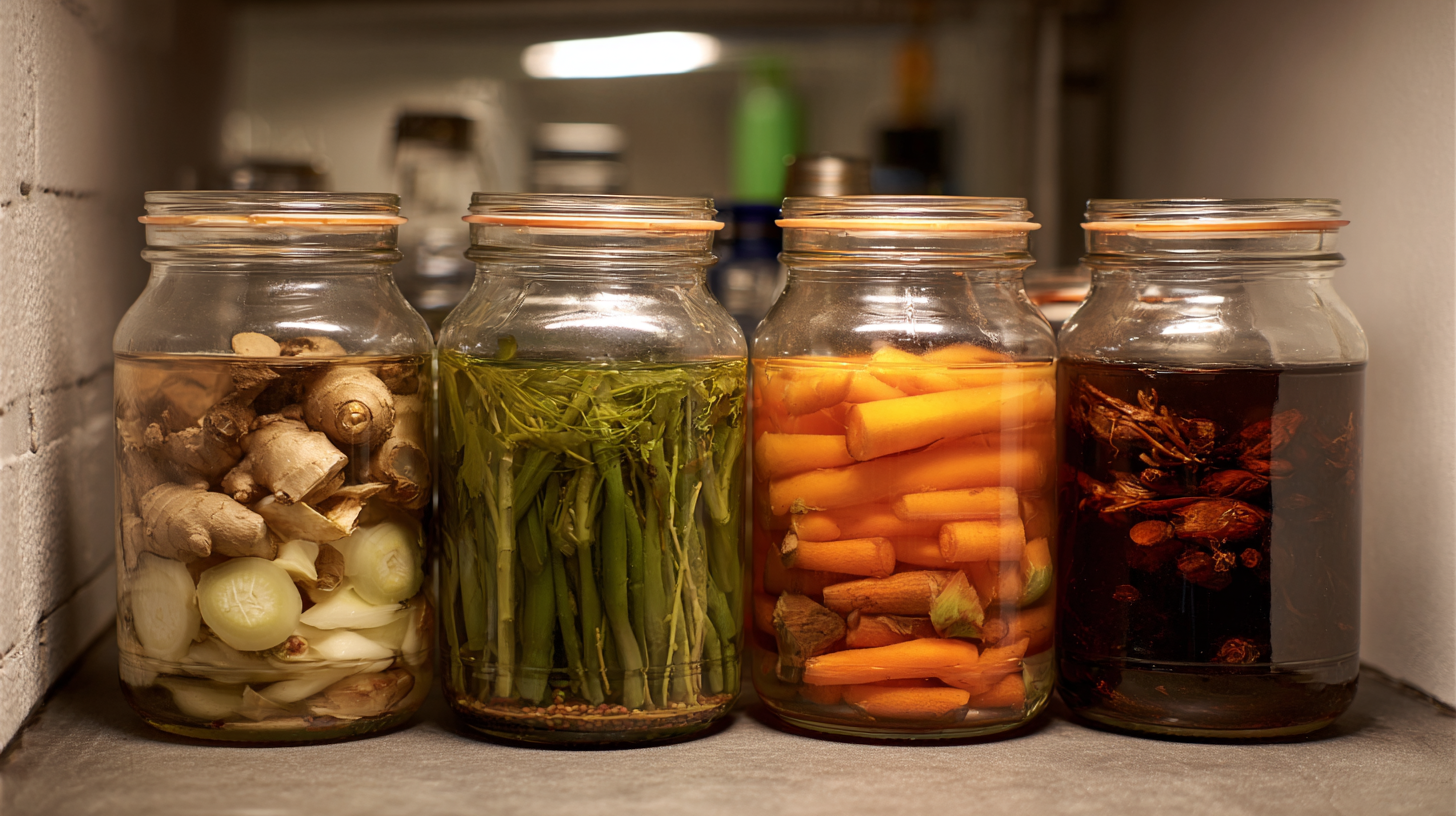
One more tip: toss veggie scraps like carrot tops or onion skins into a jar with water and let it ferment for a few days. It’s a great way to whip up a nutrient-rich starter that can add some flair to your kimchi or sourdough next time around.

Sustainable Practices in Fermentation: Eco-Friendly Solutions for Future Starters

As the fermentation industry keeps evolving, it’s pretty clear that embracing sustainable practices is becoming more and more important. I came across a 2022 report from The Good Food Institute that predicts the global market for fermentation tech will hit $50 billion by 2025 — that’s a huge deal, and it really shows how much demand there is for eco-friendly solutions these days. Nowadays, innovations in fermentation starters are shifting toward using plant-based ingredients and waste materials. This way, we can cut down on environmental impact without sacrificing quality. For example, some researchers are experimenting with leftover agricultural stuff, like spent grains from breweries, as alternative fermentation substrates. It’s a smart move because it helps reduce waste and promotes a more circular economy within the food industry.

On another note, there’s been a big push toward microbial diversity in fermentation. A 2023 study published in the Journal of Applied Microbiology points out that working with a wider variety of microbial strains can really boost the flavor complexity and nutritional value of fermented foods. Plus, focusing on biodiversity makes the fermentation process more resilient—especially important as climate change affects stability. All in all, shifting towards these more sustainable methods isn’t just good for the planet; it’s also a win for producers and consumers alike, helping to create a healthier, more balanced food system.

Exploring Future Innovations in Best Fermentation Starters and Their Alternatives Beyond 2025

The Role of AI in Developing Next-Gen Fermentation Products and Starters

You know, the way AI is advancing right now, it’s really set to shake up how we develop fermentation starters after 2025. I read somewhere that, according to MarketsandMarkets, the fermentation market’s expected to jump from around $70 billion in 2020 to over $113 billion by 2025. That’s a huge surge, and honestly, it shows just how much folks are looking for fresh, innovative solutions in this area. AI tools can really make a difference here—they analyze massive amounts of data to help pinpoint the best microbial strains and fermentation setups. This not only boosts efficiency but also improves the overall quality of the products. Plus, with machine learning, researchers can actually forecast how fermentations will turn out, which means they can develop custom starters tailored to specific tastes or nutritional goals a lot faster.

And get this—AI can also keep an eye on the process as it happens, making real-time tweaks to keep everything running smoothly. Frost & Sullivan even mentions that smart fermentation setups can cut down production times by up to 30%, saving tons of time and money compared to old-school methods. But it doesn’t stop there—AI’s ability to simulate complex biochemical reactions means researchers can explore new fermentation paths, opening doors to cool new ingredients and unique flavors. With plant-based and probiotic products skyrocketing in popularity, having AI-powered tools is becoming absolutely essential for brands trying to keep up in this fast-moving market.

FAQS

: What is the significance of microbial diversity in fermentation?

: Microbial diversity plays a crucial role in fermentation by enabling the exploration of new yeast and bacteria strains that improve flavors and textures in fermented foods, enhancing culinary experiences.

How can I cultivate my own fermentation starters at home?

You can cultivate fermentation starters by experimenting with local wild yeasts. Leave out sugar water or flour in an open container to attract natural bacteria and yeasts from your environment.

What are some alternative sources for fermentation starters?

Alternative sources include using fruit peels and vegetable scraps, which not only contribute to sustainability but also provide nutritional benefits and unique flavors to your fermentation projects.

How can I create a nutrient-rich fermentation starter from vegetable scraps?

Save vegetable scraps, such as carrot tops or onion skins, in a jar with water and allow it to ferment for a few days to create a starter that can enhance your kimchi or sourdough.

What are the benefits of integrating sustainable practices in fermentation?

Sustainable practices in fermentation help reduce environmental footprints, minimize waste, and promote a circular economy, supporting eco-friendly solutions in food production.

How is the fermentation industry evolving in terms of sustainability?

The fermentation industry is evolving by focusing on plant-based and waste-derived materials for starters, aligning with sustainability goals and addressing the growing demand for eco-friendly products.

What impact does microbial diversity have on flavor complexity in fermented products?

A broader spectrum of microbial strains enhances flavor complexity and nutritional benefits in fermented products, making them more appealing to consumers.

How does the shift towards more sustainable fermentation practices align with global goals?

The transition to sustainable practices in fermentation supports global sustainability goals by promoting solutions that benefit consumers and producers while addressing climate change challenges.

Ethan

Ethan

Ethan is a dedicated professional at Zhongchuang Yike (Shanghai) Health Technology Co., Ltd., where he serves as a specialized marketer. With a profound understanding of the company's innovative health products, Ethan plays a vital role in communicating their core benefits and unique value to......
Previous Lacticaseibacillus Casei in Dairy Production Solving Fermentation Challenges