Leave Your Message
0%

Hey there! If you’re diving into the world of food processing and health tech, you’ve got to understand just how crucial starter cultures and fermentation really are. It’s kind of the secret sauce for nailing those results across various applications. Here at Zhongchuang Yike (Shanghai) Health Technology Co., Ltd., we’re all about delivering top-notch probiotics, Postbiotics, and fermentation agents that cater to a bunch of different industries, from pharmaceuticals to agriculture. Choosing the right starter cultures for your fermentation can really be a game-changer—whether you’re a pro or just starting out in the exciting realm of food fermentation. So, buckle up! This ultimate guide is here to help you pick the perfect starter cultures. We want to make sure your fermentation processes don’t just work but really take off, boosting both the flavor and health benefits of your products. Let’s dive into some of the key things you should keep in mind as you embark on this rewarding and tasty journey!
The Ultimate Guide to Choosing the Best Starter Cultures for Successful Fermentation

Understanding the Importance of Starter Cultures in Fermentation Success

Let’s talk about fermentation for a sec, shall we? One of the key players in this whole process is definitely the starter cultures. These little guys are made up of specific bacteria, yeast, or even fungi that really get the party started. They provide the microorganisms needed to turn simple ingredients into some seriously tasty and healthy foods. If you’re thinking about diving into fermentation, whether at home or in a professional kitchen, you’ve gotta grasp how important these cultures are to your success.

Not only do starter cultures amp up the flavor and texture of what you're making, but they also help keep things consistent and reliable during fermentation. Picking the right culture can really help you control the environment, which means you’ll likely get a more predictable outcome. This is super helpful for those just starting out and maybe feeling a bit overwhelmed by all the fermentation nuances. Plus, using quality starter cultures plays a big role in keeping everything safe and tasty, preventing spoilage and those pesky unwanted bacteria from crashing the party.

When it comes to choosing the right starter culture, think about what you want to end up with—yogurt, sauerkraut, or even sourdough. Taking the time to learn about the different characteristics and needs of various cultures can really pay off. You’ll end up with some delicious and diverse fermented goodies that are great for your health and wellness, which is pretty awesome, right?

Key Factors to Consider When Choosing the Right Starter Culture

Starting your fermentation journey? Awesome! One of the first things you’ll want to think about is picking the right starter culture—it’s super important if you want to get great results. First off, consider what kind of food you feel like fermenting. Different cultures are tailored for specific products like yogurt, sauerkraut, or even kombucha. If you take the time to understand which bacteria or yeast you need for your chosen ferment, it’ll totally help set the stage for some successful fermenting.

Now, let’s talk flavors! The flavor profile you’re aiming for is another biggie. Each starter culture brings its own unique taste and texture to the party, which can totally change how yummy your final product is. For instance, if you go with a probiotic-rich Yogurt Starter, you’re probably looking at a nice tangy flavor, while a milder culture will give you that creamy texture you're craving. Plus, don't forget about fermentation time! Some cultures are super speedy, while others take their sweet time to develop those delicious characteristics. So, by carefully choosing a starter culture based on what you’re fermenting and the flavor you want, you can really boost your fermentation game and end up with some tasty, homemade goodies.

The Ultimate Guide to Choosing the Best Starter Cultures for Successful Fermentation

Top 5 Popular Starter Cultures and Their Unique Benefits

So, let's talk about fermentation! If you're diving into this fascinating world, picking the right starter cultures is super important. It really makes a difference in getting those flavors, textures, and health benefits just right. There are so many options out there, each one bringing something special to the table according to what you like. Here are five starter cultures that can totally up your fermentation game.

First off, yogurt cultures are an amazing starting point. They’re packed with probiotics, which is great for gut health, so you’ll often find them in a lot of kitchens. Then, we have kefir grains—it’s got that tangy kick and a whole variety of good microorganisms. If you’re itching to make some deliciously tangy fermented veggies, definitely check out sauerkraut and kimchi cultures. They not only taste awesome but also keep your digestion on point.

And let’s not forget kombucha starter tea. If you're in the mood for a refreshing, fizzy drink loaded with probiotics, this is your go-to. Each of these cultures brings its own unique flavor and health benefits, elevating what you’re making while boosting your wellbeing. So, when you choose the right starter culture, you're not just whipping up tasty food but also giving a little love to your gut health!

How to Evaluate the Quality and Viability of Starter Cultures

Alright, so when you're thinking about how to pick the right starter cultures for fermentation, there are a few things you really should keep in mind. First off, you want to make sure these cultures are metabolically viable and that they contain those good live bacteria we all love. You know, reports have shown that the number of live bacterial cells is a big deal for quality in probiotic products. Ideally, you’re looking for more than 7 log cfu/mL to really get those fermentation processes going strong. Nowadays, they’re even using some pretty cool techniques like propidium monoazide (PMAxx)-quantitative PCR to check out how viable probiotics are in mixed species yogurt. This helps to keep their health benefits intact throughout fermentation—pretty neat, right?

A few tips: When you’re on the hunt for starter cultures, make sure to pick ones that have been tested for things like viable cell counts and how they handle stress. You definitely want products that can keep their probiotic goodness even while sitting on the shelf. There’s been some cool progress with cryopreservation methods that can help extend the shelf life of strains like Lactobacillus. Also, don’t forget to check out nonbovine milk products—they’re turning out to be super stars in terms of probiotic functionality and viability, as some recent studies have pointed out. So, finding cultures with solid evidence of their effectiveness can really make a difference in how your fermentation turns out!

Tips for Storing and Maintaining Your Fermentation Cultures

So, if you’re diving into the world of fermentation, it’s super important to know how to store and take care of your fermentation cultures. You’ve got cultures like Lactobacillus plantarum and Streptococcus thermophilus that can work wonders in traditional food prep when treated right. And hey, check this out: recent studies have found that using coconut powder as a drying medium can really help keep these cultures stable for the long haul. Not only does this method protect their viability, but it can also up the quality of your fermented goodies—a win-win, right?

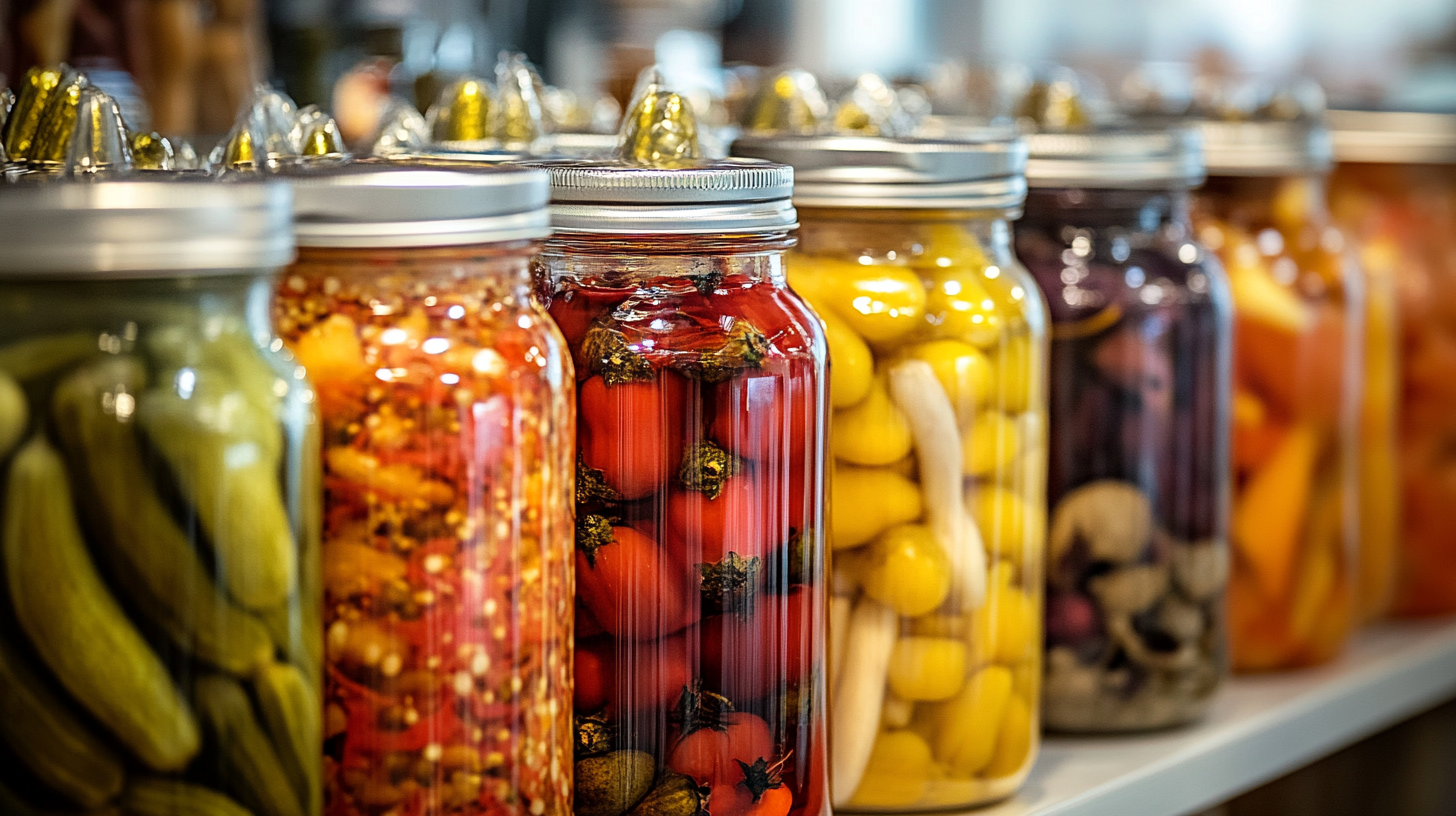
Another thing to think about when you’re maintaining your cultures is where and how you store them. Take hot sauce, for example—while there are different opinions on the best way to store it, most folks agree that keeping it in the fridge is the way to go if you want to keep it fresh and avoid any spoilage. Whether you're whipping up some tangy pickles or trying out a funky new recipe like blueberry fermentation, making sure your cultures are stored just right is really key. Paying attention to these little details can lead to a much richer microbial diversity in your ferments. And when that happens, you can feel good knowing you’re boosting the nutrition and health perks of your homemade creations!

The Ultimate Guide to Choosing the Best Starter Cultures for Successful Fermentation

Common Mistakes to Avoid When Selecting Starter Cultures for Beginners

So, you know, picking the right starter culture is super important for fermentation success, but a lot of beginners trip up on some pretty common mistakes that can really mess with their results. Like, one biggie is going for those cheap or generic cultures without really knowing what they need. It might seem like you're saving some cash, but using the wrong culture can totally lead to weird flavors or, worse, spoilage. Trust me, splurging a little on a quality starter culture that fits your fermentation project—whether you're making yogurt, sourdough, or cheese—can make a world of difference. It’s all about aiming for a more reliable and enjoyable result, right?

Another thing to watch out for is not reading the instructions closely. A lot of these cultures come with specific guidelines on things like temperature, incubation times, and even what type of milk or flour to use. If you skip over those details, you could end up with a fermentation flop. Just take a moment to really get familiar with the recommended practices for your starter culture of choice. Following those guidelines is super important for getting the consistency and flavor you want. By keeping an eye on these common pitfalls, newbies can totally set themselves up for success in the kitchen!

FAQS

: What is the importance of selecting the right starter culture for fermentation?

: Selecting the right starter culture is essential for achieving the best results in fermentation, as different cultures are specialized for specific products and can significantly influence the flavor and texture of the final product.

How can the type of food affect the choice of starter culture?

Different starter cultures are designed for various types of food, such as yogurt, sauerkraut, or kombucha. Knowing the specific bacteria or yeast needed for your chosen ferment helps create favorable conditions for successful fermentation.

What role does flavor profile play in choosing a starter culture?

Various starter cultures impart distinct tastes and textures, affecting the final product's appeal. For instance, a probiotic-rich yogurt starter may provide a tangy taste, while a milder culture might result in a creamier texture.

What factors indicate the quality and viability of starter cultures?

Key factors include metabolic viability and the presence of beneficial live bacteria. An ideal product should have more than log 7 cfu/mL of live bacterial cells, which indicates effective fermentation potential.

How can one assess the viability of probiotic products?

Advanced methodologies like propidium monoazide (PMAxx)-quantitative PCR are used to ensure the therapeutic benefits of probiotics are preserved during fermentation, particularly in mixed species yogurt.

What storage conditions are recommended for fermentation cultures?

Refrigeration is generally recommended to maximize freshness and prevent spoilage, although specific practices may vary depending on the type of food being fermented.

How can coconut powder benefit fermentation culture storage?

Using coconut powder as a drying carrier medium can enhance the stability and long-term preservation of fermentation cultures, safeguarding their viability and improving the overall quality of fermented products.

Why is it important to ensure the storage of cultures is optimal?

Proper storage of cultures can lead to richer microbial diversity and enhance the nutritional and health benefits of homemade ferments, contributing to a more successful fermentation experience.

What should you prioritize when selecting starter cultures?

When choosing starter cultures, prioritize those that have been tested for viable cell counts and stress tolerance, as well as products that maintain probiotic viability during storage.

Are nonbovine milk products beneficial for fermentation cultures?

Yes, nonbovine milk products have shown superior probiotic functionality and viability in recent studies, making them ideal carriers for beneficial bacteria in fermentation processes.


Ethan

Ethan

Ethan is a dedicated professional at Zhongchuang Yike (Shanghai) Health Technology Co., Ltd., where he serves as a specialized marketer. With a profound understanding of the company's innovative health products, Ethan plays a vital role in communicating their core benefits and unique value to......
Previous Lacticaseibacillus Casei in Dairy Production Solving Fermentation Challenges