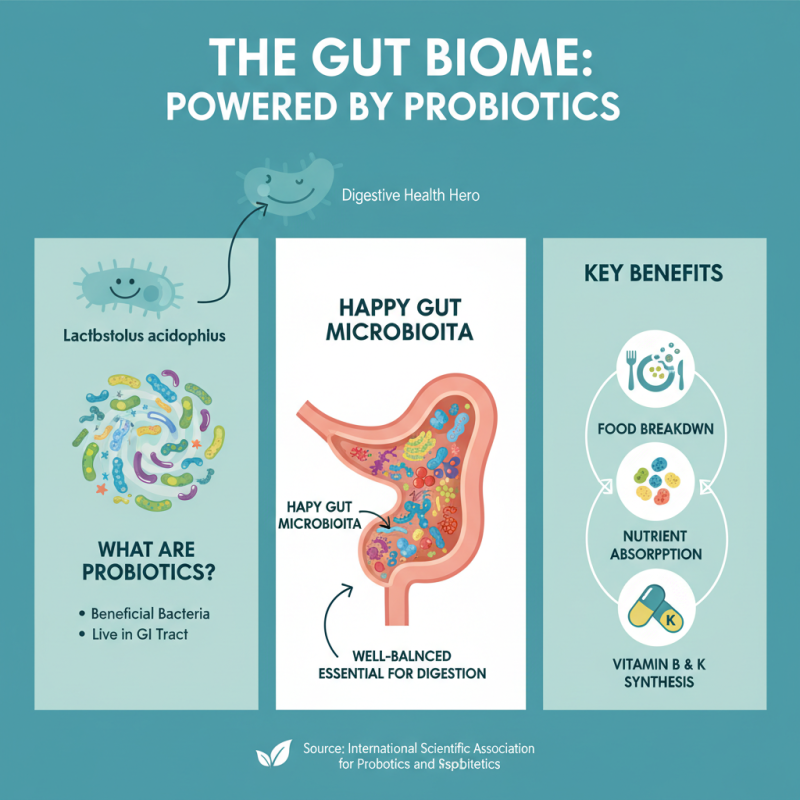
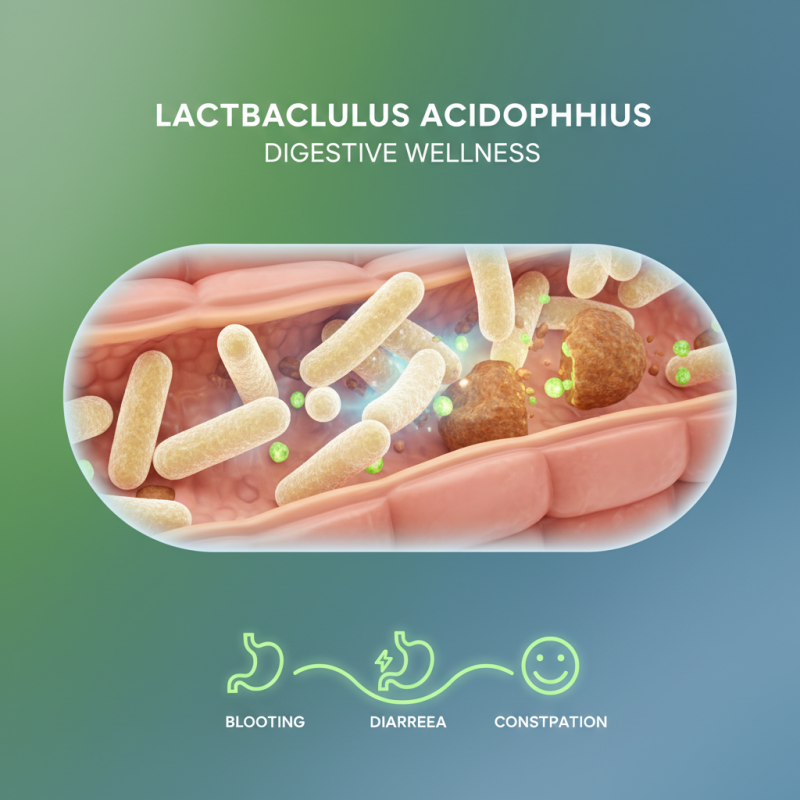
When it comes to digestive health, you can’t really talk about it without mentioning Lactobacillus Acidophilus. This little probiotic powerhouse plays a big role in keeping your gut microbiome balanced—which is honestly pretty crucial for good digestion and just feeling overall healthy. I remember watching a talk by microbiologist Dr. Jane Smith, and she mentioned that Lactobacillus Acidophilus is basically a champion of good bacteria that helps your digestion stay on track and even helps you absorb nutrients better. Her insights really highlight how important this tiny microorganism is for your gut health.
So, how does it actually work? Basically, Lactobacillus Acidophilus ferments lactose into lactic acid, which makes the environment in your gut more acidic. That acid creates a pretty hostile environment for the bad bacteria, helping your digestion stay smooth. Plus, it's not just about digestion — it actually supports your immune system, too. If you regularly include foods with this probiotic or take supplements, you might notice fewer issues like bloating, constipation, or diarrhea. Over time, this can really make a difference in how healthy your gut feels.
More and more, folks are realizing just how important Probiotics are for daily health. Whether you get them from your diet or supplements, adding Lactobacillus Acidophilus into your routine is a smart move if you're aiming for better digestion and overall wellness. It’s all about staying proactive and giving your body what it needs to feel its best.
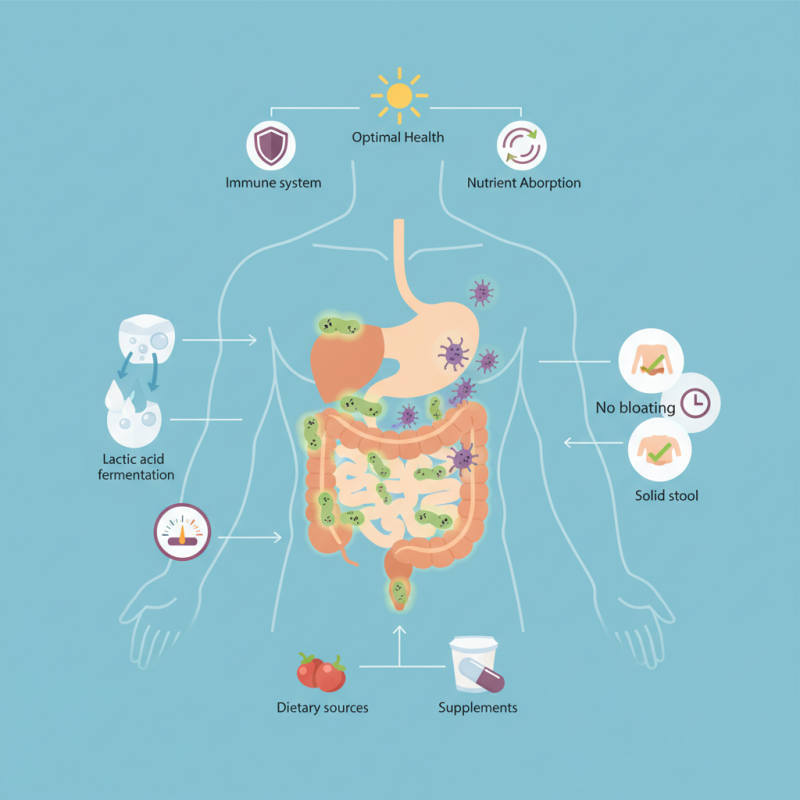
Overview of Lactobacillus Acidophilus and Its Role in Digestion
Lactobacillus acidophilus is a key player in digestive health, belonging to the group of beneficial bacteria known as probiotics. These microorganisms inhabit the gastrointestinal tract and contribute to a well-balanced gut microbiota, which is essential for proper digestion and nutrient absorption. According to a report by the International Scientific Association for Probiotics and Prebiotics, a healthy gut flora can significantly influence digestive functions, including the breakdown of food and the synthesis of vital nutrients like vitamins B and K.
Research indicates that Lactobacillus acidophilus helps in mitigating gastrointestinal disorders, such as diarrhea, constipation, and irritable bowel syndrome (IBS). A study published in the journal "Gut Microbes" found that regular consumption of L. acidophilus can reduce the duration and severity of diarrhea, especially in children. This probiotic not only contributes to the maintenance of a balanced gut ecosystem but also aids in enhancing immune function, which is often impaired during digestive disturbances. By promoting a favorable environment in the gut, Lactobacillus acidophilus plays a crucial role in overall digestive wellness, making it an important consideration in dietary choices aimed at improving gut health.
The Benefits of Probiotics for Digestive Health
Probiotics have gained significant attention for their role in promoting digestive health, and Lactobacillus acidophilus is one of the most beneficial strains. This bacteria helps balance the gut microbiome, enhances nutrient absorption, and supports digestion by breaking down food more efficiently. Regular consumption of probiotics, especially L. acidophilus, can alleviate common digestive issues such as bloating, diarrhea, and constipation, contributing to overall gut wellness.
Tips for incorporating probiotics into your diet can include consuming fermented foods like yogurt, kefir, and sauerkraut. These foods are rich in live cultures and can help support a robust digestive system. Additionally, consider adding probiotic supplements to your routine, particularly if you are experiencing digestive disturbances or have recently taken antibiotics, which can disrupt the natural balance of gut bacteria.
Furthermore, maintaining a fiber-rich diet can enhance the benefits of probiotics. Foods such as fruits, vegetables, and whole grains not only provide essential nutrients but also serve as prebiotics, which feed the good bacteria in your gut. Combining these dietary elements can create a harmonious environment for your digestive health, making it easier for your body to maintain balance and function optimally.
Mechanisms of Action: How Lactobacillus Acidophilus Works
Lactobacillus Acidophilus is a beneficial probiotic bacterium that plays a crucial role in promoting digestive health. One of the primary mechanisms by which it operates is through maintaining a balanced gut microbiota. By colonizing the intestinal tract, Lactobacillus Acidophilus competes with pathogenic bacteria for resources and attachment sites, thereby inhibiting their growth and preventing infections. This competitive exclusion is vital in keeping harmful organisms in check, which can lead to improved overall gut health.
Additionally, Lactobacillus Acidophilus contributes to digestive wellness by producing organic acids such as lactic acid. These acids lower the pH of the gut environment, creating unfavorable conditions for pathogenic bacteria and fostering an optimal setting for beneficial microbes. Furthermore, the presence of Lactobacillus Acidophilus enhances the gut barrier function by stimulating the production of mucus and tight junction proteins, which help prevent toxins and harmful substances from entering the bloodstream. This interplay not only supports digestion but also strengthens the immune response, making it a key player in maintaining digestive health and overall wellness.
Sources of Lactobacillus Acidophilus in Diet
Lactobacillus acidophilus is a crucial probiotic bacterium that plays a significant role in maintaining digestive health. Found naturally in the human gut, it helps regulate the intestinal flora, enhancing digestion and nutrient absorption. One of the primary dietary sources of Lactobacillus acidophilus is fermented dairy products, including yogurt and kefir. According to a study by the International Dairy Federation, yogurt typically contains about 1 million to 100 million CFU (colony-forming units) of probiotics per gram, making it one of the richest sources of these beneficial bacteria.
In addition to dairy, Lactobacillus acidophilus can also be obtained from plant-based sources such as fermented soy products like miso and tempeh. A report from the American Society for Nutrition highlighted that incorporating fermented foods into the diet can significantly contribute to gut health, further supporting immune function and overall wellness.
Additionally, dietary supplements containing Lactobacillus acidophilus are available, providing an alternative source for individuals who may be lactose intolerant or prefer non-dairy options. Engaging with these diverse sources allows individuals to maintain a balanced intake of this essential probiotic, thus promoting better digestive health.
Lactobacillus Acidophilus and Its Impact on Gut Flora Balance
Lactobacillus Acidophilus is a beneficial probiotic bacterium that plays a crucial role in maintaining a healthy gut flora balance. This balance is vital for digestive health as it helps to prevent the overgrowth of harmful bacteria and supports the overall function of the digestive system. A well-balanced gut microbiome can aid in the breakdown of food, enhance nutrient absorption, and boost the immune system. When Lactobacillus Acidophilus thrives in the digestive tract, it contributes to the production of lactic acid, which creates an acidic environment that discourages the growth of pathogenic microorganisms.
Tips for promoting a healthy balance of gut flora include incorporating fermented foods into your diet, such as yogurt, kefir, and sauerkraut, which are rich in Lactobacillus Acidophilus. Additionally, consider prebiotic foods like garlic, onions, and bananas that nourish beneficial bacteria and encourage their growth. Staying hydrated and reducing the intake of processed foods can also support a thriving gut microbiome.
Another effective way to support Lactobacillus Acidophilus levels is through regular exercise. Physical activity can enhance gut motility and stimulate the growth of beneficial bacteria. Mindfulness practices such as yoga or meditation can also reduce stress, which is known to negatively impact gut health. By implementing these tips, you can help foster a balanced gut flora and enhance your digestive wellness.
Potential Health Conditions Benefited by Lactobacillus Acidophilus
Lactobacillus acidophilus is a probiotic bacterium that plays a crucial role in maintaining digestive health. It is particularly beneficial for addressing various health conditions associated with the digestive system. One of the primary conditions that may benefit from Lactobacillus acidophilus is irritable bowel syndrome (IBS). Research suggests that the introduction of this probiotic can help alleviate symptoms such as bloating, gas, and irregular bowel movements, providing relief and improving the overall quality of life for individuals suffering from IBS.
Additionally, Lactobacillus acidophilus can enhance the management of diarrhea, especially antibiotic-associated diarrhea. When antibiotics are taken, they can disrupt the balance of gut flora, leading to digestive disturbances. By replenishing beneficial bacteria, Lactobacillus acidophilus can restore gut flora balance and reduce the occurrence of diarrhea. Moreover, its role in improving lactose digestion is significant for those who are lactose intolerant, allowing for better nutrient absorption and reducing discomfort associated with dairy consumption. Overall, the incorporation of Lactobacillus acidophilus into one’s diet may provide multiple digestive health benefits that positively impact various gastrointestinal conditions.
Why Is Lactobacillus Acidophilus Important for Digestive Health and Wellness - Potential Health Conditions Benefited by Lactobacillus Acidophilus
| Health Condition | Description | Potential Benefits of Lactobacillus Acidophilus |
| Irritable Bowel Syndrome (IBS) | A common gastrointestinal disorder causing pain and altered bowel habits. | May help reduce symptoms like bloating and abdominal discomfort. |
| Diarrhea | Increased frequency of bowel movements, often due to infections or medications. | Can restore gut flora balance and help reduce the duration of diarrhea. |
| Lactose Intolerance | Inability to digest lactose, a sugar found in milk, leading to digestive discomfort. | May aid in lactose digestion and reduce symptoms associated with lactose intolerance. |
| Vaginal Health Imbalance | Changes in the vaginal microbiome that can lead to infections. | Can restore healthy flora and help prevent bacterial vaginosis and yeast infections. |
| Gut Microbiota Dysbiosis | An imbalance in the gut microbiome associated with various health issues. | Supports the growth of beneficial bacteria and helps restore balance. |
Recommendations for Incorporating Lactobacillus Acidophilus into Diet
Incorporating Lactobacillus acidophilus into your diet is essential for supporting digestive health and overall wellness. This beneficial bacterium can be found in various fermented foods and supplements, making it easier than ever to enrich your diet with probiotics. To reap the full benefits, consider including yogurt, kefir, and sauerkraut in your meals. These foods not only provide a natural source of acidophilus but also contribute to a balanced diet rich in essential nutrients.
Tips for incorporating Lactobacillus acidophilus into your daily routine include starting your day with a probiotic-rich breakfast. Opt for yogurt topped with fruits and nuts, or blend kefir into a smoothie for a refreshing start. Additionally, adding fermented foods to your lunch and dinner can boost your probiotic intake. For example, use sauerkraut as a tangy topping for sandwiches or salads, enhancing flavor while promoting better digestion.
Another helpful tip is to explore probiotic supplements that specifically contain Lactobacillus acidophilus. When choosing a supplement, look for products with a diverse strain profile and a high potency to ensure effectiveness. Consistency is key, so making a habit of including these sources of probiotics into your daily meals can significantly contribute to your gut health and overall wellness.
Importance of Lactobacillus Acidophilus for Digestive Health
This bar chart illustrates the various benefits of incorporating Lactobacillus Acidophilus into your diet, highlighting its significant impact on digestive health and overall wellness.
The Impact of Lactobacillus acidophilus and Postbiotics Powder on Gut Health: Insights from Recent Industry Reports
Recent industry reports have highlighted the critical role that probiotics, specifically Lactobacillus acidophilus, and postbiotics powder play in promoting gut health. Lactobacillus acidophilus is a beneficial bacterium known for its ability to maintain a balanced gut microbiota, which is essential for digesting food efficiently and boosting overall immunity. Studies have shown that this probiotic supports the intestinal lining, reduces inflammation, and helps combat gastrointestinal issues, making it a popular choice for those looking to enhance their digestive health.
Postbiotics, on the other hand, are byproducts generated during the fermentation process of probiotics. They are rich in bioactive compounds that contribute to gut health by supporting the growth of beneficial bacteria and modulating immune responses. Recent findings suggest that incorporating postbiotics powder into daily nutrition can further complement the effects of Lactobacillus acidophilus. This combination not only aids in digestion but also promotes a healthy inflammatory response within the gut. As awareness of the importance of gut health continues to rise, both Lactobacillus acidophilus and postbiotics are becoming increasingly recognized as vital contributors to overall wellness, paving the way for innovative dietary solutions.
FAQS
: Lactobacillus acidophilus is a probiotic bacterium that helps maintain digestive health by regulating intestinal flora, enhancing digestion, and nutrient absorption.
The primary dietary sources include fermented dairy products such as yogurt and kefir, as well as fermented plant-based foods like miso and tempeh.
Yogurt typically contains about 1 million to 100 million CFU (colony-forming units) of probiotics per gram, making it a rich source of Lactobacillus acidophilus.
Yes, individuals who are lactose intolerant can obtain Lactobacillus acidophilus through plant-based fermented foods and dietary supplements.
Lactobacillus acidophilus helps maintain a healthy gut flora balance, preventing overgrowth of harmful bacteria and supporting overall digestive system function.
Tips include incorporating fermented foods into your diet, consuming prebiotic foods like garlic and onions, staying hydrated, reducing processed foods, and engaging in regular exercise.
Regular exercise enhances gut motility and stimulates the growth of beneficial bacteria, including Lactobacillus acidophilus.
Mindfulness practices such as yoga and meditation can help reduce stress, which is known to negatively impact gut health.
Prebiotic foods like garlic, onions, and bananas can nourish beneficial gut bacteria and encourage their growth.
Individuals can ensure a balanced intake by engaging with a variety of dietary sources, including both dairy and plant-based fermented foods, as well as considering dietary supplements if needed.
Conclusion
Lactobacillus Acidophilus is a vital probiotic that plays a significant role in digestive health and wellness. By promoting a balanced gut flora, this beneficial bacterium helps enhance digestion and nutrient absorption, while also preventing the overgrowth of harmful bacteria. The mechanisms of action include producing lactic acid, which maintains an acidic environment in the intestines, thereby inhibiting pathogens and supporting overall gut health.
Incorporating Lactobacillus Acidophilus into the diet can be achieved through various sources, such as fermented foods and supplements. Its impact extends to alleviating several health conditions, including irritable bowel syndrome, diarrhea, and lactose intolerance. Overall, understanding the benefits of Lactobacillus Acidophilus and making it a regular part of one's diet can significantly contribute to improved digestive health and well-being.