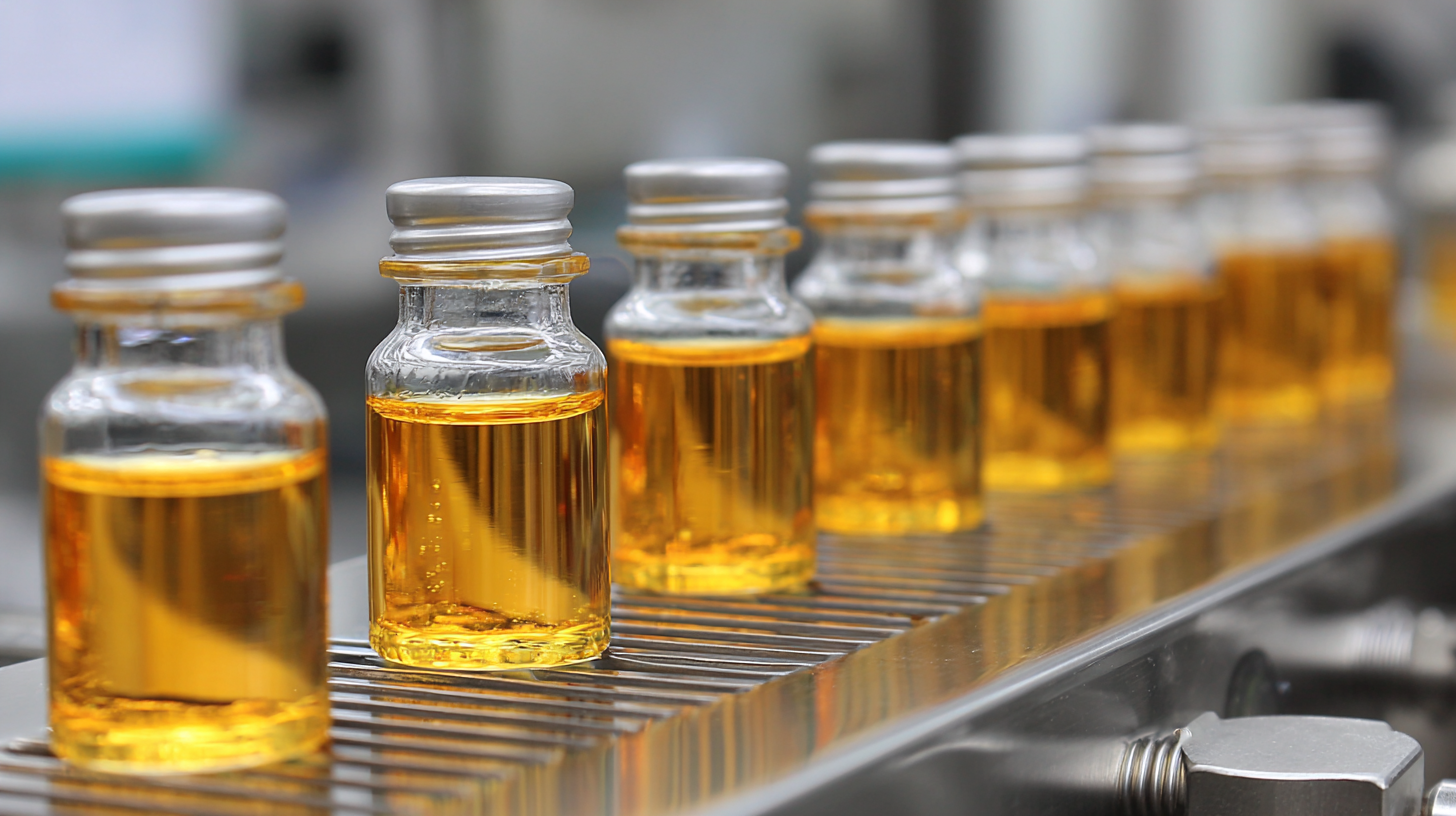
These days, the fermentation industryis really taking off, and the numbers back it up: the global market for Fermentation Agents is projected to reach aboutUSD 47.79 billion by 2028, according to Grand View Research. As food safety concerns and health awareness rise, sectors like food processing, pharmaceuticals, and healthcare are leaning more and more on fermentation agents to improve quality and effectiveness. 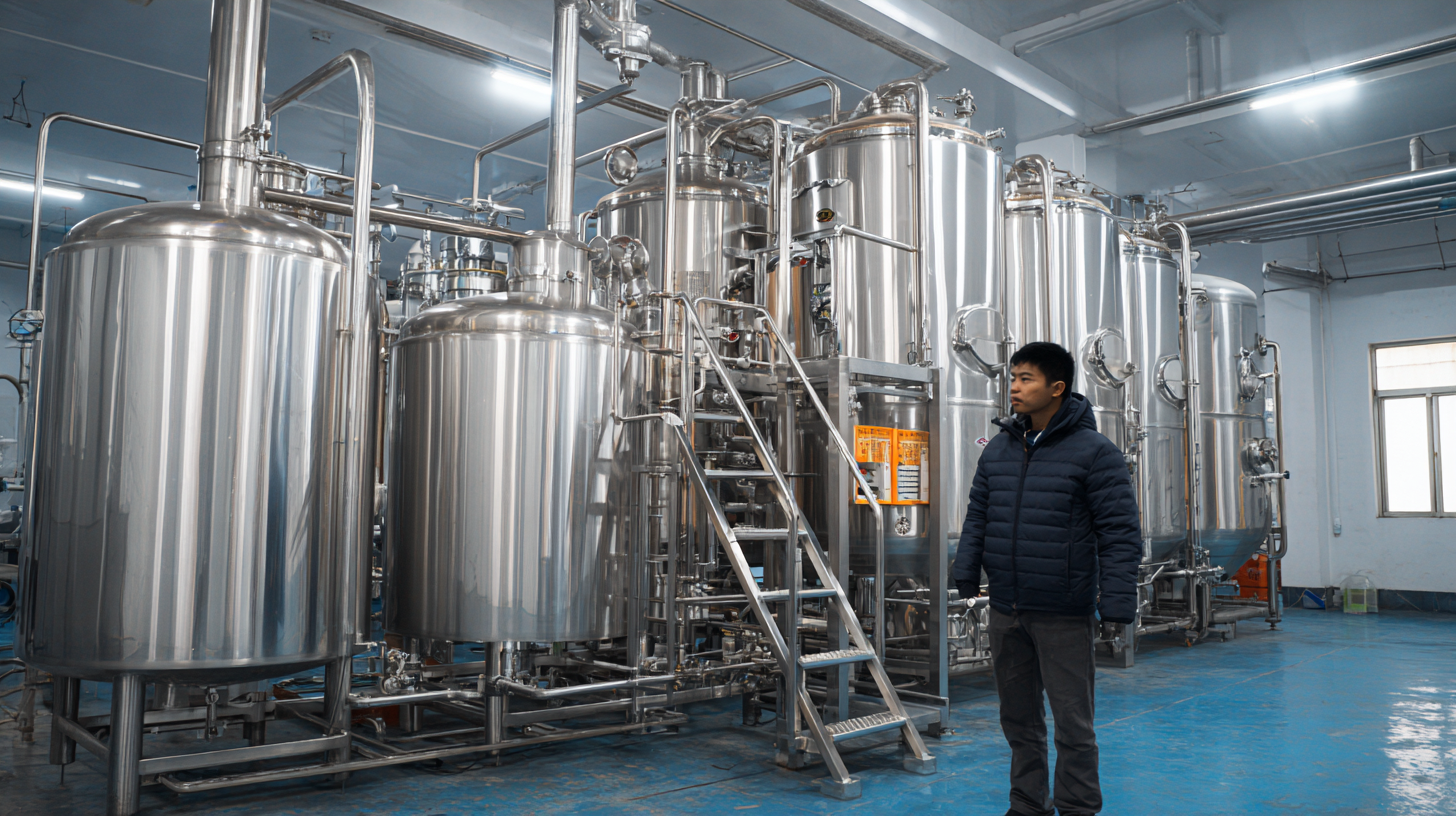 Zhongchuang Yike (Shanghai) Health Technology Co., Ltd. is right at the forefront of this shift, delivering high-quality Probiotics, Postbiotics, and fermentation agents tailored to diverse needs, fromlivestock breeding to agricultural planting. By tackling key industry challenges and upholding the highest standards, we help businesses meet consumer expectations and comply with regulations. In this blog, we'll share practical tips and strategies for selecting the best fermentation agents, to support the market's ongoing drive for innovation and excellence.
The Role of Fermentation Agents in Enhancing Product Quality Across Industries
Across many industries, fermentation agents are becoming a genuinely pivotal part of boosting product quality. A recent Research and Markets report puts the global market for these agents at about $35 billion by 2025, underscoring how important they’re becoming in areas like food and beverages, pharmaceuticals, and even biofuels. Yeast and bacteria aren’t just about flavor and aroma; they also improve the nutritional profile of products. For example, certain Lactobacillus strains in dairy can boost probiotic benefits, which tends to improve how people perceive health and can lift sales.
And there’s more: using the right fermentation agents helps with consistency and shelf life. A study in the International Journal of Food Microbiology found that products fermented with optimal agents showed roughly a 30% increase in shelf stability compared with those without. That kind of improvement matters for manufacturers chasing quality and longevity. As industries keep facing quality assurance challenges and rising consumer expectations, dialing in the right fermentation agents will be key for driving innovation and staying competitive.
Key Challenges Faced by Manufacturers in Selecting Quality Fermentation Agents
Figuring out which fermentation agents to use can be a real headache for manufacturers across different sectors. To get it right, you've got to understand how microbial strains behave—the stakes are high, especially as dairy fermentation advances show that flavor hinges on smart strain screening and controlled aroma. Many producers wrestle with picking strains that not only amp up flavor but also foster metabolic diversity in their products.
Tips: Put strain screening first—evaluate microbes against the flavor profiles you're aiming for and the product specs. Teaming up with research institutions can pay off, offering fresh insights into the latest fermentation tech.
And then there’s silage. The choice of inoculants can make or break fermentation quality, so careful selection matters. For example, self-formulated microbial agents can really boost fermentation when you're working with tough substrates like food waste. It’s a reminder that tailor-made solutions for your exact fermentation needs can lead to noticeable gains in product quality.
Tips: Don't shy away from trying new bacterial agents to tackle particular fermentation challenges. Keeping an eye on recent studies can help speed up the decision-making process when selecting the most effective fermentation agents for your products.
Impact of Fermentation Agent Quality on Consumer Health and Safety Standards
Let's be honest: the quality of fermentation agents matters a lot for health and safety. Fermentation agents, such as yeast, bacteria, and other microbes, play a central role in making sure foods are safe and nutritionally valuable. When these agents are off, fermentation can go off the rails, producing byproducts that can be harmful. Not only does that threaten the food's integrity, it also poses health risks for consumers.
Plus, your choice of agents directly influences flavor, texture, and shelf life. Subpar agents can slow things down or derail these qualities, leaving customers less satisfied and increasing safety concerns. On the flip side, high-quality agents help keep safety standards tight while delivering products that are tasty and dependable.
In a world where health-conscious shoppers are tuning into what they eat, manufacturers should prioritize reliable fermentation agents to earn trust and loyalty. Investing in quality isn't just a box to tick; it supports the overall well-being of people who enjoy the products.
Recent Innovations in Fermentation Technology: Trends and Data Insights
Lately, breakthroughs in fermentation tech are reshaping how industries that rely on microbial processes operate. There’s a clear trend: people want more efficient, tailor-made fermentation agents. These advances not only lift product quality but also boost operational efficiency—crucial for food processing, pharma, and beyond. As companies race to meet tighter quality standards, cutting-edge fermentation techniques have become essential for producing robust probiotics and postbiotics that match specific consumer needs.
Here at Zhongchuang Yike (Shanghai) Health Technology Co., Ltd., we’re staying on the leading edge, offering a wide range of fermentation agents that support everything from healthcare to agriculture. Our commitment to quality means our clients get top-tier probiotics and postbiotics, and in recent years we’ve seen big strides in strain selection and fermentation workflows. These innovations don’t just make products more effective—they align with evolving market demands, helping our partners tackle industry challenges with real confidence. As we keep digging into data insights and spotting emerging trends, we’re more dedicated than ever to delivering state-of-the-art solutions that drive success across multiple sectors.

Comparative Analysis of Traditional vs. Modern Fermentation Agents in Industry
Fermentation is a moving target these days, and picking between traditional and modern fermentation agents is a big deal for quality. Traditional options—wild strains, backyard cultures—have been used for centuries, but they carry risks, especially when it comes to consistency and safety in home-fermented foods. There’s been chatter about the hazards of DIY fermentation, which makes a reliable source of fermentation agents even more important to help mitigate risk.
On the flip side, modern fermentation agents, including genetically optimized strains, bring plenty of upsides. They can boost fermentation efficiency and safety. For example, biotech advances have yielded enzymes that boost flavor profiles while delivering consistent results across large batches. A comparative look suggests modern agents could cut spoilage by up to 30%, pushing industry standards higher.
Tips: When you're considering fermentation agents, check their source and how they’re produced. Look for agents with proven track records backed by solid scientific studies. And remember: keeping the fermentation conditions optimal can really lift the quality of the final product, so make sure your environment supports the process.
Comparative Analysis of Traditional vs. Modern Fermentation Agents
Case Studies: Successful Overcoming of Challenges Through Quality Fermentation Solutions
In the fast-changing world of food and beverage production, many businesses wrestle with fermentation-related challenges. But a number of companies have found a way forward by choosing high-quality fermentation agents. Take a craft brewery, for example: they were battling inconsistent flavor profiles that hurt their brand. By switching to specialized yeast strains known for their robustness and flavor-enhancing powers, they not only got a handle on quality control but also expanded their lineup, which translated into happier customers and stronger loyalty.
A second example comes from the dairy sector: a cheese maker dealing with production delays caused by inefficient fermentation. After digging into options, they adopted a new bacterial starter culture with solid evidence of speeding up fermentation. The result? Less downtime, plus better-tasting, better-textured cheese, and a noticeable lift in sales. These stories show how critical good fermentation solutions can be for overcoming hurdles and building long-term success.
FAQS
: Fermentation agents, such as yeast and bacteria, are crucial for enhancing flavor, aroma, and nutritional quality in products across various industries, including food, pharmaceuticals, and biofuels.
The global market for fermentation agents is projected to reach USD 35 billion by 2025, indicating their increasing importance in multiple sectors.
Studies have shown that products fermented with optimal agents can have up to a 30% increase in shelf stability, which is vital for meeting consumer demand for quality and longevity.
Recent innovations include the development of more efficient and tailored fermentation agents that enhance product quality and operational efficiency, particularly in food processing and pharmaceuticals.
Modern fermentation agents, such as genetically optimized strains, improve fermentation efficiency and product safety, potentially reducing spoilage rates by up to 30% compared to traditional agents.
Consumers should evaluate the source and production methods of fermentation agents, ensuring they have proven track records supported by scientific studies.
Advanced fermentation techniques enable the production of robust probiotics and postbiotics that cater to specific consumer needs, thus enhancing product effectiveness.
Maintaining optimal fermentation conditions is crucial as it significantly enhances the quality of the end product.
Traditional fermentation methods, such as those using wild strains from home, can pose risks related to consistency and safety, emphasizing the need for reliable fermentation agent sources.
Zhongchuang Yike is committed to offering a diverse range of fermentation agents and has made significant technological improvements in strain selection and fermentation processes.