
Leave Your Message
Recent advances in microbiome scopes have given importance to Postbiotic Powder as a label of metabolic byproducts which are produced by probiotics during fermentation. Growing consumer interest in functional foods for promoting health makes the global market projection for Postbiotics reach up to $ 1.7 billion by 2027, growing with a CAGR of more than 12% (Market Research Future, 2022). This emerging demand underscores the requirement for food and beverage manufacturers to look for novel product formulations using postbiotics.
In fact, Zhongchuang Yike (Shanghai) Health Technology Co., Ltd. is in this growing market with high-quality products on probiotics, postbiotics, and fermentation agents for diversified industries. Accumulated knowledge in health technology enables us to meet the needs of industries like food processing, pharmaceuticals, and healthcare in direct evolution. In addition, many common challenges have to be addressed concerning application of Postbiotics Powder. By addressing these issues, we can increase product efficiency and consumer acceptance leading to a healthier future.

Postbiotics are the metabolic byproducts that arise from the fermentation of probiotics, but nowadays, they are grabbing a lot of attention due to their health impacts in the food and beverage industry. According to the definition, postbiotics are non-viable microbial products which include short-chain fatty acids, proteins, or metabolites and can render health benefits when consumed without live microorganisms. As per a report from Grand View Research, it was estimated that the global post-biotic market would grow to USD 1.2 billion by 2028 projecting an increase from consumer interest towards functional foods. Evidently, the advantages of postbiotics are unmasked by the new discoveries in research that evidence their roles in gut health, immune support, and anti-inflammatory properties. For example, a publication that organizes the study in the journal "Nutrients" observes that postbiotics can enhance the barrier function of the gut-bowel, potentially decreasing the likelihood of developing a gastrointestinal disorder. Other ways of protecting against pathogens, as well as possible modulations of immune responses, align with future health trends that favor preventive approaches. Given that consumers are becoming more health conscious, new demand arises for those products. Postbiotic fortification in food and beverage applications thus creates unique opportunities and challenges. Companies are collaborating in developing novel formulations for postbiotics that can increasingly bioavailable and stable. As the regulatory landscape progresses into the future, the labyrinth of myriad concerns regarding labeling and health claims must be negotiated by manufacturers to successfully market products. This ongoing revolution creates a great opportunity for brands to differentiate themselves in the market against competitors by capitalizing on the health benefits of postbiotics.
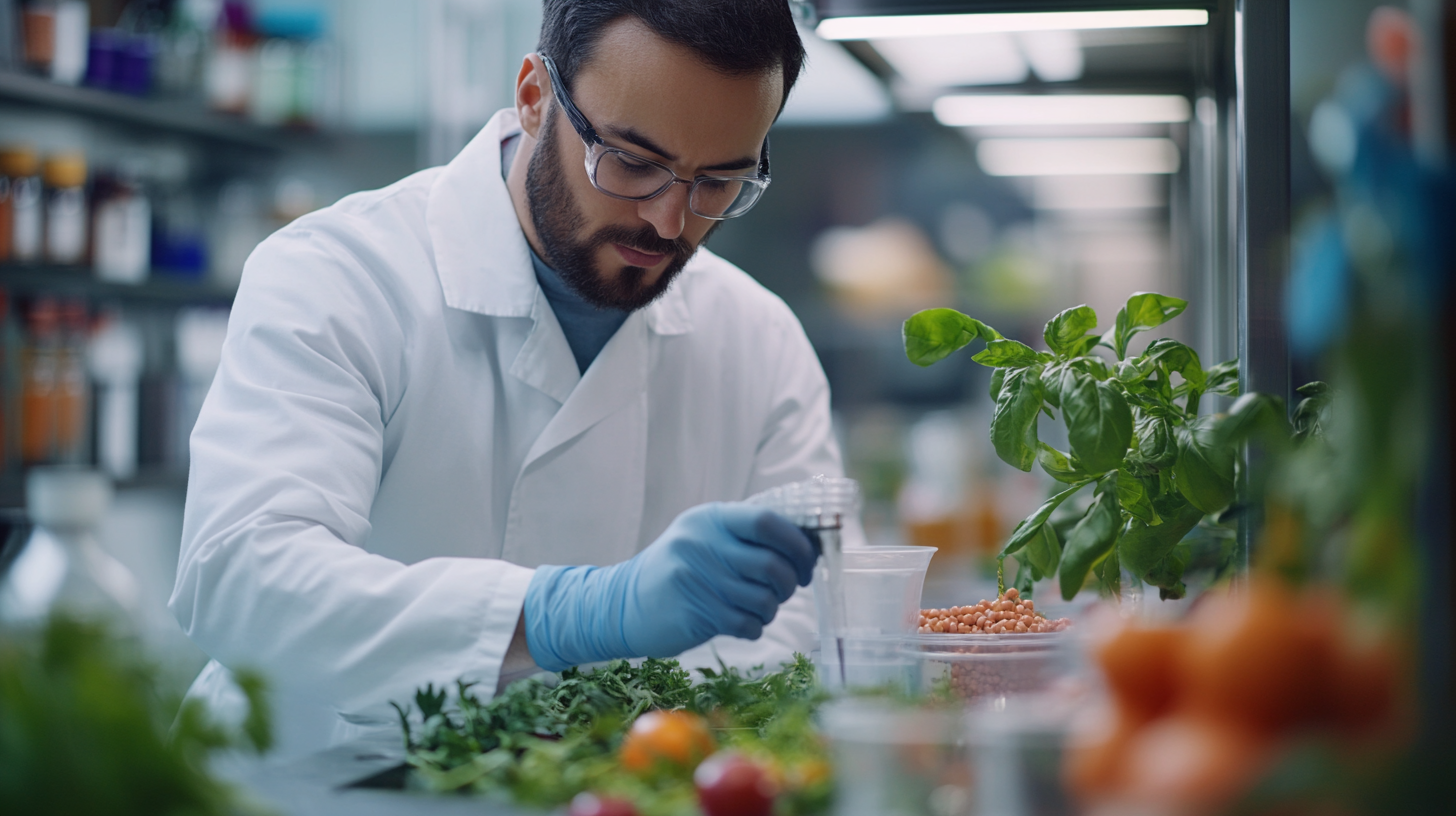
Postbiotics present an almost untapped area in food science that have fascinating advantages beyond the known probiotics and prebiotics. Postbiotics are defined as bioactive compounds produced by probiotic microorganisms during fermentation, wherein they help in flavor enhancement, storage preservation, and health benefits. As projected by Grand View Report, the global postbiotics market is expected to touch about $1.4 billion by 2028, which corresponds to an annual growth of 13.7%. Such growth suggests increasing interest in the application of postbiotics to food and beverages.
In the science of postbiotics, the working mechanism goes deeply into food systems at molecular levels. During fermentation, live microorganisms ameliorate organic materials, leading to the formation of several metabolites, among which organic acids, peptides, and polysaccharides join the ranks. These compounds not only help to improve the sensory profile of the food products but also act as natural preservatives, therefore reducing the use of synthetic food additives. Postbiotic compositions inhibit pathogenic bacteria while allowing beneficial microorganisms to survive, thus, in the opinion of a study conducted by the International Journal of Food Science, improve the overall microbiological quality of food systems.
With definite health effects such as gut health improvement and immune modulation, the incorporation of postbiotics into functional-food products may provide health benefits. The potential protection against gastrointestinal disorders and aiding metabolic health are considerations mentioned by the Journal of Functional Foods. This place of balance between food safety and health benefits indeed marks postbiotics as a major player in the future innovations in food, with manufacturers eager to respond to the emerging health and nutritional demands of consumers while combating stability and bioavailability issues for application in food and beverages.

The incorporation of postbiotics into food and beverage products provides additional challenges for manufacturers that can be mediated to fully exploit their virtues. Postbiotics, which refer to byproducts of probiotic fermentation that include short-chain fatty acids, can enhance the safety of food products and promote human health through inhibition of pathogenic bacteria and modulation of immune responses. However, their successful incorporation into food products can be constrained by stability, sensory aspects, and acceptance among consumers.
Recent reports indicate that postbiotics from strains such as Streptococcus thermophilus and LactoBacillus delbrueckii subsp. can greatly improve the functional properties of yogurt. For instance, the postbiotics were found to be effective in the modulation of gut microbiota and may deliver better effects in some specific applications as opposed to traditional probiotics, which was illustrated by stronger modulatory effects in clinical studies. However, sensory attributes that may not be associated with positive consumer preference remain a challenge to overcome and possibly warrant some level of further research and innovation in formulation.
With market reports illustrating the exponentially fast-growing area of development of postbiotic supplements, this sector is expected to experience growth in demand between 2024 and 2032. Increased growth indicates consumer awareness of gut health and the demand for products that promote overall wellness. In terms of market success, postbiotic-centered brands must concentrate on the health perspectives and simultaneously develop appealing and palatable products that target health-conscious consumers.
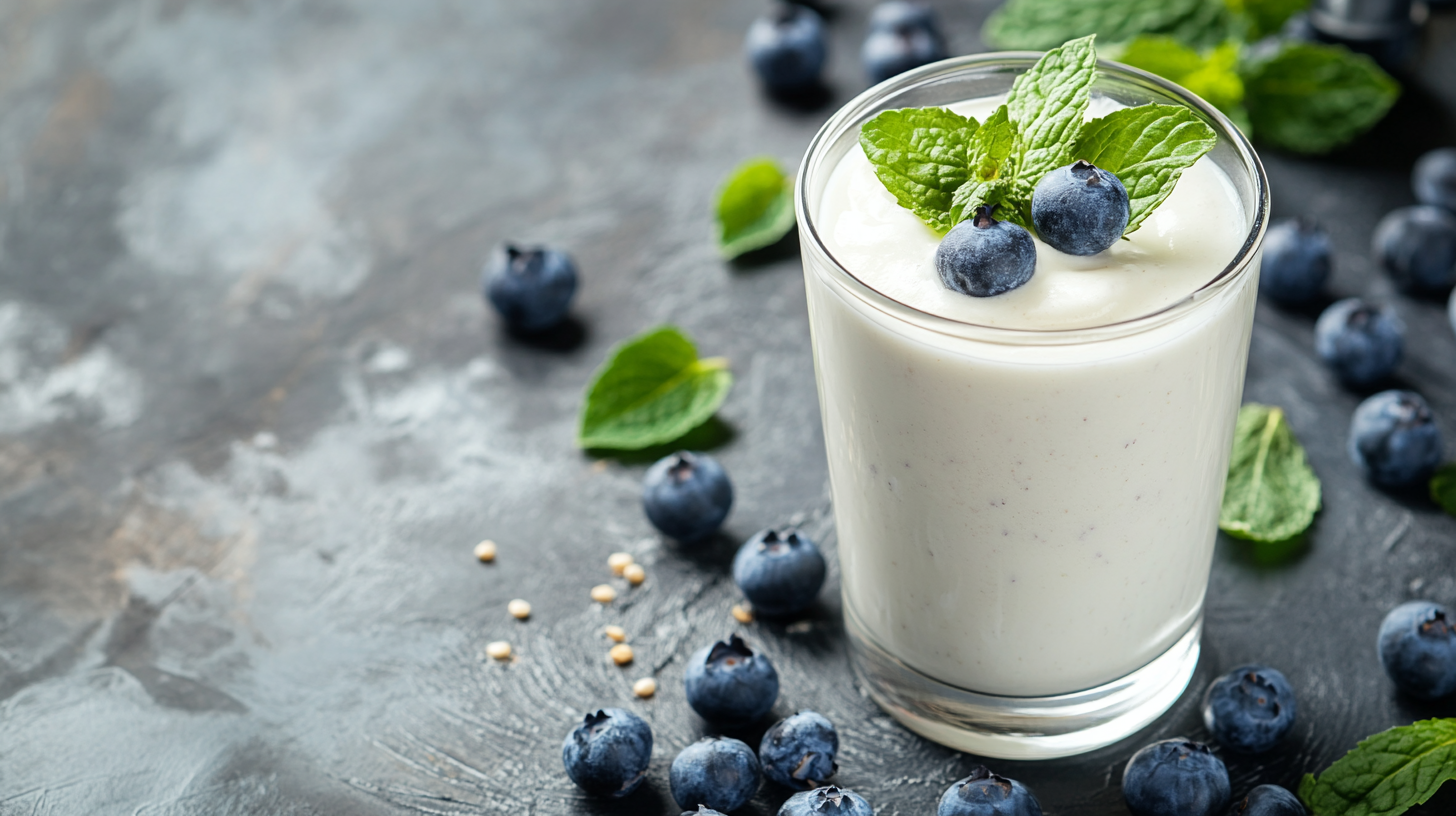
The growing interest in postbiotics has opened up new avenues for innovation in incorporating these functional ingredients into foods and beverages, especially in the beverage segment. As the global postbiotics market is expected to be about USD 89 million by 2026, manufacturers can look for an opportunity in consumer demand for health-promoting products. The byproducts of probiotic activity, the so-called postbiotics, promise to gain popularity for beverage formulations due to their healthy benefits of gut functioning and immune boosting.
Thus, the emerging development, such as postbiotics powders integrated easily into numerous bev types while taking care of taste and stability, is one revolutionizing this segment. Products such as the new "HASKO"-a lotus root powder offering high nutrient density and appropriate for maternity food-stand at the site of such examples. It shows how new formulations can be responsive in "dietary angles"-while being attached to postbiotic advantages. This works with the Nurtition Business Journal's findings-increasingly consumers are seeking thirst quenching, functional beverages.
Moreover, a major factor that would be very vital in the process is the technology associated with encapsulation methods that protect postbiotics from degradation during processing. Innova Market Insights study indicated that 62% of consumers want products for gut health; beverages with postbiotics could take advantage of a growing demand for health-related products. Beverage makers will have to avoid most of the obstacles associated with the integration of postbiotics into formulations so they can be opened up to prospective new markets and health-conscious consumers.
For the last years, postbiotics have created a space within the development of food and beverages, not only for their potential health benefits but also for enhancing the stability of products. Essentially byproducts of probiotic metabolism, postbiotics provide a number of advantages over live probiotics, such as longer shelf life and stability under different processing conditions, therefore making them especially useful to manufacturers during this phase when there is increasing demand for health-oriented products.
Food and beverage developers should consider effective formulation strategies as the playing field becomes more diverse, especially with new entrants, like recently with a latest fermented beverage from Korea, which will now tap into the Chinese market. Postbiotic powders can help overcome some of the common hurdles encountered in case applications-by achieving desirable taste profiles and product integrity-with optimizing the formulation process to produce products that cater to consumer wants but also functional health benefits.
Postbiotic formation can only be perfected with a thorough knowledge and understanding of postbiotic properties and characteristics related to interaction with other ingredients. Innovative techniques including microencapsulation and targeted process of release will synergize the potency of postbiotics in end products. Creating worth category differentiated products in a highly competitive market as the industry transforms towards health consciousness could be an advantage by exploiting the potency of postbiotic powders.
Enormous potential to improve health benefits and efficacy of products results from using postbiotics in food and beverage applications. It is extremely difficult for the manufacturers and developers to walk through the regulation challenge. According to Allied Market Research, the global postbiotics market is projected to reach $1.3 billion by 2027 owing to increasing awareness of health and wellness among consumers. Companies, however, face different regulations across regions, which substantially affects the timelines of product development and entry strategy into the market.
In the European Union, for instance, postbiotics are categorized under different legislation from probiotics and prebiotics. The European Food Safety Authority (EFSA) requires very substantial scientific evidence of any health claims and evaluations of safety that may add to the complexity of gaining approval for any new formulations. Also, labeling regulations further complicate things by requiring a clear message concerning benefits and ingredients. It adds one more load that businesses have to carry to differentiate products in a crowded market.
In the United States, there is no clear guideline on postbiotics from the FDA, and hence companies have to navigate general food additive regulations. As per reports derived from the International Journal of Food Science, it takes years of effort for an ingredient or substance to achieve GRAS status for postbiotics, and this can generally deter innovation. As the scope for postbiotics' market continues to grow, it would be well worth the investment in strong regulators concerning their usage in the food and beverage sectors.
Increased knowledge about gut health has likewise led to the innovation of some new products in the food and beverage industry, one of which is postbiotics. Such bioactive compounds are formed after a fermentation process with probiotics and have great potentials in the promotion of health. But for them to be widely accepted, their consumer acceptance is the most important challenge to overcome. As noted in the Grand View Research report in 2022, the postbiotics market worldwide is growing at a massive opportunity reaching $1.24 billion by the end of 2028, which could be created by educating the market properly.
There is an urgent need for educating consumers on the benefits of postbiotics. Many still confuse postbiotics with probiotics or prebiotics, which adds to market confusion. Innova Market Insights declared that over 60% of consumers are unaware of postbiotics, which highlights an incredible knowledge gap. Through education campaigns, brands should work on demystifying these compounds by sharing their benefits regarding gut health support, immunity boosting, and inflammation reduction with the general public. A powerful tool for this knowledge expansion can be the social media, webinars, and package information.
Furthermore, engaging with healthcare practitioners will also increase credibility in the eyes of consumers. According to the New Hope Network survey in 2023, 70% of consumers are more likely to try a new health product if their healthcare practitioner recommends it. Partnering with nutritionists and wellness influencers will help brands bolster advertising efforts to further the understanding of postbiotics, leading to increased awareness and acceptance in a saturated market. This knowledge base built along that road will be very important in addressing concerns and making provisions for the acceptance of postbiotics into the mainstream food and beverage sector.
The increasing need for health and wellness products has heralded a new era in food and beverage applications when considering postbiotics. Postbiotics, as the metabolic by-products of probiotics, have many bioactive compounds with immense health benefits, which are being recognized very recently. As more and more consumers try to find means to enhance their immune systems and gut health, postbiotics gain a more relevant role in functional foods and beverages.
One obvious trend is that these postbiotics are being used in beverage formulation. With the new technological advancements, manufacturers can now incorporate the different kinds of postbiotics into drinks ranging from functional smoothies to enhanced teas and fermented products. Such drinks not only support digestive health but also accommodate the consumers' need for transparency and clean labels. Growing awareness around postbiotics means growing opportunities for brands to differentiate themselves in a crowded marketplace.
Amid the following trend that promotes overall wellness, including mental health support, stands postbiotic-rich supplements. More and more research is pointing toward the connection between gut health and mood regulation, suggesting the potential of postbiotics in emotional wellbeing. Brands hoping to harness this trend can therefore develop products that combine postbiotics with other health-promoting ingredients and satisfy the holistic health market's desires. This assures that the role of postbiotics in health and wellness products will see a boom and provide a platform for formulating innovative products tailored to health-conscious consumers.
Postbiotics are byproducts of probiotic fermentation, including compounds like short-chain fatty acids, which can enhance food safety and improve human health. They differ from probiotics, which are live microorganisms that provide health benefits.
Manufacturers encounter challenges such as stability, sensory qualities, and consumer acceptance that can hinder the successful incorporation of postbiotics into food and beverage products.
Postbiotics may provide superior benefits in specific applications, such as stronger modulatory effects on gut microbiota, as evidenced in clinical studies, potentially enhancing product functionality.
Educating consumers about the benefits of postbiotics and clarifying their role in gut health, immunity, and inflammation can enhance acceptance. Campaigns through social media, webinars, and informative packaging are effective strategies.
According to a 2022 report, the global postbiotics market is expected to reach $1.24 billion by 2028, indicating significant growth potential due to rising consumer awareness of gut health.
Many consumers confuse postbiotics with probiotics and prebiotics, creating a knowledge gap. Increased awareness and understanding can lead to higher acceptance and adoption of postbiotic products.
Brands can enhance credibility by engaging healthcare professionals in educational efforts, as consumers are more likely to try products recommended by healthcare practitioners.
Social media and partnerships with wellness influencers can effectively communicate the health benefits of postbiotics, thus educating consumers and driving market acceptance.
Innovative formulation strategies aimed at addressing sensory attributes and consumer preferences are essential for the successful integration and market acceptance of postbiotic products.
Brands need to highlight both the health benefits of postbiotics and ensure that the products are appealing and palatable to resonate with health-conscious consumers.


