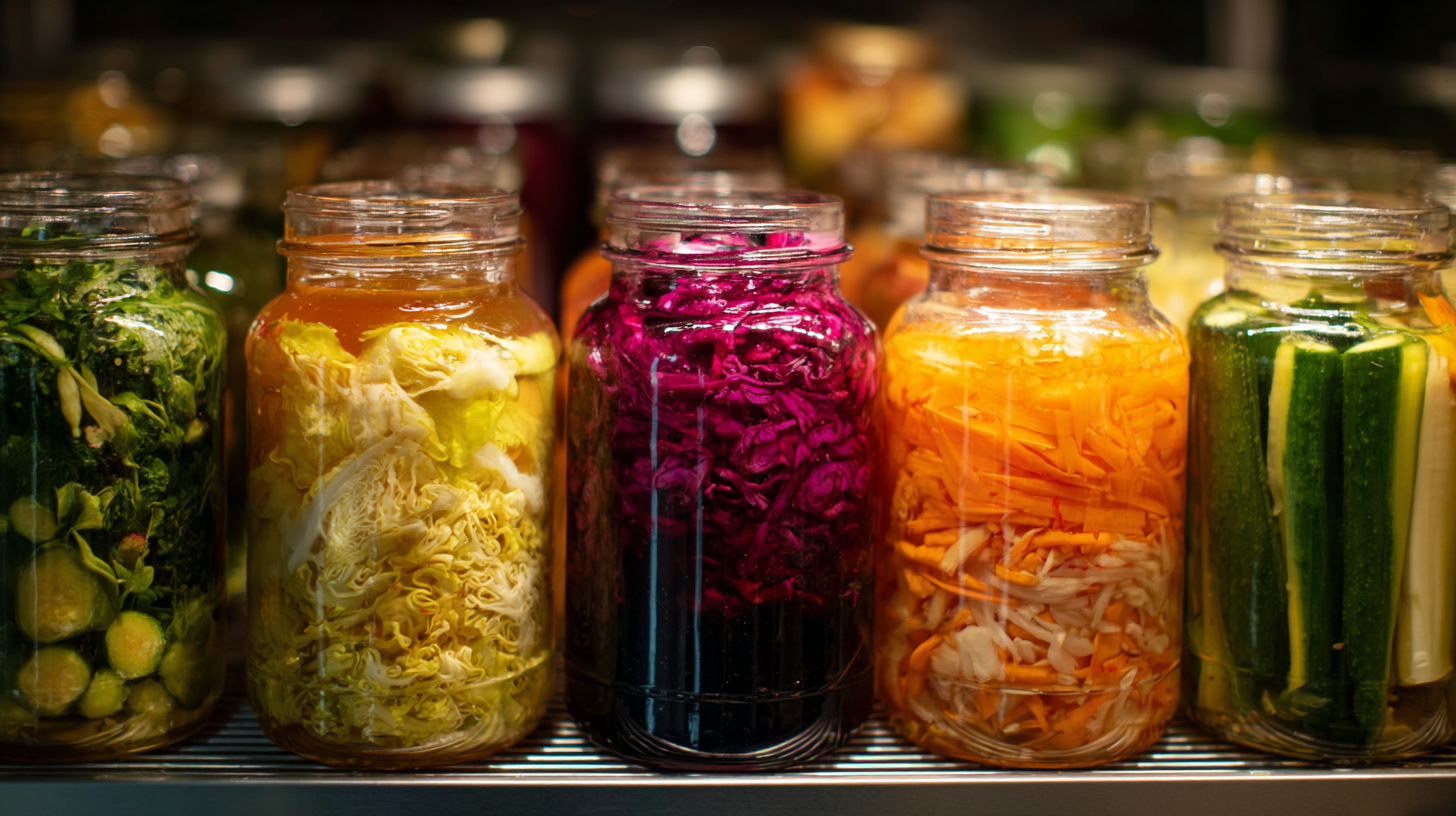
Lately, the global market for Fermentation Starter cultures has really been booming. It's mostly because more and more people are craving probiotic-rich foods and supplements—sounds familiar, right? A report from Research and Marketseven predicts that the worldwide Probiotics market could hit around$77 billion by 2026, with a pretty big chunk coming from fermentation starter cultures. At Zhongchuang Yike (Shanghai) Health Technology Co., Ltd., we truly get how important these cultures are—not just for food processing but also for pharmaceuticals—since they boost product quality and boost nutritional value. If you’re thinking about your sourcing strategy, adding fermentation starter cultures could be a game changer. They bring so many benefits—like longer shelf life, better flavor, and even health perks—that can really help your products stand out in this busy market.
The Rise of Fermentation Startups: 30% Market Growth in the Past 5 Years
You know, the rise of fermentation startups really isn't coincidence—it's got a lot to do with a solid 30% growth in the market over the last five years. They've turned into pretty important players in the global sourcing scene. Even when investment in agri-tech has been a bit rocky or hesitant, these startups keep shining and catching people's attention, mainly because more and more consumers are craving sustainable food options. Investors? They're getting more interested in fermentation tech because it hits a couple of big trends—being healthy and fighting climate change at the same time.
Come 2024, things are shifting pretty interestingly in the food and climate tech worlds. Startups working on fermentation and alternative ingredients are actually getting pretty decent funding, even though the overall market's been up and down. Recent reports say that in Europe alone, climate-focused food tech grabbed about $2 billion last year—that’s over half of what’s being invested worldwide! All this money flowing in really shows how much potential there is in fermentation-based innovations. Even during uncertain financial times, the hunger for sustainable solutions stays strong, making fermentation starter cultures a pretty compelling option for sourcing needs.
Global Fermentation Market Growth (2018-2023)
This chart illustrates the significant growth of the global fermentation market from 2018 to 2023, reflecting an upward trend in the adoption of fermentation starter cultures. With a projected 35% growth in 2023, the industry is rapidly evolving, driven by the rise of fermentation startups.
Understanding the Probiotic Market: Projected $70 Billion by 2025
The probiotic market is really on a crazy upswing, and it’s expected to hit around $70 billion by 2025. A lot of this growth is thanks to folks becoming more aware of how important digestive health is, plus the rising craze for fermented foods and supplements. As more people start putting gut health front and center, brands are racing to keep up with the demand. That’s where fermentation starter cultures come in—they’re a hot commodity worldwide, not just because they support the booming probiotics industry, but also because they add all sorts of unique flavors and health perks to a variety of products.
Tip: When you're sourcing fermentation starter cultures, try to partner up with suppliers who focus on quality and transparency. That way, you’ll be able to offer products that really connect with folks who are into health and wellness.
The rise of online shopping has really turbocharged this market, too. With so many people turning to e-commerce as their go-to for health products, being able to market yourself digitally is more important than ever. Reaching a global audience isn’t just a dream anymore; it’s totally doable, and it can really help boost your sales.
Tip: Make use of social media to teach your customers about the benefits of probiotics and fermentation starter cultures. Crafting engaging content can help you build a loyal community that genuinely cares about your brand’s focus on health and wellness.
Cost Efficiency: How Starter Cultures Reduce Production Costs by 15%
In today’s super competitive market, companies are always on the lookout for ways to make their production more efficient and cut costs. One pretty smart approach is using fermentation starter cultures. These are specialized strains of bacteria or yeast that not only help improve the quality of the final product but also make the whole production process smoother and faster. The cool part? They can reduce overall costs by up to 15%, which is a huge deal for businesses trying to boost their profits.
Cost savings really become crucial, especially when you're sourcing ingredients from all over the world. By incorporating these starter cultures, manufacturers can cut back on some pricey ingredients—stuff you'd normally need for flavor or preservation. Plus, with faster fermentation times, the entire cycle shifts into overdrive, meaning less labor and quicker turnaround. And let's not forget the consistency they bring—leading to fewer rejected batches and fewer headaches during quality checks. Overall, jumping on the fermentation culture bandwagon might just be the game-changer businesses need to save money and improve product quality in today’s fast-paced market.
Quality Assurance: Ensuring Consistent Fermentation with 50% Less Variation
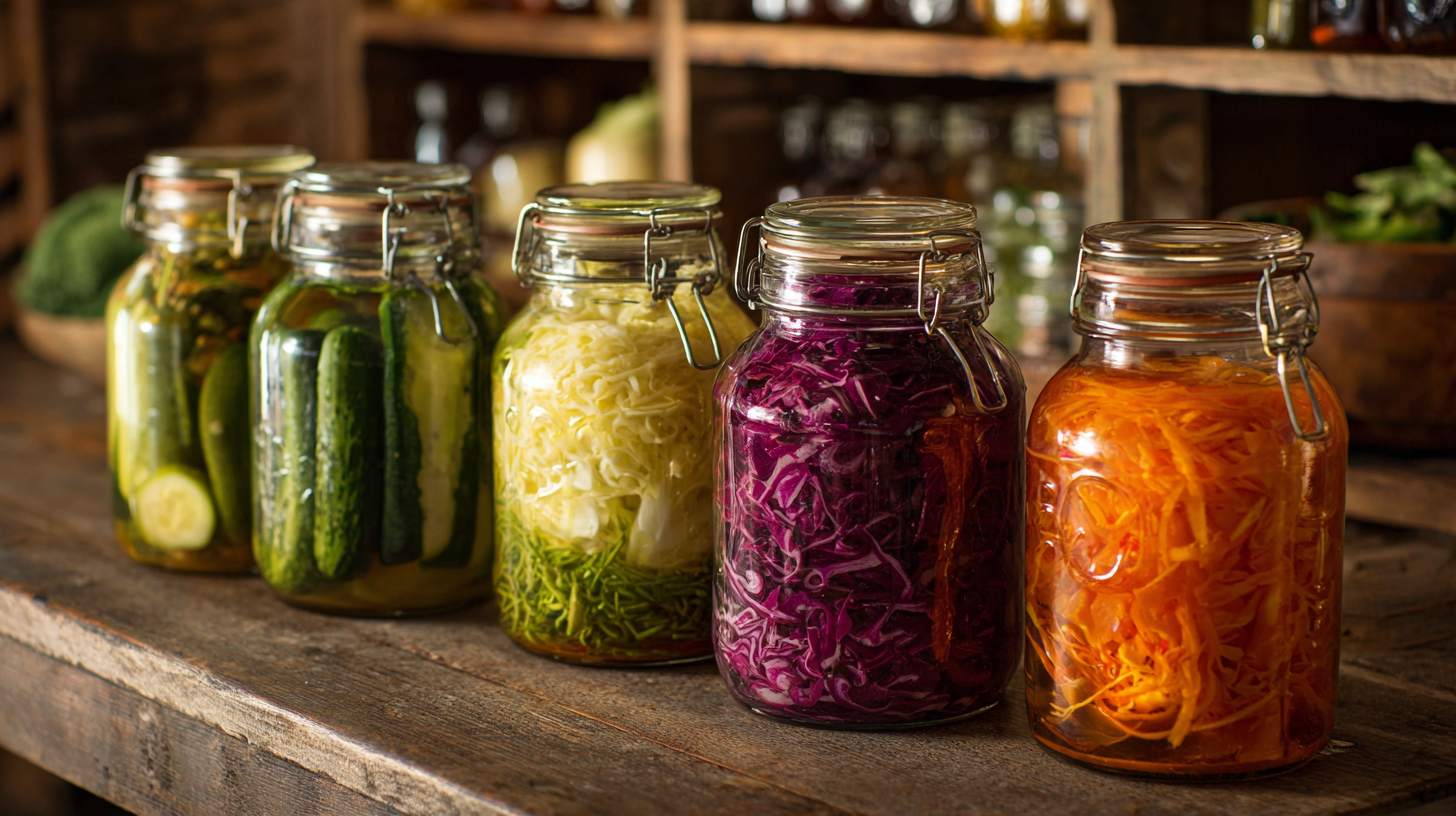
When you're talking about fermentation, consistency really is the name of the game. Using fermentation starter cultures makes a huge difference—think of them as a steady, reliable little team of microorganisms that help keep things on track. They can cut down the variability in results by up to 50%, which is pretty impressive. Not only does this mean the flavors stay more consistent and tasty, but it also helps build trust with customers because they know what to expect every time.
Plus, incorporating these starter cultures really makes life easier in the production line. By reducing the chances of batch-to-batch differences, companies can fine-tune their operations and even ramp up production without sacrificing quality. That kind of reliability is super important, especially when you're looking to jump into international markets where folks expect things to be uniform. As more producers start using these cultures, they can make sure their products meet all those strict global standards, giving them a real edge in a pretty competitive, diverse marketplace.
Global Demand: Key Trends Driving Fermentation Starter Cultures in 2023
Hey, so it turns out that the global demand for fermentation starter cultures is really exploding right now—it's pretty exciting stuff! According to a recent report from Allied Market Research, the whole fermentation market is expected to hit around $722.91 billion by 2028. That's a solid growth rate of about 8.9% annually since 2021. A big reason for this boom? People are becoming way more into fermented foods, not just because they taste good, but because they’re seen as healthier options packed with probiotics and all those good nutrients. Things like yogurt, kefir, and kombucha are really taking off, and honestly, it feels like everyone’s looking for foods that are both tasty and good for them, you know?
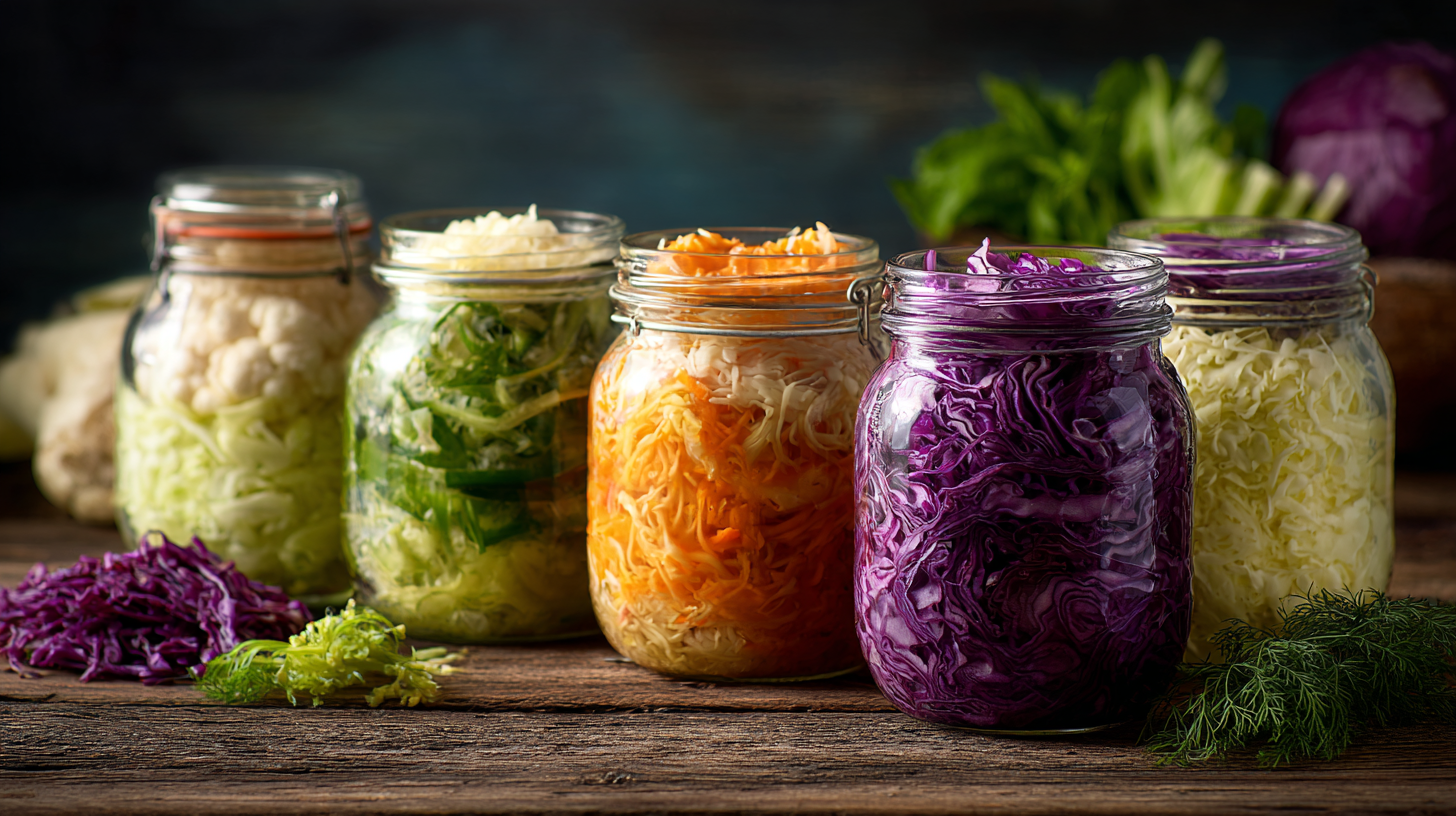
On top of that, the rise of plant-based diets is pushing the fermentation scene to get even more creative. I read in a recent report from ResearchAndMarkets that enzymes made through fermentation are super important for creating plant-based stuff like vegan cheese and meat alternatives. And wow, these markets are growing fast! This shift toward more sustainable and health-focused foods just highlights how crucial fermentation is when it comes to meeting global nutritional demands. As companies keep searching for ways to use starter cultures to boost flavor and quality, it looks like this industry is only going to keep thriving in this ever-changing landscape.
Health Benefits: 70% of Consumers Prefer Fermented Products for Wellness
Today’s health-conscious market is really driving up the popularity of fermented foods—did you know that around 70% of folks are actively hunting for these products because of their wellness perks? Things like yogurt, kefir, and kombucha aren’t just tasty; they actually help with gut health, digestion, and can boost your immune system too. Because of these benefits, it’s becoming super smart for businesses to focus on sourcing good fermentation starter cultures—they’re a key part of meeting what consumers are craving right now.
When you're picking out starter cultures for your products, don't forget—quality is everything. It’s a good idea to go with trusted suppliers who offer well-researched and tested cultures to keep things consistent. Also, if you want to level up, take some time to teach your team about fermentation—getting the science behind it can really help you craft better marketing stories and connect more with your customers.
And here’s a fun tip: don’t be afraid to experiment with different types of cultures. Mixing things up can help you reach more people—maybe even find a niche in plant-based or gluten-free markets. Highlight these benefits on your branding, and you’ll not only attract health-conscious buyers but also position your company as a legit leader in the world of fermented foods.
5 Compelling Reasons to Choose Fermentation Starter Cultures for Your Global Sourcing Needs
| Reason | Health Benefit | Consumer Preference (%) | Growth in Market Size (2020-2025) |
| Enhanced Nutritional Profile | Rich in probiotics and enzymes | 70% | 16% |
| Improved Digestive Health | Aids in digestion and gut health | 68% | 14% |
| Supports Immune Function | Boosts overall immunity | 65% | 18% |
| Reduced Risk of Chronic Diseases | May lower the risk of certain diseases | 60% | 20% |
| Promotes Mental Well-being | Linked to better mood and mental health | 55% | 12% |
Homemade Deliciousness: Elevate Your Yogurt with Yo-ZC912 Starter Culture
Creating yogurt at home can be a rewarding and delicious endeavor, especially when you choose the right starter culture to enhance its flavor and texture. The Yo-ZC912 Starter Culture is an excellent choice for anyone looking to elevate their homemade yogurt. This starter culture consists of specific lactic acid bacteria that play a crucial role in the fermentation process, converting lactose in milk into the lactic acid that gives yogurt its signature tanginess. By using the Yo-ZC912, you can achieve that perfect balance of creaminess and acidity that is often sought after in store-bought yogurts.
To make the best use of the Yo-ZC912 Starter Culture, it's essential to maintain an optimal fermentation environment. The ideal temperature for the growth of these beneficial bacteria is between 42-45°C. With proper temperature control, the fermentation process will thrive, typically lasting anywhere from 4 to 12 hours, depending on your preferred yogurt thickness and flavor profile. Experimenting with different fermentation times can be a fun way to discover your personal taste, resulting in yogurt that is uniquely yours.
Whether you are new to yogurt-making or a seasoned pro, incorporating the Yo-ZC912 Starter Culture into your routine can take your homemade yogurt to the next level, ensuring a delightful experience with every batch.
FAQS
: Fermentation starter cultures are specialized bacterial or yeast strains used to enhance product quality and streamline production processes.
Implementing fermentation starter cultures can lower production expenses by as much as 15%.
They can reduce the need for expensive ingredients, facilitate faster fermentation times, shorten production cycles, and decrease labor costs.
70% of consumers prefer fermented products for their wellness benefits, including improved gut health, digestion, and immunity.
Businesses should prioritize quality by looking for reputable suppliers that provide well-researched and tested cultures.
Educating the team on the science behind fermentation can enhance marketing messages and improve consumer engagement.
Companies can experiment with different types of fermentation cultures to cater to broader audiences and niche markets like plant-based or gluten-free consumers.
Emphasizing the health benefits of fermented products in branding can attract health-conscious consumers and establish the company as a market leader.
Conclusion
Lately, the fermentation industry has really been booming. You see a lot of startups popping up, and over the past five years, the market has grown by about 30%. It’s pretty exciting, honestly. Experts are predicting it’ll hit a whopping $70 billion by 2025 — talk about growth! The probiotic side of things is especially hot right now, with around 70% of folks saying they choose fermented products mainly for their health perks. If companies start using Fermentation Starter Cultures, they could see about a 15% drop in production costs. Plus, it helps keep the quality consistent—reducing fermentation variation by roughly half.