Picking out the right Fermentation Starter Culture can actually feel pretty overwhelming, I won't lie. With so many options out there, it's easy to get lost in the shuffle. Each type of culture has its own quirks and characteristics, and those little differences can really make or break your fermentation results.
When you're choosing a Starter Culture, it’s good to think about what you’re actually aiming for. Are you planning to make yogurt, cheese, or maybe some fermented veggies? Because honestly, each one needs a specific kind of culture. Also, some cultures do better in warmer temps, while others like it cooler. So yeah, a bit of research goes a long way—you don’t want to assume all cultures are created equal.
And don’t forget about quality! It’s smart to go for reputable brands like Culturelle or Start Culture Co. Their products usually come with plenty of info to help you make an informed choice. But here’s the thing—just because a brand is well-known doesn’t mean it’s perfect for everyone. Sometimes, you just gotta experiment and tweak things as you go. Embrace the little imperfections along the way; it’s all part of learning and improving your fermentation game. Over time, you’ll figure out what works best for you, and your results will just keep getting better.
Understanding Fermentation Starter Cultures: An Overview
Fermentation Starter cultures play a crucial role in the fermentation process. They consist of specific microorganisms that kickstart fermentation in foods like yogurt or sauerkraut. Choosing the right culture can significantly impact flavor, texture, and nutritional value. Understanding how these cultures work can enhance your fermentation experience.
When selecting a fermentation starter, consider the type of food you are making. Different cultures produce distinct flavors and textures. For instance, lactic acid bacteria are essential for dairy products. Yeasts, on the other hand, are often used in bread and alcoholic beverages. Pay attention to the fermentation temperature, as it can influence the activity of the microorganisms involved. A warm environment may encourage yeast activity, while cooler temperatures can promote bacteria growth.
Also, reflect on the desired outcome of your fermentation. Some cultures may require longer fermentation times. This can be a journey toward perfecting your recipe. Expect variations in results, especially with new starter cultures. It's essential to document your processes and outcomes for future reference. Understanding the nuances of fermentation can lead to successful and satisfying results over time.
Types of Fermentation Starter Cultures and Their Uses
Selecting the right fermentation starter culture is crucial for successful fermentation. Various types of cultures can lead to different flavors and textures in your final product. There are primarily two types of starter cultures: wild and cultivated. Wild cultures rely on naturally occurring microorganisms, while cultivated cultures involve specific strains selected for consistency and performance.
For instance, LactoBacillus is a popular strain for yogurt and kefir. It benefits from a controlled process, ensuring the right fermentation conditions. Research indicates that yogurt made with targeted starter cultures contains higher probiotic levels, enhancing gut health. Conversely, wild cultures, like those in sourdough, can be unique. They provide complex flavors but can lead to unpredictable results; a factor that encourages creativity in fermentation practices.
You might experience challenges when relying solely on wild starter culture. Variability in temperature or ingredient quality can alter outcomes. Experienced fermenters often mix methods, utilizing both Starter Culture And Fermentation techniques. This approach ensures reliability while embracing the unique flavors that wild cultures can offer. Exploring various starter cultures allows for experimentation and personal adaptation in your fermentation journey.
Types of Fermentation Starter Cultures and Their Uses
This chart illustrates the different types of fermentation starter cultures and their common uses in food production. The data shows the popularity and application of each culture type in various fermentation processes.
Factors to Consider When Choosing a Fermentation Starter Culture
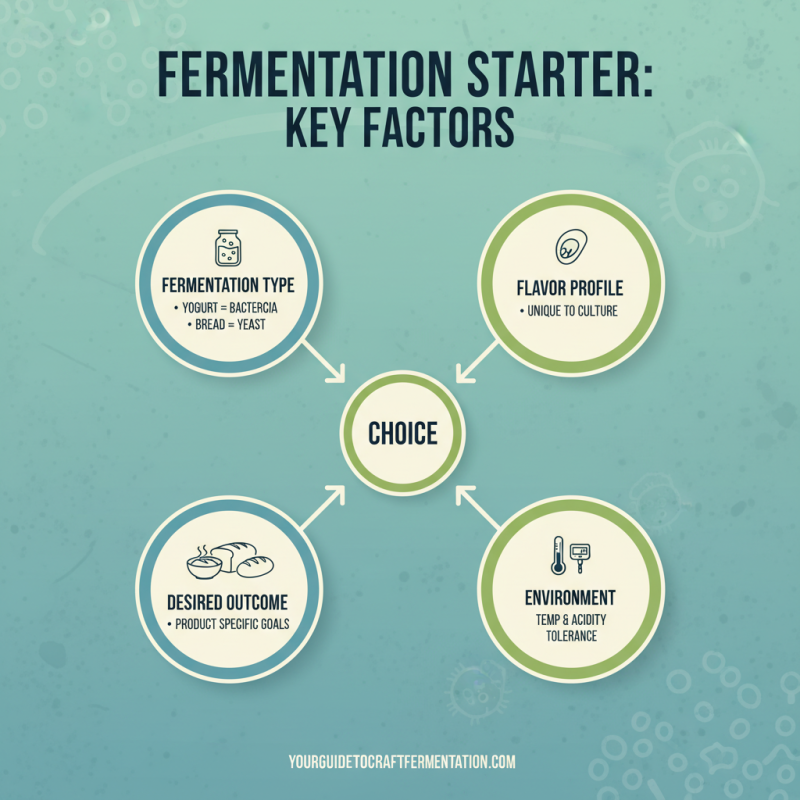
When selecting a fermentation starter culture, several factors warrant careful consideration. The type of fermentation you plan to conduct is crucial. Different cultures thrive in various environments and impart unique flavors to your end product. For example, yogurt demands specific bacterial strains, while bread often requires yeasts. Knowing what you want to achieve informs your decision.
Another important factor is the source of your starter culture. Cultures can be isolated from natural sources, such as fruits or vegetables, or purchased from reputable suppliers. Each option has its benefits and drawbacks. Natural starters may yield unpredictable results, while store-bought cultures offer consistency. However, a commercially available starter may lack the unique regional flavors or qualities you desire.
Monitoring the fermentation environment is also vital. Temperature, humidity, and oxygen levels impact the fermentation process. Even slight changes can influence the outcome. Be prepared for some trial and error. You might find that the culture you choose does not perform as expected. This unpredictability is part of the fermentation journey. Evaluate your results, adjust accordingly, and continue to learn from each batch.
Evaluating Quality and Viability of Fermentation Starters
When selecting a fermentation starter culture, evaluating its quality and viability is key. A good starter should have a diverse microbial population. Look for cultures that promise a range of beneficial bacteria and yeasts. A one-dimensional culture may not yield the depth of flavor you desire. In contrast, a complex blend can enhance the fermentation process significantly.
The viability of a culture is equally critical. Assess the packaging date and storage conditions. Freshness is vital for active fermentation. A Caldwell Fermentation Starter, for instance, may indicate optimal conditions for performance, but check details and reviews. Not all cultures deliver consistent results, even when well-packaged.
Trial and error often lead to the best results in fermentation. Some cultures may behave unpredictably due to environmental factors. Not every starter will work perfectly with your ingredients. It’s essential to keep detailed records of your experiments. What worked once may not work again. Adjustments may be necessary to find the right fit for your process. Every batch is a learning opportunity.
Where to Purchase Fermentation Starter Cultures
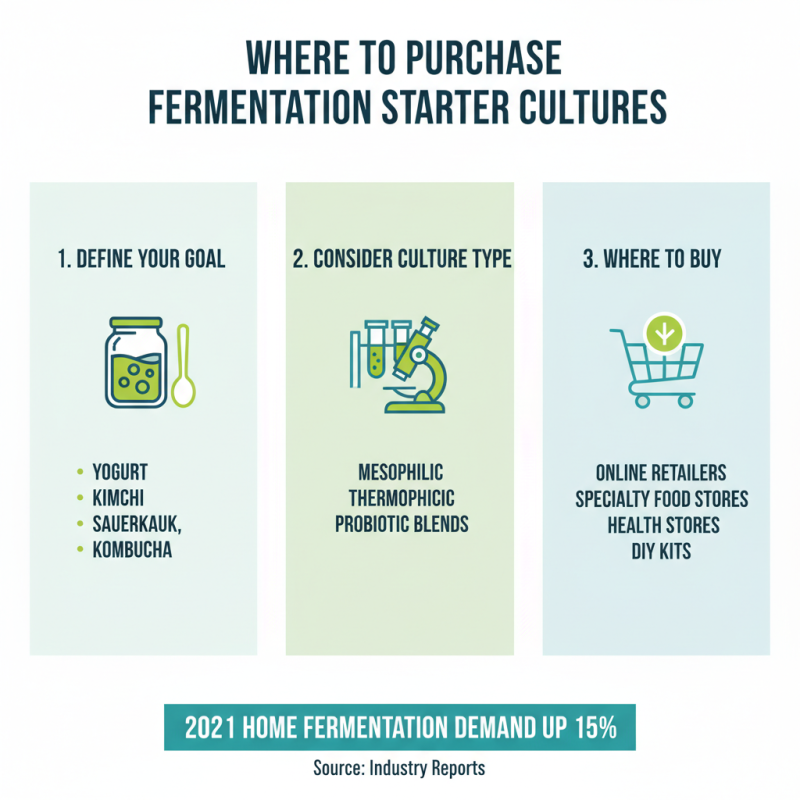
When looking to purchase Fermentation Starter cultures, it’s essential to consider your specific fermentation goals. Different cultures are suited for various products, from yogurt to sauerkraut. According to industry reports, the market for fermentation starter cultures has grown significantly. A 2021 analysis revealed a surge of 15% in demand for these cultures in home fermentation. This reflects a rising consumer interest in probiotic-rich foods.
Local health food stores often stock a variety of fermentation starters. Additionally, many online retailers provide an extensive selection. Reading user reviews can help you assess the quality and reliability of the product. It’s wise to check if the manufacturer offers detailed information about their fermentation starter strains. This transparency can indicate their expertise in producing effective cultures.
While it can be tempting to purchase the cheapest options available, this may lead to subpar results. Some low-quality cultures may not provide the desired bacterial diversity needed for optimal fermentation. The importance of quality cannot be overstated; using superior fermentation starter cultures can significantly enhance flavor and health benefits. Engaging with knowledgeable staff at local shops or online forums can offer insights into the best choices for your specific needs.
Tips for Using Fermentation Starter Cultures Effectively
Using fermentation starter cultures can enhance your homemade fermented foods. Choosing the right culture is important for success. However, knowing how to use these cultures effectively can make a significant difference in your results.
One crucial tip is to maintain cleanliness throughout the fermentation process. Contaminants can spoil results, so wash your hands and equipment thoroughly. Also, the temperature plays a vital role. Different cultures thrive at various temperatures. Ensure you are fermenting in the ideal range for your chosen Vegetable Fermentation Starter.
Another consideration is monitoring the fermentation time. Fermentation can often be a trial-and-error process. Don't be discouraged if your first attempt doesn’t yield the expected results. Taste your fermentation regularly to find the right flavor and tang. Keep notes on your process. This will help you determine what adjustments are needed for future batches. Each experience will deepen your understanding of fermentation cultures and their nuances.
Common Mistakes to Avoid When Selecting a Fermentation Starter
Choosing the right fermentation starter culture is crucial for successful fermentation. Many beginner fermenters overlook the importance of selecting a reliable culture. A report from the International Journal of Food Microbiology emphasizes that specific strains can influence flavor profiles and fermentation speed significantly. Therefore, it's essential to understand which bacteria or yeast to use for your desired outcome.
Common mistakes include rushing the selection process. Fermenters often pick cultures based on popularity rather than their unique properties. Research indicates that using the wrong strain can lead to off-flavors or insufficient fermentation. For instance, Lactobacillus species may not thrive in high-sugar environments. This mismatch often results in disappointing products.
Another frequent error is neglecting to consider the sourcing of cultures. Ensuring that cultures are from reputable sources is vital. Some home brewers ignore this aspect, which can lead to contamination and other issues. According to a survey conducted by the Craft Fermentation Association, about 30% of home fermenters encounter problems due to quality control in their starter cultures. Focus on learning the characteristics of each strain and always check the source for reliability.
Unlocking Probiotic Potential: Exploring the Nutritional Advantages of Yogurt Starter Culture Yo-ZC912 in Modern Dairy Fermentation
Yogurt, a staple in many cultures, derives its distinctive characteristics from specific microorganisms known as yogurt starter cultures. Among these, the Yo-ZC912 is noteworthy for its potent lactic acid bacteria, which play a crucial role in the fermentation process. By converting lactose into lactic acid, these microorganisms not only acidify milk but also enhance its flavor and texture, resulting in the creamy, tangy yogurt we enjoy. The nutritional advantages of utilizing a high-quality starter culture like Yo-ZC912 in modern dairy fermentation cannot be overstated, as it supports the development of probiotics beneficial for gut health.
When making yogurt at home, it is essential to maintain an optimal fermentation temperature, typically between 42-45°C, to create an environment where lactic acid bacteria thrive. The fermentation time, which can range from 4 to 12 hours, will influence both the thickness and acidity of the yogurt. Understanding this process allows home yogurt makers to customize their products according to personal preferences, whether they desire a milder taste or a rich, thick consistency. By exploring the potential of starter cultures like Yo-ZC912, individuals can not only enjoy delicious yogurt but also gain the associated health benefits that come from these living microorganisms.
FAQS
: They are specific microorganisms that initiate fermentation in foods.
It affects flavor, texture, and nutritional value of the final product.
Warmer temperatures boost yeast activity, while cooler ones favor bacterial growth.
Many rush selection or choose based on popularity rather than characteristics.
They can cause off-flavors or slow down the fermentation process.
Reliable sources prevent contamination and maintain quality control.
Document processes and outcomes for better reference in future attempts.
Reflect on the desired outcome and be patient with variations.
Lactic acid bacteria are crucial for achieving proper fermentation.
You may end up with disappointing flavors or textures in your products.
Conclusion
Choosing the right fermentation starter culture is crucial for successful fermentation projects. This article provides a comprehensive overview of fermentation starter cultures, including the different types available and their specific uses. It emphasizes the importance of considering various factors, such as the desired flavor profile, fermentation speed, and compatibility with the substrate when selecting a culture.
Additionally, the article discusses how to evaluate the quality and viability of starter cultures and offers guidance on where to purchase them. To maximize results, it includes tips for effective usage and highlights common mistakes to avoid during the selection process. By understanding these aspects, one can ensure a more successful fermentation experience.