The global yogurt scene is changing pretty quickly these days. As people’s tastes and preferences shift, you might’ve noticed that brands offering Kosher Yogurt Starter are getting more attention. These products are really hitting the mark for those looking for high-quality options that also stick to kosher dietary laws. Big names like Stonyfield Organic and YoCrunch are stepping up their game, focusing on great taste and health benefits.
Lately, there’s definitely been a rise in interest around dairy products that come with ethical certifications. That’s where Kosher Yogurt Starters fit in—they’re all about quality ingredients and transparent processes. Plus, manufacturers are pouring resources into R&D to boost probiotic benefits, which is a win for folks caring about gut health.
Of course, it’s not all smooth sailing. Smaller brands sometimes find it tough to keep up with the big, well-known players. And let’s be honest, shopping for kefir or yogurt can get a little overwhelming with so many options out there. Still, the good news is that the variety of Kosher Yogurt Starter brands means there’s something for everyone—whether you want to try new flavors or make healthier choices. The journey to discovering your perfect yogurt is pretty exciting and tasty too.

The kosher yogurt market is experiencing significant growth. As consumers seek quality and variety, brands are focusing on unique flavors and health benefits. A recent industry report indicated a projected annual growth rate of 10% through 2026. This means increased competition among brands. The challenge lies in maintaining a balance between taste and dietary needs.
Kosher certificationremains a vital point for many buyers. It ensures that products meet strict dietary laws, appealing to a broader audience. There’s a growing interest in specific types like Bulgarian yogurt, known for its Probiotics. This contrasts with plain yogurt, which might lack these beneficial cultures. The differences in texture and flavor profile can influence consumer choices.
Innovation in packaging is also notable. Eco-friendly options are favored by environmentally conscious buyers. Yet, the market must also address some consumer concerns regarding ingredients and allergens. Reviews show that while many enjoy the richness of specialized yogurts, there are still skeptics questioning the price versus quality. This reflection on consumer sentiment helps shape future offerings in the kosher yogurt sector.
The demand for kosher yogurt starter cultures is on the rise in 2026. This trend is fueled by increasing health consciousness among consumers globally. Many people are exploring diverse dietary options, with yogurt being a prime choice. The unique qualities of kosher yogurt are drawing attention. Its preparation aligns with specific dietary laws, appealing to a broader audience.
The differences between Bulgarian yogurt and regular yogurt contribute to its popularity. Bulgarian yogurt boasts a distinctive flavor profile and texture. Moreover, it offers probiotic benefits that enhance gut health. Shoppers are becoming more discerning, seeking products that support their wellness goals. As brands expand their offerings, they must focus on quality and authenticity.
Despite the growing interest, challenges remain. Not all manufacturers meet kosher certification standards. This inconsistency can frustrate consumers. There is a need for reliable processes to ensure quality and adherence to kosher guidelines. Education is crucial here; consumers must understand what makes yogurt kosher. Misinformation can lead to distrust in the market. Aligning production with consumer expectations is vital for success.
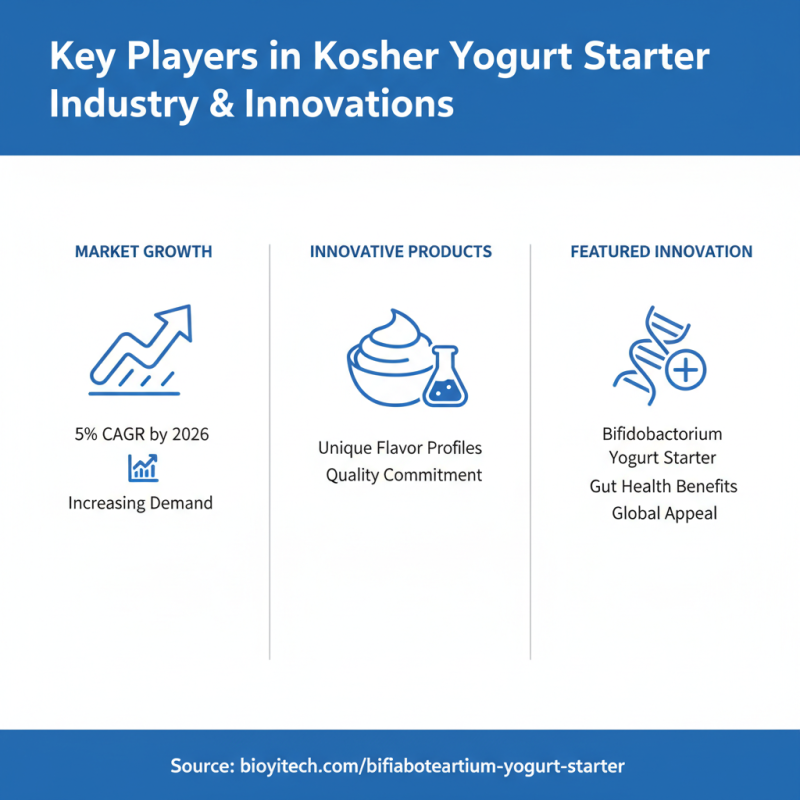
The kosher yogurt starter industry continues to evolve, driven by innovative players committed to quality and customer satisfaction. Recent data indicates an increasing demand, with the market projected to grow at a CAGR of 5% by 2026. This growth highlights the importance of key players who focus on developing unique products. The Bifidobacterium Yogurt Starter is gaining traction due to its health benefits and unique flavor profile. This particular starter culture is not only beneficial for gut health, but it is also catching the attention of health-conscious consumers globally.
Innovations in the kosher yogurt starter landscape often revolve around organic and non-GMO products. Companies are investing in sustainable practices, which resonate well with today’s buyers. A recent report showed that 72% of consumers prefer products made from sustainably sourced ingredients. Such preferences are influencing how manufacturers develop their offerings. Additionally, diversity in packaging and product formats is emerging as a significant trend, catering to the evolving tastes of international markets.
Despite the positive trends, challenges remain. The sourcing of high-quality ingredients can be inconsistent. Companies often grapple with maintaining production standards while scaling operations. Balancing profitability and authenticity is crucial. As the kosher yogurt starter market grows, companies must remain vigilant about quality control. This aspect is particularly critical for products like Bifidobacterium yogurt starters, which rely on specific strains for effectiveness.
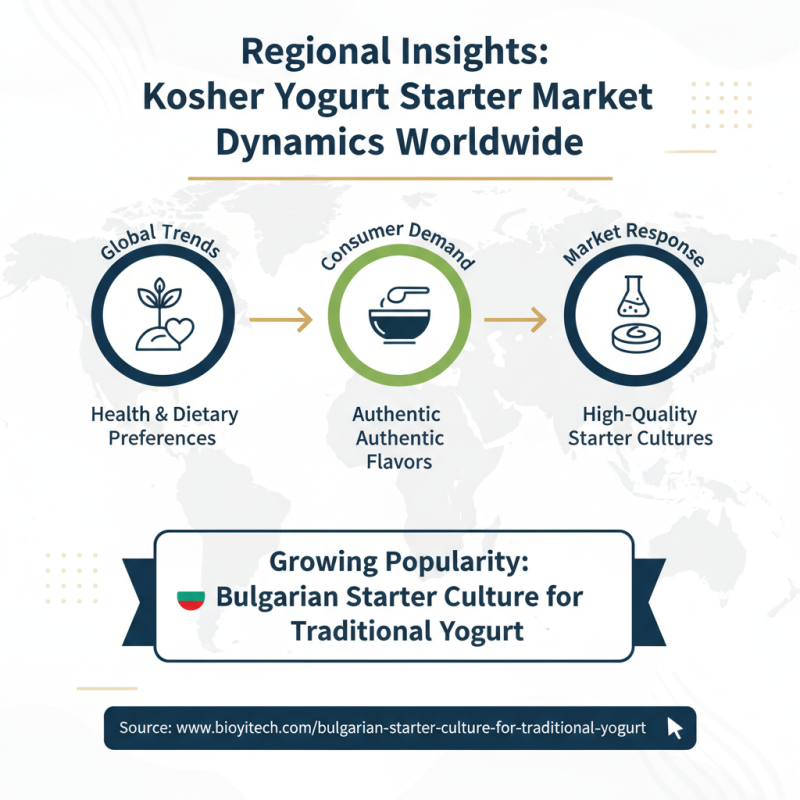
The kosher yogurt starter market is experiencing dynamic changes globally. Factors such as health trends and dietary preferences are influencing consumers' choices. In various regions, the demand for authentic flavors drives yogurt makers to seek high-quality starter cultures. This trend is evident in the growing popularity of Bulgarian Starter Culture For Traditional Yogurt.
Middle Eastern regions show a notable enthusiasm for rich, creamy textures. They prioritize traditional preparation methods rooted in their culinary heritage. Meanwhile, in North America, innovation is key. Yogurt producers are blending flavors and incorporating functional ingredients to attract health-conscious consumers. Despite these advances, some manufacturers may struggle with the balance between authenticity and modern preferences.
In Europe, there’s a significant appreciation for heritage products. Consumers here are willing to pay more for traditional techniques and flavors. This shift can lead companies to reflect on their sourcing and production processes. Exploring diverse starter cultures, like those originating from Bulgaria, provides opportunities to meet these demands. These insights reveal a complex landscape where tradition meets innovation, prompting ongoing reflection in market strategies.
The popularity of kosher yogurt starters is driven by their numerous nutritional benefits. These starters are rich in probiotics, promoting gut health. Improved digestion and enhanced immunity are just some of their advantages. Consumers are increasingly aware of how these benefits impact overall wellness.
Additionally, kosher yogurt is often lower in sugar than regular varieties. This makes it an attractive option for health-conscious buyers. High protein content also appeals to those seeking to add more nutrition to their diets. Many people enjoy incorporating yogurt into their meals or snacks.
However, some may find it challenging to choose the right products. There are many options on the market, and not all are created equal. It can be overwhelming to navigate labels and claims. Understanding the differences between various starters requires research and careful consideration. Shoppers should feel empowered to ask questions and seek out reliable information.
In the realm of kosher yogurt production, regulatory standards significantly shape certification processes. The Orthodox Union (OU) remains a leading authority, overseeing meticulous guidelines. These regulations cover everything from ingredient sourcing to prohibited additives. Compliance ensures that yogurt meets both kosher dietary laws and consumer expectations.
In a recent industry report, it was noted that around 30% of yogurt producers struggle with maintaining consistent compliance. This inconsistency can lead to potential certification lapses. With increasing global demand for kosher products, adherence to regulations is paramount. A reliable certification can elevate a brand’s value and trustworthiness among buyers.
Tip: Regular training sessions for staff on kosher laws can help minimize compliance issues.
Moreover, the growing awareness among consumers makes it essential for producers to stay informed on regulatory updates. The complexity of these standards can be daunting. A reactive approach can lead to costly mistakes.
Tip: Develop a checklist for kosher certification requirements to streamline the production process and ensure nothing is overlooked.
Creating a culture of quality and compliance is crucial. Using reliable certification programs fosters consumer confidence. An evaluation of internal practices might reveal gaps, enabling producers to enhance their kosher offerings.
This chart illustrates the market share of various types of kosher yogurt starters based on global buyer preferences for the year 2026. The data reflects regulatory standards impacting kosher certification in yogurt production.
The kosher yogurt starter market is poised for significant growth through 2026. Recent industry reports indicate that the global market was valued at approximately $1.5 billion in 2021. Experts project a compound annual growth rate (CAGR) of over 5% during the next five years. This increase can be attributed to rising consumer demand for probiotic-rich products and health-conscious dietary choices.
Trends suggest that more consumers are seeking plant-based alternatives. Additionally, the awareness of kosher dietary laws is expanding in non-traditional markets. However, manufacturers face challenges in meeting diverse consumer preferences. The need for new flavors and formats is growing. Yet, not every innovation resonates with the market. Some products fail to capture attention.
In terms of distribution, online sales channels are becoming more popular. Reports show that e-commerce accounted for over 20% of total sales in recent years. However, logistical issues remain. Ensuring quality during shipping can be complex. These factors will shape the kosher yogurt starter landscape in the coming years, prompting brands to adapt and innovate continually.
Creating homemade yogurt is both an art and a science, leading to deliciously creamy goodness that can be tailored to individual tastes. At the core of yogurt production is the yogurt starter culture, which consists primarily of lactic acid bacteria. These microorganisms are the heroes behind the fermentation process, as they convert lactose present in milk into lactic acid. This acidification not only thickens the milk but also develops the distinct tangy flavor that yogurt lovers cherish.
To achieve yogurt perfection, one can opt for either commercial starter cultures or utilize existing yogurt containing live active cultures. This flexibility allows for creativity in yogurt crafting. Maintaining an incubation temperature between 42 to 45 degrees Celsius is crucial during fermentation, as this environment promotes the growth of the beneficial bacteria. Depending on the fermentation duration, which can range from 4 to 12 hours, the yogurt will develop varying levels of consistency and acidity. This means that the final product can be fine-tuned to suit personal preferences, ensuring a delightful homemade yogurt experience every time.
: Increasing demand is fueling growth, projected at a CAGR of 5% by 2026.
It offers health benefits and a unique flavor that appeals to health-conscious consumers.
Many prefer organic and non-GMO options made from sustainably sourced ingredients.
Diverse packaging caters to evolving international tastes and enhances product appeal.
Inconsistency in sourcing high-quality ingredients can hinder production standards.
About 30% struggle with maintaining consistent compliance, risking certification lapses.
Staying informed about regulatory updates and implementing regular staff training helps.
Reliable certification programs and a culture of quality and compliance are vital.
It streamlines processes and helps ensure all requirements are met efficiently.
Evaluating internal practices can reveal gaps in quality and compliance efforts.
The article provides a comprehensive overview of the kosher yogurt starter market, analyzing key trends and projections for 2026. It highlights the growing demand for kosher yogurt starter cultures, driven by increasing consumer awareness of nutritional benefits and dietary preferences. The market dynamics reveal regional insights and the influence of regulatory standards that shape kosher certification in yogurt production.
Key players in the industry are pushing innovation to meet evolving consumer needs, and the article discusses how these advancements are expected to fuel market growth. With a focus on the nutritional advantages of kosher yogurt starter, it underscores the importance of quality ingredients in attracting health-conscious consumers. Future projections indicate a robust growth trajectory for kosher yogurt starters beyond 2026, reflecting a significant expansion in the market.