Hey, you know, in today's fast-changing world of production, using Fermentation Agents has really become a total game-changer across a bunch of different industries. I read somewhere that, according to Allied Market Research, the global market for fermentation agents is expected to hit around $4.12 billion by 2027, growing at about 7.8% annually. Pretty impressive, right? This really shows how more and more companies are craving natural fermentation methods, especially in food, pharma, and even beyond. Zhongchuang Yike (Shanghai) Health Technology Co., Ltd. is definitely leading the charge in this space. They’re producing top-notch probiotics, Postbiotics, and fermentation agents designed for all sorts of uses—whether it’s healthcare, preventive medicine, agriculture, or other fields. As manufacturers aim to boost product performance and sustainability, it’s pretty clear that understanding the powerful benefits of Fermentation Agents is key to staying ahead in this ever-evolving market. Honestly, it’s an exciting time for this industry!
Transforming Raw Ingredients: The Role of Fermentation Agents
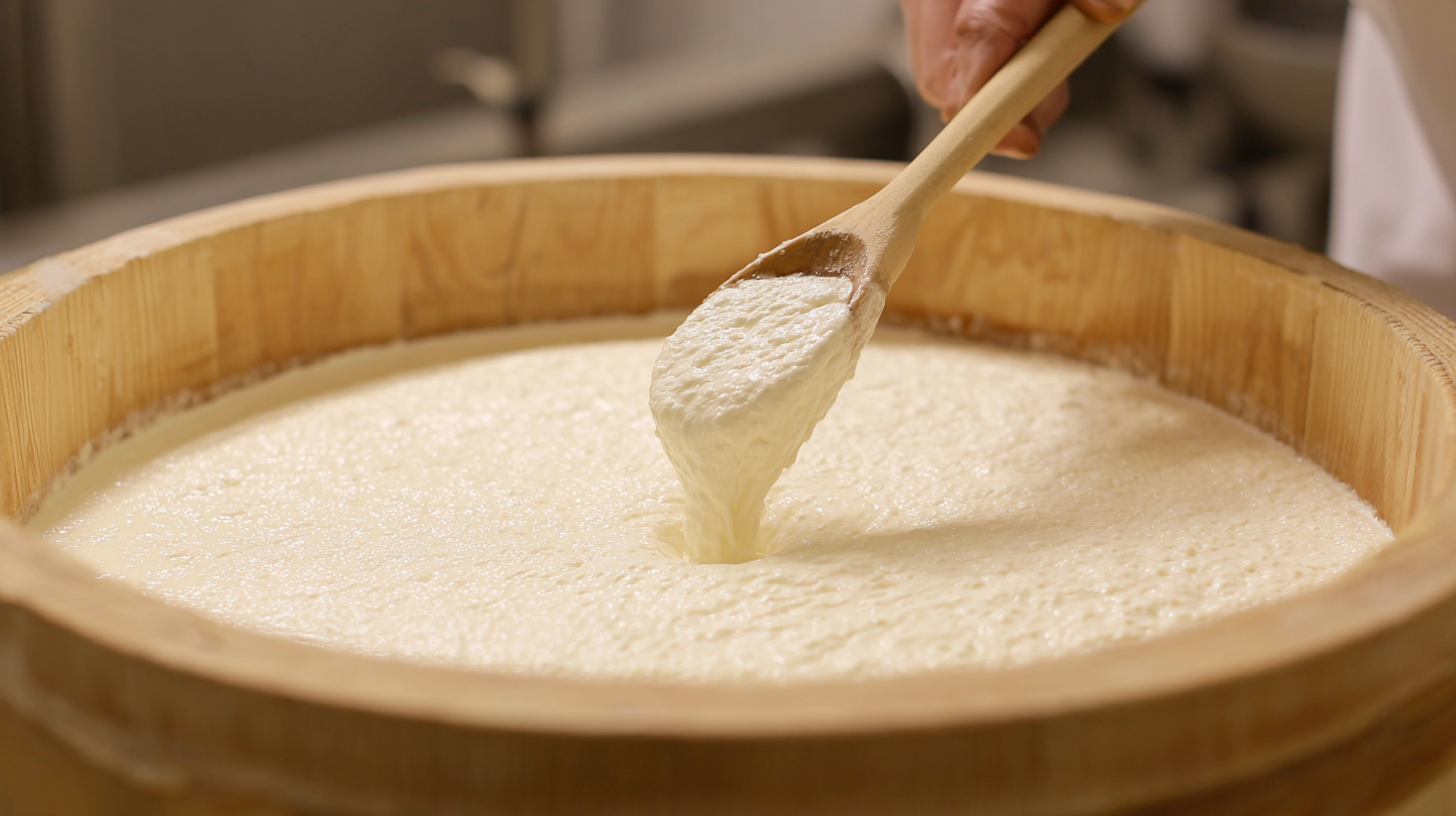
You know, watching raw ingredients go through fermentation is pretty fascinating. It’s like this amazing magic trick that not only boosts flavor but also ups the nutritional ante. Things like yeast, bacteria, and molds are the real MVPs here — they break down those tough carbs and proteins into simpler, easier-to-digest stuff. That’s why breads, yogurts, and sauces end up tasting better, and they also get loaded with Good Probiotics that help your gut stay happy. These days, more and more folks are into healthier options, so using fermentation agents in production is pretty much a no-brainer for companies looking to stay ahead.
And here’s the cool part — fermentation doesn’t just improve taste; it also brings out unique textures and aromas you just can’t get from regular cooking. The tiny microbes are busy creating a whole symphony of flavors, adding depth and complexity that makes every bite special. Take cheese, for example — different bacteria give each cheese its own personality, from flavor to texture. This kind of versatility means producers can get creative, trying out new ideas and standing out in a crowded market. So, honestly, fermentation is not just about preserving or transforming food — it’s a way for chefs and makers to get inventive and make their products really stand out in a big way.
7 Amazing Benefits of Using Fermentation Agent in Your Production Process
Enhancing Flavor Profiles: How Fermentation Agents Improve Taste
You know, fermentation agents like yeast and bacteria are pretty amazing—really crucial in adding depth and richness to a bunch of different products, whether it’s drinks, dairy, or even meats. I came across this recent report from the International Journal of Food Science, and it was pretty eye-opening. It explained how using these agents can bump up the flavor complexity by generating hundreds of volatile compounds—things that really boost the taste and aroma. Take wine, for example; during fermentation, it develops esters and phenolic compounds that give it those classic citrusy and berry notes people love. Honestly, that’s what makes wines so delightful and memorable.
And here's the cool part—by messing around with different fermentation agents, especially different bacteria strains, producers can really expand the flavor options. There was this study in the Food and Beverage Journal that looked at how adding different bacteria during cheese-making can boost umami and tangy flavors. This means the final cheese isn’t just more delicious but also more enticing for folks to try. All this extra complexity can really up customer satisfaction and loyalty, which is such a win for brands trying to stand out in a pretty crowded market. So yeah, fermentation agents are pretty much game-changers for making food and drinks more interesting and tasty when used right.
7 Amazing Benefits of Using Fermentation Agent in Your Production Process - Enhancing Flavor Profiles: How Fermentation Agents Improve Taste
| Benefit | Description | Examples |
| Enhanced Flavor Complexity | Fermentation agents can create a diverse range of flavors through biochemical processes. | Bread, Yogurt |
| Increased Nutritional Value | They can enhance the bioavailability of nutrients, making food healthier. | Fermented Vegetables, Kefir |
| Prolonged Shelf Life | Fermentation can help inhibit the growth of spoilage organisms. | Sauerkraut, Pickles |
| Improved Texture | Fermentation can change the texture, making it more palatable and enjoyable. | Cheese, Tempeh |
| Diverse Aroma Profiles | Fermentation agents produce various aromatic compounds that enhance smell. | Beer, Wine |
| Health Benefits | Certain fermented products can promote gut health and boost the immune system. | Probiotic Yogurts, Miso |
| Versatility | Fermentation agents can be applied in multiple food production contexts. | Baking, Brewing, and Fermented Foods |
Boosting Nutritional Value: The Health Benefits of Fermented Products
Fermented foods have been blowing up in popularity lately, and honestly, for good reason! The whole process of fermentation uses tiny microorganisms to turn carbs into alcohol or organic acids. This not only helps preserve the food but also boosts its nutritional punch. Take yogurt and kefir, for example—they’re packed with probiotics, which are amazing for your gut health, digestion, and even give your immune system a nice little lift.
If you're thinking about adding fermentation agents into your production, here are a couple of tips I’ve picked up along the way. First off, make sure your environment's just right — stable temps and the right pH levels really make a difference. Good microbes need the right conditions to do their thing. Also, don’t skimp on quality when choosing your fermentation agents. Always go for trusted suppliers so you know you’re getting stuff that’s both safe and effective.
And one more thing—don't forget to spread the word! Sharing the benefits of fermented foods can really help people appreciate these nutritious, gut-friendly options. Talk about how they can add vitamins, minerals, and healthy bacteria into daily meals. Not only does that encourage healthier habits, but it also helps boost demand for these kinds of products. It’s all about making these foods more than just a trend — they’re a tasty way to take care of ourselves, right?
Extending Shelf Life: Fermentation as a Natural Preservation Method
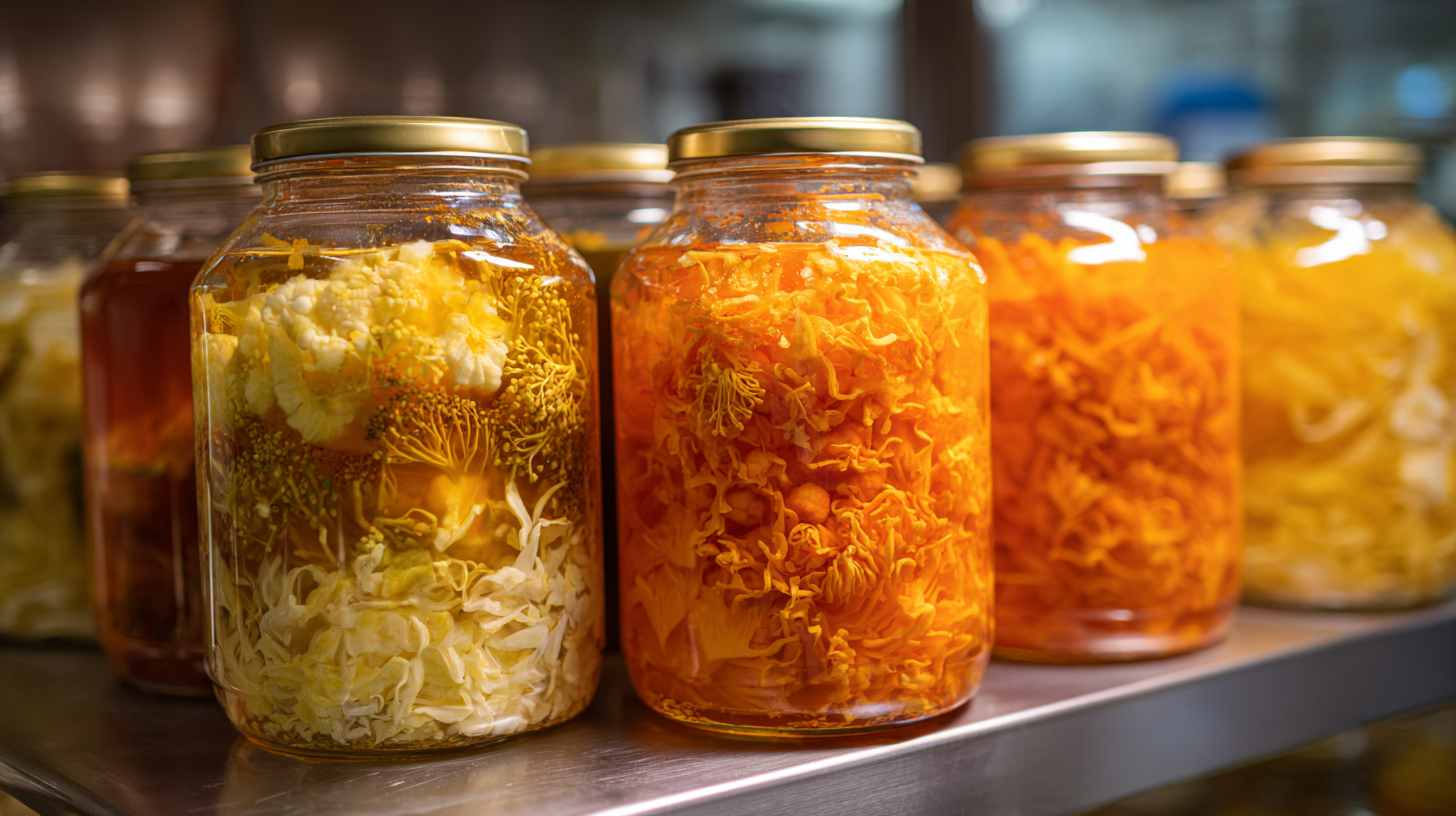 Fermentation agents are pretty essential when it comes to making food last longer. They work by encouraging the growth of good microorganisms, which not only boosts the flavor but also acts like a natural way to preserve your food. According to the Food and Agriculture Organization (FAO), fermented foods can stay fresh two to three times longer than non-fermented ones, which is a big win for reducing food waste. This is especially important for producers who want to keep their products safe and high quality, all while tackling sustainability issues.
If you're thinking about adding fermentation agents, a couple of strains like Lactobacillus or Saccharomyces are usually solid choices—they're pretty effective at preserving food. These microbes help lower the pH, which makes it tougher for bacteria and molds that cause spoilage to thrive.
On top of that, fermentation actually helps boost the nutritional profile of your food. Studies have shown that fermented foods can do wonders for your gut health because they’re packed with probiotics. In fact, a report from the International Journal of Food Microbiology mentions that fermented products can help your body absorb nutrients better. So, not only do they last longer, but they’re also a healthier pick for folks who want to eat smarter.
Tip: Make sure you keep an eye on the temperature during fermentation. Keeping things at the right temp makes all the difference—both for preserving the food and for getting those probiotic benefits. Small details like this really help ensure your products reach their full shelf life and health potential.
Increasing Production Efficiency: Streamlining Processes with Fermentation Agents
Lately, fermentation agents have really become a big deal in modern production — especially when it comes to boosting efficiency. They help streamline the whole process, making it easier for manufacturers to fine-tune their fermentation conditions. The result? Higher yields and shorter production times, which is pretty awesome. And with all the recent advances, like genetically engineered microorganisms, we're actually seeing some game-changing stuff in food production. These tech leaps—like precision fermentation and synthetic biology—not only bump up the quality of the final products but also push us toward more sustainable manufacturing practices.
On top of that, adding fermentation agents into the mix can actually help solve some pretty critical issues, like making better use of resources and cutting costs. For example, new bioprocess strategies with single-use bioreactors are making biomolecule synthesis more efficient and easier to scale. Plus, using acid-tolerant strains for making lactic acid means we don't need as many external buffers, which saves money. All in all, these innovations in fermentation technology point toward a future where we can be more efficient and eco-friendly — a win-win for everyone involved.
Sustainability in Production: Eco-friendly Practices with Fermentation Technology
You know, incorporating fermentation tech into production processes is really starting to make a big difference when it comes to sustainability across different industries, especially in food and drinks. Recent studies show that using agricultural leftovers not only helps cut down on waste but also keeps things circular—think of it as giving waste a second chance. Did you know that around 1.3 billion tons of food waste are produced worldwide every year? That’s a huge number, and it makes it super important for us to get creative—like using fermentation and bioprocessing—to turn that waste into something valuable. Not only does this approach align with eco-friendly practices, but it also tackles some serious environmental issues caused by all that food throwing away.
On top of that, breakthroughs in precision fermentation and synthetic biology are really shaking things up when it comes to how we make our foods and drinks. These cutting-edge technologies let us produce proteins and other key ingredients exactly as needed, while also keeping the environmental impact in check. Plus, research suggests that using lignocellulosic biomass can boost cellulose extraction, making sustainable production even more efficient. Here at Zhongchuang Yike (Shanghai) Health Technology Co., Ltd., we’re proud to offer fermentation agents that support these green efforts. By harnessing probiotics and postbiotics, we’re helping create healthier food choices and more eco-friendly manufacturing methods. It’s all about moving toward a more sustainable future—pretty exciting, right?
FAQS
: Fermented products, such as yogurt and kefir, are rich in probiotics that benefit gut health, improve digestion, and boost the immune system.
Fermentation enhances flavor and acts as a natural preservation method, allowing fermented foods to last two to three times longer than non-fermented ones, thereby reducing food waste.
It’s important to maintain a stable temperature and proper pH for optimal microbial activity, and to select high-quality fermentation agents from reputable suppliers.
By prolonging shelf life and reducing spoilage, fermentation helps decrease food waste, which is vital for sustainability in food production.
Strains like Lactobacillus and Saccharomyces are known for their effectiveness in lowering pH levels and inhibiting the growth of harmful bacteria and molds.
Fermentation agents streamline workflows, optimize fermentation conditions, and can lead to higher yields and reduced production times in food manufacturing.
Studies suggest that fermented foods are beneficial for gut health and can improve nutrient absorption, making them a healthier choice for consumers.
Innovations include the use of genetically engineered microorganisms and precision fermentation techniques, which enhance product quality and promote sustainability.
Proper temperature control is essential to maximize both preservation and probiotic benefits, ensuring optimal conditions for microbial growth.
Educating consumers on the health benefits and nutritional value of fermented foods can foster appreciation and drive increased demand in the market.
Conclusion
Fermentation agents are pretty much the unsung heroes when it comes to transforming raw ingredients in a bunch of industries. They don’t just change things up flavor-wise—they also boost the nutritional punch of the final products. When companies toss these agents into their production lines, they can craft healthier foods that taste great and bring real health perks too. Plus, these agents act as natural preservatives, helping things last longer without messing with the quality. And here’s the cool part—they also make production smoother and cut down on the need for artificial additives, which is a win-win.
At Zhongchuang Yike (Shanghai) Health Technology Co., Ltd., we’re all about providing top-notch probiotics, postbiotics, and fermentation agents that fit right in with today’s focus on sustainability. Our dedication to eco-friendly methods and cutting-edge fermentation tech means that businesses in food processing, pharma, healthcare, and other fields can grow and succeed while also promoting health and well-being for everyone.