
Leave Your Message
Improving dairy production is a major challenge across fermentation issues which Lacticaseibacillus Casei addresses as a very important Probiotic Strain. This bacterium serves in many ways to improve the flavor and texture of dairy products and also adds to their nutritional value and shelf life. As the dairy industry will face all the more demand for high-quality fermented products, it becomes important for manufacturers to use the potential of Lacticaseibacillus Casei in finding and devising innovative means of remaining competitive in the market.
At Zhongchuang Yike (Shanghai) Health Technology Co., Ltd., we are dedicated to advancing health through innovative probiotic solutions. Our commitment to R&D empowers us to explore the multifaceted applications of Lacticaseibacillus Casei in dairy production. We are thus confident that, by leveraging our considerable expertise, we shall provide our clients with effective strategic fermentation interventions that will ultimately improve our product quality and consumer satisfaction in an increasingly complex dairy environment.

This milk fermentation process keeps it not just the taste and mouthfeel of the end produce, but it also enhances the nutritional values. In such cases, it has been very useful to use Lacticaseibacillus casei as a starter culture to optimize the fermentation process. This strain is very suitable for lactic-acid production, which helps preserve the quality of fermented milk in terms of taste and aroma. Recent studies have looked into the following aspects of fermentation conditions, like the effect of storage on pH values of different fermented milk products. For example, the fermentation capacity of these cultures varies according to the milk type-feeding goats, cows, or both together. In addition, understanding the metabolism of strains such as Lacticaseibacillus Paracasei might lead to improved probiotic-dairy products that will benefit not only gut health but also the blood sugar levels modulating.
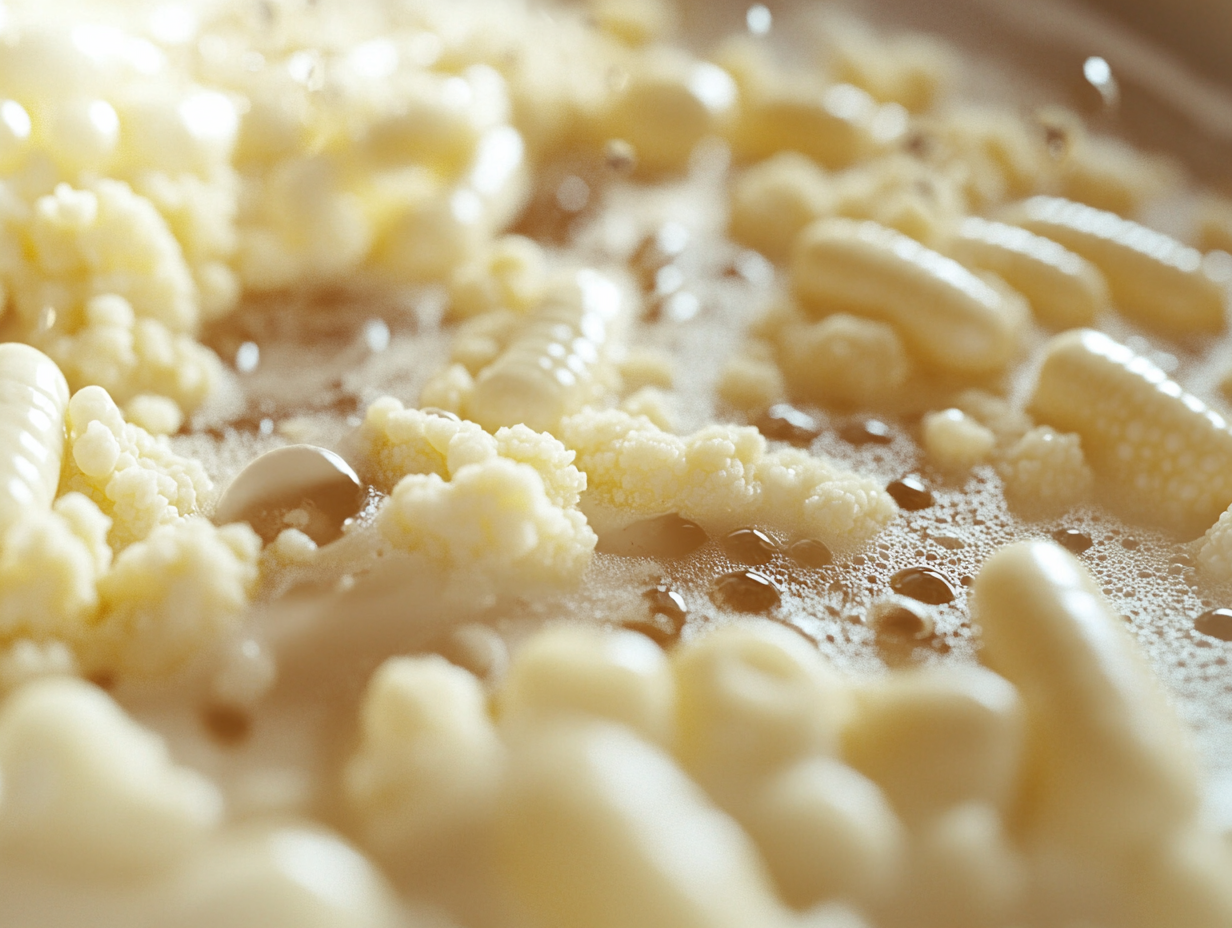
In dairy industries, lacticaseibacillus casei handles fermentation-related problems. This bacterium's own metabolic capability is significantly motivated in contributing to flavor profiles and health benefits to fermented products such as kefir. Research also highlights Lacticaseibacillus casei for successful fermentation optimization, a process that is intriguing in making more consistent and quality dairy products.
Emerging advances have also revealed health-promoting virtues of Lacticaseibacillus casei, and some strains such as lacticaseibacillus paracasei show protection from infections and possible anti-diabetic effects by regulating important digestive enzymes. This further emphasizes a need to include various lactic acid bacterial strains in dairy production systems to improve fermentation efficiency and boost nutrition levels in the end products.
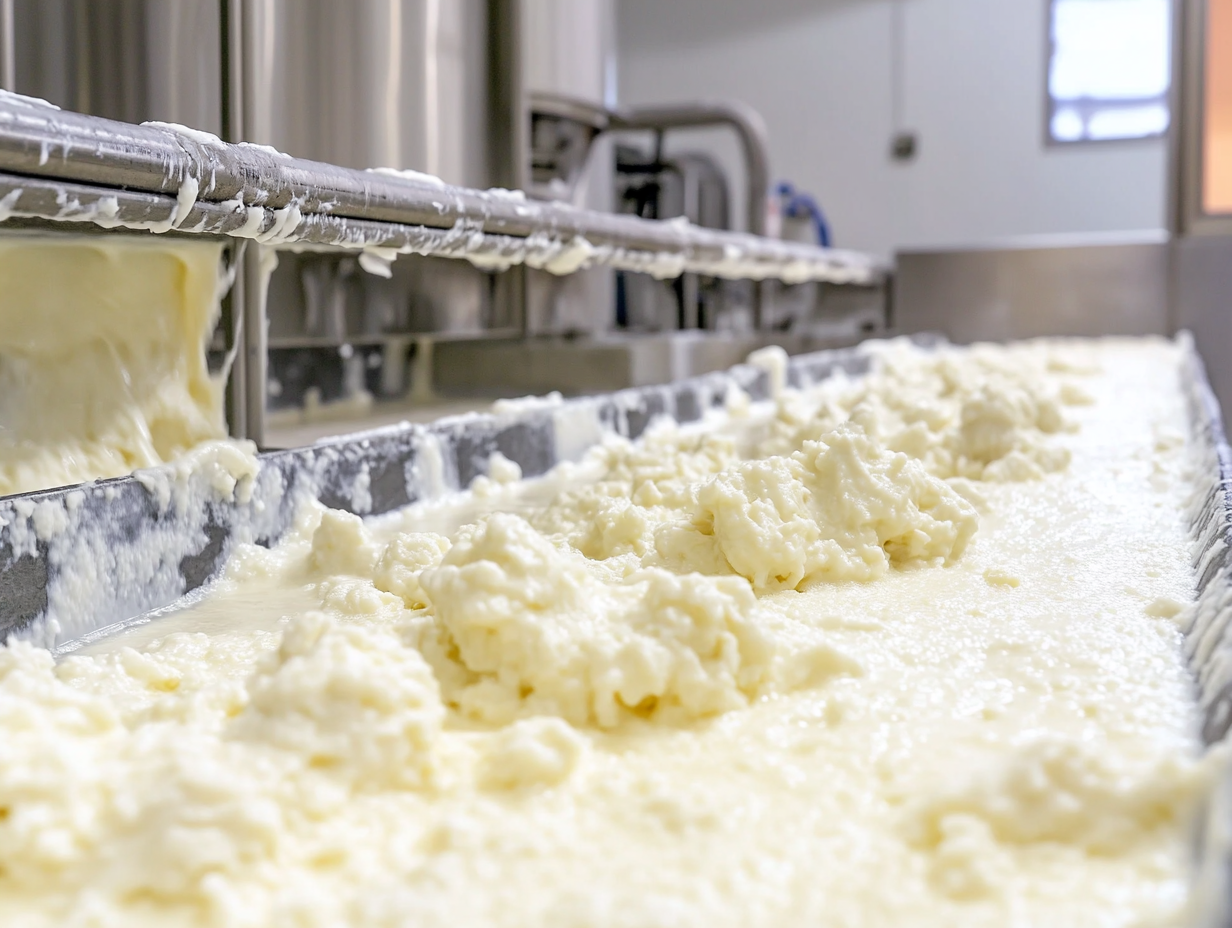
Lacticaseibacillus casei is one of the most important factors affecting dairy production in addressing fermentation challenges. In addition, it is found to be one of the strains capable of fortifying the texture and flavor of dairy products. Recent studies have determined its probiotic properties, as well as potential antidiabetic effects by showing its influence on important enzymes like α-amylase and α-glucosidase, thus benefiting glucose metabolism.
The potential of Lacticaseibacillus casei as a probiotic was also addressed by investigating new and innovative methodologies such as PMA-qPCR for rapid enumeration of viable strains. Additionally, the exploration on exopolysaccharide-producing strains has brought forward the possibilities for the development of beneficial dairy products with health benefits. Therefore, these developments would further stress the potential importance of Lacticaseibacillus casei and its products in improving dairy quality and health property attributes.
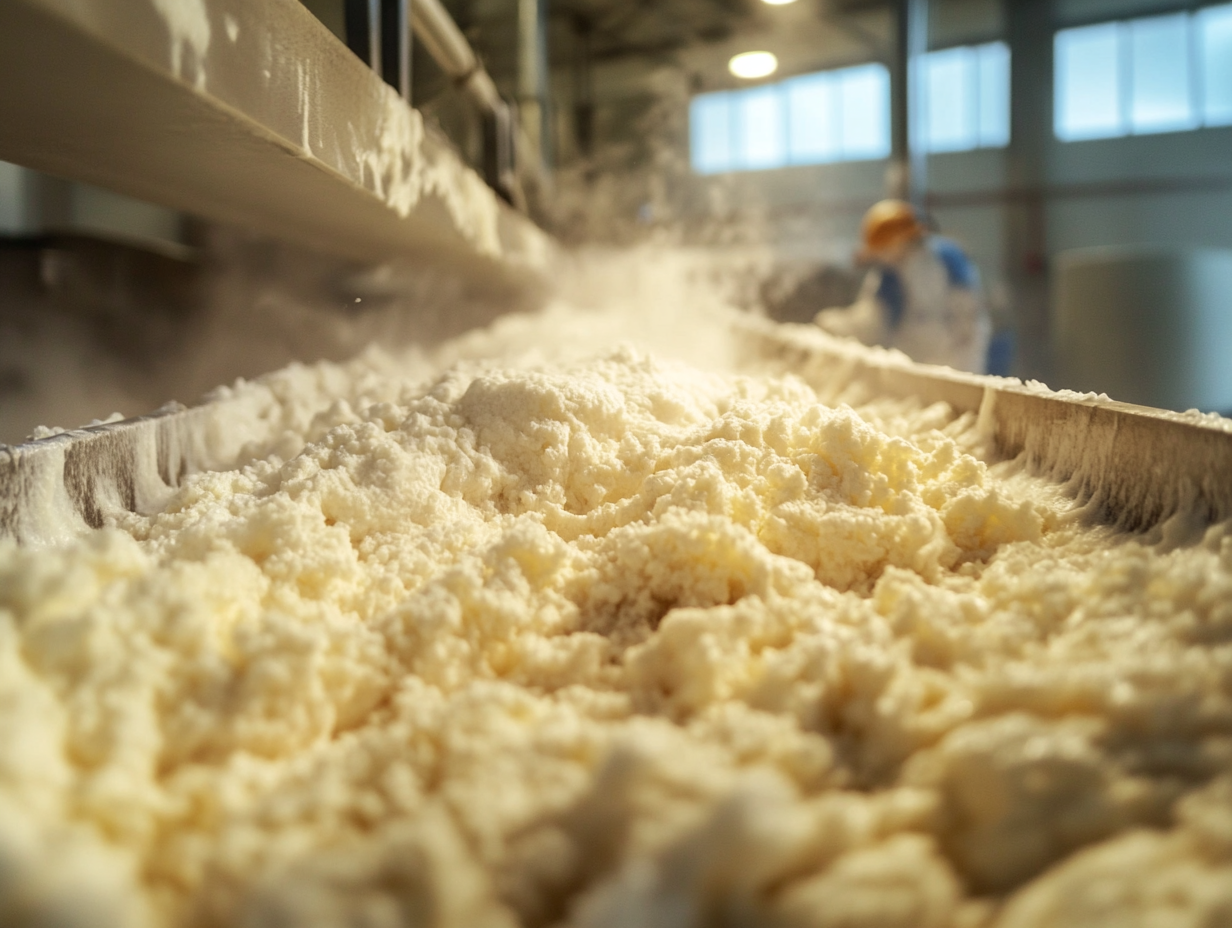
Lacticaseibacillus casei is a well-known species for initiating fermentation for dairy production. Recent studies show that it can also utilize sustainable carbon sources, for example, fruit wastes, thereby optimizing lactic acid production. This innovative strategy not only captures some fermentation problems but promotes the use of agro-industrial byproducts in making dairy production ecologically sustainable.
Furthermore, advances in metabolomics provide insight into biochemical alteration during fermentation of dairy products. It is, by evaluating specific probiotic metabolite profiles, through which scientists have revealed information about the contribution of Lacticaseibacillus casei to flavor development and product quality. The ongoing probing into these mechanisms highlights the significance of the strain in producing health-promoting dairy products and ensuring consistent fermentation performance.
The use of Lacticaseibacillus casei and its dairy variants has brought advantages in curing fermentation problems in dairy processing. Case studies show strains such as Lacticaseibacillus paracasei, which have been successfully employed as auxiliary starters, have strengthened fermentation and, therefore, the quality of the product. The probiotic strains are widely isolated from various sources such as koumiss and have great promise in probiotic dairy products because they boost flavor and health benefits.
Recent studies demonstrate the probiotic potential of dairy-derived strains of Lacticaseibacillus in particular their antidiabetic activities through altering critical enzymes involved in carbohydrate metabolism. This shows multifunctionality of these bacteria but gives emphasis on their role in functional foods. Similarly, co-fermentation of these strains produced more stable and nutritional beverages from milk, which indicated the effectiveness and adaptability of these strains in dairy fermentation.
The dairy sector is going through a very interesting process of transformation by innovations towards fermentation processes associated with the Lacticaseibacillus casei and its related strains. Metabolomics is now being emphasized as a means of unraveling the biochemical changes that accompany the fermentation of probiotic-rich milk. It is expected that through understanding such fermentative changes, producers will benefit from magnifying the health benefits that products such as kefir-the oldest fermented dairy product, with a rich probiotic profile-have to offer.
Furthermore, new zeal in accurate quantification methods of viable Lacticaseibacillus paracasei offered a good future indication for effectiveness assessment of probiotic preparations. It will also ensure that the efficacy of these strains is optimized regarding health benefits, such as their possible protective effects from infections. The dynamics of research into various parameters regarding these bacteria will thus lead to innovations in the dairy sector, unlike functional and other dairy products, which will address traditional fermentation challenges.
Contending with fermentation problems in dairy manufacture invariably arises from the fact that fermentations are strongly influenced and marked by the interaction of microorganisms. Besides that, uniformity is required in the end product. Inclusion of such organisms into Lacticaseibacillus casei appeared to be one of the possible solutions, since it favors fermentation and stabilizes products in the end. Khemsri et al. proved that co-fermentation of milk beverages with Lacticaseibacillus casei combined with another strain offers a better profile of amino acids promoting health during storage; this contributed towards much welfare nutritional values.
By the way, using alternative carbon sources (like fruits wastes) in the fermentation medium can largely enhance the lactic acid production of Lacticaseibacillus casei. Value-added product development with this sustainable approach will solve not only the fermentation problems but also reduce waste in agro-industrial applications. Ongoing research in metabolic characteristics of lactic acid bacteria further paves way for their increased applications in food industries and opens floodgates for innovative dairy products meeting consumer requirements for quality and health benefits.
Dairy producers facing challenges during fermentation stand to gain immensely from a probiotic known as Lacticaseibacillus casei. This microorganism helps in fermenting better, thereby allowing dairy foods to develop good flavor while improving their nutritional value. Since producers prefer to utilize L. casei for better flavor development in fermented foods, the texture and mouthfeel of these products would also, in turn, help develop consumer satisfaction and loyalty."
Besides, the inclusion of Lacticaseibacillus casei describes functional properties, such as the modulation of enzyme functions, like α-amylase and α-glucosidase, that could extend certain health benefits. This versatile probiotic would make the development of new dairy products with enhanced health claims possible, thus presenting an opportunity for producers to pioneer new options in a competitive market.
With rising consumer demand for fermented dairy products, strains such as Lacticaseibacillus casei assume great importance. This microorganism primarily develops the fermentation process and is equally health beneficial for which consumers are looking. Recent studies show that probiotic fermented milk including Lacticaseibacillus casei produces improved-beverages with a more stable health-promoting amino acid profile.
As market trends were moving towards functional foods, innovation came where co-fermentation was explored by manufacturers, involving as many probiotic strains as possible in the production of superior dairy products. Innovations not only innovate in extents beyond pilfering traditional dairy but also excite the health-conscious consumer looking for well-being products with digestibility as benefits accompanying them. The future of fermented dairy products is bright, buoyed by scientific advancements and a keen consumer appetite for nutritious options.
In line with the sustainable dairy production objectives, incorporation of Lacticaseibacillus casei makes a bright prospect in the aspect of fermentation. This microorganism itself is well-known for contributing to texture and flavor profiles improvement in dairy products while carrying all the health benefits associated with probiotics. Recent studies indicate that Lacticaseibacillus casei may utilize sustainable carbon sources such as fruit wastes to produce lactic acid. This approach minimizes waste and aligns with ecological sustainable goals.
Furthermore, the exopolysaccharides produced during fermentation with Lacticaseibacillus casei contribute toward enhanced functional properties of fermented dairy products. These polysaccharides improve the texture and stability of fermented items in addition to their sensory aspects such as appearance which greatly increases consumer acceptance. Economically and environmentally, the dairy industry will benefit from eco-friendly fermentation practices as such are embraced by Lacticaseibacillus casei.
Lacticaseibacillus casei is a probiotic strain commonly utilized in dairy production to improve fermentation processes. It enhances flavor and nutritional quality in fermented dairy products, making it beneficial for producers.
It improves fermentation efficiency by contributing to desirable flavors and enhancing the nutritional profiles of dairy products, thus leading to higher consumer satisfaction.
Lacticaseibacillus casei has antidiabetic properties by modulating key enzymes in carbohydrate metabolism, which can provide additional health benefits alongside its role in fermentation.
Yes, Lacticaseibacillus casei is versatile and can be used to develop new dairy products with enhanced health claims, creating market opportunities for producers.
Producers benefit from using Lacticaseibacillus paracasei as auxiliary starters, which improve fermentation processes and overall product quality.
Co-fermentation is a strategy that involves using multiple strains in the fermentation process, and it has been shown to produce more stable and nutrient-rich milk beverages with Lacticaseibacillus strains.
Lacticaseibacillus strains can be isolated from diverse sources, including traditional fermented products like koumiss.
They contribute to the creation of functional foods by offering probiotic benefits and modulating enzyme functions, thereby enhancing the health attributes of dairy products.
By achieving superior texture and mouthfeel in fermented products, Lacticaseibacillus casei can lead to higher consumer satisfaction and loyalty.
Dairy producers often face challenges related to fermentation efficiency and product flavor development, which Lacticaseibacillus casei effectively addresses.


