Taking care of your inner health is honestly just as important as looking after your physical health. A lot of people tend to overlook this aspect, but paying attention to it can really make a difference in your life. When your inner health is on point, you might find you have more energy, and your mood can get a nice boost too.
In this little guide, I’m sharing 10 of the best tips to help you manage your inner health better. Sometimes, small changes can lead to amazing results. For example, practicing mindfulness can really help to cut down on stress. And having a healthy gut? That’s key — it actually affects your mental clarity more than you might think. Plus, eating good, nourishing food plays a huge role. Honestly, we often forget how much these simple habits matter in our daily routines.
Just keep in mind, caring for your inner health isn’t a one-and-done deal; it takes effort and some self-reflection. It’s not always easy—sometimes, sticking to it can be a challenge, and that’s totally normal. Remember, the path to feeling your best is about understanding your body and mind a little better each day. Every small step you take is a step toward a healthier, happier you.

Inner health plays a vital role in our overall wellbeing. It includes aspects such as gut health, mental clarity, and emotional stability. Research shows that around 70% of our immune system is housed in the gut. A balanced gut microbiome can improve digestion and boost immunity. This connection is crucial. Poor gut health can lead to fatigue and mood swings.
Moreover, emotional wellbeing is closely linked to physical health. According to recent studies, individuals with high stress levels often experience increased inflammation. Chronic inflammation can lead to various health issues. Taking time for self-care is essential, but many neglect it. Integrating small practices, like meditation or simple stretching, can make a difference. Regular exercise has shown to reduce anxiety and depression. A study demonstrated that physical activity can cut the risk of depression by 20-30%.
However, achieving inner health is a journey, not a destination. Many struggle to maintain consistency in their habits. It’s easy to fall back into old patterns. Recognizing this struggle is a crucial step. Reflecting on our habits helps us understand what works. Consistency over perfection is key to nurturing inner health.
Nutrition plays a vital role in supporting our inner health. A balanced diet rich in whole foods can improve digestion and boost energy levels. Incorporating fruits and vegetables into meals is essential. These food groups are high in vitamins and antioxidants. Yet, many struggle to consume enough. It’s often easy to choose convenience over nutrition.
Probiotics can significantly impact gut health. They help maintain a healthy balance of bacteria. Yogurt and fermented foods are excellent sources. However, not everyone enjoys these options. Sometimes, we forget the importance of hydration. Drinking enough water can aid digestion and nutrient absorption. Yet, many fail to drink enough daily.
Mindful eating is another aspect worth considering. Paying attention while eating can enhance enjoyment. It often reveals our emotional connections to food. Some may notice they eat when stressed or bored. Reflection in these moments is crucial. This awareness can lead to healthier choices and improved overall wellbeing.
| Tip | Description | Nutrients Involved | Health Benefits |
|---|---|---|---|
| Stay Hydrated | Drink plenty of water throughout the day. | Water | Aids digestion and nutrient absorption. |
| Eat Whole Foods | Focus on unprocessed, nutrient-rich foods. | Vitamins, Minerals, Fiber | Improves overall health and reduces inflammation. |
| Limit Sugar Intake | Reduce consumption of sugary foods and drinks. | None | Prevents energy crashes and mood swings. |
| Incorporate Probiotics | Add fermented foods to your diet. | Probiotics | Supports gut health and boosts immunity. |
| Practice Mindfulness | Engage in meditation or yoga. | None | Reduces stress and enhances mental clarity. |
| Prioritize Sleep | Ensure 7-9 hours of quality sleep nightly. | None | Restores energy and supports cognitive function. |
| Regular Exercise | Engage in physical activity most days of the week. | Magnesium, Vitamin D | Boosts mood and aids in digestion. |
| Manage Stress | Use techniques like deep breathing or hobbies. | None | Enhances emotional health and resilience. |
| Regular Health Check-ups | Schedule annual check-ups with a healthcare provider. | None | Early detection of health issues. |
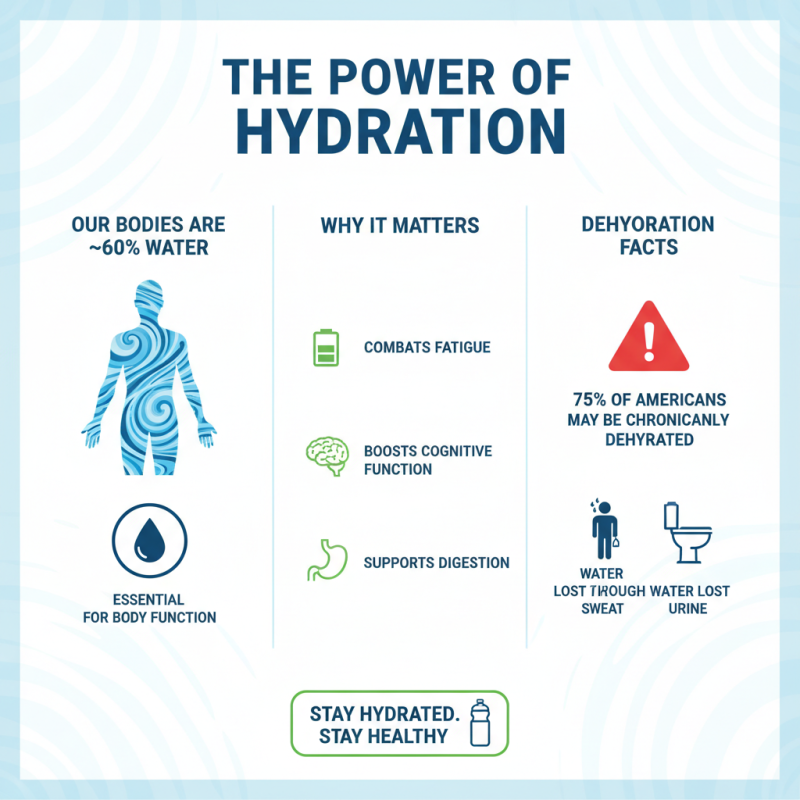
Hydration plays a critical role in our overall health. Our bodies are composed of about 60% water. This makes adequate fluid intake essential for proper body function. Dehydration can lead to fatigue, impaired cognitive function, and even digestive issues. Interestingly, studies suggest that about 75% of Americans may be chronically dehydrated. This is concerning, especially since our body loses water through sweat and urine daily.
To maintain optimal hydration, aim for about 3.7 liters for men and 2.7 liters for women, according to the National Academies of Sciences. Yet, many people don't meet these recommendations. One reason is the lack of awareness. Often, we mistake thirst for hunger, leading to poor hydration choices. Incorporating water-rich foods, like fruits and vegetables, can help bridge this gap.
Reflecting on our habits, we often prioritize tasks over sipping water. Remembering to take a break and drink can improve focus and productivity. Small changes can make a significant impact. Consider setting reminders or keeping a water bottle nearby. Hydration isn’t just about drinking; it’s about making a conscious effort to prioritize our well-being.
Stress management plays a crucial role in improving inner health. According to a report by the American Psychological Association, nearly 75% of adults experience moderate to high levels of stress. This chronic stress affects mental and physical well-being, leading to issues like anxiety and digestive problems. Simple yet effective techniques can help alleviate this burden.
Mindfulness meditation is one such technique. Research indicates that just ten minutes of daily practice can significantly reduce stress. It helps in focusing the mind and can lead to improved emotional regulation. Incorporating nature walks into your routine is another beneficial practice. A study from the University of Exeter found a 20% reduction in cortisol levels among those who spend time in natural settings.
Writing in a journal can also provide an outlet for emotional expression. Reflecting on your thoughts allows for deeper understanding and clarity. Yet, many struggle to maintain consistency with these practices. It's common to feel overwhelmed and abandon them. Acknowledging this challenge is the first step toward finding what truly works for you. Embrace the imperfections in your journey to inner health.
Sleep plays a crucial role in our inner health. It influences physical recovery and emotional balance. Without enough sleep, we may feel drained. Our minds can become cloudy, making it hard to focus. Aim for 7-9 hours of quality sleep each night. Create a bedtime routine that signals your body to wind down.
Try to limit screen time before bed. The blue light emitted by devices can disrupt your natural sleep cycle. Consider putting away screens at least one hour before bed. A dark, cool room can also help you fall asleep faster.
Additionally, practice relaxation techniques. Deep breathing or gentle yoga can calm your mind. This can set a peaceful tone for sleep. Listen to your body. If you wake often during the night, reflect on your sleep environment. Are there distractions? Adjusting your space could lead to better rest.
Physical activity is essential for boosting inner health. Regular exercise improves physical fitness and enhances mental wellbeing. A study by the World Health Organization shows that 150 minutes of moderate exercise weekly can significantly reduce anxiety and depression levels. Engaging in activities like brisk walking, cycling, or yoga can elevate your mood immediately. It releases endorphins, the body's natural mood lifters.
Incorporating exercise into your daily routine doesn't have to be daunting. Start small if needed. Maybe a short 10-minute walk each day. You might not notice changes overnight. That’s okay. Consistency is key. Research indicates that even short bouts of activity, when done regularly, can lead to substantial benefits over time. However, many struggle to maintain motivation. It’s normal to have ups and downs.
Pay attention to how exercise impacts your inner health. Do you feel more energetic or calm? Reflect on your routines. Are you prioritizing physical activity? Remember that the journey requires patience. Small efforts matter. Celebrate your progress, however minor. Achieving optimal wellbeing is a continuous process. It's essential to remain committed and open to adjustments along the way.
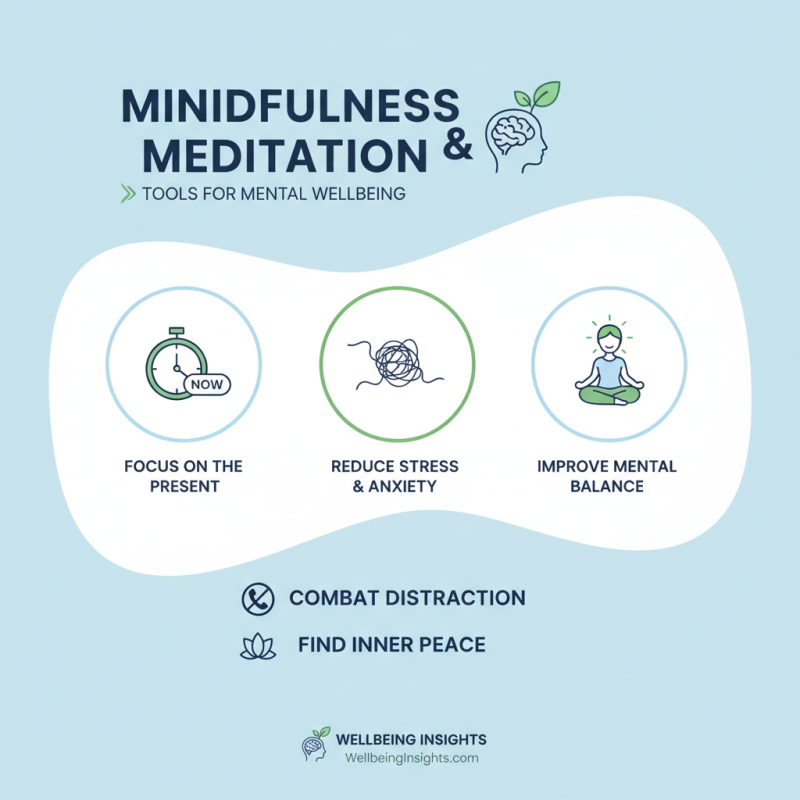
Mindfulness and meditation have gained popularity as essential tools for maintaining balanced mental wellbeing. These practices encourage individuals to focus on the present. In our fast-paced lives, distractions abound. We often find ourselves lost in thoughts or worries. By grounding ourselves in the moment, we can alleviate stress and anxiety.
When practicing mindfulness, aim to connect with your surroundings. Pay attention to your breath, the sounds around you, or the texture of objects. These small details anchor you in reality. Meditation can take various forms, such as sitting quietly or mindful walking. Each method invites reflection. It’s a practice that can feel clumsy at first. Thoughts may wander constantly, and that's perfectly normal. The key is to gently bring your attention back.
Incorporating these practices into daily life can be challenging. Carving out time for yourself may feel selfish. Yet, it’s often necessary to recharge. As you navigate this journey, recognize that progress is not linear. Some days will be easier than others. Embrace those imperfections. They remind you that growth is ongoing.
: This product enhances everyday life. It improves convenience and offers unique features users appreciate.
Follow the instructions. Use it in recommended environments. Adjust settings based on personal needs.
Many can benefit, but some may face challenges. Consider personal preferences and limitations before use.
Check the instructions for troubleshooting. Sometimes, a simple reset can fix the issue. If not, seek support.
Regularly wipe it down with a damp cloth. Avoid harsh chemicals. Refer to the care guide for specific advice.
Review the return policy. Reach out for assistance. Address any worries promptly for a better experience.
Yes, but ensure it’s in suitable conditions. Excessive heat or moisture can cause issues.
Compatibility varies. Check specifications before pairing it with other devices. Experience may differ between users.
The warranty period is typically defined in the documentation. It provides coverage for certain issues.
Yes, there may be limits based on location or intended use. Always read the guidelines for compliance.
Inner Health Care is essential for overall wellbeing, encompassing various aspects that contribute to both mental and physical health. Understanding inner health involves recognizing the interconnectedness of nutrition, hydration, stress management, sleep, physical activity, and mindfulness. A well-balanced diet rich in nutrients plays a crucial role in supporting bodily functions, while staying hydrated is key to maintaining optimal performance.
Additionally, effective stress management techniques and adequate sleep are vital for recovery and emotional balance. Regular physical activity not only enhances physical fitness but also supports mental wellbeing. Incorporating mindfulness and meditation practices can further promote inner peace and clarity. By prioritizing these ten inner health care tips, individuals can foster a holistic approach to their wellbeing, ensuring a healthier and more balanced life.