Making your own yogurt at home can be such a rewarding experience. Honestly, using a good-quality Kosher Yogurt Starter can really make a difference. In this article, we'll look at some of the best options out there, especially when it comes to taste and texture.
Now, I won't lie—perfecting homemade yogurt does take a bit of practice. Having a reliable Kosher Yogurt Starter is super important if you want that creamy, smooth consistency. Plus, different starters can give you unique flavors, which can totally change how your final product turns out.
Some brands are clearly favorites among folks, but others might not quite hit the mark. So, doing a little homework before picking a starter is pretty smart. It’s a good idea to check out reviews and get a feel for what’s in those ingredients. Sure, mistakes happen—sometimes a batch won’t turn out just right—but honestly, every failed attempt is a chance to learn. With a bit of experimenting, you might just stumble upon a flavor combo or texture that’ll blow you away.
Best Kosher Yogurt Starter: Introduction to Homemade Yogurt Making
Making homemade yogurt can be a rewarding experience. It allows you to control ingredients and flavors. Kosher yogurt starters are crucial for this process. They contain live cultures that promote fermentation. According to a report from the International Dairy Federation, fermented dairy products see a growing demand worldwide. This is largely due to the increasing awareness of Probiotics and gut health.
Many people wonder about the best techniques for yogurt making. A common tip is to maintain a consistent temperature. Ideal fermentation occurs between 110°F to 115°F. You can use an oven or a yogurt maker to sustain this warmth. Equally important is the choice of milk. Whole milk leads to creamier yogurt, while skim milk creates a lighter texture. Experimenting with different milks can yield interesting results.
Remember, homemade yogurt might not always turn out perfectly smooth. Sometimes, the texture could be grainy or too thin. This is often a result of the starter cultures or milk used. It's essential to test various combinations. Reflect on your process and adjust as necessary. Each batch is an opportunity to learn and improve.
Best Kosher Yogurt Starter for Baking Delicious Homemade Yogurt
| Starter Type | Fermentation Time (hrs) | Texture | Flavor Profile | Recommended Milk Type |
| Plain Yogurt Starter | 6-12 | Creamy | Mild, Smooth | Whole Milk |
| Greek Yogurt Starter | 8-14 | Thick | Tangy, Nutty | Low-Fat Milk |
| Skyr Yogurt Starter | 12-16 | Very Thick | Rich, Creamy | Whole Milk |
| Dairy-Free Yogurt Starter | 8-10 | Creamy | Subtle, Natural | Almond Milk |
Understanding Kosher Certification in Dairy Products
Kosher certification is crucial for many consumers. It ensures that dairy products comply with Jewish dietary laws. This certification applies to both the ingredients and the manufacturing process. According to the Cohen Research Group, about 25% of the U.S. population purchases kosher products regularly. This reflects rising demand for transparency in food sourcing and production.
Understanding kosher yogurt begins with examining its ingredients. For example, milk must come from kosher animals. There are specific guidelines regarding how it's handled. This includes equipment used in processing. Many people confuse Bulgarian yogurt with plain yogurt. Bulgarian yogurt is fermented with a specific culture, offering distinct health benefits. Plain yogurt may lack these benefits if not carefully sourced.
Kosher certification also relates to quality and trust. A certified product often undergoes strict oversight. Many buyers feel more secure knowing that it adheres to these regulations. Consumers should be aware that not all yogurt labeled as "natural" is kosher. This is a common misconception. Ensuring you choose certified yogurt helps support culinary traditions while enjoying delicious, homemade yogurt.
Key Ingredients for High-Quality Yogurt Starters
When choosing a kosher yogurt starter, key ingredients determine the yogurt's quality. The primary ingredient is live active cultures, such as Lactobacillus bulgaricus and Streptococcus thermophilus. These strains help develop rich flavors and creamy textures. A study found that yogurt containing these specific cultures has a higher probiotic content, enhancing both taste and health benefits.
A good starter should also include milk powder. This ingredient increases protein content, contributing to a thicker consistency. A 2021 report noted that yogurt with added milk powder has a creamier mouthfeel. Some bakers overlook this detail but miss out on improving the final product’s texture. Additionally, high-quality milk is essential. The source and processing of milk can significantly affect taste and nutrient profiles.
While some may consider using Bulgarian Yogurt Vs Regular Yogurt as a starter, the choice is crucial. Bulgarian yogurt has a unique fermentation process, resulting in a tangier taste and richer probiotic content. However, users sometimes struggle with consistency when transitioning between starters. Experimenting with different combinations of cultures can lead to unexpected flavors—both delightful and challenging. Understanding these ingredients deeply can elevate homemade yogurt adventures.
Essential Probiotics for Optimal Yogurt Texture and Flavor
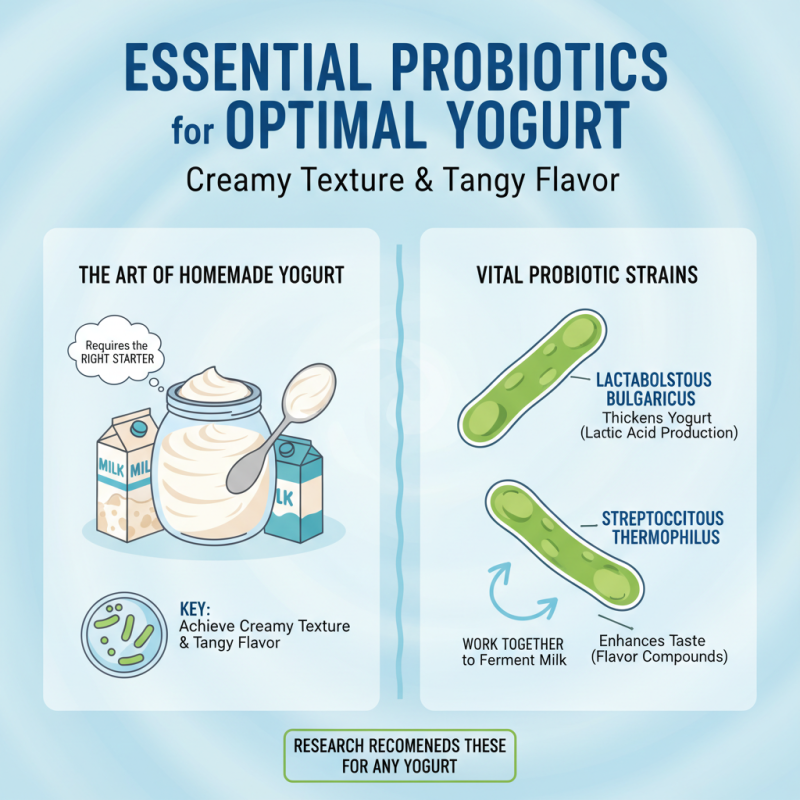
Making homemade yogurt is an art that requires the right starter. Essential probiotics are key to achieving that creamy texture and tangy flavor. Research suggests that Lactobacillus bulgaricus and Streptococcus thermophilus are vital strains for any yogurt. These bacteria work together to ferment milk, producing lactic acid that thickens the yogurt and enhances its taste.
When considering the texture, fat content plays a significant role. Whole milk can yield creamier yogurt compared to low-fat alternatives. According to a study from the Journal of Dairy Science, yogurt made from whole milk had a smoother mouthfeel and a richer flavor profile. Experimenting with different milk types could lead to unexpected results, showcasing the beauty of homemade yogurt.
**Tip:** Always use fresh milk for the best results. It's essential to heat the milk adequately before adding the starter. If the temperature is too low, fermentation slows down, affecting texture and flavor.
The fermentation time also influences your yogurt. A longer fermentation can result in a tangier taste but may also lead to overly thick yogurt. Keep notes on each batch to refine your recipe. Each attempt is a learning experience that can help you perfect your yogurt.
Comparison of Commercial vs. Homemade Yogurt Starters
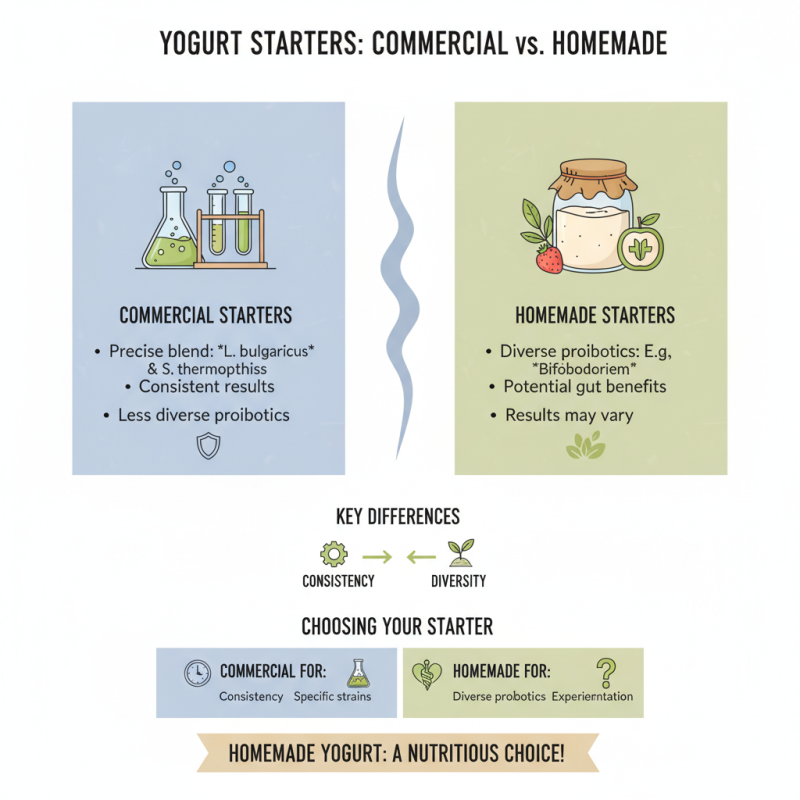
In the world of yogurt production, the choice of starter culture can greatly impact the end product. Commercial yogurt starters often contain a precise blend of bacteria. These typically include Lactobacillus bulgaricus and Streptococcus thermophilus. However, they can lack the diverse probiotic strains found in some homemade options. Research by the International Dairy Federation suggests that homemade yogurt can contain beneficial strains like Bifidobacterium, which are associated with gut health.
Homemade yogurt starters offer a unique alternative. They can be tailored to individual preferences, providing a richer, more varied flavor profile. For enthusiasts, using a Bifidobacterium Yogurt Starter allows for experimentation. While the consistency may not always match a commercial product, the nutritional benefits can be significant. A report by the Dairy Science and Technology journal indicates that homemade yogurts often have higher probiotic content. This can lead to improved digestion and overall health.
Yet, challenges exist. Homemade yogurt may be less predictable. The fermentation time can vary, affecting taste and texture. Some individuals have found that achieving the perfect consistency requires several attempts. This process can be frustrating, but it encourages a deeper understanding of fermentation science. Ultimately, the choice between commercial and homemade yogurt starters should align with personal goals and preferences.
Step-by-Step Guide to Making Yogurt at Home
Making homemade yogurt can be an enjoyable and rewarding process. A key element is choosing the right starter culture. For traditional yogurt, many enthusiasts recommend using a Bulgarian starter culture. This type of culture can enhance the texture and flavor of your yogurt, making it delightfully creamy and rich.
To craft delicious homemade yogurt, start by heating your milk to about 180°F (82°C). This step kills unwanted bacteria and ensures better texture. After cooling the milk to around 110°F (43°C), stir in your Bulgarian starter culture. Allow it to ferment in a warm environment for 6 to 12 hours. The longer the fermentation, the tangier the yogurt.
Tip: Use a thermometer to keep track of temperatures. This helps prevent overheating or cooling too much. If you notice your yogurt isn't setting well, check the freshness of your starter culture. Freshness matters significantly for successful fermentation.
Storing your yogurt properly is crucial. Use clean, airtight containers to maintain its freshness. After making your yogurt, it may separate. Gently stir it before serving. Remember, each batch might require tweaks in time or temperature to reach your desired taste and texture. Homemade yogurt is a delightful journey of experimentation and learning.
Tips for Flavoring and Enhancing Your Homemade Yogurt
Creating homemade yogurt is a delightful culinary adventure. Adding flavors can elevate your yogurt to new heights. Fresh fruits, such as strawberries or peaches, provide natural sweetness and a burst of color. Consider using dried fruits like figs or dates for a chewy texture. Spices such as cinnamon or vanilla can add warmth and aromatic notes.
Experimenting with herbal infusions can offer unique flavors. Fresh mint or rosemary can impart refreshing nuances. Be mindful, though: too much can overpower the yogurt. Start with half a teaspoon and adjust to your taste. Also, consider the acidity; balancing flavors is crucial. A touch of honey or maple syrup can sweeten without overwhelming.
Texture matters too. A smooth yogurt can sometimes feel plain. Adding nuts or seeds can enhance the experience, providing crunch and nutrition. It’s easy to become overly ambitious with additives; finding the right balance is key. Reflect on your taste preferences. At times, simplicity wins out, letting the yogurt shine. Keep experimenting until you find your perfect blend.
Best Kosher Yogurt Starter for Baking Delicious Homemade Yogurt
The Ultimate Guide to Homemade Yogurt: Discovering the Benefits of Yo-ZC458 Yogurt Starter Culture
Making homemade yogurt using a yogurt starter culture can be a delightful and healthful endeavor. Among the many benefits of including yogurt in your diet is its rich content of probiotics, such as Lactobacillus and Bifidobacterium. These beneficial bacteria play a crucial role in improving intestinal health by balancing gut flora and inhibiting the growth of harmful bacteria. As a result, regular consumption of yogurt can strengthen your immune system, helping your body fend off illnesses.
Additionally, yogurt's probiotic content enhances digestion and aids in the absorption of vital nutrients like calcium and magnesium, which are essential for maintaining strong bones. The regular intake of homemade yogurt may also contribute to lower blood cholesterol levels, thereby reducing the risk of cardiovascular diseases. For individuals who experience lactose intolerance, the lactic acid bacteria found in yogurt can break down lactose, alleviating discomfort and enabling them to enjoy this nutritious food without adverse effects. All in all, incorporating yogurt into your diet using a quality yogurt starter culture presents an easy and effective method of promoting overall health and well-being.
FAQS
: Live active cultures, like Lactobacillus bulgaricus, enhance yogurt's flavor and texture. They are crucial for quality.
Milk powder boosts protein content. This helps achieve a thicker consistency and creamier texture in yogurt.
Yes, Bulgarian yogurt can work as a starter. It has a unique fermentation process, leading to tangy flavors.
Homemade starters offer tailored flavors and often higher probiotics. They may lack consistency, but the health benefits are significant.
Heat the milk to about 180°F (82°C). This kills unwanted bacteria and improves yogurt consistency.
Use a thermometer for temperature control. Adjust fermentation time based on taste preferences for better results.
Consistency can vary with homemade yogurt. It may take several batches to perfect the taste and texture.
Fermentation time impacts yogurt's tanginess and consistency. Longer fermenting leads to a tangier flavor profile.
Store yogurt in clean, airtight containers. This keeps it fresh and prevents separation. Stir gently before serving.
Check the freshness of your starter culture. An expired culture can hinder the fermentation process.
Conclusion
The article "Best Kosher Yogurt Starter for Baking Delicious Homemade Yogurt" explores the essentials of making homemade yogurt with a focus on kosher certification and quality ingredients. It begins by introducing the process of yogurt making and the importance of understanding kosher certification in dairy products. The article emphasizes key ingredients and essential probiotics that contribute to the texture and flavor of high-quality yogurt starters, highlighting the differences between commercial and homemade options.
Additionally, the article provides a step-by-step guide to making yogurt at home, along with tips for flavoring and enhancing the final product. By using a reliable Kosher Yogurt Starter, home bakers can ensure their yogurt meets dietary requirements while enjoying a fresh, delicious treat. This guide serves as an excellent resource for anyone looking to delve into the world of homemade yogurt while adhering to kosher standards.