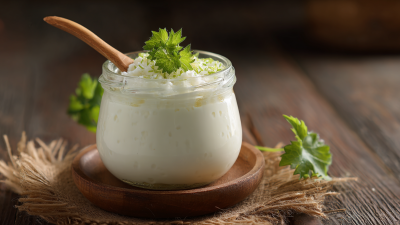
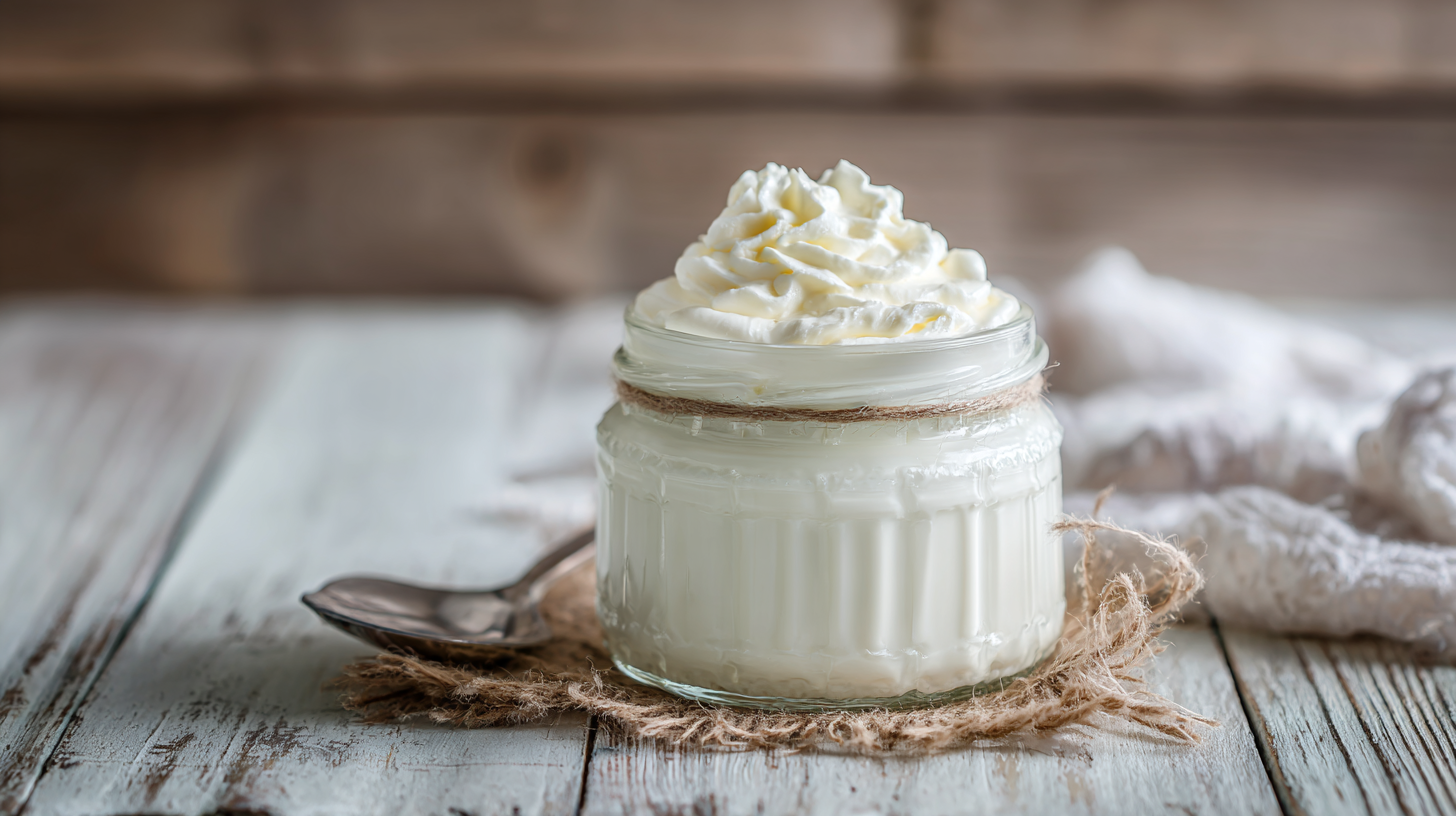
Have you noticed how the global yogurt scene has been booming lately? It’s pretty fascinating, mainly because more folks are loving probiotic-rich foods that help with gut health. I came across a 2022 market report from Grand View Research, and it’s pretty crazy — they’re estimating the yogurt market will hit around USD 185.6 billion by 2028, growing at a steady clip of about 3.8% annually. At the heart of all this success are these amazing Yoghurt Fermentation Agents. They’re basically the secret sauce that affects everything — the taste, the quality, and all those health perks we love.
Companies like Zhongchuang Yike, based in Shanghai, are doing some pretty important work here, offering top-notch probiotics, Postbiotics, and fermentation agents designed specifically for making good quality yogurt. As we dig into the top fermentation agents out there, I think it’ll be interesting to see how effective they really are and what makes each one stand out. All this just shows how these ingredients are fueling the rapid growth of the yogurt industry and helping meet the needs of all kinds of applications—pretty exciting stuff, don’t you think?
Factors Influencing the Choice of Yoghurt Fermentation Agents in the Industry
When it comes to choosing fermentation agents for yogurt, there are quite a few things that really influence what companies pick. One of the biggies is the specific types of bacteria they use – yeah, those strains matter! Different strains can give the yogurt unique flavors and textures, and some even boost its health perks. For example, probiotics like Lactobacillus and Bifidobacterium are popular because they do wonders for gut health. So, manufacturers often choose bacteria that can enhance those benefits.
Another thing to keep in mind is how consistent and reliable these fermentation agents are. In a commercial setup, folks need ingredients that work predictably so they can keep each batch tasting and looking the same. If things vary too much, it can mess with the quality and even hurt the brand’s reputation. Cost is also a big factor—obviously, brands want to get good quality without breaking the bank. They’re trying to find that sweet spot between affordability and high standards. All these considerations—bacteria types, consistency, and cost—basically steer the decisions companies make to satisfy customers while keeping production smooth and efficient.
Comparative Analysis of Probiotic Strains: Benefits and Applications
Lately, there's been a noticeable surge in folks looking for probiotic yogurts. That’s got manufacturers experimenting with all sorts of fermentation agents to make their products tastier and healthier at the same time. When you take a closer look at the top probiotic strains out there, you’ll see they’re quite different in how well they work and where they’re best used. According to the International Dairy Federation’s 2022 report, the classic champs—Lactobacillus bulgaricus and Streptococcus thermophilus—still dominate the traditional yogurt scene. But, interestingly enough, newer strains like Lactobacillus acidophilus and Bifidobacterium bifidum are really starting to catch on, mainly because of their strong health perks. These guys aren’t just great for gut health; they’re also rumored to give your immune system a nice boost, which is why so many health-conscious folks are into them these days.
Plus, studies show that crafting yogurt with specific probiotic strains can actually give it a bit of an edge in terms of functional benefits. For example, research from the Journal of Dairy Science points out that yogurts made with Bifidobacterium lactis do a pretty good job of keeping probiotics alive longer during storage and also help folks digest lactose better—even better news for those who are lactose intolerant. As the market keeps expanding, it’s pretty clear that understanding the ins and outs of these probiotic strains is key for makers who want to meet the growing demand for products that taste good and do good for your health.
Market Share Overview: Leading Brands in the Yoghurt Fermentation Sector
In the fast-changing world of yogurt fermentation, big brands are really competing to grab your attention, each using their own special fermentation methods. The scene is dominated by a few major players who’ve managed to carve out a solid spot in the market by pushing innovative ideas and offering high-quality products. Names like Danone and Chobani have made pretty impressive progress — their recipes are designed to meet the rising demand for healthier options. They emphasize using live probiotic cultures, which not only boost the flavor and texture but also catch the eye of folks looking for foods that are good for their digestion.
On the other hand, newer brands are stirring things up with niche products, like lactose-free and plant-based yogurts. So, it’s not just about traditional dairy anymore — the definition of yogurt itself is expanding. Companies like Oikos and Kite Hill are really changing the game with their unique takes, making it clear that the old rules no longer apply. The shifting market shares show that consumers’ tastes are evolving fast, which means brands need to keep innovating and focusing on quality to stay relevant in this lively, competitive sector.
Exploring the Best Yoghurt Fermentation Agents: A Comparative Analysis of Market Leaders
| Fermentation Agent Type | Market Share (%) | Growth Rate (Annual %) | Application Area |
| Probiotics | 35 | 8 | Health-focused Yoghurt |
| Traditional Cultures | 25 | 4 | Classic Yoghurt |
| Non-Dairy Cultures | 15 | 12 | Plant-based Yoghurt |
| Custom Blends | 10 | 5 | Specialty Yoghurt |
| Starter Cultures | 15 | 6 | Commercial Yoghurt Production |
Impact of Fermentation Agents on Nutritional Value and Taste Profiles
When you're diving into the world of yoghurt fermentation agents, it's really important to get a feel for how they influence both the flavor and nutritional value of your final product. Different agents can totally change how the fermentation goes—affecting not just the probiotic content, but also the taste you end up with. For example, classic strains like Lactobacillus bulgaricus and Streptococcus thermophilus are known for giving yoghurt that nice creamy texture and a bit of that tangy flavor we all love. On the flip side, newer strains like Lactobacillus rhamnosus might boost the health perks without sacrificing the familiar taste that folks are looking for.
Pro tip: When you're picking a fermentation agent, think about what’s more important for you—do you want that strong probiotic punch, or is flavor your main concern? Sometimes, mixing different strains can surprise you with a unique combo that hits both health and taste spots.
Plus, don’t forget that fermentation temperature and how long you ferment also really shape the final yogurt. If you go for a warmer temp, it speeds things up and usually makes the yogurt more tangy. Cooler temps tend to produce a milder flavor. Understanding how these variables work means you can tweak your process to make a yogurt that people will love, while still getting all those health benefits.
Another tip: It's a good idea to do taste tests as you go along—this way, you’ll find that sweet spot between flavor and nutrition. Playing around with different fermentation times and temperatures can really help you discover that perfect balance for your yogurt. So, don’t be afraid to experiment a little—you might just end up with a product that’s uniquely yours and totally irresistible.
Regulatory Standards and Quality Assurance for Yoghurt Fermentation Agents
When it comes to making yogurt, choosing the right fermentation agents is super important. Not only does it influence the flavor and texture of the final product, but it also has to meet strict regulatory standards. There are all kinds of rules out there—like the ones from the FDA in the US and EFSA in Europe—that make sure any microbial strains used in yogurt are carefully checked for safety and health benefits. Basically, these regulations are in place to keep us all safe and to make sure we're getting top-quality yogurt.
On top of that, quality control really matters in the yogurt biz. Manufacturers have to follow Good Manufacturing Practices (GMP) and Hazard Analysis and Critical Control Points (HACCP) to spot and prevent any potential issues during fermentation. That means regular testing for microbial contamination and keeping the product consistent each time. Meeting these standards not only builds trust with consumers but also helps keep the whole yogurt market honest and reliable. So, if you’re a producer trying to stay competitive in the game of yogurt fermentation, it’s pretty much essential to understand these regulations and quality processes. It’s all about making safe, tasty yogurt that people love and can trust.
Consumer Trends: Preferences for Natural vs. Commercial Yoghurt Cultures
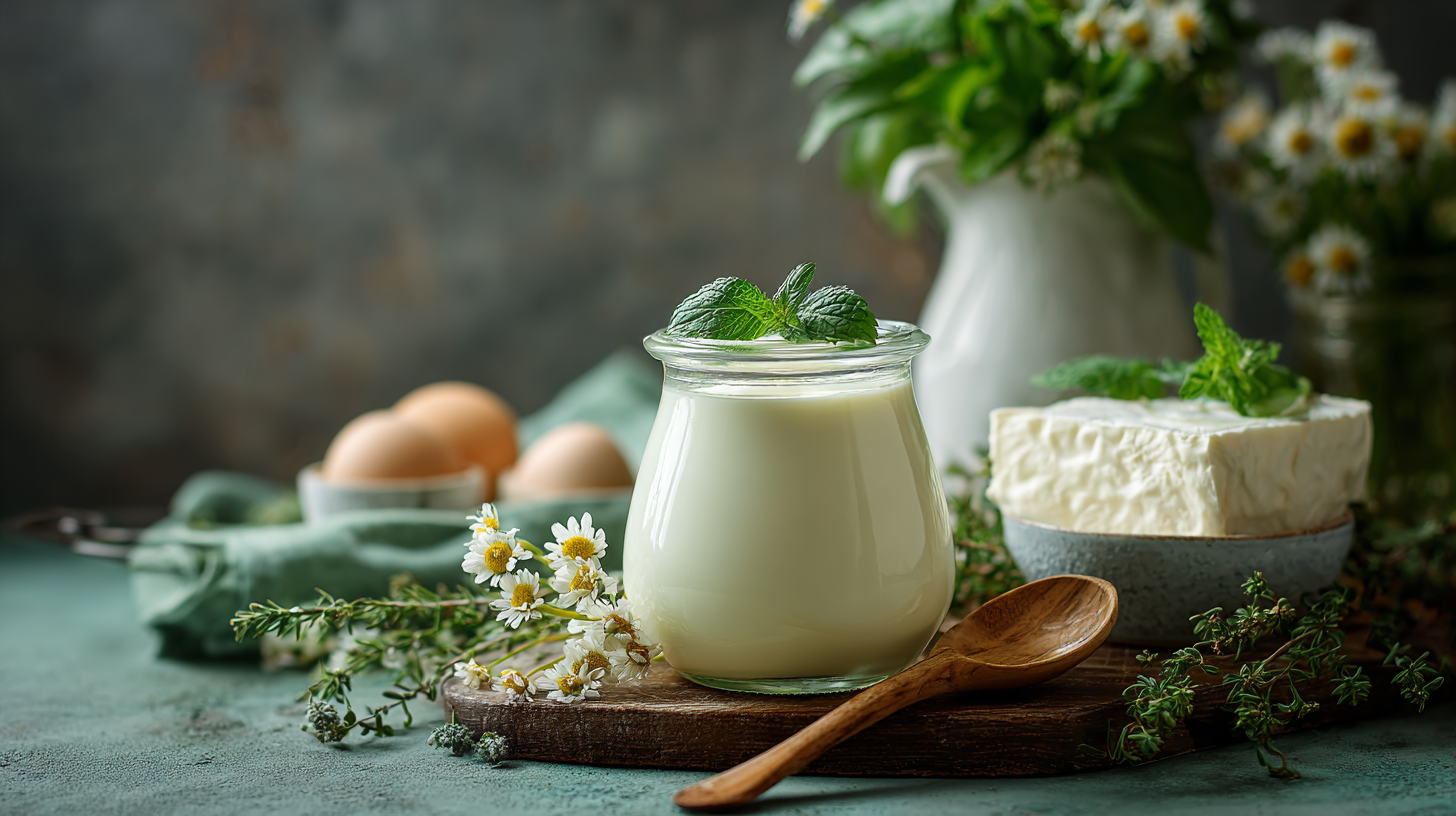
Lately, it feels like everyone's got their own take on yogurt. More folks are leaning towards homemade or traditional methods, favoring natural fermentation over the usual commercial cultures. They’re really into the idea of probiotics and those live cultures in fermented foods — it’s like a buzzword now, you know? Because of this, there’s been a noticeable jump in demand for yogurts made the old-school way, often using raw or organic ingredients. And honestly, it’s not just about health — people also crave authentic flavors and textures that big brands just don’t seem to capture quite the same way.
At the same time, though, commercial yogurts are still hanging in there, dominating shelves mainly because they’re super reliable and easy to grab. For busy folks, these options are pretty much a no-brainer — quick, consistent, and convenient. Let’s face it, sometimes convenience wins over authenticity, especially when life gets hectic. Plus, manufacturers are stepping up their game with new flavor combinations and added nutrients, making store-bought yogurts pretty tempting for a lot of people. As these two trends keep evolving, the yogurt scene is really interesting — trying to please both the health-conscious crowd and those who just want something fast and easy. It’s a bit of a balancing act, but that’s what makes it so fascinating to watch, don’t you think?
FAQS
: The main factors include the specific strains of bacteria used, the consistency and reliability of fermentation agents, and cost-effectiveness. These elements help manufacturers balance product quality with consumer preferences.
Lactobacillus bulgaricus and Streptococcus thermophilus are dominant in traditional yoghurt, while strains like Lactobacillus acidophilus and Bifidobacterium bifidum are gaining popularity due to their health benefits.
Different strains contribute unique flavors and textures, improve gut health, boost the immune system, and offer functional properties like better lactose digestion, particularly beneficial for lactose-intolerant individuals.
Consumers are increasingly aware of the health benefits of probiotics and live cultures in naturally fermented products, driving demand for authentic taste and texture that they feel commercial cultures do not replicate.
Commercial yoghurt cultures provide reliability and convenience, yielding consistent products that are quick and easy to grab, appealing to busy lifestyles.
Manufacturers are innovating by combining traditional fermentation methods with new flavorings and added nutrients to cater to both health-conscious consumers and those seeking convenience.
Conclusion
When it comes to making really good yogurt, choosing the right fermentation agents is a big deal. There are so many factors at play here — from the different benefits that various probiotic strains bring to the table, to how they can boost the nutrition and improve flavor. If you look at the market, you'll notice some brands lead the pack, not just because they hold a large share, but also because they stick to strict quality standards, ensuring you get a reliable, safe product.
Lately, people are leaning more towards natural yogurt options rather than heavily processed or commercial cultures. Companies like Zhongchuang Yike (Shanghai) Health Technology Co., Ltd. are really stepping up, providing top-notch probiotics, postbiotics, and fermentation agents that meet these new preferences. It just goes to show how important it is to pick the right fermentation agents — not only to keep up with what consumers want but also to make sure the final product is as good as it can be.