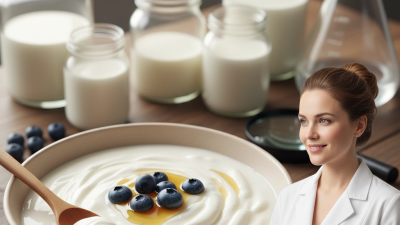
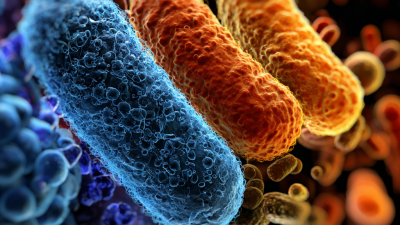
Dahi Starter is basically a living culture that transforms warm milk into that soft, tangy goodness we know as dahi. It’s filled with lactic acid bacteria, but the exact mix can actually vary pretty a lot—depending on who’s making it, the region, or even the household. These bacteria love lactose, and as they munch away on it, they produce lactic acid. When enough acid develops, the milk proteins start to lose their smooth suspension and turn into a gentle gel. That’s actually why you see a spoon standing up for a moment in freshly made dahi — science at work!
The FAO and WHO’s Codex Alimentarius Standard for Fermented Milks describes fermentation as a controlled microbial process that changes milk’s acidity and texture. Commercial yogurts, according to reports from Grand View Research, are in high demand worldwide, which means there’s a steady interest in reliable starter cultures. But, I should point out, don’t mistake traditional dahi for the industrial stuff. Traditional cultures often include different bacteria like Lactococcus, Leuconostoc, Streptococcus, and Lactobacillus species — and that can vary depending on where you’re from and how you make it.
Sandor Ellix Katz, a fermentation guru, sums it up nicely: “Fermentation is the transformation of food by microorganisms.” That really hits home with dahi starter, but… it’s not all about just following a rule book. Practical things like milk temperature, how fresh your culture is, how long it ferments, and even how clean your container is all matter — and let’s be honest, every kitchen’s a little different.
A good starting point? Heat your milk just right — it shouldn’t be boiling hot, but warm enough. Then, let it cool a bit before mixing in a small spoonful of active starter. From there, it’s just a waiting game until it sets. Keep in mind, if your starter’s weak, your dahi might turn out pretty thin. Or if you overheat the milk, you could end up killing the bacteria. It’s not a perfect science — but understanding these little variables helps make your dahi more consistent, safer to handle, and easier to judge when it’s ready.
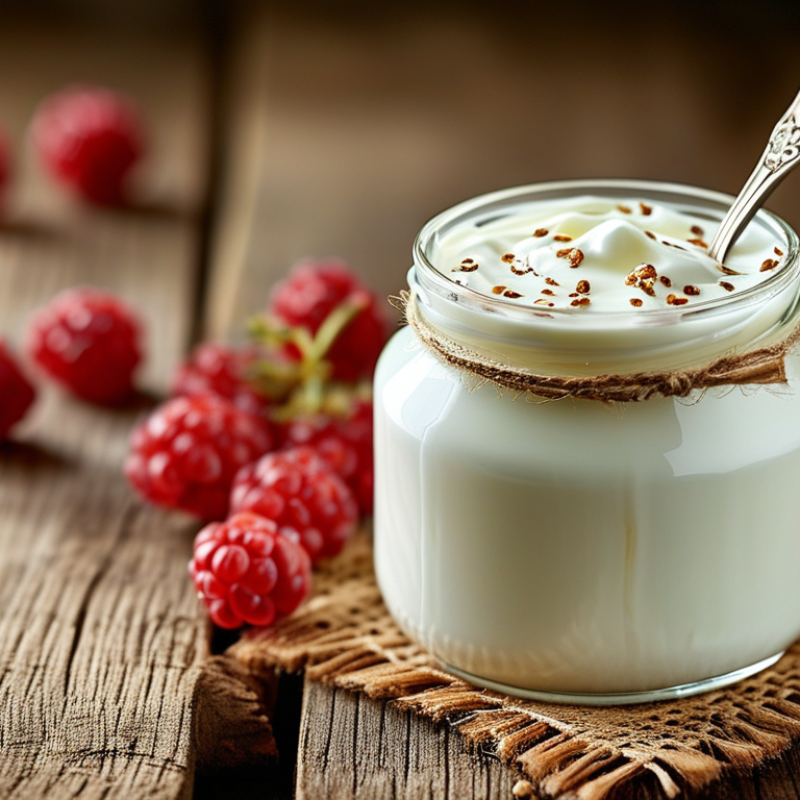
Dahi starter is a small portion of fermented curd used to culture fresh milk. It usually contains living lactic acid bacteria, along with traces of milk proteins, fat, and lactose. Traditional starters may carry several natural bacterial strains from earlier batches. Their balance can change with the household, season, and storage conditions. Commercial powdered starters may contain selected bacteria and harmless food-grade carriers.
When added to warm milk, these bacteria feed on lactose, the milk’s natural sugar. They produce lactic acid during fermentation. This acid lowers the milk’s pH and helps milk proteins join together. The result is thicker dahi with a pleasantly sour flavor. Warm conditions support bacterial activity, while excessive heat can damage the culture. Clean utensils also matter because unwanted microbes may compete with the starter.
In my own kitchen, batches have not always behaved consistently. One may set firmly overnight, while another remains loose despite using the same spoonful. Milk composition, starter freshness, and room temperature can explain much of this variation. A starter that smells unusually sharp, looks discolored, or has visible mold should not be reused. I once underestimated how quickly a weak culture loses strength in the refrigerator. That mistake made the next batch noticeably thinner. Dahi starter is simple, but it is not perfectly predictable.
Dahi starter is a small portion of already cultured dahi used to begin a fresh batch. Its main role is introducing beneficial lactic acid bacteria into warm milk. These bacteria consume lactose, the natural milk sugar, and produce lactic acid. As acidity increases, milk proteins join together and create dahi’s soft, set texture.
The process depends on temperature and timing. Milk should be heated thoroughly, then cooled until it feels warm rather than hot. A clean spoon can mix the starter evenly through the milk.
Too much heat may weaken the bacteria. Too little warmth may slow their activity. The container then rests undisturbed for several hours, often in a warm kitchen. During this quiet period, the culture changes the milk gradually. You can notice a gentle tang and a firmer surface.
A good starter usually comes from fresh, plain dahi with a clean smell and active culture. The first batch may turn thin or slightly sour. That does not always mean failure, but it deserves attention. Room temperature, milk composition, and starter strength can all affect the result. I once assumed longer incubation would always improve texture; it often made the dahi sharply acidic instead. Clean utensils matter because unwanted microbes can compete with the intended culture. Refrigerate the finished dahi promptly, and discard it if you see mold, unusual colors, or an unpleasant odor.
What Is Dahi Starter and How Does It Work?
Preparing milk correctly is the quiet foundation of homemade dahi. I use fresh, pasteurized milk and pour it into a clean, heavy saucepan. Heat it slowly until it reaches about 82–85°C. This temperature changes the milk proteins, helping the curd become thicker and smoother. Do not rely only on bubbles. A kitchen thermometer gives better control.
Keep the milk at this temperature for a few minutes, stirring gently so it does not scorch at the bottom. Then remove the pan from the heat. Let the milk cool to approximately 43–45°C before adding the Dahi Starter Culture. It should feel warm, not hot, against a clean fingertip. Too much heat can weaken the helpful bacteria. I once added the starter too early, and the result stayed thin.
Use a clean spoon and mix the starter into a small amount of warm milk first. This prevents lumps. Stir that mixture back into the pan with slow, even movements. Cover the container and place it somewhere warm and still, such as inside an unheated oven. The milk usually needs several hours to set. Avoid moving it during this stage. Even a small shake can disturb the forming curd. I prefer checking after six hours, though room temperature changes the timing. When the surface looks firm and gently wobbles, refrigerate it.
What Is Dahi Starter and How Does It Work?
Dahi starter is a small portion of fermented curd used to culture fresh milk. During fermentation, living lactic acid bacteria consume lactose, the natural sugar in milk. They produce lactic acid as a by-product. This acid slowly lowers the milk’s pH and changes its texture. The milk proteins tighten into a soft, spoonable gel. That transformation creates dahi’s mild tang and delicate body.
A reliable Starter Culture For Dahi needs clean handling and suitable warmth. Heat the milk thoroughly, then let it cool until comfortably warm, not hot. A clean finger should sense gentle warmth without discomfort. Stir in the starter evenly, cover the container, and leave it undisturbed. In many kitchens, fermentation takes four to eight hours. The exact time depends on room temperature, milk composition, and starter strength. A warm shelf may produce firm dahi before breakfast.
Small details matter. An oily spoon or a dirty container can introduce unwanted microbes. Excessive heat can weaken the culture. Too much starter may create a sharp taste rather than faster fermentation. I once assumed a thicker starter always worked better, but freshness mattered more. The surface may look set while the center remains loose. Check both before chilling. Refrigeration slows bacterial activity and helps the gel become firmer, though it does not repair overheated or contaminated milk.
What Is Dahi Starter and How Does It Work?
Dahi starter is a living Starter Culture added to warm milk. It converts lactose into lactic acid through fermentation. That acid lowers pH and makes milk proteins join into a soft gel. Temperature controls both speed and character. Around 40–45°C usually supports a quick, firm set, while cooler fermentation can produce a gentler flavor. Hotter conditions may create sharp acidity and a grainy texture.
Milk solids matter as much as the culture. Higher protein and reduced water usually produce thicker dahi. The Codex Standard for Fermented Milks, CXS 243-2003, lists 2.7% minimum milk protein and 0.6% titratable acidity for yogurt. Dahi standards differ by region, but these figures offer useful technical reference points. Heating milk before inoculation also changes texture. It can denature whey proteins, helping them hold water more effectively.
Flavor depends on culture balance, fermentation time, and cooling speed. A longer set often tastes tangier. Rapid refrigeration slows acid production and protects a cleaner flavor. Avoid stirring before the gel fully forms. I have found that even small temperature changes can alter the result. That part remains easy to underestimate. The FSSAI manual also emphasizes hygienic handling and controlled incubation for fermented dairy quality. A clean spoon, fresh milk, and consistent timing matter more than many home recipes admit.
| Control Factor | Typical Working Range | Effect on Texture and Set | Effect on Flavor | Practical Guidance |
|---|---|---|---|---|
| Dahi Starter | Plain dahi containing active lactic acid bacteria; commonly about 1–2 tablespoons per liter of milk | A fresh, active starter usually produces a more reliable and evenly set curd. | It transfers acidity and the characteristic fermented-milk flavor to the new batch. | Use plain, unsweetened dahi with live cultures. Avoid using a starter that is old, overheated, or strongly separated. |
| Milk Type | Whole milk generally gives the richest body; lower-fat milk produces a lighter set | Higher fat and milk solids support a creamier, firmer texture, while diluted milk may set softly. | Whole milk usually has a fuller and rounder dairy flavor. | For a thicker result, use milk with higher solids or reduce the milk slightly before inoculation. |
| Heating the Milk | Heat until steaming and near a simmer, then cool before adding the starter | Heating helps denature whey proteins, allowing them to form a stronger gel during fermentation. | Proper heating can create a mild cooked-milk note; scorching produces an undesirable burnt flavor. | Stir during heating and do not add starter while the milk is still very hot. |
| Inoculation Temperature | Approximately 40–45°C (104–113°F) | This range supports active fermentation and helps the curd set consistently. | Suitable temperatures encourage a clean, balanced tang. | Temperatures that are too high can damage the starter cultures; temperatures that are too low slow fermentation. |
| Starter Distribution | Mix the starter thoroughly into cooled milk | Even distribution produces a uniform gel instead of weak or unset areas. | It helps prevent uneven acidity, with some parts becoming sourer than others. | Blend a small amount of milk into the starter first, then stir that mixture gently into the remaining milk. |
| Incubation Temperature | Approximately 37–43°C (99–109°F) | Warm, stable conditions generally produce a smoother and firmer set. | Warmer incubation tends to accelerate acid development and can produce a sharper taste. | Keep the container covered and avoid moving it while the gel is forming. |
| Fermentation Time | Usually about 4–8 hours, depending on temperature and starter activity | Short fermentation may leave the dahi loose; extended fermentation creates a firmer but potentially more acidic curd. | Acidity increases as bacteria convert lactose into lactic acid. | Stop fermentation when the surface is set and the flavor is mildly tangy, then refrigerate. |
| Container Movement | Keep the mixture still during incubation | Disturbance before the gel is firm can break the developing protein network and cause a weak or watery set. | Movement does not directly create sourness but may lead to uneven fermentation. | Place the container in its final position before incubation and handle it gently afterward. |
| Cooling After Setting | Refrigerate promptly once the dahi has set | Cooling slows bacterial activity and helps the gel become more stable. | It limits further acid production and helps preserve a balanced taste. | Chill for several hours before serving for the best body and cleanest flavor. |
| Whey Separation | Small amounts can occur naturally, especially after extended fermentation | Excess whey may indicate over-incubation, excessive heat, low milk solids, or physical disturbance. | Greater separation is often accompanied by a sharper, more acidic flavor. | Use stable incubation conditions and avoid leaving the set dahi warm for too long. |
| Culture Freshness | Use starter from a fresh batch with normal aroma and texture | Weak or inactive cultures may result in slow fermentation and an unreliable set. | Old or contaminated starter can create unusual sour, yeasty, or off-flavors. | Discard starter with mold, gas production, or an unpleasant odor. |
Dahi starter is a small portion of live yogurt used to culture fresh milk. It contains helpful bacteria that convert lactose into lactic acid. This creates dahi’s gentle tang and firm texture. An Amasi Starter Culture follows a similar fermentation principle. The culture works best when milk, utensils, and hands are clean.
Use pasteurized milk, then heat it and let it cool to about 43–45°C. It should feel warm, not hot. Stir one or two teaspoons of starter into 500 milliliters of milk. Cover the container with a clean lid. Leave it undisturbed for six to ten hours in a warm place. A set surface and mild sour smell usually indicate success. If you see mold, unusual colors, gas, or a rotten smell, discard it without tasting.
Store fresh starter in a sealed container at 4°C or below. Use it within five to seven days for stronger results. To refresh it, make a new batch with fresh milk and a small amount of the older dahi. Do not keep transferring starter forever. Its texture and flavor may slowly weaken. I once waited too long and blamed the milk, but the culture was simply tired. Always reserve starter before adding sugar, fruit, or spices. Clean the container thoroughly between batches. Never leave stored starter warm for several hours.
: Dahi starter is a small portion of fermented dahi containing living lactic acid bacteria. It also contains traces of milk proteins, fat, and lactose. Simple, but variable.
The bacteria consume lactose and produce lactic acid during fermentation. The acid lowers milk’s pH and helps milk proteins form a soft gel. This creates thicker dahi with a sour flavor.
Keep the milk warm, around 43–45°C, before adding the starter. This temperature usually supports a firm set within six to ten hours. Too much heat can damage the culture.
Add one or two teaspoons of starter to 500 milliliters of warm milk. Mix gently with a clean spoon. Using more starter does not always produce thicker dahi.
Temperature, milk solids, culture freshness, and fermentation time all matter. Higher-protein milk often produces a thicker result. Longer fermentation usually creates stronger tang. Small changes can matter.
The starter may have been weak, old, or stored improperly. The milk may also have been too hot, too cool, or low in milk solids. I might blame the milk too quickly. The culture could be tired.
Store it in a sealed, clean container at 4°C or below. Use it within five to seven days for stronger results. Do not leave it warm for several hours.
Discard it if you notice mold, unusual colors, gas, or a rotten smell. Do not taste suspicious starter. A sharply sour smell alone may reflect over-fermentation, but caution is wiser.
Mix a small amount of older dahi with fresh milk and ferment a new batch. Reserve the fresh starter before adding sugar, fruit, or spices. Do not transfer starter endlessly. Its flavor and setting strength may gradually decline.
Dahi Starter is a culture containing beneficial bacteria that help transform warm milk into dahi, a thick and mildly tangy fermented food. These microorganisms begin working when added to properly prepared milk, using natural milk sugars to produce acids. This gradual change lowers the milk’s acidity, thickens its structure, and develops the characteristic flavor and aroma of dahi.
Successful fermentation depends on careful preparation and consistent conditions. Milk should be heated sufficiently, then cooled to a warm—not hot—temperature before the Dahi Starter is mixed in, because excessive heat can damage the bacteria. Fermentation time, room temperature, milk composition, and the amount of starter all influence the final texture, flavor, and firmness. Once set, dahi should be cooled promptly and stored safely. A small portion can be reserved as a starter for the next batch, provided it remains fresh, clean, and properly refrigerated. Refreshing the culture regularly helps maintain reliable activity and consistent results.