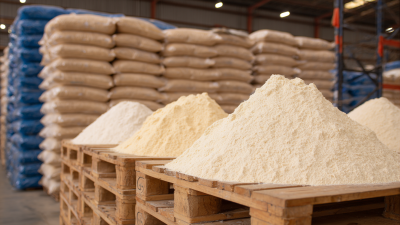
Picking the right Fermentation Agent supplier can really make a difference when it comes to product quality, smooth production, and even accessing global markets. But let’s be honest—buyers need more than just a fancy website or a tempting quote. They want proof that the supplier’s legit.
This guide breaks down some of the top suppliers working across food, drinks, pharma, agriculture, and industry. We look at things like consistent product quality, good technical support, solid quality systems, and how they handle international shipping. When evaluating suppliers, pay attention to their certificates, batch details, contaminant controls, and traceability records. A trustworthy company should be able to explain how their agents perform under different conditions—think temperature swings, pH levels, and various processing steps. Those little details really matter. For example, a sample might come in a sealed, labeled container, with a clear lot number and storage instructions. These small touches often tell you a lot about how organized and disciplined their operations are.
The guide also covers communication styles, minimum order quantities, lead times, and how experienced they are in exporting. Big names like Novonesis, Chr. Hansen, and Lallemand might catch the eye if you’re looking for companies with solid technical resources. But honestly, suitability depends on what you’re using the agent for, where it’s going, and local rules. No supplier is perfect. Having a good reputation is important, but you can’t rely on that alone—always check current certifications and do your own verification. It’s smart to have professionals confirm regulatory compliance before you import or start using anything. Also, ask for recent test results, not just rely on old claims, because stuff like raw materials, shipping costs, and currency rates can all shift prices pretty quickly.
This shortlist is really just a good starting point. It’s not the final decision. Make sure to run your own trials, get everything in writing, and stay in close contact with your supplier. That’s how you’ll ensure reliable fermentation results and keep things running smoothly.
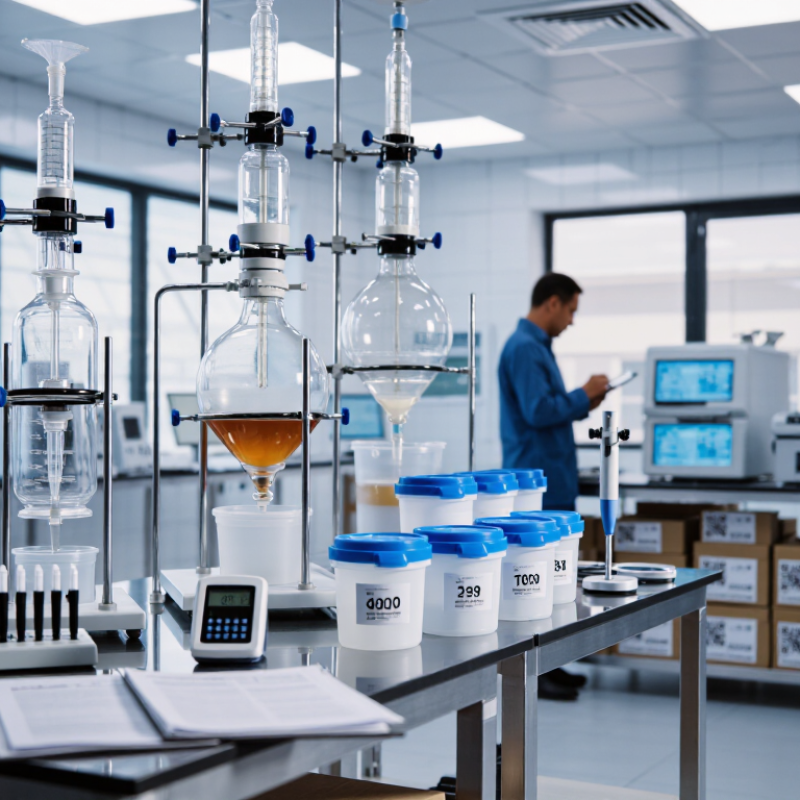
Fermentation Agents are microorganisms, enzymes, or nutrients that support controlled biochemical reactions. They help convert sugars, proteins, or other substrates into useful products. In food production, yeast can generate carbon dioxide for bread or alcohol for beverages. Lactic acid bacteria can create acidity in cultured foods. Some molds support enzyme production and traditional food processing.Small process choices matter.
Industrial fermentation uses several agent types. Yeast is valued for fast sugar conversion and predictable gas formation. Bacteria can produce organic acids, vitamins, and specialty ingredients. Filamentous fungi often support enzyme and antibiotic development under controlled conditions. Enzymes act without living cells and may improve yield, texture, or reaction speed. Nutrient blends, minerals, and oxygen-control systems can also influence agent performance.
For global buyers, function must guide supplier evaluation. A suitable agent should match the substrate, temperature range, pH, oxygen demand, and production scale. Technical documents should show strain identity, activity data, storage conditions, and batch traceability. Reliable suppliers also provide contamination controls and transport guidance for temperature-sensitive materials. A clear certificate is useful, but it is not proof of perfect performance. Pilot testing remains necessary.
One practical mistake is choosing the strongest agent instead of the most compatible one. Excess activity may create unwanted flavors, foam, or unstable yields. Even experienced teams can overlook water quality or seasonal raw-material changes. Careful trials, documented adjustments, and independent quality checks make industrial decisions more dependable.
Top Fermentation Agent Suppliers for Global Buyers
Fermentation agents support food, feed, pharmaceuticals, biofuels, and industrial bioprocessing. Their roles include acidification, gas production, enzyme release, and culture stabilization. In bakery production, agents influence dough volume and crumb texture. In dairy processing, selected cultures help control acidity and product consistency. Pharmaceutical manufacturers use tightly specified microbial systems for active ingredients and intermediates.
Market data shows strong industrial demand. Mordor Intelligence estimates the industrial enzymes market at about USD 7.1 billion in 2025, potentially reaching USD 9.4 billion by 2030. Grand View Research also reports continued growth in food enzymes, driven by cleaner processing and improved yield. These figures do not measure every fermentation agent. That limitation matters. Buyers should compare definitions before accepting market claims. Supplier evaluation should cover strain traceability, activity testing, allergen controls, shelf life, and cold-chain performance. A low purchase price can become expensive after production losses.
Tips: Request a certificate of analysis for every lot. Check viable counts at the stated storage temperature. Ask for application trials using your actual substrate. Small pilot tests reveal problems that brochures often hide. Also review regional import rules and documentation requirements before shipment. “Food grade” alone may not fit pharmaceutical or feed applications. Suppliers with transparent technical records usually support more reliable global sourcing.
| Fermentation Agent Category | Typical Biological Source | Common Commercial Forms | Key Industries | Primary Applications | Important Buyer Requirements | Relevant Quality and Regulatory Considerations |
|---|---|---|---|---|---|---|
| Baker’s Yeast | Saccharomyces cerevisiae | Fresh compressed yeast, active dry yeast, instant dry yeast | Commercial baking, food service, frozen dough production | Leavening of bread, rolls, pizza dough, pastries and other yeast-raised products | Fermentation speed, leavening strength, shelf stability, tolerance to refrigeration and freezing | Food-grade manufacturing, microbiological purity, moisture control and compliance with applicable food additive and labeling rules |
| Brewing Yeast | Saccharomyces cerevisiae for ales; Saccharomyces pastorianus for lagers | Liquid yeast cultures, active dry yeast, propagated yeast | Brewing, craft beverage production, industrial beverage manufacturing | Conversion of fermentable sugars into ethanol and carbon dioxide in beer production | Strain performance, attenuation, flocculation, alcohol tolerance, flavor profile and fermentation temperature range | Strain identity, contamination control, viability testing and suitability for the intended beverage process |
| Wine Yeast | Selected strains of Saccharomyces cerevisiae and other approved wine microorganisms | Active dry yeast, liquid cultures, specialty strain preparations | Winemaking, fruit wine, cider and fermented beverage production | Primary alcoholic fermentation, aroma development and controlled sugar conversion | Alcohol tolerance, nutrient demand, temperature performance, sulfite tolerance and sensory characteristics | Use of authorized oenological preparations, traceability, purity and compliance with regional wine regulations |
| Lactic Acid Bacteria Cultures | Lactobacillus, Lactiplantibacillus, Leuconostoc, Streptococcus thermophilus and related species | Freeze-dried starter cultures, frozen cultures, direct-vat-set cultures | Dairy, fermented vegetables, meat processing, functional foods and beverages | Acidification, flavor development, texture formation and biological preservation | Acidification rate, bacteriophage resistance, temperature profile, culture compatibility and strain stability | Correct taxonomic identification, absence of pathogens, allergen management and compliance with food-culture regulations |
| Probiotic Cultures | Documented strains of species such as Lacticaseibacillus, Bifidobacterium and Saccharomyces boulardii | Freeze-dried powders, capsules, sachets, fermented bases and concentrated suspensions | Dietary supplements, functional foods, infant nutrition and fermented dairy products | Production of live-culture supplements and foods with strain-specific health or digestive-function positioning | Viable count through shelf life, strain authentication, oxygen sensitivity, stability and compatibility with the final matrix | Health claims must be supported and authorized in the target market; quality systems should include identity, purity and stability testing |
| Acetic Acid Bacteria | Acetobacter and Komagataeibacter species | Liquid starter cultures, immobilized cultures, freeze-dried preparations | Vinegar production, food ingredients, specialty fermentation and biomaterials | Oxidation of ethanol to acetic acid; production of vinegar and bacterial cellulose | Acetic acid productivity, oxygen transfer requirements, ethanol tolerance and resistance to process acidity | Strict aeration and contamination control are important; food applications require suitable strain and process documentation |
| Mold and Fungal Starters | Aspergillus oryzae, Aspergillus sojae and selected food-grade fungi | Spores, koji cultures, inoculated solid substrates and dried starter powders | Asian fermented foods, enzyme production, seasoning ingredients and alternative proteins | Production of koji, miso, soy sauce, sake-related substrates and hydrolytic enzymes | Spore viability, enzyme activity, substrate compatibility, moisture control and absence of unwanted mycotoxins | Food-grade strain selection, mycotoxin monitoring, hygienic solid-state fermentation and validated process controls |
| Industrial Enzyme Fermentation Agents | Engineered or selected bacteria, yeasts and filamentous fungi | Liquid enzyme concentrates, spray-dried powders, granules and immobilized enzyme preparations | Food processing, animal feed, textiles, detergents, pulp and paper, biofuels and biotechnology | Production of amylases, proteases, lipases, cellulases, pectinases and other specialty enzymes | Activity units, pH and temperature profile, batch consistency, formulation stability and process compatibility | Enzyme activity should be measured using a defined analytical method; occupational safety and dust-control requirements may apply to powders |
| Organic Acid Production Cultures | Selected bacteria, yeasts or fungi used for acid biosynthesis | Seed cultures, concentrated inoculum, cryopreserved working banks and dried preparations | Food ingredients, pharmaceuticals, cosmetics, animal nutrition and chemical manufacturing | Production of lactic acid, citric acid, succinic acid, gluconic acid and other fermentation-derived acids | Yield, productivity, substrate utilization, by-product profile, contamination resistance and scale-up performance | Documentation should cover strain provenance, genetic stability, impurities, residual nutrients and intended-use compliance |
| Bioethanol Fermentation Agents | High-performance strains of Saccharomyces cerevisiae and other industrial microorganisms | Dry active yeast, liquid inoculum, concentrated starter culture | Fuel ethanol, beverage alcohol, industrial solvents and biorefining | Conversion of sugars or hydrolyzed biomass into ethanol | High ethanol tolerance, rapid sugar utilization, low glycerol formation, temperature tolerance and inhibitor resistance | Feedstock origin, genetically modified organism status, process emissions, denaturant requirements and local fuel regulations should be reviewed |
| Methanogenic Consortia | Mixed anaerobic microbial communities containing methanogenic archaea and supporting bacteria | Liquid inoculum, anaerobic digester seed sludge and acclimated microbial consortia | Wastewater treatment, agricultural waste management, municipal waste and renewable energy | Anaerobic digestion of organic waste to produce biogas containing methane and carbon dioxide | Adaptation to feedstock, organic loading rate, temperature range, ammonia tolerance and startup speed | Operational monitoring should include pH, alkalinity, volatile fatty acids, ammonia, gas composition and pathogen controls where relevant |
| Single-Cell Protein Cultures | Selected yeasts, bacteria, filamentous fungi or microalgae | Starter cultures, concentrated biomass, dried microbial meal and fermentation seed banks | Animal feed, aquaculture, pet nutrition, food ingredients and biotechnology | Production of microbial biomass as a protein-rich ingredient or nutritional feed component | Protein content, amino-acid profile, digestibility, biomass productivity and low levels of nucleic acids or undesirable metabolites | Feed or food authorization, substrate safety, heavy-metal monitoring, microbial identity and allergen assessment are essential |
| Pharmaceutical Fermentation Cultures | Defined microbial strains, mammalian cells or other validated production hosts | Master cell banks, working cell banks, cryopreserved vials and controlled seed trains | Pharmaceuticals, biologics, vaccines and advanced biotechnology | Production of antibiotics, recombinant proteins, vaccines, amino acids and other active biological ingredients | Identity, productivity, genetic stability, contamination control, scalability and reproducibility | Good Manufacturing Practice, validated cell-bank systems, biosafety, traceability and regulatory filings are required for medicinal products |
| Fermentation Nutrient Blends | Not a microorganism; formulated nitrogen, carbon, mineral and vitamin sources used to support cultures | Liquid feeds, powders, concentrated solutions and customized nutrient mixtures | Food biotechnology, pharmaceuticals, industrial enzymes, biofuels and research laboratories | Supporting microbial growth, improving product yield and controlling fermentation metabolism | Solubility, nutrient consistency, low impurity levels, compatibility with the production strain and dosing accuracy | Raw-material traceability, compositional specifications, bioburden control and suitability for food, feed or pharmaceutical use |
Evaluating a global fermentation agent supplier requires more than comparing prices. Check manufacturing records, quality certificates, and production-site audit reports. Ask for evidence. A reliable supplier should provide batch traceability, clear specifications, and current certificates of analysis. These documents should match the material delivered, not merely describe an ideal product.
For yoghurt production, review the Yoghurt Fermentation Agent’s culture performance under your actual processing conditions. Request samples from different batches and test acidity, fermentation time, texture, and flavor. Confirm storage temperatures, shelf life, and packaging protection during international transport. A technical team should explain dosage changes without making unsupported promises. Communication speed also matters when a shipment is delayed or a batch performs differently.
Regulatory knowledge is another practical test. The supplier should identify applicable food safety requirements in each target market and provide allergen, microbiological, and contaminant information. Verify whether production controls cover hygiene, environmental monitoring, and recall procedures. Site visits or independent audits can reveal gaps that paperwork hides. No checklist is perfect. A polished document may still miss weak temperature control or inconsistent labeling. Keep written trial results, agreed specifications, and corrective actions. Small details matter. Price remains relevant, but unstable performance can cost more through rejected batches, downtime, and customer complaints.
Global buyers should assess a Fermented Agent supplier through documented manufacturing standards, not attractive claims alone. Reliable facilities follow controlled fermentation procedures, validated sanitation routines, and traceable raw-material handling. Each production batch should carry a clear lot number, processing date, and release status.
Quality control begins with incoming material checks and continues through fermentation, filtration, drying, and packaging. Experienced suppliers monitor temperature, pH, moisture, microbial limits, and active strength. Independent laboratory testing can confirm identity, purity, and consistency. Ask for current certificates, such as ISO 9001, HACCP, GMP, or relevant food-safety approvals. Certification scope matters. A certificate without matching product coverage proves little. I have seen specifications look excellent, yet sampling records were incomplete. That gap deserves attention.
Tips: Request a recent certificate of analysis, audit summary, and sample retention policy before placing a large order. Compare test methods, not only reported values. Verify whether results come from an internal laboratory or an accredited third party. Also check packaging controls, especially sealed liners, humidity protection, and storage temperatures. Small details matter here. A supplier should explain deviations honestly and show corrective actions. No system is flawless, and transparent documentation is often more trustworthy than perfect-looking paperwork. For international purchasing, confirm labeling accuracy, shipment traceability, and regulatory fit in the destination market. Clear records reduce delays and support responsible quality decisions.
Regional supplier markets shape how global buyers source fermentation agents. East Asian producers often offer broad production capacity, while European suppliers may emphasize traceability and technical documentation. North American markets frequently provide strong laboratory support and flexible formulation services. These patterns are useful, but they are not fixed. A smaller regional supplier may deliver better communication and faster sampling.
When evaluating a Yoghurt Fermented Agent , buyers should check strain performance, storage conditions, batch consistency, and application guidance. Request certificates of analysis, allergen statements, and clear lot-tracking records. Trade terms also matter. Ocean freight may reduce costs, but temperature-sensitive materials can require insulated packaging and careful delivery planning. Import duties, labeling rules, and permitted food-use requirements differ by destination. A document accepted in one market may fail another review. That mistake is more common than many purchasing teams expect.
Tips: Compare at least three regional quotations, not only their prices. Ask suppliers to explain shelf-life testing and replacement procedures. Confirm whether samples match commercial batches. Keep written records of technical discussions. A practical audit should include packaging photos, warehouse conditions, and response times. No checklist is perfect. Local customs brokers and qualified food-safety specialists can clarify uncertain requirements before shipment.
Global buyers often compare the unit price first. That can be misleading. Fermentation agents may include nutrients, enzymes, antifoams, or processing aids, depending on the process. Compare the delivered cost, not the drum price. Include freight, insurance, import duties, storage, testing, and possible losses from delayed delivery. Ask for pricing under clear Incoterms and request a realistic lead-time range. An inexpensive material becomes costly when a port delay stops production.
Technical support should be measurable. Ask whether specialists can review dosage, pH, temperature, foam behavior, and equipment compatibility. Reliable suppliers provide current safety documents, certificates of analysis, traceability records, and controlled batch specifications. During trials, request small samples and written handling instructions. One successful sample is not proof of consistent performance. Batch variation can appear after scale-up. Support response times also matter. Record who answers technical questions and how quickly corrective data arrives.
For international purchasing, packaging and storage conditions deserve equal attention. Check shelf life, temperature limits, pallet design, and moisture protection before signing a contract. Suppliers with regional warehouses may reduce transit risk, but local stock can cost more. That trade-off needs calculation. Confirm destination-country documentation and permitted applications before shipment. Request references from buyers using similar fermentation volumes and markets. Still, references are not perfect evidence; your raw materials, water quality, and equipment may differ. A pilot order, independent testing, and a documented escalation process create stronger purchasing control.
Global buyers should assess fermentation agent suppliers through evidence, not polished catalog language. Request a current technical data sheet, safety documentation, allergen statement, and batch-specific test results. These records should identify activity, moisture, microbial limits, storage temperature, and recommended dosage. A supplier that cannot explain testing methods deserves careful review.
Small trials reveal practical weaknesses. Ask for samples from different production batches, then test them under your own process conditions. Record fermentation time, aroma, texture, yield, and consistency. If your team searches for “Caldwell Fermentation Starter,” compare the product’s verified specifications with equivalent options, rather than relying on the search result alone. That phrase may describe a product, a listing, or an outdated reference.
Delivery reliability matters as much as laboratory performance. Check production capacity, minimum order quantities, packaging strength, shelf life, and temperature controls during transit. Confirm whether the supplier can provide traceability from raw material to finished lot. Response time is also revealing. Ask a technical question and note whether the answer includes usable data or vague promises.
Look beyond price. A low unit cost can hide short shelf life, repeated delays, or excessive process losses. Buyers should review customs requirements and destination-market rules before placing a large order. Independent audits can strengthen confidence, although audits do not eliminate every risk. My own selection process would include a written scorecard, a retained sample, and a second review after the first shipment. That extra review can expose assumptions the original checklist missed.
Compare strain performance, batch consistency, storage conditions, documentation, sampling speed, and technical communication. Price alone can mislead.
Include freight, insurance, import duties, storage, testing, and possible losses from delayed delivery. Compare delivered cost, not drum price.
Request certificates of analysis, allergen statements, safety documents, lot-tracking records, and controlled batch specifications. Keep every document current.
Temperature-sensitive materials may need insulated packaging. Check shelf life, temperature limits, pallet design, and moisture protection before shipment.
Ask specialists about dosage, pH, temperature, foam behavior, and equipment compatibility. Record response times and corrective guidance.
No. A successful sample may not represent commercial batches. Compare samples with production lots and consider a pilot order.
Confirm import duties, labeling rules, permitted food-use requirements, and destination-country documents. Requirements can differ between markets.
Yes. A smaller supplier may offer faster sampling and clearer communication. Capacity still needs careful verification.
Review packaging photos, warehouse conditions, batch records, and response times. No checklist is perfect.
Use independent testing, documented escalation steps, and references from similar buyers. Your equipment and water quality may differ.
Fermentation Agent suppliers play a vital role in supporting food, beverage, pharmaceutical, animal nutrition, agricultural, and industrial biotechnology applications. These agents may include microorganisms, enzymes, nutrients, or process aids that help control fermentation efficiency, product consistency, yield, and safety. Global buyers should understand the functional differences among supplier offerings and assess whether products are suitable for their processes, formulations, and target markets.
A reliable evaluation should cover manufacturing standards, batch-to-batch quality control, traceability, technical documentation, certifications, and regulatory compliance in the destination country. Buyers should also compare pricing, minimum order quantities, packaging, shelf life, transportation conditions, delivery reliability, and after-sales technical support. Regional market conditions, customs procedures, import requirements, and supply continuity can significantly affect the total purchasing cost. By balancing product performance, supplier experience, quality assurance, logistics capability, and responsive communication, global buyers can select a dependable partner that supports efficient and compliant fermentation operations.