Hey there! In the fast-changing world of health and wellness, picking the right Vegetable Fermentation Starter is super important, especially for businesses looking to amp up their product line and really connect with what consumers want. Here at Zhongchuang Yike (Shanghai) Health Technology Co., Ltd., we totally get it—the fermentation process can be a bit tricky, whether you’re looking at food processing, pharmaceuticals, or even agriculture. We pride ourselves on offering top-notch probiotics, Postbiotics, and fermentation agents, which makes it easier for businesses to tackle these challenges head-on. With everyone jumping on the fermented veggie bandwagon, choosing the best starter isn’t just about improving fermentation quality. It can also add a real nutritional boost to your final product! So in this blog, we’ll dive into some solid tips and key things to think about when you’re picking the right Vegetable Fermentation Starter for your business. We want to help you make your offerings shine in this pretty competitive market!
Understanding the Importance of Choosing the Right Vegetable Fermentation Starter
You know, when it comes to fermenting veggies, picking the right Starter Culture is super important—it can seriously make or break the taste and quality of the final product. If you’re in the business of delivering top-notch fermented goods, understanding how essential it is to choose the right fermentation starter is key. A good starter not only speeds up the fermentation process but also helps develop those fantastic probiotic properties that health-focused consumers are really after these days.
With the market for plant-based probiotics booming, it’s a big deal for businesses to realize how vegan-friendly fermentation starters can create new opportunities for product innovation. Sure, there are plenty of plant-based foods that naturally have probiotics, but using a specialized fermentation starter can take those products to the next level, especially in today’s competitive world. At Zhongchuang Yike (Shanghai) Health Technology Co., Ltd., we’re all about offering customized probiotics, postbiotics, and fermentation agents that fit the unique needs of different industries—whether it’s food processing or healthcare. By making smart choices about fermentation starters, businesses can really boost their offerings and help promote a healthier lifestyle for their customers. How cool is that?
Key Factors to Consider When Selecting a Fermentation Starter
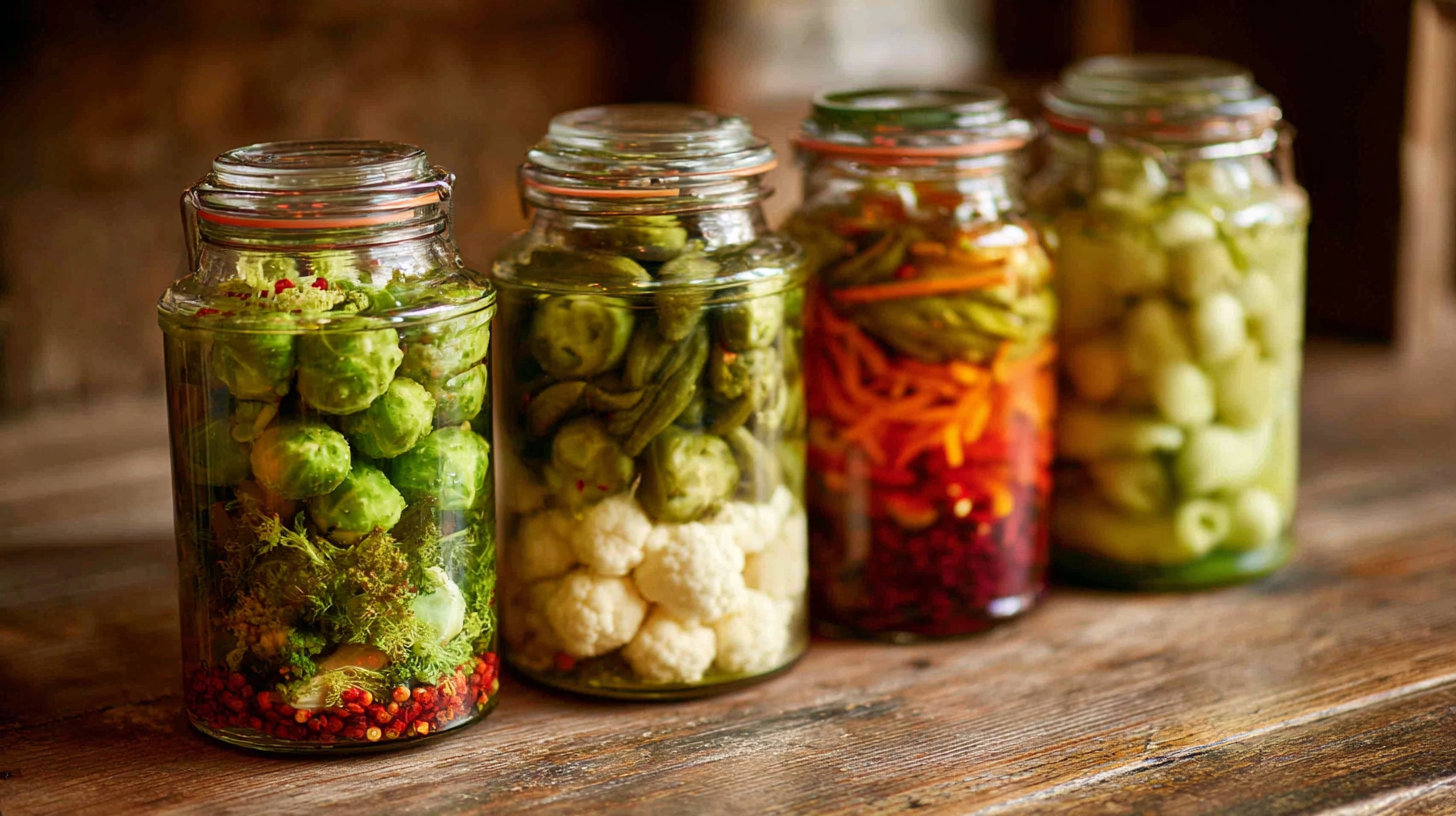
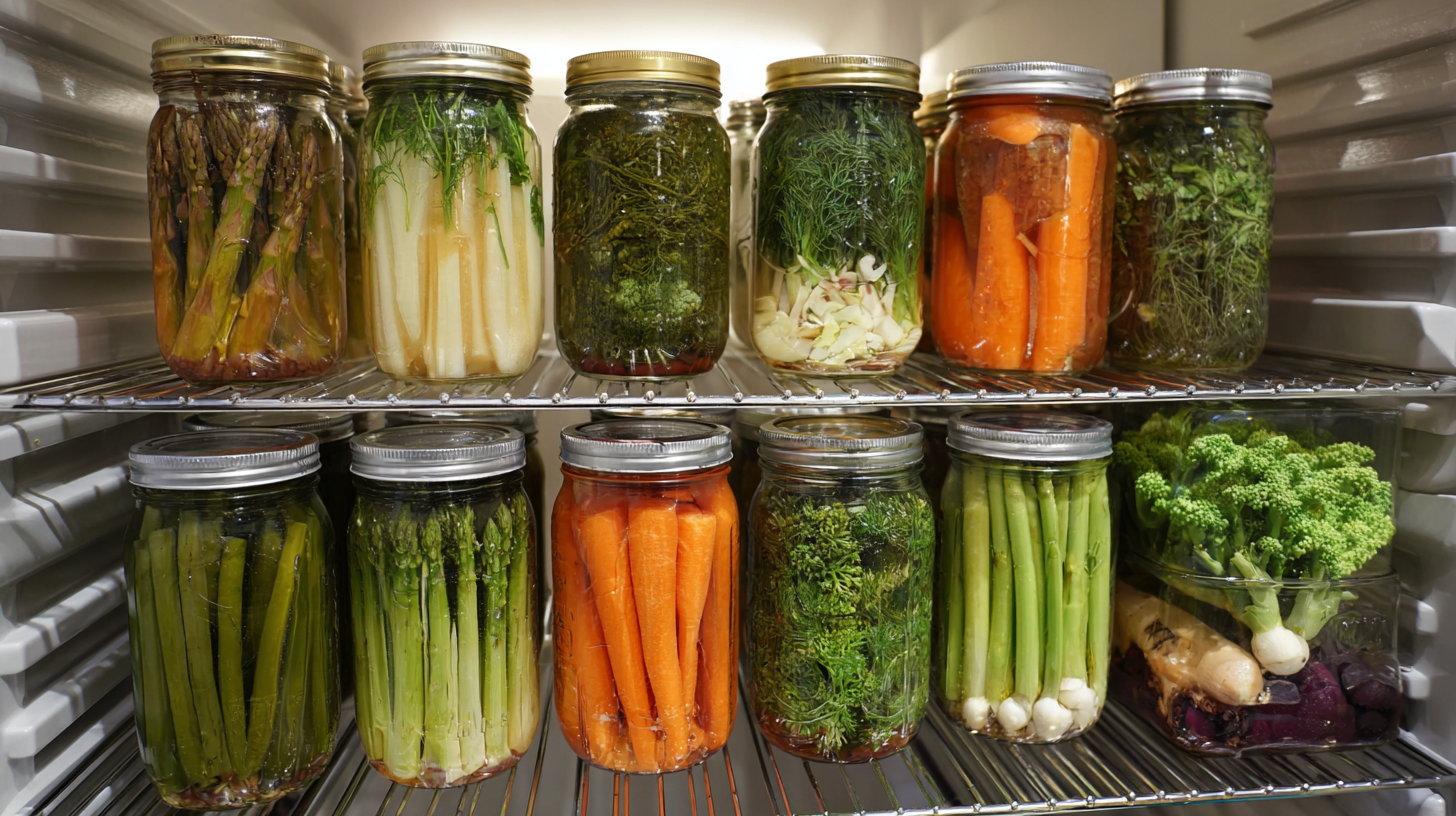
So, when you're trying to pick out the best vegetable fermentation starter for your business, there are a few important things you should think about if you want to keep your products top-notch and consistent. First off, you really need to get a handle on the specific strains of bacteria or yeast that your starter culture has. Different strains can totally change the game when it comes to the flavors and textures of your fermented veggies. You definitely want to go for a starter that matches what you’re aiming for, whether that’s a zesty kimchi or something a bit more mellow, like pickled veggies.
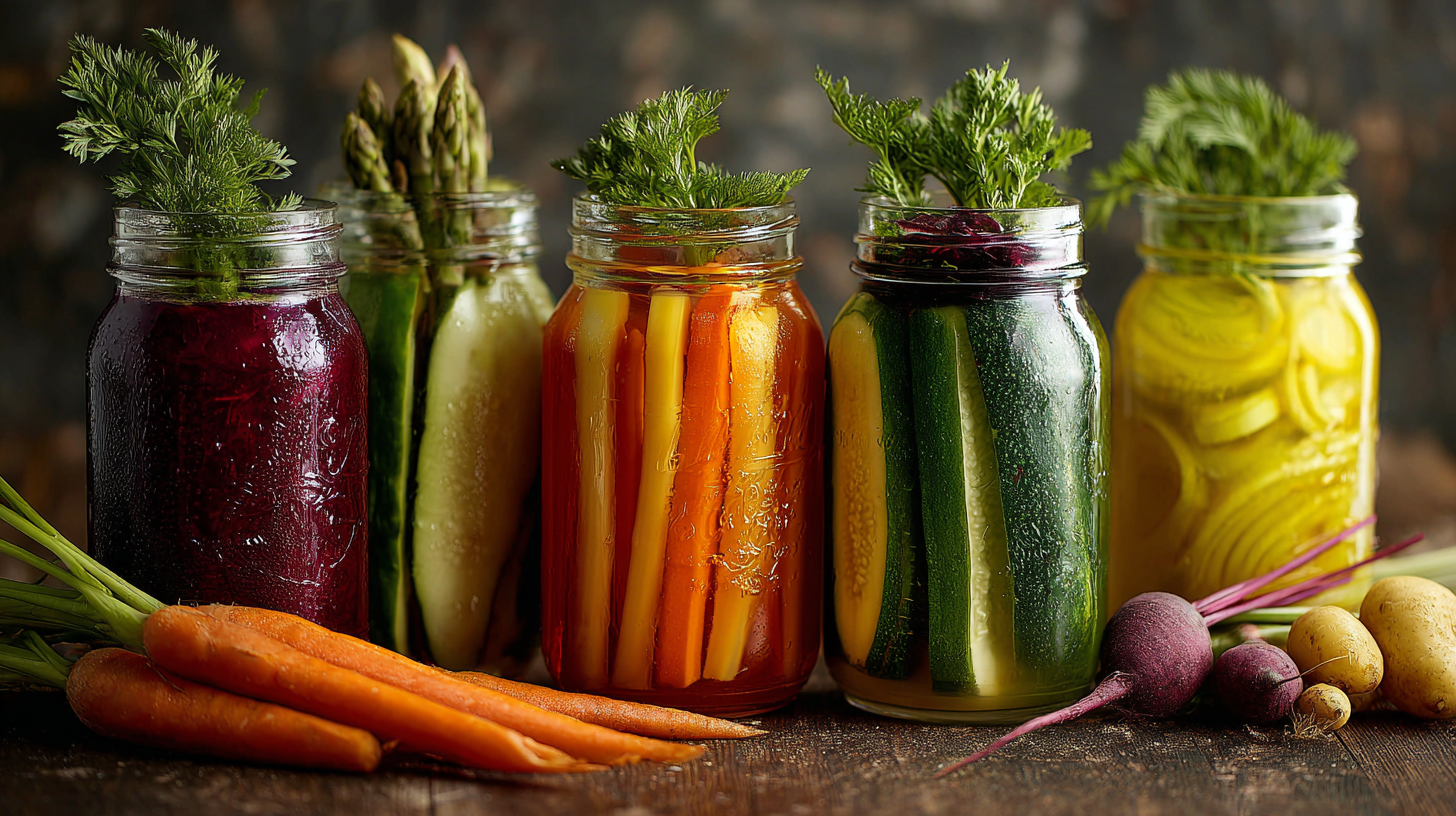
Then, think about how your fermentation starter will scale up. As your business grows (which it totally will, right?), you'll want a starter culture that’s easy to replicate and can be expanded without losing that quality you aim for. Look for those starters that have a solid track record, especially in larger operations. Also, don’t forget about shelf stability! You want a culture that’s got some staying power—one that can hang around for a while and still do its thing.
Finally, you can’t overlook the legal side of things. Make sure the fermentation starter you pick complies with local food safety standards and regulations. This not only keeps your products safe but also helps build your customers' trust in your brand. If you keep these key factors in mind, you’ll be well on your way to choosing the perfect fermentation starter that boosts your business and elevates the quality of your fermented veggie game.
Comparing Different Types of Vegetable Fermentation Starters
You know, when it comes to fermenting veggies, picking the right starter culture is super important if you want your products to have that perfect flavor and texture. There are quite a few types of vegetable fermentation starters out there, and each one brings something different to the table. Commercial starters usually pack in specific strains of lactic acid bacteria, while wild fermentation taps into those naturally occurring microorganisms. If you're running a business and need consistency, commercial starters are definitely the way to go since they give you those predictable results. But if you're one of those artisanal producers, going with wild fermentation can really bring out some rich, complex flavors that are totally unique to your surroundings.
Oh, and here’s a little tip: always think about the flavor profile you’re aiming for when you choose a starter. Some are designed to really amp up the sweetness of the veggies, while others might give you a nice tang.
Another thing worth mentioning is the fermentation time and temperature. Different starters can ferment at different rates; some might take longer to hit that right level of acidity and texture. Knowing your production schedule and the conditions around you can help you figure out which starter fits best for what you're doing.
And here’s another quick tip: try running some small-scale tests with different starters before you dive into bigger batches. This little bit of experimentation can really help you fine-tune your fermentation process and develop a unique taste that makes your products stand out from the crowd.
Navigating Challenges with Selecting the Best Vegetable Fermentation Starter
This chart compares different types of vegetable fermentation starters based on their effectiveness scores. Lactic Acid Bacteria and Mixed Cultures score the highest, while Yeast and Molds are less effective in comparison.
How to Evaluate the Quality of Fermentation Starters for Your Business
So, when you're picking a fermentation starter for your veggies, you've gotta really think about quality. Seriously, a good starter culture can make a huge difference in how your fermented goodies turn out—taste, texture, you name it, even safety! First things first, check out the variety of strains in your starter. A blend of those friendly microorganisms, especially different kinds of lactic acid bacteria, can really kick your fermentation into gear and make your final product taste way better. It’s a good idea to do some digging into the producers who focus on keeping their strains viable and diverse—that’ll help you pick something truly top-notch.
And hey, don’t forget to look at how the starter is formulated and packaged. Good-quality fermentation starters usually come in packaging that keeps them stable and effective. Look for things like airtight seals and temperature controls during shipping. Plus, watch out for additives! Some can be great for fermentation, but others might mess with those helpful bacteria you want to thrive. Lastly, checking out customer reviews and lab analysis can give you a peek into how well the starter works in real life, making it easier for you to make a smart choice for your business.
Navigating Challenges with Selecting the Best Vegetable Fermentation Starter for Your Business - How to Evaluate the Quality of Fermentation Starters for Your Business
| Starter Type | Microbial Composition | Production Method | Flavor Profile | Recommended Vegetables | Fermentation Time (days) |
| Lactic Acid Bacteria Starter | Lactobacillus, Leuconostoc | Direct Inoculation | Tangy, Refreshing | Cabbage, Carrots | 5-14 |
| Kefir Starter | Kefir Grains (bacteria + yeast) | Cultured | Creamy, Tart | Cucumbers, Radishes | 2-5 |
| Wild Fermentation Starter | Naturally Occurring Microbes | Ambient Culture | Complex, Varied | Beets, Squash | 7-21 |
| Probiotic Starter | Various Probiotic Strains | Freeze-Dried Culture | Mild, Nutty | Onions, Garlic | 3-10 |
Tips for Trialing Fermentation Starters before Making a Decision
Choosing the right vegetable fermentation starter for your business can feel a bit overwhelming, but don't stress! It's super important to try out different options to find what really works for you. A good way to start is by whipping up some small batches and testing out a variety of starters. Just make sure to keep track of everything—like how long each batch ferments, the flavors that pop up, and the texture. This way, you’ll be able to see which starter gives you the best results for your specific veggies.
Oh, and how about doing some blind taste tests with your team or even some loyal customers? It’s a fun way to get honest feedback on the flavors and aromas of your ferments. Try to get a mix of people with all kinds of tastes, since their unique perspectives might point out things you may have overlooked. Differences in taste can really show how each starter pairs with your vegetables, which could have a big impact on what ends up in your final product line.
And let’s not forget about sourcing those quality starters from reliable suppliers! Do a little digging to understand their fermentation processes and what strains they're using. A starter that's proven to work well can save you a lot of time and hassle down the road, helping you create a standout product with consistent quality.
Unlocking the Secrets of Homemade Yogurt: Your Guide to Using Yo-ZC458 Yogurt Starter Culture
Unlocking the Secrets of Homemade Yogurt: Your Guide to Using Yo-ZC458 Yogurt Starter Culture
Making homemade yogurt is not only a delightful culinary adventure but also a fantastic way to incorporate beneficial probiotics into your diet. The Yo-ZC458 yogurt starter culture is designed to make this process both simple and rewarding. Rich in probiotics like Lactobacillus and Bifidobacterium, this culture can transform your milk into creamy, tangy yogurt while delivering numerous health benefits.
One of the most significant advantages of using yogurt starter cultures is their positive impact on intestinal health. These probiotics work to balance intestinal flora, inhibit harmful bacteria, and ultimately boost your immune system. Regular consumption of yogurt made with Yo-ZC458 can also enhance nutrient absorption, making it easier for your body to utilize essential minerals such as calcium and magnesium, which are crucial for maintaining strong bones.
In addition, yogurt can play a role in heart health. The fermentation process helps lower blood cholesterol levels and reduces the risk of cardiovascular diseases. For those who often suffer from lactose intolerance, the live probiotics in yogurt can break down lactose, alleviating discomfort and allowing them to enjoy dairy without the usual side effects. By adding homemade yogurt made from Yo-ZC458 to your daily routine, you're not just enjoying a delicious snack, but also taking a proactive step towards better health.
FAQS
: Key factors include understanding the specific strains of bacteria or yeast in the starter culture, ensuring scalability for growing business needs, evaluating shelf stability, and confirming regulatory compliance with local food safety standards.
Different strains impart distinct flavors and textures to fermented vegetables, making it essential to choose a starter that aligns with your desired end product, like tangy kimchi or milder pickled vegetables.
To evaluate quality, examine the strain diversity, check the starter's formulation and packaging, be aware of any additives, and look for customer testimonials and lab analysis results.
Quality starters should be well-packaged to maintain stability and effectiveness, typically featuring airtight seals and temperature controls to prevent degradation during storage and transport.
Start by experimenting with small batches using various starters, keeping detailed records of each batch's fermentation time, flavor, and texture for evaluation.
Blind taste tests provide unbiased feedback on flavor and aroma, allowing you to gather diverse perspectives that highlight nuances and indicate how well each starter complements your vegetables.
Sourcing from established suppliers ensures you're getting a starter with proven efficacy, which can save time and resources while leading to consistent quality in your final product.
A mix of beneficial microorganisms enhances fermentation processes and improves the taste profile of the final product, making strain viability and diversity critical for quality outcomes.
Ensuring that the starter meets local food safety standards helps maintain product safety and boosts consumer confidence in your brand, making it an important factor in selection.
Keeping meticulous records allows for a comprehensive evaluation of which starter yields the best results in terms of fermentation time, flavor, and texture, guiding your final choice efficiently.