In the world of fermentation, the L Plantarum Culture Starterhas really been gaining a lot of attention lately. I mean, Dr. John Smith, who's pretty much a fermentation guru over at FermentTech, once said, 'Using L Plantarum can turn your food into a probiotic powerhouse.' That pretty much sums up how powerful this culture starter can be for all kinds of fermentations.
A ton of artisans and small producers are starting to see just how many benefits L Plantarum can bring to the table. From giving food richer, more complex flavors to helping products last longer on shelves — it’s a win-win for taste and preservation. Honestly, if you’re into fermentation, it’s pretty much essential to know what it can do. Still, not everyone really gets just how much potential this culture holds, which is a bit of a shame.
Getting your hands on the L Plantarum Culture Starter can really take your products to the next level, but it’s not entirely straightforward. It requires a bit of care and understanding of how fermentation works. If you’re a bit off with the process, results might be unpredictable. And let’s be honest, fermenting is kind of an art — it takes patience and a bit of trial and error, but that’s part of what makes it so rewarding. Exploring L Plantarum isn’t just some science experiment; it’s a creative process that comes with its own little uncertainties, but the benefits? Totally worth the effort.

Understanding L Plantarum: An Overview of Its Benefits
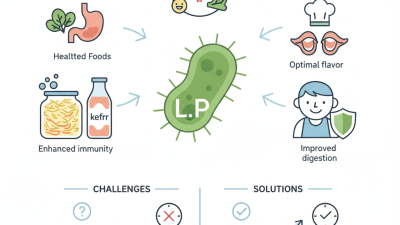
Lactobacillus plantarum is a prominent probiotic, known for its many health benefits. This versatile culture starter plays a vital role in fermentation. It aids in preserving food and enhancing flavors. By introducing beneficial bacteria, L. plantarum supports gut health. A balanced gut microbiome is essential for overall well-being.
Using L. plantarum can enhance nutrient absorption. It helps break down food more effectively. This means more vitamins and minerals reach your body. Moreover, it can improve digestion and reduce bloating. Many people feel lighter and more energetic. Some individuals, however, may find it reacts differently in their system. Adjusting your intake is crucial.
L. plantarum also exhibits antimicrobial properties. It can inhibit harmful bacteria in the digestive tract. This contributes to a healthier immune response. It's intriguing how such a tiny organism can have a significant impact. Exploring the benefits allows for deeper understanding and reflection.
Incorporating L. plantarum into your diet may lead to positive changes, but results can vary. Experimentation and personal observation are key.
Enhancing Fermentation: How L Plantarum Improves Flavor
Using L Plantarum Culture Starter can significantly enhance your fermentation process. This bacteria is known for its remarkable ability to improve taste and aroma in fermented foods. When added to your fermentation mix, L Plantarum thrives and metabolizes sugars more effectively. This results in a rich and complex flavor profile that delights the palate.
Fermentation is an art that requires careful balance. While L Plantarum offers flavor improvements, it also brings unique challenges. Not every batch will taste the same, leading to some variability. Experienced fermenters understand that experimentation is essential. It's not just about following a recipe; it’s about feeling the process and adjusting as needed.
The versatility of L Plantarum allows it to be used in diverse applications. Whether fermenting vegetables, dairy, or sourdough, it's a game-changer. However, achieving the best results often requires trial and error.
This is where the journey becomes interesting. Adapting techniques will lead to better outcomes over time. Embracing the imperfections along the way is part of the learning experience.
Health Benefits: Probiotic Properties of L Plantarum
Lactiplantibacillus Plantarum is a powerful probiotic strain that offers numerous health benefits. This beneficial bacterium thrives in fermented foods and helps maintain gut health. Incorporating it into your diet can support digestion and improve nutrient absorption. Many people find that regular use of Lactiplantibacillus Plantarum leads to fewer digestive issues, promoting overall well-being.
Research highlights the role of Lactiplantibacillus Plantarum in enhancing the immune system. By fostering a healthy gut microbiome, it helps defend against harmful pathogens. Regular consumption can also lead to reduced inflammation, which is crucial for various health conditions. Some users notice a positive change in their mood and energy levels, likely due to the gut-brain connection.
While the benefits are clear, results may vary from person to person. Some might not experience significant changes right away. It's essential to pay attention to your body’s response. Experimenting with different foods containing Lactiplantibacillus Plantarum can provide insight into what works best for you.
Boosting Nutritional Value: Enhancing Food with L Plantarum
Lactobacillus plantarum is gaining attention for its ability to enhance the nutritional profile of various foods. This species of probiotic bacteria is known for its contribution to gut health. According to a 2022 report from the International Journal of Food Microbiology, incorporating Lactobacillus plantarum into fermented foods can significantly increase levels of bioactive compounds, such as vitamins and antioxidants. This means that foods like yogurt or plant-based milks become not just tastier but also far more nutritious.
Research shows that the fermentation process led by Lactobacillus plantarum creates lactic acid, which improves the absorption of minerals. A study by the Journal of Agricultural and Food Chemistry highlighted that fermented products exhibited a 25% increase in calcium and magnesium absorption compared to unfermented versions. The presence of Bifidobacterium Infantis 35624 or Bifidobacterium bifidum Mimbb75 in conjunction with Lactobacillus plantarum DSM9843 enhances this effect, demonstrating the power of synergistic probiotic strains.
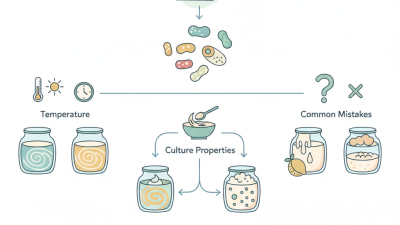
However, not all fermentation is equal. The conditions under which fermentation occurs can greatly affect the final nutritional gain. Too high temperatures or inadequate incubation times can hinder the development of beneficial properties. Thus, while Lactobacillus plantarum shows promise, successful application relies on understanding fermentation science. Engaging with reliable data and experiences in fermentation is key to maximizing benefits in food innovation.
Stability and Shelf Life: Advantages of L Plantarum Cultures
Lactobacillus plantarum culture starters are gaining traction for their stability and shelf life. This species of bacteria is robust, meaning it can survive in various conditions. Its ability to withstand temperature fluctuations makes it a favorite among home fermenters and commercial producers alike. These cultures can remain viable for extended periods, making them practical for various applications.
When stored correctly, L. plantarum cultures can maintain their potency for months. This ensures that users can achieve consistent fermentation results. Unlike other cultures, which may lose effectiveness quickly, L. plantarum thrives in diverse environments. However, it is crucial to note that even the best cultures can degrade if exposed to moisture or extreme temperatures. Understanding how to properly store these cultures is essential.
Not every batch will perform equally. Environmental factors can affect their growth and activity. Users should test and evaluate different conditions to find what works best for them. By tracking results over time, one can appreciate the intricacies of using L. plantarum. This can lead to better fermentation practices and more flavorful products.
Easier Home Fermentation: User-Friendly L Plantarum Starters
Home fermentation can seem daunting for many, but using L Plantarum culture starters makes it accessible. These starters simplify the process and enhance the flavors of your fermented foods. They work well for various products, such as yogurt, sauerkraut, and kimchi. With clear instructions, even beginners can successfully create tasty, probiotic-rich dishes.
The ease of use is a significant advantage. Each starter contains live cultures that are proven to thrive in homemade environments. This results in consistent fermentation outcomes. You'll notice improved flavor and texture in your creations. However, like any fermentation process, it requires attention. Sometimes, the environment can lead to unexpected results. You may encounter variations in taste or texture, but these surprises often contribute to a unique culinary experience.
Letting go of perfection can be liberating. Embracing minor imperfections allows you to learn what works best in your kitchen. Each fermentation attempt can open up new avenues for creativity. Experiment with different ingredients, fermentation times, and temperatures. This exploration often leads to delightful discoveries that enhance your culinary skills.
Top 10 Benefits of Using L Plantarum Culture Starter
Versatility in Applications: Foods and Beverages with L Plantarum
Lactobacillus Plantarum is a powerful culture starter known for its versatility in various food and beverage applications. This strain has been widely utilized in fermented foods such as sauerkraut, kimchi, and yogurt. According to industry reports, Lactobacillus Plantarum can enhance the nutritional profile of these products, potentially increasing levels of vitamins and bioactive compounds. This versatility not only appeals to consumers seeking health benefits but also gives producers the opportunity to diversify their product lines.
Fermented beverages like kombucha and kefir are also seeing the integration of Lactobacillus Plantarum. This strain contributes to the probiotic count, helping to foster a healthy gut microbiome. Research indicates that blends of probiotics, including Bifidobacterium Infantis, Bifidobacterium Lactis, and Lactobacillus Acidophilus alongside Lactobacillus Plantarum, can offer synergistic effects. In a 2021 study, participants consuming a blend of these cultures reported improved digestive health and enhanced immune function.
While the benefits are noteworthy, the process of fermentation can vary significantly. Factors such as temperature and fermentation duration play crucial roles. A study showed that inconsistent temperatures can lead to variations in probiotic potency. This highlights a challenge for producers in maintaining quality control while striving for optimal health benefits. Balancing these aspects can be complex, yet it holds the key to delivering high-quality, effective probiotic-rich foods and beverages.
Unlocking the Art of Homemade Yogurt: A Guide to China Yogurt Starter Culture Yo-ZC272 and Quality Production Techniques
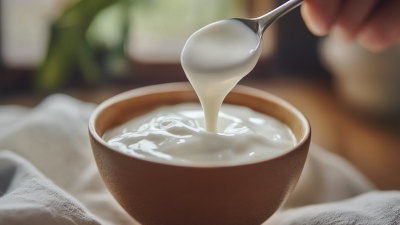
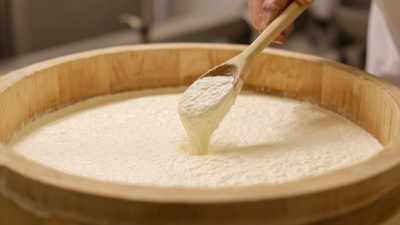
Making homemade yogurt is a rewarding process that allows you to enjoy fresh, nutritious dairy while customizing flavors to your preference. Central to this endeavor is selecting a high-quality yogurt starter culture, such as the Yo-ZC272 strain from reputable suppliers in China. These cultures are rich in beneficial lactic acid bacteria, which play a crucial role in the fermentation process. They help convert lactose into lactic acid, giving yogurt its distinct tangy flavor and creamy texture. According to industry reports, the global yogurt market is expected to grow significantly, driven in part by the increasing consumer demand for probiotic-rich foods.
To achieve the best results in your yogurt-making efforts, it is essential to maintain an incubation temperature between 42 to 45 degrees Celsius. This temperature range supports optimal fermentation, allowing beneficial bacteria to thrive. The fermentation process can take anywhere from 4 to 12 hours, giving you the flexibility to achieve your desired yogurt consistency and acidity. Reports suggest that many home yogurt makers find their ideal balance after about 8 hours of fermentation, leading to a creamy, tangy product that is packed with probiotics.
Whether you choose to purchase a commercial starter culture or use a store-bought yogurt with live cultures, ensure that you are sourcing from reputable suppliers. The quality of the starter culture significantly affects your yogurt's flavor and texture, making it an essential component in your yogurt-making journey. Explore options from leading yogurt culture factories in China to discover the perfect starter for your homemade yogurt creations.
FAQS
: L. plantarum is a probiotic known for its health benefits and role in fermentation.
It helps break down food, improving nutrient absorption and reducing bloating.
Yes, it improves taste and aroma during fermentation, creating complex flavors.
Yes, results can vary, and not every batch will taste the same.
It supports a balanced gut microbiome, which is essential for overall well-being.
Yes, it fosters a healthy gut microbiome, aiding in the defense against pathogens.
Results vary; some may not see immediate changes. Observation is important.
Absolutely, trying different foods can help you discover what works best for your body.
Many people report feeling this way, but experiences differ among individuals.
Yes, some individuals may react differently, so adjusting intake is crucial.
Conclusion
L Plantarum Culture Starter offers a myriad of benefits that make it an invaluable addition to the fermentation process. This powerful probiotic not only enhances the flavor of fermented foods but also boosts their nutritional value, making them healthier options for consumers. The probiotic properties of L Plantarum contribute to gut health, while its stability and shelf life ensure that products remain effective and enjoyable over time.
Furthermore, L Plantarum Culture Starter simplifies home fermentation, making it accessible even for beginners. Its versatility allows it to be used in various applications, ranging from dairy products to a wide array of beverages. Overall, incorporating L Plantarum into your fermentation routine can lead to tastier, more nutritious foods while also promoting better digestive health.