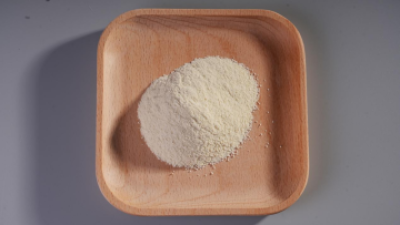
These days, everyone seems focused on staying healthy, and gut health is a big part of that buzz. You might have come across Probiotics Tablets— they're pretty popular these days. People say they can help with digestion and boost overall wellness. But the real question is: do they actually do what they promise? Dr. David Perlmutter, a well-known neurologist and author, puts it nicely: "Probiotics can have a huge impact on our health, but it’s really about choosing the right ones."
Overview of Probiotics and Their Importance for Gut Health
Probiotics are live microorganisms that provide health benefits when consumed in adequate amounts. They play a crucial role in maintaining gut health. The gut microbiome is home to trillions of bacteria, both good and bad. A balanced microbiome is vital for digestion, immunity, and overall health.
One key player in the probiotic world is Lactobacillus. Specifically, Acidophilus Lactobacillus Tablets are often recommended for their potential benefits. They may help restore gut flora after antibiotic use. These tablets can enhance nutrient absorption and support a healthy digestive tract. However, individual responses to probiotics can vary significantly.
It's essential to acknowledge that not all probiotics work for everyone. Some individuals may not notice any difference at all. Factors such as diet, lifestyle, and specific health conditions influence efficacy. While many experience benefits, the science is still evolving. Research continues to explore the best strains and dosages for maximum effectiveness.
Types of Probiotics: Different Strains and Their Benefits
Probiotics come in various strains, each offering unique benefits for gut health. Lactobacillus and Bifidobacterium are two common types. Lactobacillus supports digestion and can help alleviate lactose intolerance. It thrives in yogurt and fermented foods, enhancing gut flora balance. Bifidobacterium, found in the intestines, boosts immunity and aids nutrient absorption. It is essential for maintaining a healthy gut environment.
Another notable strain is Saccharomyces boulardii. This yeast-based probiotic has shown effectiveness against diarrhea and gastrointestinal infections. It acts differently from bacteria, providing an alternative approach to gut health. Studies suggest it strengthens the intestinal barrier. However, results may vary based on individual health.
While probiotics can be beneficial, not all strains work for everyone. Responses can differ greatly among individuals. Some may experience bloating or discomfort, particularly during initial consumption. It’s crucial to consult with a healthcare provider before starting any regimen. Understanding the specific strains can help tailor choices that genuinely support gut health.
Top 10 Probiotics Tablets for Gut Health: Do They Really Work?
| Probiotic Strain | Benefits | Recommended Dosage | Potential Side Effects |
| Lactobacillus acidophilus | Supports digestion and immune function | 1-10 billion CFUs daily | Gas, bloating |
| Bifidobacterium bifidum | Improves gut health and nutrient absorption | 2-10 billion CFUs daily | Mild digestive upset |
| Lactobacillus rhamnosus | Helps prevent diarrhea and supports gut barrier | 2-5 billion CFUs daily | Rarely, allergic reactions |
| Saccharomyces boulardii | Offers protection against antibiotic-associated diarrhea | 250-500 mg daily | Bloating, gas |
| Lactobacillus plantarum | Reduces inflammation and promotes gut lining health | 1-10 billion CFUs daily | Mild stomach upsets |
| Bifidobacterium longum | Supports mental health and digestion | 1-5 billion CFUs daily | Gas, discomfort |
| Lactobacillus casei | Helps regulate gut flora and enhance immune response | 1-10 billion CFUs daily | Minimal side effects |
| Streptococcus thermophilus | Aids in lactose digestion and gut health | 1-10 billion CFUs daily | Rare allergic reactions |
| Bifidobacterium lactis | Boosts immune function and aids digestion | 1-10 billion CFUs daily | Gas, bloating |
| Lactobacillus gasseri | Promotes weight loss and digestive health | 1-10 billion CFUs daily | Bloating, mild stomach discomfort |
Factors to Consider When Choosing Probiotic Tablets
When selecting probiotic tablets, several critical factors must be considered. Understanding the strains of bacteria present in the product is essential. Different strains serve various purposes. For instance, Lactobacillus may support digestion, while Bifidobacterium may boost immunity. It's vital to choose a product with researched and proven strains.
Another important aspect is the CFU count, or colony-forming units. A higher CFU count does not always guarantee effectiveness. Some studies suggest that a count between 10 to 30 billion CFUs may be beneficial. However, personal requirements can vary. Consulting with a healthcare professional can provide tailored advice.
Packaging and storage also play a role in probiotic efficacy. Probiotics are sensitive to heat and moisture. Proper storage is key to preserving their viability. Look for products in opaque, airtight containers to ensure they remain effective throughout their shelf life. Lastly, always check the expiration date to ensure potency.
Top 10 Probiotic Tablets: A Comparative Analysis
Probiotics are becoming increasingly popular for gut health. Many people seek these supplements to enhance digestion and overall well-being. Among the various options, Lactobacillus Acidophilus Tablets are often highlighted for their potential benefits. They can help balance gut flora, making them a popular choice for individuals with digestive issues.
In a comparative analysis of top probiotic tablets, several factors can influence their effectiveness. Strain diversity is crucial; not all probiotics work the same for everyone. Some users may experience positive changes, while others see little to no improvement. This inconsistency raises questions. Are we choosing the right strains for our bodies?
Dosage and delivery method also matter. Some tablets dissolve quickly, while others take longer to release the active cultures. This variability affects how beneficial the probiotics can be. Studies suggest that effectiveness may also depend on individual gut health prior to starting a probiotic regimen. It’s essential to reflect on personal health needs when selecting a product.
Scientific Evidence Supporting Probiotic Effectiveness
Probiotics have gained popularity for gut health, but do they truly deliver? Scientific evidence suggests their effectiveness varies. Research shows that certain strains, like Lactobacillus, can positively impact gut flora. This leads to better digestion and improved immune response. However, not all probiotic supplements yield the same results.
Clinical studies demonstrate that Probiotic Lactobacillus Tablets can aid in reducing symptoms of irritable bowel syndrome (IBS). Participants report fewer bloating instances and a more regular bowel rhythm. Yet, the degree of benefit often depends on individual health conditions and dietary habits. Some might find limited improvement despite consistent use.
Despite the promising data, skepticism remains. Each person’s microbiome is unique, making a one-size-fits-all approach questionable. Some may require higher doses for noticeable effects. Moreover, individuals with specific health issues might not respond as anticipated. This highlights the importance of consulting healthcare professionals before starting any probiotic regimen. Understanding how your body reacts to these supplements is essential for optimizing gut health.
Potential Side Effects and Considerations for Probiotic Use
Probiotics are popular for promoting gut health, but they may have side effects. Some people experience bloating, gas, or digestive discomfort. In rare cases, probiotics can cause infections, especially in individuals with weakened immune systems. The World Health Organization reports that while most people tolerate probiotics well, it's crucial to monitor your body’s reactions.
When considering probiotic use, duration matters. Research shows that taking probiotics for extended periods can lead to a decrease in effectiveness. It’s essential to refresh or change strains to maintain benefits. A study published in the journal "Gut Microbes" suggests irregular consumption may lead to varied results in gut health.
Tips for probiotic use: start with a low dose. Gradually increase intake as needed. Awareness of your body’s signals is vital. If side effects occur, consult a healthcare professional. Don’t overlook quality. Choose products backed by clinical research. Ensure they contain live and active cultures. Probiotics might not be a one-size-fits-all solution. Personal response varies widely. Keep your health goals in focus.
How to Incorporate Probiotics into Your Daily Routine
Incorporating probiotics into your daily routine can significantly enhance gut health. Studies show that about 70% of our immune system resides in the gut. Probiotic Tablets can support this important function by balancing gut flora. Consuming these supplements regularly may reduce digestive issues like bloating and constipation.
Consider pairing probiotic tablets with a balanced diet. Foods rich in fiber can enhance the benefits of probiotics. Aim for fruits, vegetables, and whole grains. Research indicates that a fiber-rich diet can increase the effectiveness of these supplements by providing food for beneficial bacteria.
It’s essential to track how your body responds to probiotics. Each person's gut microbiome is unique. The effectiveness of probiotic tablets can vary widely. Some people may experience immediate benefits, while others may need weeks to notice changes. Listening to your body and adjusting intake accordingly is vital for optimizing gut health.
Leveraging Bifidobacterium animalis subsp. lactis KV9 Probiotics Powder: Insights from Market Trends and Health Benefits in Gut Microbiome Research
The exploration of probiotics, particularly Bifidobacterium animalis subsp. lactis KV9, reveals a burgeoning interest in the role of gut microbiome health. Recent market trends indicate a significant preference for products that incorporate a combination of bifidobacteria and lactobacilli, a strategy that capitalizes on the unique benefits each type of bacteria offers. Bifidobacterium lactis stands out within this category, primarily due to its enhanced oxygen tolerance compared to Bifidobacterium animalis. This trait not only facilitates its survival in aerobic environments but also allows it to maintain higher bacterial counts in commercial dairy applications.
The health benefits associated with Bifidobacterium lactis are supported by numerous studies highlighting its potential to improve gut health and enhance overall well-being. By fostering a balanced gut microbiome, this probiotic species plays a critical role in digestion and immune function. As consumers increasingly seek out functional foods that contribute to health, the integration of Bifidobacterium lactis into probiotic products represents a promising avenue for manufacturers aiming to meet this demand while also promoting the significance of gut microbiome research in understanding overall health dynamics.
FAQS
: Probiotics are live microorganisms that offer health benefits when consumed properly. They support gut health.
Gut health is crucial for digestion, immunity, and overall well-being. A balanced microbiome aids these functions.
Lactobacillus is a key probiotic strain. It helps with digestion and can alleviate lactose intolerance.
Probiotics enhance gut flora balance. They can improve nutrient absorption and support a healthy digestive tract.
No, not all probiotics are effective for everyone. Individual responses can vary due to many factors.
Some may experience bloating or discomfort at first. Everyone’s experience is different, so be patient.
Saccharomyces boulardii is a yeast-based probiotic. It can help with diarrhea and strengthen the intestinal barrier.
Yes, consulting a healthcare provider is essential. They can help you choose the right strains for your needs.
Diet plays a significant role in probiotic performance. A poor diet can limit their benefits.
Factors include individual health conditions, lifestyle choices, and the specific probiotic strains used.
Conclusion
Probiotics tablets play a crucial role in promoting gut health by introducing beneficial bacteria that can enhance digestion and support the immune system. Understanding the various types of probiotics and their specific strains is essential, as each strain offers unique benefits. When choosing probiotics tablets, factors such as potency, shelf stability, and dietary preferences must be carefully considered to ensure optimal outcomes.
A comparative analysis of the top 10 probiotics tablets reveals significant variations in formulation and effectiveness. Scientific research supports the efficacy of probiotics in various health scenarios, although potential side effects exist and should be accounted for before incorporating them into one’s routine. Ultimately, integrating probiotics tablets into daily life can be achieved through various methods, ensuring individuals reap the benefits of improved gut health.