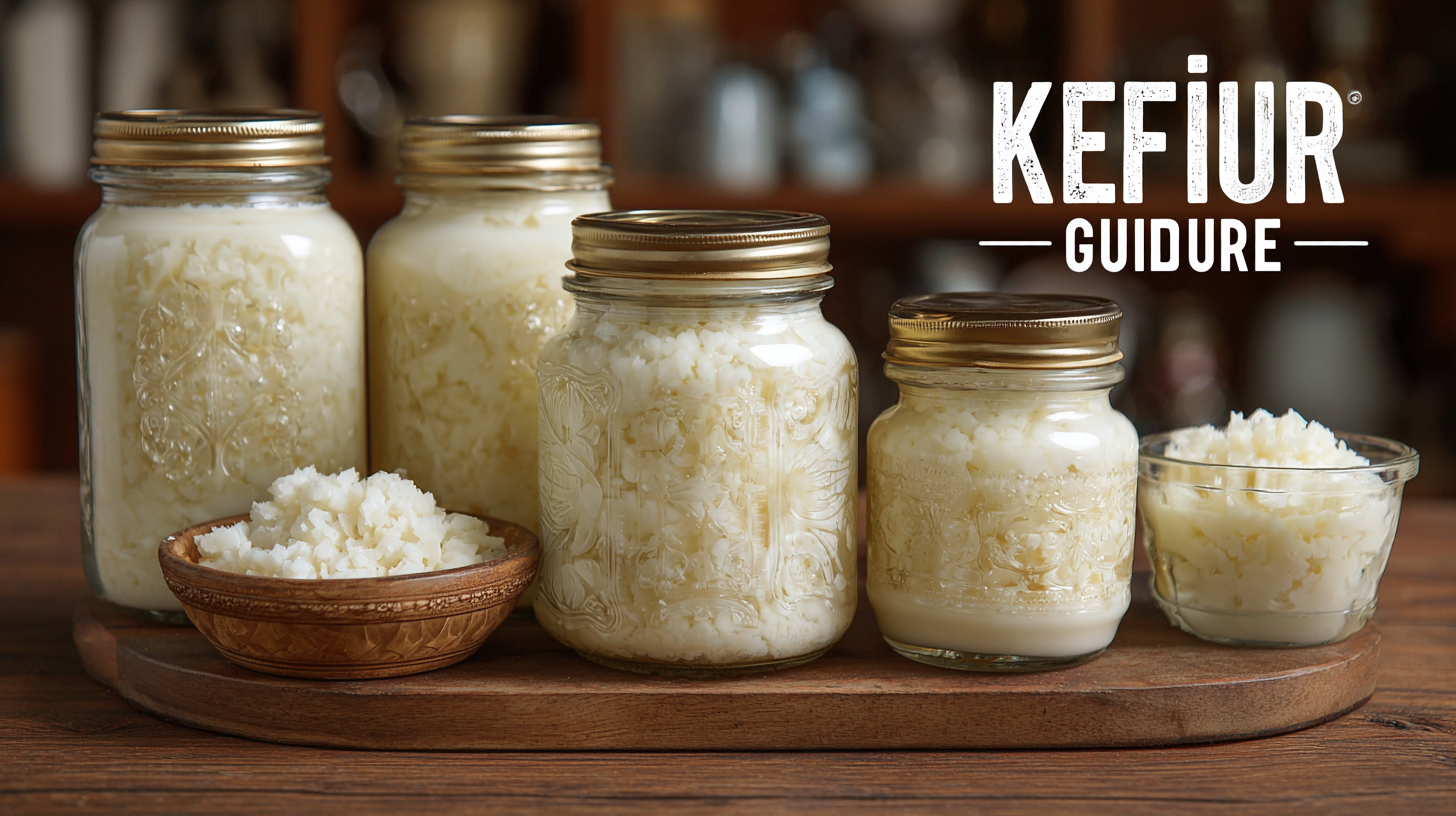
You know, lately, there’s been a crazy uptick in the global craving for probiotic products. I mean, the market’s expected to skyrocket past $70 billion by 2025, according to some industry buzz. Out of all the probiotic choices out there, Kefir Culture Starter is really shining, thanks to its amazing health perks—think better gut health, smoother digestion, and a nice boost for your immune system. With more folks becoming health-minded these days, finding top-notch Kefir Culture Starter suppliers is becoming super important. That’s where Zhongchuang Yike (Shanghai) Health Technology Co., Ltd. comes into play. They’re making a significant impact by offering high-quality probiotics, Postbiotics, and fermentation agents for all sorts of industries, like food processing and healthcare. In this guide, I’ll walk you through what to keep in mind when you're on the hunt for the best Kefir Culture Starter supplier, so both makers and consumers can get their hands on the best products out there.
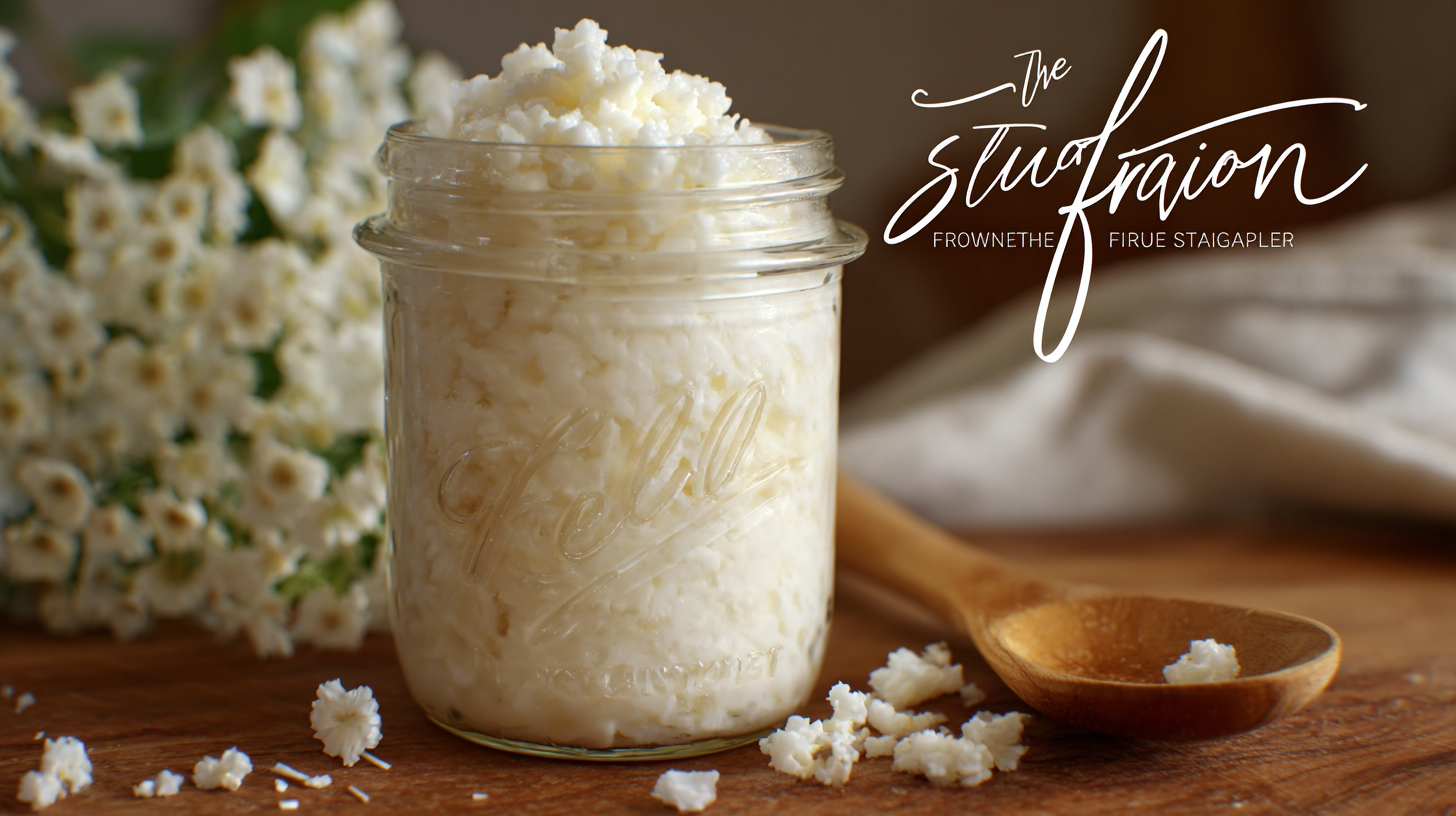
So, when you're on the hunt for the best Kefir Culture Starter, it’s pretty important to get a good grasp on the different kinds out there, especially if you’re a supplier or someone keen on making top-notch kefir. You can usually split kefir cultures into three main types: milk kefir, water kefir, and a bunch of specialized cultures that pack different strains of beneficial bacteria and yeasts. Each type has its own unique vibe and is tailored to fit various dietary needs and fermenting goals. For example, milk kefir cultures are right at home in dairy settings, while water kefir cultures are fantastic for non-dairy options—great news for those of us who are watching what we eat!
Here at Zhongchuang Yike (Shanghai) Health Technology Co., Ltd., we’re all about providing top-quality probiotic solutions, and that includes kefir cultures designed for all sorts of applications. Our wide array of fermentation agents not only makes the whole fermentation process smoother, but they also ensure that what you end up with is packed full of probiotics, which is just awesome for gut health and overall well-being. By getting to know these different kefir options, businesses in food processing, healthcare, and beyond can choose the right culture that meets their specific needs—ensuring their products hit those high-quality standards we all want.
Choosing a kefir culture starter? Well, the quality of those cultures is super important! I’ve come across some interesting info lately that shows just how much the probiotic strength and the variety of strains can differ between suppliers. Trust me, high-quality kefir cultures don’t just do a better job at fermenting milk—they also give you that nice tangy flavor and creamy texture we all love, plus they pack in more nutrients. That’s all thanks to the mix of beneficial bacteria and yeasts at work, which is crucial for a good fermentation process.
And here’s the thing: when suppliers focus on quality, they usually share a lot of info about the probiotic strains they offer. This helps you make a smart choice. But it's not just about how it tastes or feels. If you end up with poor-quality cultures, you might face some inconsistent fermentation, which means you could miss out on all those health benefits that kefir is famous for. Studies have even shown that good kefir cultures can do wonders for gut health, support your immune system, and help with digestion way better than the cheaper options. So, when you’re picking a kefir starter, keep an eye out for things like certifications, how open suppliers are about their processes, and how viable the cultures are. You want to make sure you're getting a product that really delivers on its promises!
So, when you're picking a kefir starter supplier, there are a few things you definitely want to keep in mind to make sure you're getting quality and reliable products. First off, it's super important to check out the supplier's reputation. Try to find established brands that have a bunch of great reviews and testimonials from real customers. Suppliers who actually listen to their customers usually show they're serious about quality and keeping folks happy, which is key when you're trying to get a solid kefir culture going.
Then, think about how the kefir starter cultures are sourced and produced. It’s a good idea to go for suppliers who are open about their production methods—like, how they grow and process these cultures. If they have organic and non-GMO certifications, that’s a nice bonus because it shows they're committed to using high-quality ingredients. Oh, and don’t forget to check if the supplier gives you clear instructions and support for using their products. That little bit of help can really make a difference when you're making your own kefir! By keeping these factors in mind, you'll be well on your way to choosing a kefir starter supplier that fits your needs and helps you whip up some tasty, probiotic-packed kefir.
So, if you're thinking about picking a kefir culture starter, it's really important to know about the shelf life and the viability of the different brands out there. You know, not all manufacturers are created equal—some list varying expiration dates, and that can really impact how well your fermentation goes. Generally, you want to go for kefir cultures that have a longer shelf life while still being super viable. This way, they’ll stay active and do their thing for a few batches of kefir. Brands that are upfront about this info usually give you better results, so keep an eye out for that.
**Here are some tips when choosing kefir cultures:** First off, look for suppliers that share their cultures’ viable cell counts. That’s a great way to gauge how strong the culture is and how well it can ferment your milk. Also, don’t forget to check out the packaging date—fresher cultures tend to work better than older ones, for sure.
Another thing to think about is how the culture needs to be stored. Some brands need to be kept in the fridge, while others can chill at room temperature. This can really affect how easy they are to use based on your lifestyle. So, make sure you read those storage recommendations—it's all about getting the most out of your culture’s lifespan and effectiveness.
Hey there! So, when you’re on the hunt for a kefir culture starter, you really want to pay attention to customer reviews and certifications. It’s super important for making sure you’re getting a good product. I recently came across this industry report from Grand View Research, and it said that the fermented foods market is projected to hit a whopping USD 737.5 billion by 2027. Crazy, right? There’s clearly a growing love for things like kefir out there. You know, these days, many folks are turning to their peers for advice on what to buy—like, 79% of shoppers say they trust online reviews just as much as they trust a friend’s recommendation. That just shows how crucial it is to look for suppliers who have good vibes and real customer testimonials.
And let’s not forget about those certifications! They really boost a supplier’s credibility. According to the Food Safety and Inspection Service (FSIS), certifications like USDA Organic, Non-GMO Project Verified, and Certified Gluten-Free aren’t just fancy labels—they actually reassure you that the product is safe and meets industry standards. With the way regulations are tightening in the fermentation world, suppliers who have these recognized certifications are the ones you want to go with if you're after top-notch kefir cultures. So, before you click that buy button, take some time to dig into the reviews and check out the supplier's certifications. You definitely want to make sure you’re getting a quality product.
| Supplier Type | Customer Rating | Certifications | Delivery Options | Price Range |
|---|---|---|---|---|
| Online Retailer | 4.5/5 | Non-GMO, Organic | Standard Shipping | $15 - $25 |
| Health Store | 4.0/5 | Organic | In-Store Pickup | $20 - $30 |
| Local Supplier | 4.8/5 | Cert. Lactose-Free | Local Delivery | $10 - $20 |
| Farmers Market | 4.7/5 | Organic, Local | In-Store Pickup | $15 - $22 |
| Specialty Shop | 4.6/5 | Raw, Non-GMO | Same-Day Delivery | $30 - $40 |
: The quality of kefir cultures is crucial because it affects the probiotic potency, strain diversity, flavor, texture, and health benefits of the kefir product. High-quality cultures result in more effective fermentation, a tangier product, and a richer nutrient profile.
Key factors to consider include the supplier's reputation, sourcing and production methods, transparency around their processes, certifications like organic or non-GMO, and the availability of clear usage instructions and support.
The reputation of a supplier is indicative of their quality and reliability. Established brands with positive reviews often demonstrate a commitment to customer satisfaction and high-quality products.
Customer reviews are vital as many consumers trust online feedback as much as personal recommendations. Positive experiences shared by others can guide you to reliable suppliers.
Certifications, such as USDA Organic and Non-GMO Project Verified, assure consumers of the product's quality and safety, indicating adherence to industry standards, which is increasingly important in the regulated fermentation industry.
High-quality kefir cultures can enhance gut health, boost the immune system, and aid digestion more effectively than lower-quality alternatives, ensuring you receive the promised health benefits.
Look for suppliers that provide detailed information about the probiotic strains in their cultures, transparent production methods, and certifications that validate quality standards.
Choosing a poorly characterized culture can lead to inconsistent fermentation results, potentially diminishing the health benefits and overall quality of the kefir product.
Yes, these certifications are indicators of a supplier's commitment to high-quality ingredients and practices, making them an essential consideration for quality selection.
The fermented foods market is expected to reach USD 737.5 billion by 2027, indicating a growing demand for products like kefir.