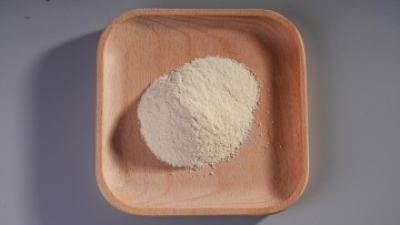
So, here’s the thing—2023 is really shaking up the world of health and nutrition. One of the hottest topics right now? Postbiotics Powder. If you’ve been reading up on market trends lately, you’ll see that the global probiotics scene is really booming, and it’s expected to hit around $77 billion by 2025. Naturally, that’s pushing products like postbiotics into the spotlight as part of the next big wave in health innovation. Companies like Zhongchuang Yike (Shanghai) Health Technology Co., Ltd. are right there on the cutting edge, offering all kinds of postbiotics and fermentation ingredients for different sectors—think food processing, pharmaceuticals, you name it. People are becoming way more aware of gut health these days, and how it impacts their overall well-being. That’s fueling a huge demand for postbiotics—these are ingredients known for their benefits after fermentation. In this blog, I’ll walk you through the 11 top trends in postbiotics powders that are really shaking up supply chains and encouraging industries to get creative with incorporating these powerful ingredients into their products.
Emerging Trends in Postbiotics: Understanding Market Drivers and Demand in 2023
2023 has really been an exciting year for the postbiotics market. We're seeing some pretty strong growth, mainly because people's tastes are changing and there's a bigger focus on health and wellness these days. It’s pretty wild to think that the global market for postbiotic supplements might hit over over $30.2 million by 2032—talk about a booming industry! If you ask me, understanding what’s fueling this spike in demand is pretty important. Things like more folks incorporating postbiotics into their health routines and becoming aware of all their benefits are really driving the trend. And it’s especially noticeable in North America, where a health-conscious crowd keeps this market thriving.
But it’s not just humans; the pet food world is jumping on the bandwagon too. In fact, the U.S. leads the way here, with a lot of pet owners willing to spend a little extra to keep their furry friends healthy. Dogs are the big winners—they make up the largest chunk of the market, which shows people are genuinely interested in giving their pets products that boost wellness. Distribution is changing too—supermarkets and hypermarkets now account for over 32% of sales, making these products more accessible and convenient to grab. All of this fits into the bigger picture—an overall dietary supplement market that’s bursting at the seams, valued at roughly $360.2 billion back in 2022. It’s clear that postbiotics are becoming a bigger part of everyday life, for both people and their pets, and things are only looking up from here.
The Role of Technological Advancements in Postbiotics Powder Production
You know, when it comes to making postbiotics powders in 2023, it’s pretty clear that new tech is really changing the game. Advances in fermentation tech, for example, are letting makers dial in the perfect conditions for those helpful microorganisms. That means they’re getting way better yields of postbiotics. And get this—artificial intelligence is now playing a big role too. It helps monitor the production in real-time and even makes adjustments on the fly, which leads to a more consistent, top-notch product. As more companies jump on these latest tools, they’re not just improving their supply chains—they’re also making their operations more eco-friendly and sustainable.
If you’re running a business in this space and want to stay competitive, investing in cutting-edge fermentation tech can really pay off. Working with tech-focused firms that specialize in AI and automation can make things run smoother and save some headaches down the line.
On top of that, new analytical methods—like high-throughput screening and mass spectrometry—are giving companies a deeper understanding of what’s in their postbiotics and how they work. This allows manufacturers to measure their products more accurately, which helps build trust with customers. Plus, having reliable info makes it easier to craft targeted marketing strategies.
So, a good tip for companies looking to make the most of these advancements? Partner up with research institutions. Collaborations like that open doors to innovative techniques and better product development that really speaks to what the market wants.
Postbiotics Powder Market Trends in 2023
Consumer Awareness and Health Benefits: Key Factors Influencing Postbiotics Purchases
Back in 2023, it’s pretty clear that consumers are more conscious than ever about health benefits, and that’s really driving the postbiotics market. People are doing their homework and paying more attention to how postbiotics can boost gut health and overall wellness. Because of that, products containing these good guys are flying off the shelves more often. Once folks understand how postbiotics can help with immunity, digestion, and even skin, they tend to look for the best quality options from trusted sources. It's like everyone’s becoming a little more health-savvy!
Zhongchuang Yike (Shanghai) Health Technology Co., Ltd. is really keeping pace with this trend. They offer a pretty wide range of postbiotics, probiotics, and fermentation agents designed for different industries, like food processing and pharma. As the global supply chains start to catch up with the surging demand for these health-boosting products, companies that are transparent and committed to quality will definitely stand out. Using cutting-edge tech and focusing on health, businesses can tap into what consumers want right now and, in the process, help build a healthier future for everyone.
Sustainability in Supply Chains: How Postbiotics are Shaping Eco-friendly Practices
Lately, there's been this real buzz around making supply chains more sustainable, and honestly, it's pretty exciting to see how many innovative ideas are popping up. Postbiotics—those byproducts from probiotic fermentation—have become a pretty big deal in this shift. They’re pretty cool because they support gut health and are eco-friendly at the same time. That combo makes them super appealing for a bunch of industries, from food and drinks to cosmetics. When companies start using postbiotics in their supply chains, it’s like they’re saying, 'Hey, we care about the planet,' and this naturally attracts consumers who are into sustainability.
Plus, using postbiotics can really cut down on waste. In the old days, production lines would throw away excess raw materials, which is kinda wasteful. But with postbiotics, those leftovers can be turned into something useful instead of just trash. It’s a smart move that boosts resource efficiency and helps the environment too. As more businesses jump on this eco-friendly bandwagon, they’re setting new standards for the industry and encouraging others to follow suit. Honestly, incorporating postbiotics isn’t just some passing trend—it’s part of a bigger shift towards more sustainable practices that balance environmental care with business growth.
11 Best Postbiotics Powder Trends Transforming Global Supply Chains in 2023
| Trend | Description | Impact on Sustainability | Market Growth (%) |
| Clean Label Products | Increased demand for transparency in ingredients. | Promotes environmentally friendly sourcing. | 15% |
| Fermentation Technology | Advancements in production efficiency and process optimization. | Reduces waste and enhances resource efficiency. | 20% |
| Sustainable Sourcing | Focus on renewable and responsibly sourced materials. | Supports biodiversity and reduces carbon footprint. | 18% |
| Circular Supply Chain | Integrating reuse and recycling into supply chains. | Minimizes waste and enhances sustainability. | 25% |
| Direct-to-Consumer Model | Brands selling directly to consumers, bypassing intermediaries. | Reduces transportation emissions and packaging waste. | 22% |
| Regenerative Agriculture | Farming practices that restore soil health. | Enhances soil carbon sequestration and biodiversity. | 30% |
| Probiotics-Enriched Foods | Innovations in foods that include postbiotics. | Encourages reduced reliance on artificial additives. | 28% |
| Digital Supply Chains | Utilizing digital tools for supply chain management. | Improves resource allocation and reduces inefficiencies. | 15% |
| Collaboration Across Sectors | Partnerships between food, agriculture, and health sectors. | Drives innovation in sustainable practices. | 10% |
| Waste Reduction Programs | Initiatives to minimize waste throughout the supply chain. | Reduces landfill contributions and emissions. | 12% |
Regulatory Landscape: Navigating Compliance Challenges in the Postbiotics Industry
You know, the world of postbiotics is getting pretty complicated these days. Governments around the globe are starting to recognize their potential perks, but at the same time, they’re also keen on making sure consumers are safe. I came across a recent report from the International Probiotics and Prebiotics Association, and it’s pretty mind-blowing — they’re forecasting the global postbiotics market will hit around $1.5 billion by 2025. That’s a big jump from just $440 million back in 2020. No wonder companies are feeling the pressure to get their compliance game on point — different regions have their own rules, which can get really tricky to navigate. Take the European Union, for example; they've got this whole set of regulations called the Novel Food Regulation, which basically requires thorough safety checks for any new postbiotic ingredients before they even hit the market.
As companies try to expand internationally, understanding these diverse rules really becomes a must. A report from the Global Organization for EPA and DHA Omega-3s points out that sticking to local food safety laws isn’t just about getting your products approved — it also helps build trust with consumers. And in this super competitive space, trust and transparency are everything. Plus, businesses that actually put effort into following regulations tend to be more innovative and successful, especially since today’s market really values products that are transparent, sustainable, and genuinely effective. With regulators continuing to push for higher standards, the industry has to stay flexible, adapt quickly, and keep improving their products — all at the same time. It’s definitely a fast-paced game, but staying ahead of the compliance curve is key if you wanna succeed here.
Future Forecast: Market Potential and Growth Opportunities for Postbiotics Powder by 2025
Hey, so the postbiotics market is really gearing up for some major changes, and the growth prospects are looking pretty exciting as we head into 2025. If you’ve been keeping an eye on recent reports, you'll see that this sector is expected to bring in some serious cash — like, it might reach around USD 30.5 million by 2034, growing at a solid pace of about 10.9% annually. A big reason for this boom? More and more people are waking up to the health benefits of gut-friendly products and are eager to include things that support overall wellness in their routines.
As awareness grows, companies are stepping up their game, coming up with new ways to incorporate postbiotics into all sorts of products — from supplements to sports nutrition. It’s pretty cool to see how flexible and versatile these substances are. Experts predict that by around 2030, the market could be worth as much as USD 224.8 million, so if you're looking at investing or just interested in the health trend, now’s the time to pay attention. Moving forward into 2023 and beyond, it really seems like there’s no limit to how much this market can grow. It’s an exciting scene to watch, and definitely something that could benefit both consumers and the wider economy down the line.
Revolutionize Your Gut Health: The Benefits of Lactobacillus Plantarum and Postbiotics Powder
Revolutionizing your gut health has never been easier, thanks to the incredible benefits of LactoBacillus Plantarum and postbiotics powder. Lactobacillus Plantarum is a powerhouse probiotic, known for its ability to enhance gut flora diversity, improve digestion, and bolster your immune system. This remarkable strain not only thrives in the human digestive tract but also contributes to reducing inflammation and combating harmful bacteria. Incorporating Lactobacillus Plantarum into your daily routine can promote a balance in your gut microbiome, paving the way for overall health improvements.
Postbiotics, the byproducts of probiotic fermentation, play a vital role in gut health as well. They offer significant anti-inflammatory properties and help maintain the integrity of the gut barrier, which can lead to improved nutrient absorption and reduced gut-related issues. When combined with Lactobacillus Plantarum, postbiotics powder ensures that your gut environment is not only populated with beneficial bacteria but is also fortified with essential compounds that support your body’s natural defenses. By embracing this potent duo, you can effectively enhance your digestive health, boost your energy levels, and improve your overall well-being, setting the stage for a healthier life.
FAQS
: The postbiotics market is experiencing growth due to shifting consumer preferences and an increasing focus on health and wellness, projected to exceed $30.2 million by 2032.
The dietary supplement sector is integrating postbiotics significantly, and the pet food sector, particularly focused on dogs, is also adopting postbiotics to enhance health-promoting products.
Supermarkets and hypermarkets are capturing over 32.1% of the market share, indicating a trend toward greater accessibility and convenience for consumers purchasing postbiotic products.
Innovations in fermentation technology and the integration of artificial intelligence are enhancing the efficiency and quality of postbiotics production, resulting in higher yields and more consistent products.
Companies should invest in advanced fermentation technologies and collaborate with tech firms to streamline operations and improve their competitiveness in the market.
Advanced analytical techniques like high-throughput screening and mass spectrometry provide insights into postbiotics composition, facilitating transparency and targeted marketing strategies for manufacturers.
The regulatory framework is complex, with governments implementing strict compliance measures to ensure consumer safety, especially under regulations like the European Union's Novel Food Regulation.
Knowledge of varying regulatory standards is crucial for market entry and building consumer trust in a competitive sector, as compliance can drive innovation and product efficacy.
The global postbiotics market is anticipated to reach $1.5 billion by 2025, up from $440 million in 2020.
Companies that prioritize regulatory compliance are better positioned to innovate and succeed, as consumers increasingly value transparency, sustainability, and effective health-related products.
Conclusion
Wow, 2023 has really shaken up the postbiotics powder scene, hasn't it? The trends are shifting quickly, and it seems like folks are more aware than ever of the health perks these products can offer. Thanks to some pretty cool tech advances in how they’re made, the quality is going up, and they’re actually more effective too. As people get smarter about the benefits, their buying choices aren't just about health anymore — eco-consciousness is playing a big role, and that’s even changing the way supply chains work.
Plus, sustainability’s become a big deal. More companies are stepping up and trying to source ingredients and produce in a way that’s better for the planet. Navigating all the rules and regulations? Yeah, it can be tricky, but honestly, it’s opening up all kinds of new opportunities for growth in this space. Looking ahead to 2025, the future for postbiotics powders looks pretty exciting. They’re not just limited to health — they’re making waves in industries like agriculture and beyond, proving just how versatile and wide-ranging these innovative products really are.