Lately, everyone’s been talking a lot about gut health — and honestly, for good reason. It turns out, your gut plays a huge role in your overall wellness. One pretty interesting way to give your gut a boost is by using Premix Postbiotics. These are bioactive compounds made during the fermentation process of Probiotics, and they come with quite a few perks — like helping with digestion and giving your immune system a bit of a lift.At Zhongchuang Yike (Shanghai) Health Technology Co., Ltd., we’re all about providing top-notch probiotics, postbiotics, and fermentation agents that suit different industries — whether it’s food, pharma, healthcare, or agriculture. Adding Premix Postbiotics into your daily routine could really unlock your body’s potential for being healthy and energized. In this blog, I’ll share some of the best tips on how to boost your gut health effectively with these powerful supplements — so you can get the most out of what they offer and feel really good doing it.
How Premix Postbiotics Can Improve Your Gut Microbiome Diversity
Taking care of your gut microbiome isn’t just some health trend — it’s pretty much essential for feeling your best. The truth is, having a diverse mix of microbes can actually affect everything from how you digest food to how strong your immune system is. I recently came across a study published in Nature, and it pointed out that folks with a richer variety of gut bacteria tend to be less prone to long-term issues like obesity, diabetes, and even some mental health challenges. Adding in premix postbiotics into your daily routine can really help boost that microbial diversity, leading to better overall health and wellbeing.
A few simple tips? Start by tossing some fermented foods into your meals—think yogurt, sauerkraut, kimchi—these are great for your microbiome. Also, it’s worth considering a daily supplement with premix postbiotics, especially ones that combine specific bacterial strains proven to thrive in your gut. Interestingly, a clinical trial from the American Gut Project showed that folks who took postbiotics regularly saw about a 25% boost in their microbial diversity in just a few weeks.
And don’t forget about fiber! Filling your plate with fruits, veggies, and whole grains is perfect because they act as prebiotics, feeding the good bacteria in your gut so they can do their thing. When you focus on both prebiotics and postbiotics, you’re basically creating a happy, balanced environment inside your gut — and that can do wonders for your health and overall vibe.
5 Key Benefits of Incorporating Postbiotics into Your Daily Routine
Adding postbiotics to your daily routine can really give your gut and overall health a nice boost. Basically, postbiotics are the byproducts of probiotics — so they pack many of the good stuff from those helpful microbes, but without needing the bacteria to be alive. That’s actually a big win if you’ve ever had trouble tolerating actual probiotics. When you include postbiotics, they help keep the balance of good bacteria in your gut, which can lead to better digestion, less bloating, and might even ease symptoms of irritable bowel syndrome.
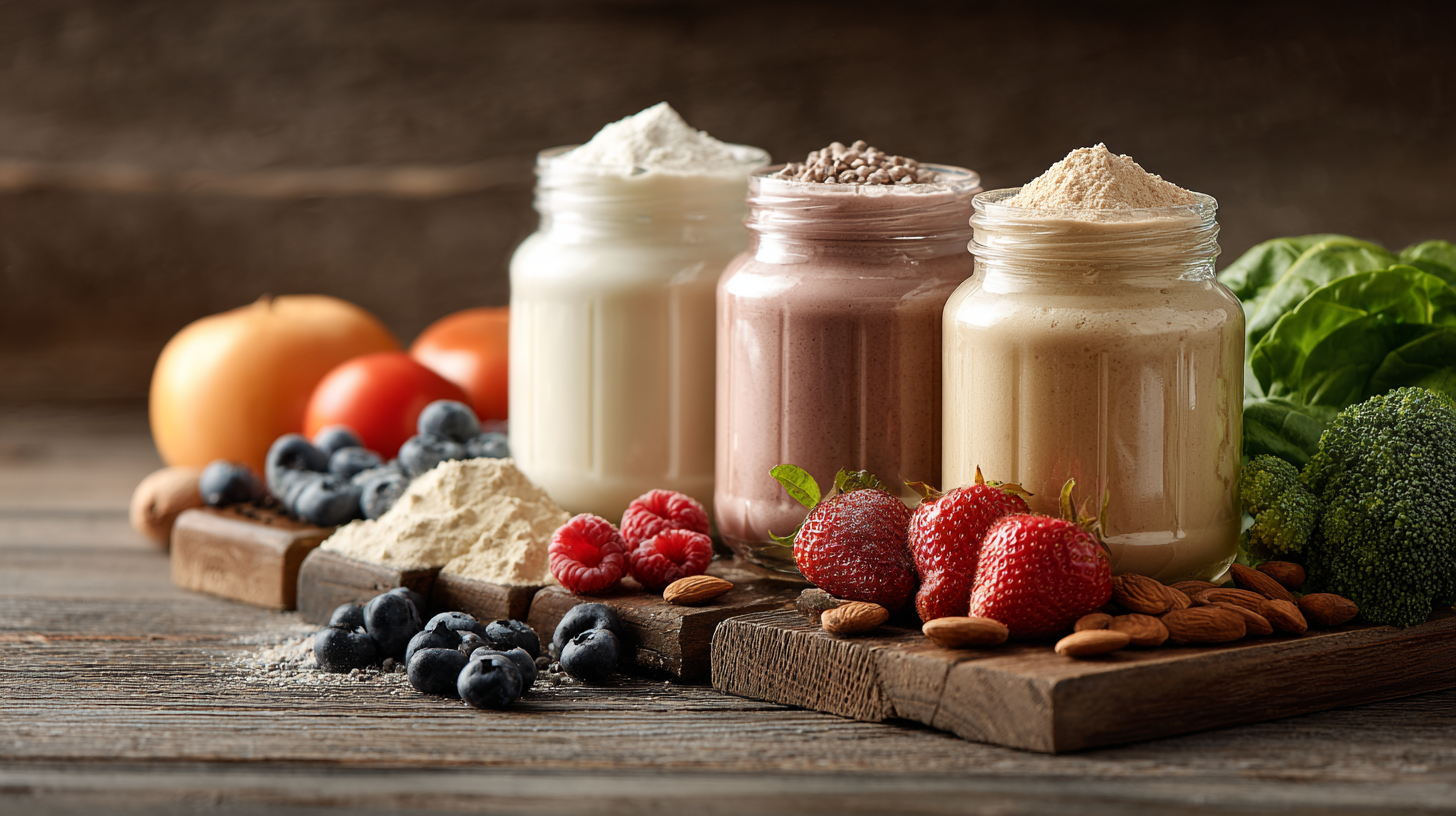
Another pretty awesome thing about postbiotics is that they help strengthen your gut barrier. They encourage the production of mucin, that thick gel-like substance that lines your intestines and keeps things protected. A stronger gut barrier means fewer harmful germs can sneak into your bloodstream, which in turn cuts down inflammation and supports your immune system. Plus, some studies suggest postbiotics might help your body absorb nutrients better — so your vitamins and minerals do their job more effectively. Essentially, by adding postbiotics to your daily routine, you’re giving your gut a little extra love, helping it stay healthy and keeping your overall well-being in check.
Understanding the Science: How Postbiotics Affect Gut Health According to Recent Studies
You know, postbiotics are really catching everyone’s attention these days. Basically, they’re the good stuff—metabolites made by probiotic bacteria—that play a key role in keeping our gut healthy. Recent research kinda blew my mind; it shows that postbiotics do a lot of heavy lifting—strengthening the gut barrier, boosting our immune system, and all that good stuff. And the cool part? They seem to be safer alternatives compared to traditional probiotics. When they help keep our gut microbiome in check, it’s like setting the stage for overall wellness. They produce things like short-chain fatty acids (SCFAs), enzymes, vitamins—you name it—which all have a direct positive impact on our health.
What’s even more interesting is that science is really starting to pay attention to these compounds, not just for fixing health issues but also for everyday well-being. For example, some recent reviews suggest that postbiotics could be game-changers for conditions like inflammatory bowel disease (IBD), helping a wide range of people. Plus, there’s this fascinating link between gut health and brain function—research points to gamma-aminobutyric acid (GABA), a possible postbiotic, as a key player in this connection. It’s pretty exciting because it highlights how taking care of our gut isn’t just about digestion—it could be crucial for our mental health too.
Top 3 Postbiotic Ingredients for Enhanced Digestive Wellness and Their Proven Effects
Lately, postbiotics have been getting a lot of buzz as a really effective way to support gut health. Basically, these bioactive compounds come from the fermentation of probiotics, and they pack quite a punch when it comes to digestive wellness. Out of the different postbiotic ingredients out there, three tend to stand out because of their proven benefits: Peptidoglycan, Short-Chain Fatty Acids (SCFAs), and beta-glucans.
Peptidoglycan is pretty important when it comes to keeping your gut lining strong. It helps reinforce the barrier in your intestines, so nasty stuff doesn’t get into your bloodstream. Plus, it can give your immune response a little boost, which is always a good thing for overall health. Then, there are the Short-Chain Fatty Acids, especially butyrate. These are known for fighting inflammation and for feeding the cells that line your gut, which is super important. They can also help keep your digestion on track and make regular bowel movements easier, which means a happier gut.
And let’s not forget beta-glucans, a type of soluble fiber. These are fantastic prebiotics—they feed the good bacteria in your gut, helping to keep your microbiome balanced. When your gut bacteria are happy and healthy, digestion and nutrient absorption tend to work much better. When you put all these ingredients together, they can really make a difference in your digestive health and set the stage for feeling pretty great overall.

5 Practical Tips for Selecting and Using Premix Postbiotics Effectively
When it comes to boosting your gut health, premix postbiotics are really starting to get some serious attention — folks are seeing some pretty promising benefits. According to the International Probiotics Association, more than 70% of people are now aware of postbiotics and how they can help with digestion. Picking the right premix postbiotics is pretty important if you want to get the most out of them. So, here are some practical tips to help you make smarter choices.
First off, check for products that use scientifically supported strains. Stuff like Lactobacillus and Bifidobacterium have pretty strong research backing their ability to rebalance your gut bacteria. When you’re shopping around, see if there are any clinical studies or trials that back up the effectiveness of the formulation.
Next, take a look at the ingredients and overall formula. A study from the Journal of Nutrition emphasized how prebiotic fibers, like inulin, when combined with postbiotics, can really promote gut health. So, it’s a good idea to go for a premix that includes some of these fibers—they can really boost the benefits. Oh, and don’t forget to follow the instructions! Taking them at the right times can make a big difference in how well they work and how your gut feels overall.
The Future of Gut Health: Emerging Research on Postbiotics and Overall Wellness
The future of gut health is opening up in some pretty exciting ways, especially with new research on postbiotics. These are basically the metabolic byproducts produced by probiotics when they’re hanging out in your gut. Unlike prebiotics and probiotics, which are live microorganisms or the foods that feed them, postbiotics are the beneficial compounds they produce—things like short-chain fatty acids and other metabolites. And get this, those little guys are actually helping out in a bunch of ways: strengthening your gut barrier, modulating your immune response, and reducing inflammation. All of this adds up to better overall health. And as scientists keep digging into the gut-brain connection, postbiotics might even become a key player in mental health—showing us how your gut health impacts your mood and thinking.
Recent studies are starting to show just how versatile postbiotics can be. Not only do they support digestion, but they seem to help with systemic health too. For example, there's evidence suggesting they could help manage conditions like irritable bowel syndrome (IBS) and maybe even play a part in preventing chronic illnesses. As we learn more about these tiny but mighty compounds, I think we'll see gut health strategies that include postbiotics gaining popularity. It’s really paving the way for more personalized approaches to nutrition and health—giving people the power to take control of their wellness through tailored gut health plans.
FAQS
: Postbiotics are beneficial metabolites produced by probiotic bacteria, which play a significant role in enhancing gut barrier function, bolstering immune responses, and promoting a balanced gut microbiome for optimal wellness.
Unlike probiotics, which are live microorganisms, postbiotics are not alive but rather the beneficial compounds generated by probiotics, such as short-chain fatty acids and other metabolites.
Postbiotics enhance gut barrier function, modulate immune responses, reduce inflammation, and can assist in managing conditions like irritable bowel syndrome (IBS).
Yes, emerging research suggests that postbiotics may play a role in mental health by influencing the gut-brain connection, with potential effects on mood and cognition.
Yes, postbiotics are considered safer alternatives to traditional probiotics as they are derived from beneficial metabolites without the risks associated with live microorganisms.
Postbiotics may assist in managing conditions such as inflammatory bowel disease (IBD) and preventing chronic diseases through their beneficial effects on gut health.
By enhancing gut health and function, postbiotics contribute to overall wellness through improved immune response, inflammation reduction, and potentially better systemic health outcomes.
The future of gut health initiatives will likely incorporate postbiotics into dietary strategies, paving the way for personalized nutrition and health solutions that empower individuals to enhance their wellness.
Examples of metabolites include short-chain fatty acids (SCFAs), enzymes, and vitamins that play a direct role in health and wellness.
Current scientific literature indicates that postbiotics are gaining traction in both therapeutic and non-therapeutic areas, making them an exciting focus of ongoing research in gut health.
Conclusion
Including premix postbiotics in your daily routine can really give your gut a boost by boosting microbiome diversity and supporting overall well-being. These healthy compounds come with a bunch of perks—think better digestion, a stronger immune system, and improved nutrient uptake. If you're into understanding how this stuff actually works, diving into the science behind postbiotics can help you make smarter dietary choices. Recent studies are quite promising, showing just how beneficial they can be.
As we check out the top postbiotic ingredients known for their digestive benefits, it’s good to keep some practical tips in mind for picking the right premix postbiotics and using them effectively. Plus, new research is constantly unveiling more about gut health’s future, emphasizing just how important postbiotics are for feeling and staying your best.
At Zhongchuang Yike (Shanghai) Health Technology Co., Ltd., we’re really committed to offering top-notch probiotics and postbiotics designed for different industries—so we can help folks improve their health and live better, every day.