Leave Your Message
0%

Lactobacillus Acidophilus is truly an amazing probiotic. It plays a pretty important role in keeping your gut healthy and giving your immune system a boost. This tiny microorganism not only helps break down your food more effectively but also helps maintain that delicate balance of gut bacteria—something that's super important if you want to feel your best overall. Here at Zhongchuang Yike (Shanghai) Health Technology Co., Ltd., we’re really excited about the potential of Lactobacillus Acidophilus to help people live healthier lives. We’re dedicated to delivering top-notch Probiotics, postbiotics, and fermentation products across a bunch of industries—think food, pharmaceuticals, healthcare, preventive medicine, livestock, farming, and even daily chemicals. By leveraging the benefits of this probiotic, our goal is to help individuals and businesses boost their health and wellness through innovative solutions that really work.
The Surprising Benefits of Lactobacillus Acidophilus for Gut Health and Immunity

Uncovering 5 Key Ways Lactobacillus Acidophilus Boosts Gut Health

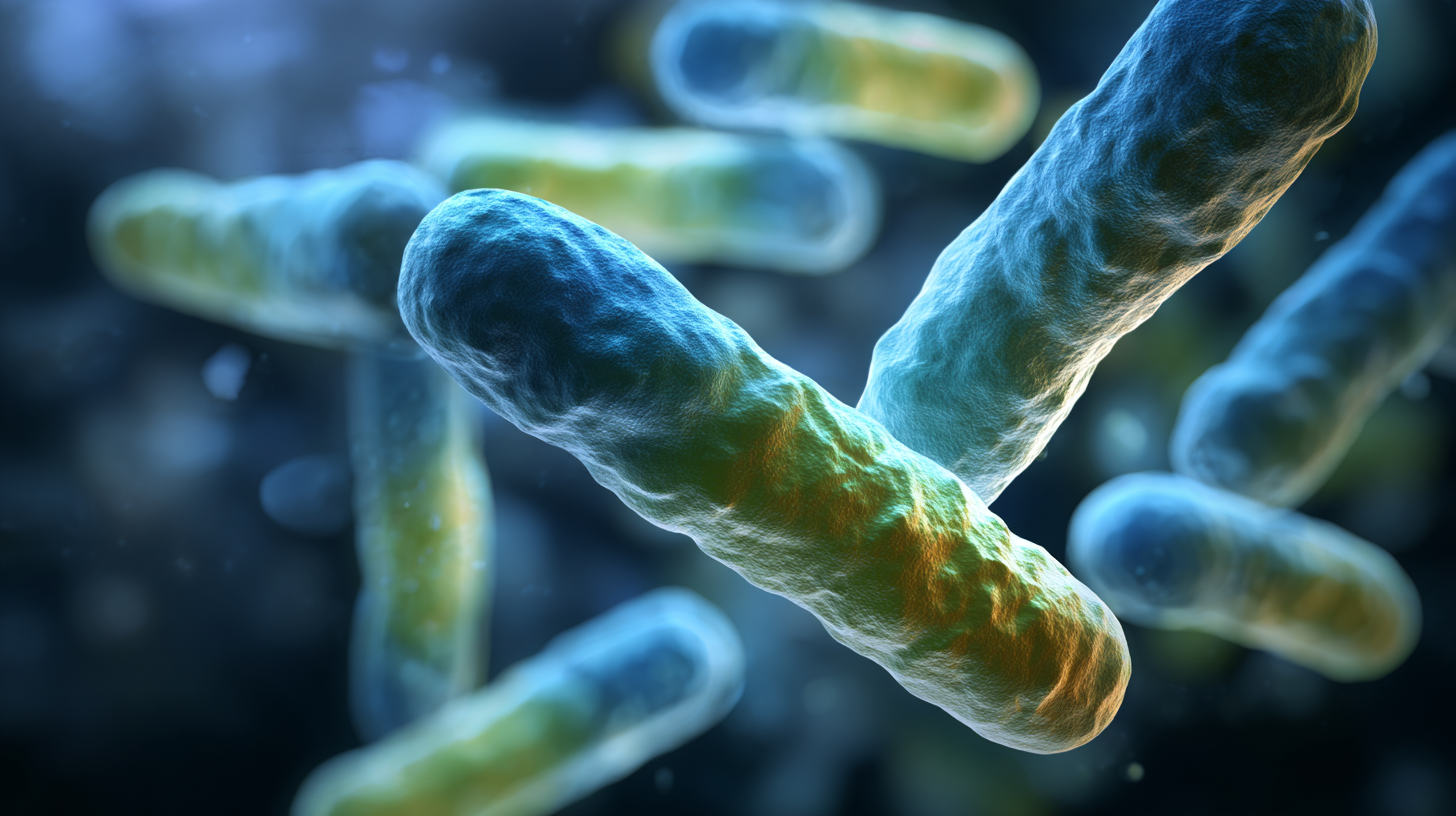
You know, Lactobacillus Acidophilus is one of those probiotics that’s really been getting a lot of attention lately, and for good reasons. It’s well-known for helping out with gut health and boosting your immune system. Folks who’ve looked into it say that this friendly bacteria is crucial for keeping your digestion in check and supporting a healthy gut microbiome. One of the cool things it does is strengthen your gut barrier — basically, it helps keep nasty pathogens from sneaking in and causing trouble. If you’re someone who’s struggled with bloating or gas, adding Lactobacillus Acidophilus to your daily routine might actually help reduce those discomforts, making your digestion feel a whole lot better. I’ve read some reviews and studies that back this up, so it’s not just hype.
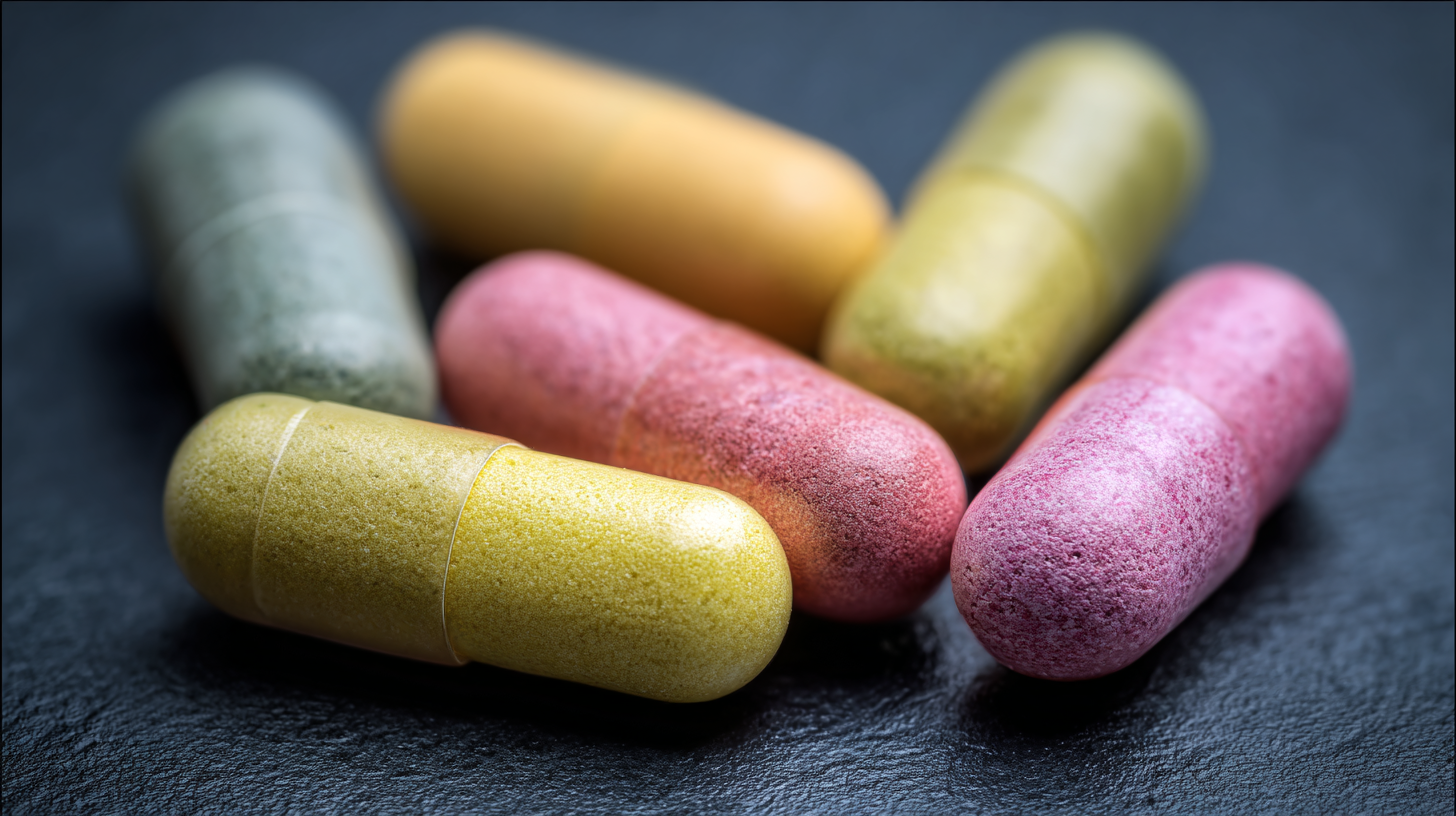
The Surprising Benefits of Lactobacillus Acidophilus for Gut Health and Immunity

On top of that, this probiotic helps boost your immune defenses by fine-tuning how your immune system responds and ramping up the production of certain antibodies. It’s especially helpful for folks dealing with chronic gut issues because it promotes a healthy inflammatory response. Interestingly, recent reports have shown that taking probiotics like Lactobacillus Acidophilus can even lower the chances of getting diarrhea from antibiotics — which is great news! There’s also been a lot of buzz, especially among women over 50, about how gut health really impacts overall wellness. And experts are pretty clear — adding this probiotic to your daily routine could do a lot to support both your gut and your immune system in a pretty natural way.

3 Essential Roles of Lactobacillus Acidophilus in Strengthening Immunity

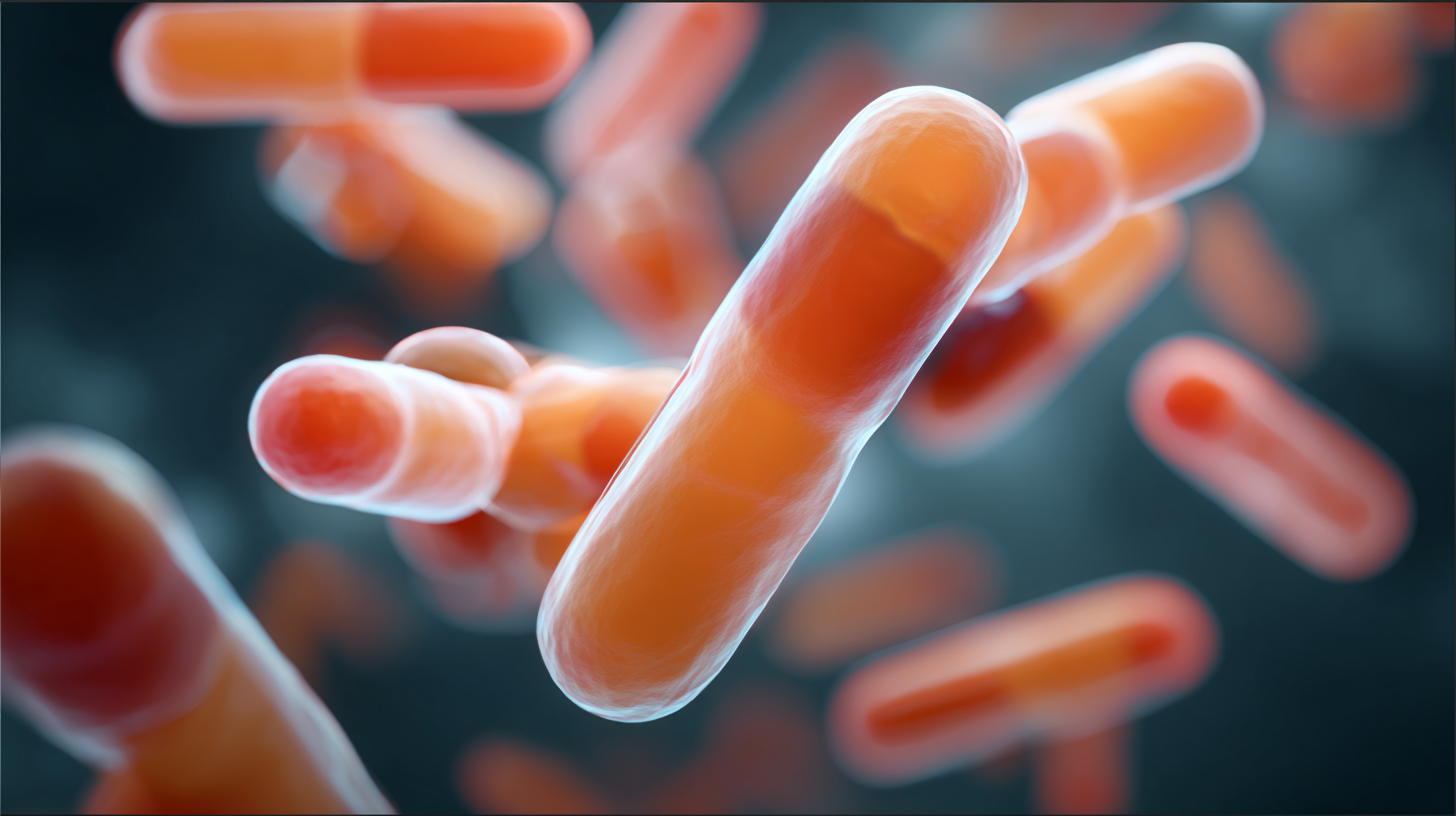
Lactobacillus acidophilus is this friendly little bacteria that lives in our gut, and honestly, it does a lot to boost our immune system. First off, it’s super important for keeping our gut flora balanced. When your gut has a good mix of bacteria, it’s way harder for nasty pathogens to take over. This probiotic produces stuff like lactic acid, which makes the environment unfriendly for those harmful microbes—so it helps keep infections and inflammation at bay.

What’s really cool is that Lactobacillus acidophilus also helps kickstart your immune response. It interacts with the gut’s immune tissue—called GALT—which basically acts like your immune command center. This interaction encourages the production of key immune cells like T-cells and B-cells that are crucial for fighting off sickness. Plus, it boosts the creation of antibodies—these are like the body's fingerprint for recognizing and neutralizing bad guys—making you a lot less likely to get sick.

And wait, there’s more! This bacteria isn't just about gut health; it also helps keep your overall immune system in check by controlling inflammation. It influences cytokines—these are tiny signaling molecules that decide whether your immune response is on or off. Thanks to Lactobacillus acidophilus, your immune system stays balanced and ready to handle whatever comes your way. All in all, this little probiotic isn’t just good for your gut, but it actively helps your body stay healthier and stronger in the long run.

7 Foods Rich in Lactobacillus Acidophilus to Enhance Your Diet

Lactobacillus acidophilus is a pretty awesome probiotic that can do wonders for your gut health and boost your immunity. If you’re looking to get more of this good stuff into your diet, it’s a smart idea to include foods rich in L. acidophilus. Yogurt? Absolutely a classic choice — not only is it super versatile, but it's also teeming with live cultures. You can toss it into smoothies, spread it on top of your bowl, or even sneak it into savory dishes to get those health benefits. And if you want an even bigger probiotic punch, give kefir a try — that fermented milk drink usually packs an even higher concentration of good bacteria, making it a fantastic option for your digestion.

The Surprising Benefits of Lactobacillus Acidophilus for Gut Health and Immunity

But hey, beyond dairy, there are plenty of plant-based options too. Fermented veggies like sauerkraut and kimchi are loaded with probiotics and are a tasty way to improve your digestion. Plus, foods like miso and tempeh are also great sources of L. acidophilus and can help keep your gut flora balanced. Eating these regularly isn’t just good for your digestion — it can actually strengthen your immune system too. Basically, adding a mix of these foods to your meals is a pretty simple, natural way to support your gut health and boost your overall well-being.

4 Lifestyle Tips for Maximizing the Benefits of Lactobacillus Acidophilus

If you're looking to get the most out of Lactobacillus acidophilus for your gut health and immune system, there are a few simple lifestyle tweaks that can really make a difference. First off, try to include a bunch of fermented foods in your diet—stuff like yogurt, kefir, sauerkraut, or kimchi. These foods are packed with probiotics and can give your digestion a nice boost, helping to keep your microbiome happy and balanced. Making them a regular part of what you eat means you'll be consistently feeding those good bacteria.

On top of that, eating a balanced diet with plenty of prebiotic foods is key. Things like bananas, onions, garlic, and whole grains are high in fiber, and they actually act like food for the probiotics, encouraging their growth in your gut. When these prebiotics pair up with probiotics, it’s like a perfect team effort—they can really support your gut health and even boost your immune response.

And let’s not forget, managing stress and getting enough sleep are just as important. Chronic stress can throw off your gut flora, including Lactobacillus. So, practicing mindfulness or finding some relaxing routines—and aiming for about 7 to 9 hours of sleep each night—can help keep stress levels in check. When you do that, you're creating a much healthier environment for your probiotics to thrive and do their thing.

The Surprising Benefits of Lactobacillus Acidophilus for Gut Health and Immunity

Benefit Description Lifestyle Tips
Improved Digestion Lactobacillus acidophilus helps break down food, aiding in nutrient absorption. Include fermented foods like yogurt in your diet.
Enhanced Immune Function Supports the immune system by stimulating production of antibodies. Consume probiotics regularly, especially after antibiotic use.
Reduced Symptoms of IBS May alleviate irritability in the bowel and reduce bloating. Stay hydrated and consider a low-FODMAP diet.
Mental Well-being Gut health is linked to mood regulation and lower anxiety levels. Practice stress management techniques, such as mindfulness or yoga.

6 Surprising Ways Lactobacillus Acidophilus Affects Mood and Mental Health

You know, Lactobacillus acidophilus isn’t just great for your gut health — it actually has a pretty big impact on your mood and mental well-being too. Studies have shown that this good bacteria can produce neurotransmitters like serotonin, which are crucial for keeping your mood balanced. There’s this thing called the gut-brain axis, which basically means your digestive system and your brain are connected more than we used to think. So, when your gut is happy and balanced, your mental health can actually get a boost as well. If you’ve got enough of this probiotic around, it might even help ease anxiety and depression symptoms, helping you feel more emotionally steady overall.

On top of that, taking Lactobacillus acidophilus could actually support your brain power. It promotes a healthy microbiome, which in turn is good for your neural health and thinking skills. Some studies suggest that people with a balanced gut tend to remember things better and concentrate more easily. Oh, and it gets better — this probiotic can also cut down inflammation inside your body, which has been linked to mood issues. So basically, keeping your gut happy with Lactobacillus acidophilus could be a game-changer for your mental health, helping you stay positive and focused on good vibes.

Unlocking Digestive Health: The Benefits of Lactobacillus Plantarum and Postbiotics Powder

Unlocking Digestive Health: The Benefits of Lactobacillus Plantarum and Postbiotics Powder

Lactobacillus plantarum, a prominent strain of beneficial bacteria, plays a crucial role in promoting digestive health. This probiotic is known for its ability to enhance the gut microbiome, which is essential for efficient digestion and nutrient absorption. By producing lactic acid, Lactobacillus plantarum helps lower the pH in the gut, creating an environment where harmful bacteria cannot thrive. Regular consumption of products containing this probiotic supports overall gut health and can alleviate issues such as bloating, gas, and irregular bowel movements.

In addition to Lactobacillus plantarum, postbiotics powder has emerged as a significant supplement in the realm of digestive health. Postbiotics are metabolic byproducts of probiotics that have beneficial effects on the host. They contribute to strengthening the gut barrier, modulating the immune response, and reducing inflammation. Incorporating postbiotics powder into your daily routine can further enhance the positive effects of probiotics, leading to improved digestive comfort and overall well-being. Together, these components unlock the potential for a healthier gut, providing individuals with the tools they need for optimal digestive function.

FAQS

: What is Lactobacillus acidophilus?

: Lactobacillus acidophilus is a beneficial bacterium found in the human gut that plays a crucial role in enhancing immunity and supporting gut health.

How does Lactobacillus acidophilus strengthen immunity?

It helps maintain a balanced gut microbiome, stimulates the immune system, and modulates systemic inflammation, thereby fortifying the body's overall immune defense.

What types of foods can enhance Lactobacillus acidophilus in the diet?

Fermented foods such as yogurt, kefir, sauerkraut, and kimchi are rich in probiotics and can significantly enhance the presence of Lactobacillus acidophilus.

Why are prebiotic foods important for Lactobacillus acidophilus?

Prebiotic foods high in fiber, like bananas, onions, garlic, and whole grains, nourish probiotics and encourage the growth of Lactobacillus acidophilus in the gut.

How can stress and sleep affect Lactobacillus acidophilus and gut health?

Chronic stress can negatively impact gut flora, including Lactobacillus, while adequate sleep helps promote a healthier environment for probiotics to thrive, enhancing immune function.

What impact does Lactobacillus acidophilus have on mood and mental health?

It can produce neurotransmitters like serotonin that regulate mood and potentially mitigate symptoms of anxiety and depression, thereby enhancing overall emotional stability.

How does Lactobacillus acidophilus relate to cognitive function?

This probiotic strain promotes a healthy microbiome that supports neural health and cognitive processes, which may lead to better memory and focus.

What is the gut-brain axis?

The gut-brain axis refers to the connection between the digestive system and the brain, indicating that a healthy gut can improve mental health and emotional well-being.

Can Lactobacillus acidophilus help with inflammation?

Yes, it can reduce inflammation in the body, which has been linked to mood disorders, further supporting mental health.

How can a balanced diet support Lactobacillus acidophilus?

A balanced diet that includes both probiotic and prebiotic foods supports the growth and activity of Lactobacillus acidophilus, leading to improved gut health and stronger immune responses.

Conclusion

So, you know Lactobacillus Acidophilus? It’s that beneficial probiotic that really helps keep your gut in check and boosts your immune system. Basically, it supports digestion by balancing out the good bacteria in your gut, which can help reduce those annoying stomach issues and improve how your body absorbs nutrients. Plus, it plays a pretty important role in strengthening your defenses—by kicking your immune system into gear, encouraging antibody production, and helping immune cells do their thing. No joke, it’s kind of a must-have for staying healthy.

If you want to get more of this probiotic into your system, foods like yogurt, kefir, and those fermented veggies are your friends. But, honestly, diet isn’t everything—things like managing stress and eating balanced meals can really boost the benefits of probiotics, too. Oh, and here’s something interesting—recent studies are suggesting that Lactobacillus Acidophilus might even influence your mood and mental health. Some folks say it can help with anxiety and depression symptoms, which is pretty cool if you’re into a holistic approach to feeling good all around.

Sophie

Sophie

Sophie is a dedicated professional marketer at Zhongchuang Yike (Shanghai) Health Technology Co., Ltd., where her expertise plays a crucial role in promoting the company’s innovative health products. With a profound understanding of the health technology industry, Sophie consistently updates the......
Previous Lacticaseibacillus Casei in Dairy Production Solving Fermentation Challenges