Lately, there's been a real buzz around gut health, and it's understandable why – people are super interested in Postbiotic Foods now. These foods are showing a lot of promise when it comes to keeping our digestion on point. In fact, research is pointing to the postbiotic market growing at about 15% annually from 2021 all the way to 2028, which really says something about how much folks want these bioactive compounds. One company that's making waves in this space is Zhongchuang Yike (Shanghai) Health Technology Co., Ltd.They’re all about coming up with innovative solutions—stuff like probiotics, Postbiotics, and fermentation ingredients—that serve a bunch of industries, from food processing to healthcare. The more we learn aboutpostbiotics, the more we realize how powerful they can be for boosting our gut health, strengthening our immune system, and just helping us feel better overall. Figuring out how to include these foods in our daily diets can actually be a pretty awesome way to stay ahead of illness and take control of our health. It’s like having a new tool in your wellness toolbox—pretty exciting stuff!
Understanding Postbiotics: What They Are and Why They Matter
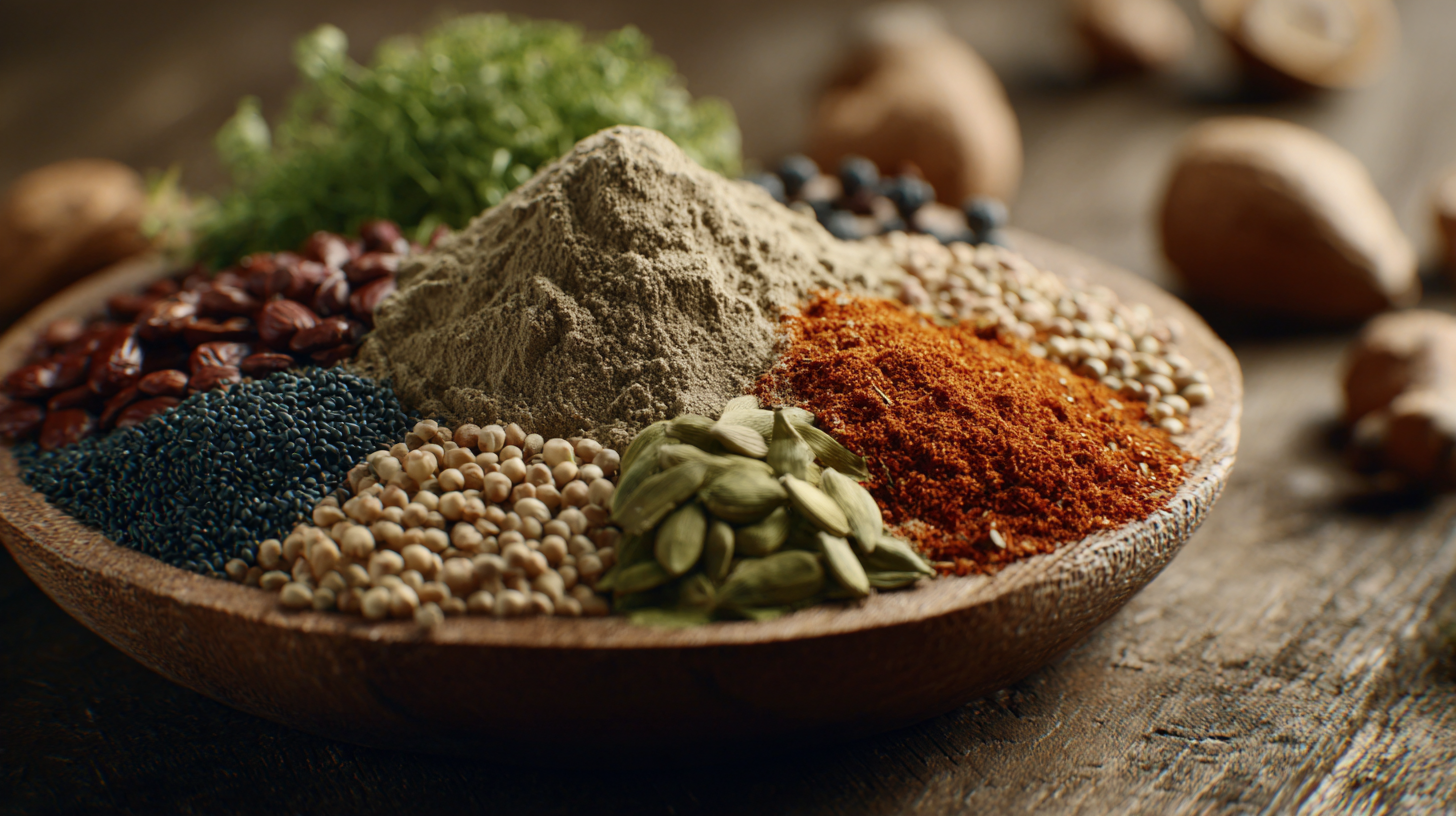
So, postbiotics are basically the byproducts that beneficial gut bacteria produce when they ferment stuff. Unlike probiotics, which are live bacteria you'd actually take, postbiotics are made up of dead microbial cells, bits of their cell walls, and other stuff they release. They’re pretty awesome when it comes to gut health because they help boost your immune system, strengthen the gut barrier, and even fight inflammation. And here’s a cool part: you don’t need to actually consume live bacteria to get the benefits. That makes postbiotics a safer choice, especially for folks with weaker immune systems.
What’s really interesting is how they help keep your gut microbiome in check. Studies suggest these compounds can ease some digestive issues, help your body absorb nutrients better, and even support your mental health by affecting the gut-brain connection. That’s why postbiotics have become a big deal in the health and nutrition world. We’re seeing more functional foods packed with these active ingredients. By adding things like fermented foods or certain fiber-rich options into your diet, you can give your gut—a and your whole body—a bit of a boost, naturally.
The Science Behind Postbiotics: How They Benefit Gut Health
You know, postbiotics have really been catching everyone's attention lately when it comes to gut health. Basically, they’re different from traditional probiotics — instead of live bacteria, postbiotics are the byproducts that bacteria produce during fermentation. And get this, some of these byproducts actually help fight off nasty fungi like Candida, which means they can be pretty good for keeping our gut bacteria balanced and healthy. It’s pretty exciting stuff!
People are super interested in postbiotics these days, and the market’s actually expected to hit around 30.5 million dollars by 2034. That’s mainly because more folks are looking for safer, more stable options instead of live bacteria. Plus, research is showing that postbiotics might do more than we thought — they could help strengthen the gut lining, regulate our immune system, and even offer some help with chronic health issues. All of this just highlights how important postbiotics could become in future supplements aimed at keeping us healthier overall.
Identifying Postbiotic Foods: Key Ingredients for Your Diet
Lately, postbiotics have really been gaining attention in the world of gut health, especially as a complement to the well-known benefits of probiotics. According to the International Scientific Association of Probiotics and Prebiotics (ISAPP), postbiotics are basically inanimate microorganisms or parts of them that can give our health a boost. This definition makes it clear that understanding how postbiotic-rich foods can help our gut microbiome is pretty important, especially since new research keeps shedding light on their roles.
Adding foods high in postbiotics into your diet could be a total game changer for your digestive health. Think about fermented goodies like yogurt, kefir, or some aged cheeses—they’re packed with probiotics but also produce helpful postbiotics through natural enzymatic processes. These substances might strengthen your gut barrier and help calm down inflammation, which is all great for overall gut wellness. As more studies come out, especially looking at traditional regional foods and their health perks, the focus on eating more postbiotic foods could totally shift how we think about diet. If you pay attention to these insights and choose foods wisely, you can really give your gut the support it needs to stay happy and healthy.
Unlocking the Secrets of Postbiotic Food for Better Gut Health
This bar chart illustrates the concentration of various postbiotics found in food sources. Understanding these levels can help you identify key ingredients to include in your diet for better gut health.
Incorporating Postbiotic Foods into Your Meals: Practical Tips
Adding postbiotic-rich foods into your meals can really give your gut a boost. Basically, postbiotics are these beneficial compounds that probiotics produce during fermentation. They've been linked to a bunch of health perks, like better digestion and less inflammation. To make it easy, start sneaking some fermented goodies into your diet—things like yogurt, kefir, sauerkraut, or kimchi. These are loaded with postbiotics and can help keep your gut microbiome happy, which in turn supports your overall digestion.
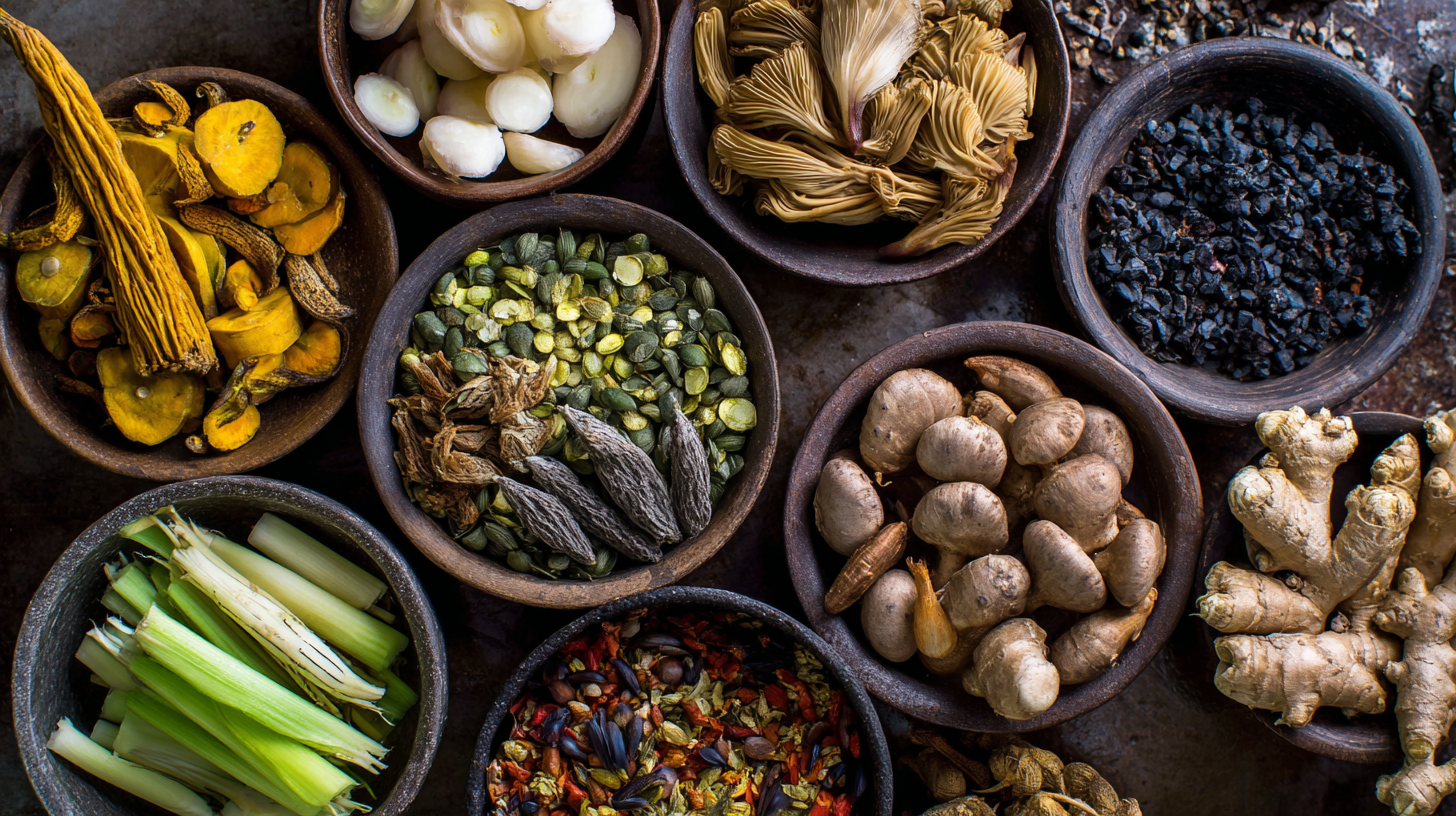
If you're feeling a bit more adventurous, try tossing in some ingredients high in postbiotics into your cooking. For example, add miso or tempeh to soups, stews, or salads—that way, you get some flavor and a health boost at the same time. Even using fermented sauces or dressings in your dishes can be a game-changer, making your meals tastier while doing good for your gut. Just get creative and find ways to include these foods daily. Not only will you enjoy some tasty eats, but you'll also be supporting a healthier, more balanced gut microbiome—win-win, right?
Common Misconceptions About Postbiotics: Debunking Myths
Lately, postbiotics have been getting a lot of attention as a key part of gut health, but honestly, there's still quite a bit of confusion about them. A common thing I hear is that people often think postbiotics and probiotics are just the same thing. The truth is, probiotics are live bacteria that can actually offer health benefits, but postbiotics are more like the leftovers—these are the metabolic byproducts that bacteria produce after munching on food. This might sound technical, but the key point is that postbiotics can boost your gut health even without having actual live bacteria present. That’s a big plus for anyone who’s sensitive to probiotics or has trouble tolerating them.
Then, there’s this idea floating around that you don’t really need postbiotics if you’re already eating a healthy diet. Some people seem to think just taking probiotics is enough. But recent studies suggest that adding postbiotics to the mix can really amplify the benefits of probiotics and help keep your gut microbiome in check. Plus, they support your immune system and can even lower inflammation—so they’re actually pretty important for overall digestion and health. Understanding all this about postbiotics can really change how we see their role in keeping our gut happy and healthy — they’re more than just a buzzword, for sure.
Monitoring Your Gut Health: Signs You’re Benefiting from Postbiotics
Taking care of your gut health is pretty important for feeling your best overall, especially when you’re adding postbiotic foods into your diet. So, what are postbiotics? They’re basically the beneficial byproducts created by probiotic bacteria, and they can really do a lot to support a healthier gut microbiome. You might even notice some signs that you're starting to see the benefits—like better digestion, less bloating, and a stronger immune system. These little clues tell you your gut is on the right track.
If you're looking to give your gut even more support, here are a few tips. First off, try to include a mix of foods rich in postbiotics—think fermented grains, yogurt, or aged cheeses. Variety can help you get a wider range of those helpful compounds. Also, don’t forget to stay hydrated; drinking enough water helps keep your gut bacteria happy and makes things move smoothly through your digestive system. And finally, just pay attention to how you’re feeling overall. If you notice improvements in your mood, energy, or even your skin, chances are your gut’s responding well to those postbiotics.
Remember, it’s all about consistency and listening to your body. Small steps can make a big difference!
FAQS
: Postbiotics are metabolic byproducts produced during fermentation by beneficial gut bacteria. They include dead microbial cells, cell wall fragments, and various metabolites that contribute to gut health.
Unlike probiotics, which are live microorganisms, postbiotics consist of inanimate microorganisms and their components. They provide health benefits without needing to consume live bacteria.
Postbiotics enhance gut health by modulating the immune system, improving intestinal barrier function, providing anti-inflammatory benefits, alleviating gastrointestinal disorders, and promoting nutrient absorption.
Yes, research suggests that postbiotics can influence the gut-brain axis, contributing to mental well-being along with physical health benefits.
Foods such as fermented products (yogurt, kefir, sauerkraut, kimchi), aged cheeses, miso, and tempeh are rich in postbiotics and can help nourish the gut microbiome.
You can add fermented items like yogurt and kimchi to your meals or use postbiotic-rich ingredients like miso and tempeh in soups and salads to enhance gut health.
Yes, postbiotics are considered a safe option because they do not involve the consumption of live bacteria, making them suitable for those with weakened immune systems.
A balanced gut microbiome is essential for overall health, as it can improve digestion, support the immune system, and even influence mental health through the gut-brain connection.
Research on postbiotics is expanding to include studies on traditional regional foods, leading to potentially new dietary recommendations to optimize gut health.
Conclusion
Lately, postbiotic foods have really been getting a lot of buzz when it comes to supporting better gut health. If you’re not familiar, postbiotics are basically the byproducts that come from probiotic fermentation—think of them as the helpful leftovers that do great things for your gut and immune system. Scientists have shown that these metabolites can actually help lower inflammation and make digestion smoother, so including them in your diet can be a game-changer.
Adding postbiotic-rich foods into your meals isn’t just easy; it’s actually pretty smart too. Look out for fermented products like yogurts, kefir, or other fermented goodies—they’re packed with these beneficial compounds. And hey, it’s also a good idea to clear up some common myths about postbiotics—that way, you can really feel confident about making smarter choices. Pay attention to how your gut feels—if you notice improvements, that’s a sure sign that these foods are doing their thing. Here at Zhongchuang Yike (Shanghai) Health Technology Co., Ltd., we’re all about delivering top-quality postbiotics and fermentation ingredients to help various industries support gut health, which is such a crucial part of overall wellness.
So, yeah, incorporating these foods into your diet could actually make a difference, and understanding what they do really helps you take control of your health in a more informed way.