Picking the right Fermentation Starter really makes all the difference when you're home brewing. Experts often talk about how much it impacts the flavor and overall quality of your beer. I remember Dr. Emily Caldwell, a well-known brewing pro, once saying, “The right fermentation starter can totally take your brew to the next level.” That just goes to show how important it is to choose wisely.
When you're standing in front of all these options, it can honestly feel a bit overwhelming. There are so many starters out there, and each one has its own quirks and perks. For example, a Caldwell Fermentation Starter might bring some unique character to your brew. Some starters will ferment faster, while others might help develop more complex flavors.
That said, picking the right starter isn’t always super straightforward, especially if you’re new to this. Sometimes, folks overlook small but important details like temperature control or making sure the yeast is healthy. Skimping on those things can spoil your batch. The more you brew and learn from your past batches, the better you'll get at selecting what works best. At the end of the day, getting familiar with different options is really the way to find the perfect fermentation starter for your brewing style.
What is a Fermentation Starter and Its Role in Brewing?
A fermentation starter is a vital component in home brewing. It contains live microorganisms that kickstart the fermentation process. These organisms convert sugars into alcohol and carbon dioxide, creating the essential flavors and aromas in your brew.
Choosing the right fermentation starter can be tricky. Factors such as your chosen recipe, type of beverage, and desired flavor profile play significant roles. Some starters lend fruity notes, while others add depth with complex flavors. Experimenting with different starters can yield interesting results. Don’t be afraid to make mistakes along the way; they can lead to learning experiences.
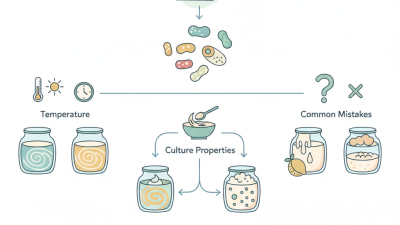
Understanding the characteristics of your fermentation starter is crucial. Some starters require specific temperature ranges to thrive. Mismanaging these conditions can result in off-flavors or stalled fermentation. Observing the fermentation process can provide insights into your starter's effectiveness. Not every batch will be perfect, but each brewing session builds your knowledge and skill.
Different Types of Fermentation Starters Used in Home Brewing
When selecting a fermentation starter for home brewing, understanding the types available is crucial. Each starter offers distinct characteristics, impacting the final flavor and aroma of your brew. Yeast is the most common starter, vital for converting sugar into alcohol. Different strains produce unique profiles; some are fruity, others spicy. The choice of yeast significantly affects your beer's character.
Another option is a sourdough culture. This natural starter introduces wild yeast and bacteria. Sourdough can add complexity to your brew, creating a unique sour profile. However, using wild cultures can lead to unpredictable results. Careful monitoring and adjustments are necessary throughout the fermentation process.
There are also dry yeasts and liquid yeasts to consider. Dry yeasts are convenient and have a long shelf life. Liquid yeasts, on the other hand, often yield more nuanced flavors. Experimenting with different types can be enlightening but may require adjustments in your brewing process. Expect variability; with time, you’ll better understand how each starter shapes your beer. Choose carefully and enjoy the journey of discovery.
Factors Affecting the Choice of Fermentation Starters
Choosing the right Fermentation Starter can be complex. Various factors influence this decision. The type of brew is a major factor. Different styles of beer or fermentation processes require specific characteristics. A fermentation starter for a sour ale may differ significantly from one intended for a lager.
Temperature stability also plays a crucial role. Some fermentation starters thrive in warmer environments, while others prefer cooler conditions. Understanding your brewing environment can help ensure the starter performs as intended. You may also want to consider the fermentation duration. Quick-fermenting starters may produce different flavors than those needing a longer fermentation period.
Experimentation is key. Every brewer has unique preferences, and trial and error can lead to great discoveries. Reflecting on past brews can guide your choices. Sometimes, what works well for others may not fit your brewing style. Be prepared for some unexpected results. This exploration can lead you to the ideal fermentation starter for your next batch.
Evaluating the Quality and Viability of Fermentation Starters
When selecting a fermentation starter for home brewing, evaluating its quality and viability is crucial. High-quality fermentation starters can greatly influence the final product. Look for starters with good cell counts and proper handling procedures. Inspecting the packaging can provide insights into their freshness. If the starter is dry, check for a clear production date to ensure it hasn't passed its prime.
Viability is another key factor. A viable starter has active yeast or bacteria ready to ferment. Perform a small test batch before committing to larger quantities. This trial helps gauge the fermentation's speed and flavor profile. Observing the fermentation's progress can reveal the starter’s efficiency. If fermentation is slow, it may indicate low viability.
Reflection is important in this process. Over time, you may have to adjust your choices based on previous experiences. Factors like temperature, ingredients, and sanitation play a significant role. Keep a brewing journal to document outcomes and adjustments. This practice will help refine your process and improve future brews.
Recommended Fermentation Starter Brands Based on Industry Reviews
When selecting a Fermentation Starter Culture for home brewing, it's essential to consider reputable brands backed by industry reviews. Surveys from brewing communities indicate that many home brewers prefer starters with a proven track record. Reports suggest that around 75% of users find temperature and yeast viability crucial to their fermentation success. Look for brands that prioritize these factors, as poor yeast performance can lead to off-flavors and inconsistent brews.
Additionally, many brewers recommend using
Starter Cultures that offer a diverse strain selection. Data from industry analyses show that blends with various yeast strains can enhance complexity and aroma in the final product. While some brewers find satisfaction in single-strain cultures, others often report missed opportunities for unique flavors. This reflects the importance of experimenting and reflecting on choices. Ultimately, the right fermentation starter culture may vary based on personal preferences, equipment, and brewing conditions.
Engaging with local brewing groups can provide insights into popular options. Many enthusiasts share their experiences, highlighting the successes and failures they've encountered. This wisdom creates a communal knowledge base, allowing newcomers to make more informed decisions. The quest for the best fermentation starter culture is ongoing, and reflection on past brews can lead to more successful experiments.
Common Mistakes When Choosing Fermentation Starters for Beginners
Choosing the right fermentation starter can be challenging for beginners. One common mistake is ignoring the importance of the specific fermentation needs of your brew. Different beverages require different types of yeasts or cultures. For example, beer typically needs a top-fermenting yeast, while wine may thrive better with bottom-fermenting options. Understanding these nuances is crucial.
Another frequent error is failing to check the freshness of the starter culture. A stale or expired culture can lead to weak fermentation. Always inspect the packaging and ensure that you’re purchasing from reputable sources. Quality matters when it comes to fermentation.
When selecting a fermentation starter, consider how temperature affects the fermentation process. Different strains of yeast operate best at specific temperature ranges. If you're brewing in a colder environment, opt for a culture that can handle lower temperatures. This ensures a more robust fermentation process.
Remember that fermentation is an evolving process. Don't feel discouraged if your first batch doesn't turn out perfectly. Learning from each attempt is part of the journey. Each brew teaches something new, refining your skills with Starter Culture And Fermentation. Embrace the learning curve; it's what makes home brewing rewarding.
Impact of Fermentation Starters on Flavor Profiles and Alcohol Content
The choice of fermentation starter can significantly influence the flavor profiles and alcohol content of your homebrew. Different starters introduce unique microorganisms that shape the fermentation process. A reliable Vegetable Fermentation Starter, for instance, can lead to distinct taste nuances. This can result in subtle earthy tones or crisp, refreshing notes, depending on the vegetable base used.
When selecting a fermentation starter, it’s essential to consider the complexity it adds. Each type can yield varying levels of alcohol. Some starters promote vigorous fermentation, producing a higher alcohol content. Others may slow down the process, allowing for a more nuanced flavor development. Experimenting with different starters offers insight into how they affect the brewing outcome.
Reflection on your brewing experience is vital. Sometimes, a choice may not yield the desired results. Perhaps the flavor is too weak, or the alcohol content fell short. Over time, you develop a sense of which Vegetable Fermentation Starter works best for your palate. Documenting each batch allows for growth and improvement in your brewing journey.
Impact of Fermentation Starters on Flavor Profiles and Alcohol Content
The Ultimate Guide to Using Yogurt Starter Culture Yo-ZC912 for Perfect Homemade Yogurt
Making homemade yogurt can be an enjoyable and rewarding experience, especially when using a Yogurt Starter culture like the Yo-ZC912. This particular culture comprises specific microorganisms, primarily lactic acid bacteria, that play a crucial role in transforming milk into delicious yogurt. During fermentation, these beneficial bacteria convert lactose—the sugar found in milk—into lactic acid, resulting in the characteristic tangy flavor and creamy texture we expect from yogurt.
To successfully create yogurt at home, precise temperature control is essential. Maintaining a steady temperature between 42-45°C provides the optimal environment for lactic acid bacteria to thrive and carry out fermentation. The fermentation process typically lasts between 4 to 12 hours, allowing you to customize the thickness and acidity of your yogurt to suit your personal taste. Whether you prefer a milder flavor or a more robust tang, adjusting the fermentation time gives you the freedom to create the perfect batch of homemade yogurt tailored to your liking.
FAQS
: Yeast converts sugar into alcohol. Different strains provide unique flavor profiles.
It introduces wild yeast and bacteria. This can create a unique sour flavor but may lead to unpredictability.
Dry yeasts are convenient and last longer. Liquid yeasts often yield more complex flavors.
Some starters encourage vigorous fermentation, producing higher alcohol content. Others allow for nuanced flavor development.
A choice may not always yield the expected results. Reflection helps improve future brews.
It allows you to track preferences and improvements over time. You'll understand which starters work best for you.
Conclusion
A fermentation starter is a crucial element in the home brewing process, serving as the catalyst for the fermentation of sugars into alcohol and carbonation. It is essential to understand the different types of fermentation starters available, such as yeast, sourdough, and bacteria, as well as the factors that influence their selection, including temperature, desired flavor profile, and brewing style.
Evaluating the quality and viability of fermentation starters is key to ensuring successful brewing, and beginners often make common mistakes that can lead to subpar results. Ultimately, the choice of fermentation starter directly impacts not only the flavor profiles of the finished product but also its alcohol content, making it an important consideration for home brewers aiming for specific tastes and strengths in their creations.