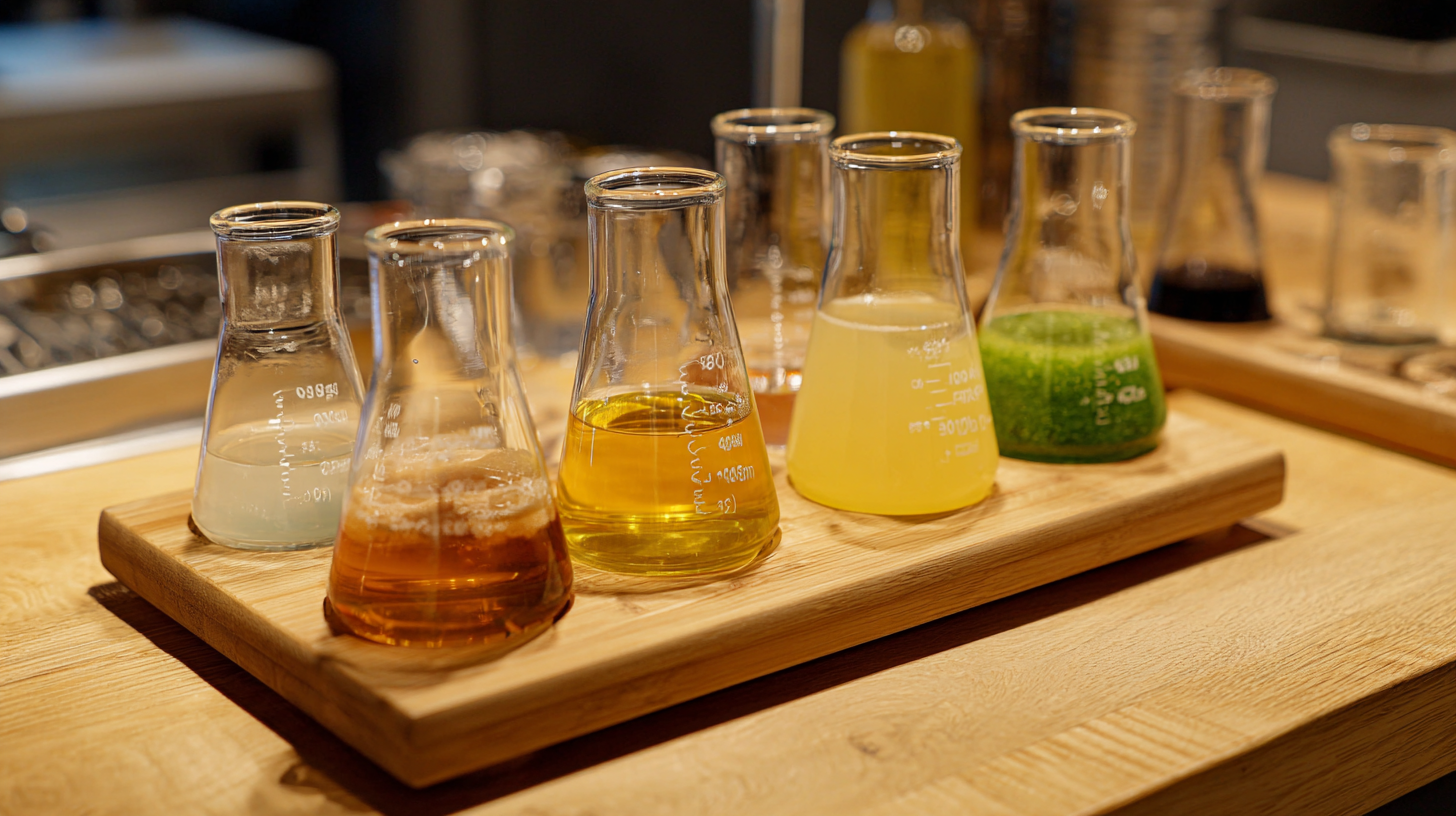
In today's constantly changing world of food production, the importance of Starter Cultures and fermentation really can't be overstated. This smart approach not only boosts flavor and nutrition but also plays a big role in making food safer and last longer on the shelf.
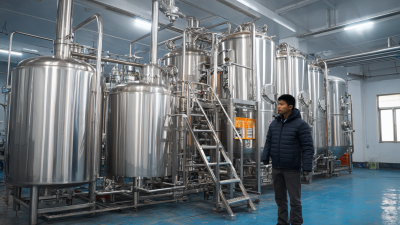
At Zhongchuang Yike (Shanghai) Health Technology Co., Ltd., we’re passionate about offering a wide range of probiotics, Postbiotics, and fermentation agents, all tailored to different industries like food processing, pharma, healthcare, and agriculture.
Our unique starter cultures are designed to streamline fermentation, helping ensure consistent, high-quality products every time.
In this blog, we’re going to dig into different ways to improve fermentation using these special starter cultures—talking about what they do, the perks they bring, and how they’re changing the game in modern food manufacturing. So, join us as we explore how these innovative fermentation techniques can help build a
healthier and more sustainable future.
Innovative Starter Cultures: Transforming Food Fermentation Processes
Hey there! You know, these new innovative starter cultures are really shaking up the food fermentation game. They’re not just about making flavors and textures better—they also pack more health benefits into all sorts of products. The market for these starter cultures is booming, thanks to the growing global craving for fermented foods, dairy goodies, and probiotics. Recent reports suggest that between 2025 and 2035, this market is set to grow even more, mainly because scientists are coming up with new microbial resources that help make our food systems more sustainable. For example, in the cocoa world, new starter cultures are being used to make fermentation faster and improve the overall quality of the chocolate we love.
If you’re into fermentation, a good tip is to pick the right starter culture for whatever food you’re working on. Mixing bacteria and yeast—that's called using a mixed culture—can really help the process along, especially with tricky ingredients like cassava, which doesn’t last long and can spoil pretty easily. This trick not only boosts the nutritional value but also improves the functionality of fermented foods, so the end product turns out way better. Plus, understanding how spontaneous fermentation microbiomes work can help producers build more resilient microbial communities that do their job well.
With more folks paying attention to health, there’s a real comeback of traditional fermentation methods, now boosted by cool new processing techniques. Staying on top of market trends and scientific progress means food makers can jump on these innovations and create products that really connect with what consumers are looking for these days.
Innovative Starter Cultures Impact on Fermentation Efficiency
This bar chart illustrates the impact of various innovative starter cultures on fermentation efficiency compared to traditional cultures. Unique starter cultures demonstrate a significant improvement in efficiency, highlighting their potential in transforming food fermentation processes.
Top 5 Benefits of Using Unique Fermentation Cultures in Food Production
Lately, there's been a real shift in the food industry thanks to the use of unique fermentation cultures. It's pretty exciting because these cultures are actually improving both the taste and the nutritional punch of our favorite foods. 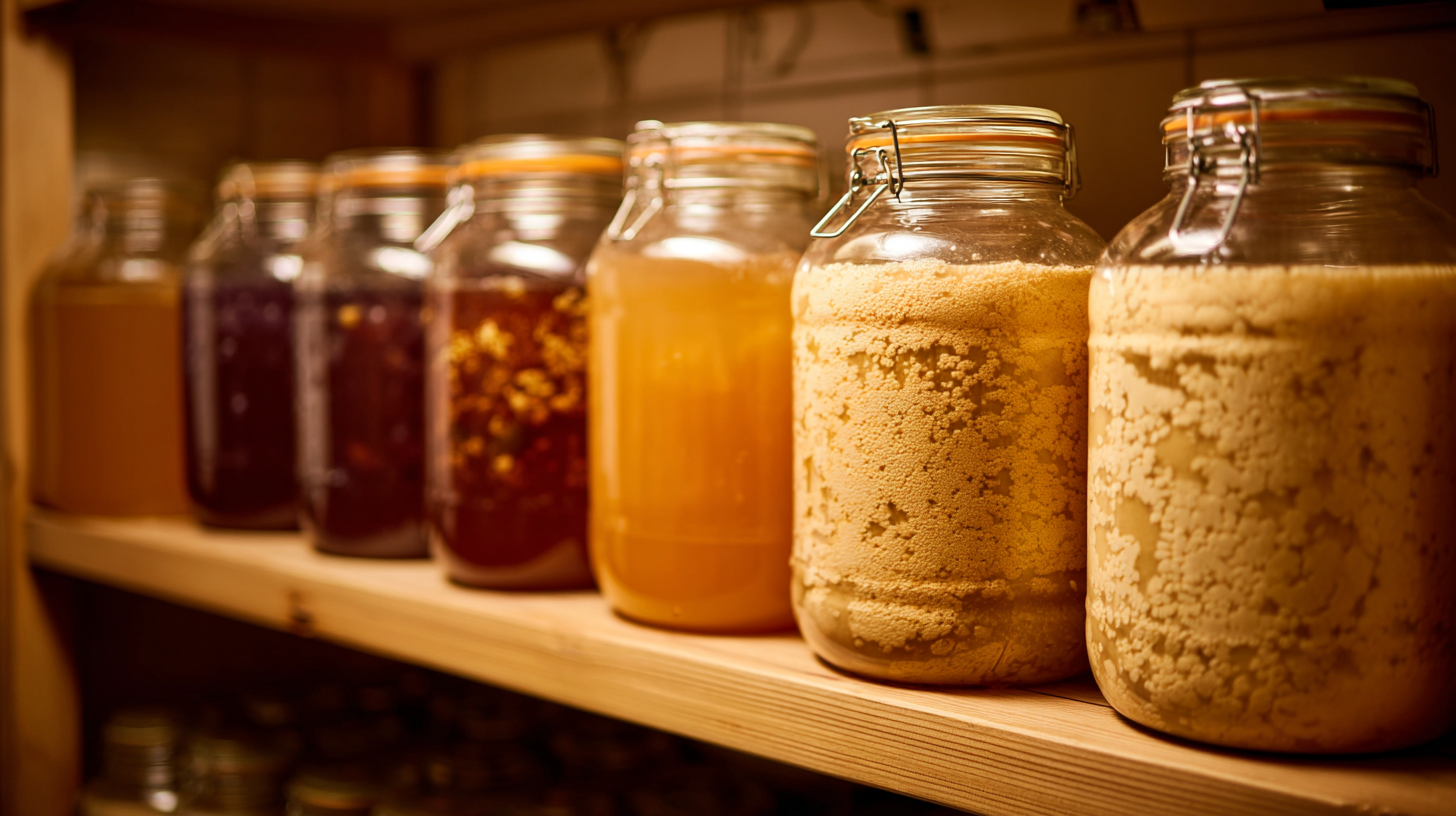 For example, a report from the Food Science Institute suggests that using different starter cultures can boost flavor complexity by up to 30%. That’s a big deal because it helps products stand out in a crowded market and appeals more to what people want. Plus, these innovative cultures aren’t just about flavor—they’re also making our foods healthier. Research from the Journal of Food Science points out that fermented foods can pack more bioactive compounds that are actually good for us. Think probiotics—certain cultures can really help gut health and boost immunity. That’s probably why things like yogurt and kefir are so in demand these days. And it’s not slowing down—global interest in probiotic foods is expected to grow by about 7.2% each year, showing how much people are prioritizing health. On top of all that, these special cultures can help extend the shelf life of products by fighting off spoilage microbes. A study from the International Journal of Food Microbiology found that using them could cut down spoilage by up to half. That means less waste, fresher products for us, and a bonus for producers’ wallets. Overall, it’s a pretty cool development that blends better flavor, health benefits, and sustainability into the foods we love.
3 Key Factors Influencing the Selection of Starter Cultures
Choosing the right starter cultures is a pretty big deal when it comes to food fermentation. It’s not just about kicking off the process; it actually impacts the flavor, safety, and the overall quality of whatever you’re making. One thing that’s often overlooked is how specific microbial strains can be to a particular region — like how traditional Sichuan shai vinegar relies on local microbial communities that are unique to that area. By focusing on these native microbes, you can really boost the fermentation process and honor local culinary traditions at the same time.
Another key point is the technological side of things. The capabilities of these starter cultures, especially their enzyme production and antimicrobial traits, are super important. Take lactic acid bacteria (LAB), for example—they're not just crucial for making yogurt and cheese; they’re also essential for ensuring safety and consistency in these products. And these days, we’ve got some pretty cool new tech, like omics approaches, which help us understand the safety and functional potential of native strains. This way, we can make sure they meet industry standards while also making the final product taste even better.
With the market for starter cultures expected to grow a lot, keeping these factors in mind is gonna be essential. They’ll guide us in selecting the best strains and, ultimately, improve the quality of fermented foods we enjoy every day.
7 Unique Starter Cultures Revolutionizing Traditional Food Products
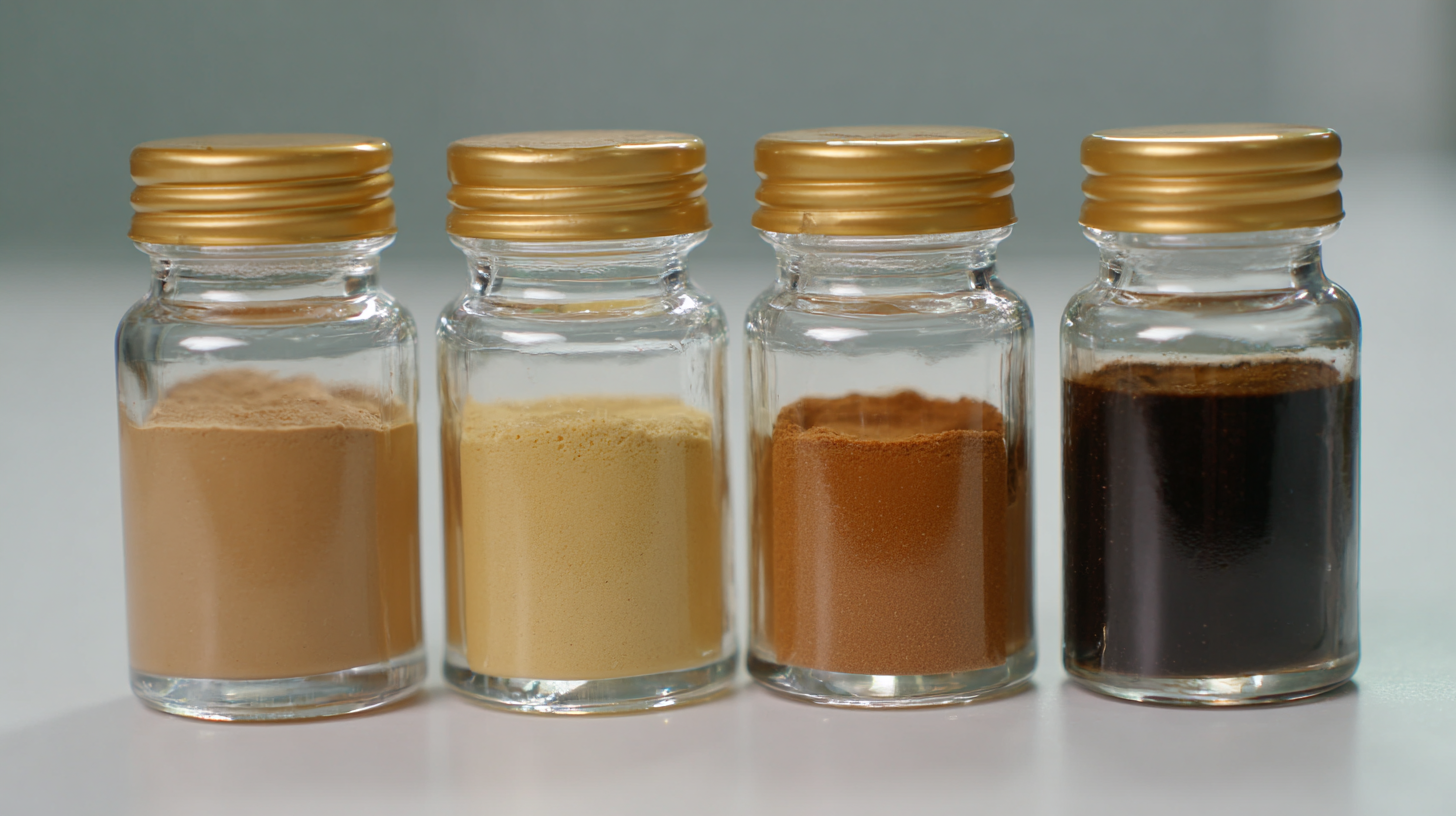
The world of food is really shifting thanks to these new starter cultures that are revolutionizing how we ferment and create. It’s pretty exciting—these innovative cultures aren’t just about jazzing up old recipes; they’re also bringing fresh flavors and added health perks. Take wild yeasts, for example. Lots of bakers are now tapping into the natural yeast around us to make artisan bread that’s got a really unique taste and chewy texture. It’s like each loaf tells a story of where it’s from, with flavors that mirror the local environment and vibe.
And then there’s this whole new wave of plant-based probiotics that’s really catching on. They’re changing the game for dairy alternatives, giving us stuff that tastes and feels just as good, but fits with different diets. Think coconut yogurt with special probiotic strains—super creamy, delicious, and good for you. Plus, drinks like kombucha and water kefir are getting a boost from exotic starter cultures, making them not only healthier but also more interesting and full of flavor. All in all, these starter cultures are doing more than just improving fermentation — they’re really enriching the way we experience and enjoy our food.
4 Case Studies: Success Stories of Enhanced Fermentation Techniques
When it comes to food production these days, using unique starter cultures has really shaken things up in fermentation. It’s led to some pretty amazing improvements in flavor, texture, and health benefits. In this post, I want to share four interesting stories that show how people are successfully making the most of these new fermentation tricks.
First up, there’s a local dairy that started using a special blend of probiotic cultures in their yogurt. This little change not only made the yogurt tastier — with a nice tang — but also boosted its health perks. As you can imagine, this helped sales shoot up and got more folks interested. Then, there’s a small craft brewery that played around with wild yeast strains. The result? A really unique beer with complex flavors and rich aromas. That innovative twist has helped the brewery stand out in a crowded market, catching the eye of both serious connoisseurs and casual drinkers.
We also have a story about a company making fermented veggies, which used some cool new starter cultures to speed up fermentation and improve their product's nutritional value. This allowed them to respond to the growing demand for healthier snacks without sacrificing taste. And last but not least, a bakery that took its sourdough to the next level by using rare regional starter cultures. Not only did this upgrade the crust and crumb, but it also helped create a stronger connection to local heritage for their customers.
All these stories show just how powerful innovative fermentation techniques can be — boosting product quality and helping brands make a real mark in the marketplace.
Solutions for Enhancing Fermentation with Unique Starter Cultures in Food Production - 4 Case Studies: Success Stories of Enhanced Fermentation Techniques
| Case Study | Unique Starter Culture | Fermentation Technique | Key Benefits | Outcome |
| Case Study 1 | Lactic Acid Bacteria | Slow Fermentation | Improved Flavor Profile | Significant Increase in Sales |
| Case Study 2 | Yeast Strain | Fermentation Temperature Control | Consistency in Quality | Improved Production Efficiency |
| Case Study 3 | Probiotic Cultures | Controlled Environment Fermentation | Enhanced Nutritional Profile | Increased Market Demand |
| Case Study 4 | Specialized Mold | Hybrid Fermentation Method | Unique Texture and Aroma | Positive Consumer Feedback |
6 Future Trends in Fermentation Technology and Starter Culture Development
You know, the world of fermentation isn't standing still — it's changing super quickly thanks to new innovations in starter cultures and tech. Everyone’s looking for smarter, more sustainable ways to produce, so some really unique starter cultures are popping up and leading the charge. These aren’t just about making food tastier; they’re also boosting how effective probiotics are in medicines. Honestly, the possibilities for customizing fermentation solutions are pretty much endless. Take companies like Zhongchuang Yike (Shanghai) Health Technology Co., Ltd., for example — they’re doing some cool stuff with high-quality probiotics, postbiotics, and fermentation agents that serve all kinds of industries, from food to healthcare.
Looking ahead, a few trends are really shaping where fermentation is going. For one, there’s a big push for personalized nutrition — people want foods and supplements tailored just for their health needs. Then, smart tech like biosensors are being integrated into fermentation processes, helping ensure the products stay consistent and top-notch. Plus, there’s a real buzz around sustainability — more companies are exploring plant-based options and even waste-derived starter cultures to be kinder to the planet. As all these trends roll out, businesses will keep tweaking and improving what they offer, making sure they stay ahead in the game and meet all sorts of industry demands.
Conclusion
When it comes to food production these days, the way we use starter cultures and fermentation has really shaken up the traditional methods. It’s pretty exciting because it means we can make products that are not only better in quality but also packed with a wider range of flavors. Unique starter cultures do more than just speed up fermentation—they bring a bunch of perks, like improved nutrition, longer shelf life, and the ability to create those really distinctive taste profiles we love. Of course, choosing the right culture depends on stuff like how well it gets along with the food’s ingredients, what kind of final product we're aiming for, and the fermentation environment itself.
As the industry keeps moving forward, exploring new and unique starter cultures is becoming super important. There are some pretty cool success stories out there showing how advanced fermentation techniques can really make a difference in traditional products. Looking ahead, the future of fermentation tech is gonna be driven by ongoing research and fresh innovations—especially in developing starter cultures that cater to the health-conscious consumers today. At Zhongchuang Yike, we’re right in the thick of this movement, offering high-quality probiotics, postbiotics, and fermentation agents to help improve food production and make better products for everyone.