Fermentation Agents, like microorganisms or enzymes, are really crucial in a bunch of industries. Basically, they help turn sugars into things like acids, gases, or alcohol — kind of like the secret behind some of our favorite foods and drinks. For instance, yeast is a classic fermentation agent used in baking bread and brewing beer. Its magic? It gobbles up sugars and releases carbon dioxide, which makes bread rise and bubbles form in your brew. On the other hand, lactic acid bacteria are what give yogurt its tangy flavor and creamy texture.
But, let’s be honest — fermentation isn’t always smooth sailing. Things like temperature, pH levels, and available nutrients can really influence how well these agents work. Sometimes, the results can be a bit unpredictable, which can be frustrating but also a bit of a learning curve. Getting to know how different fermentation agents play with various ingredients is super important if you want consistent, tasty results. It’s all about understanding the process and tweaking things as you go — kind of like cooking, but with a little scientific twist.
Definition and Role of a Fermentation Agent
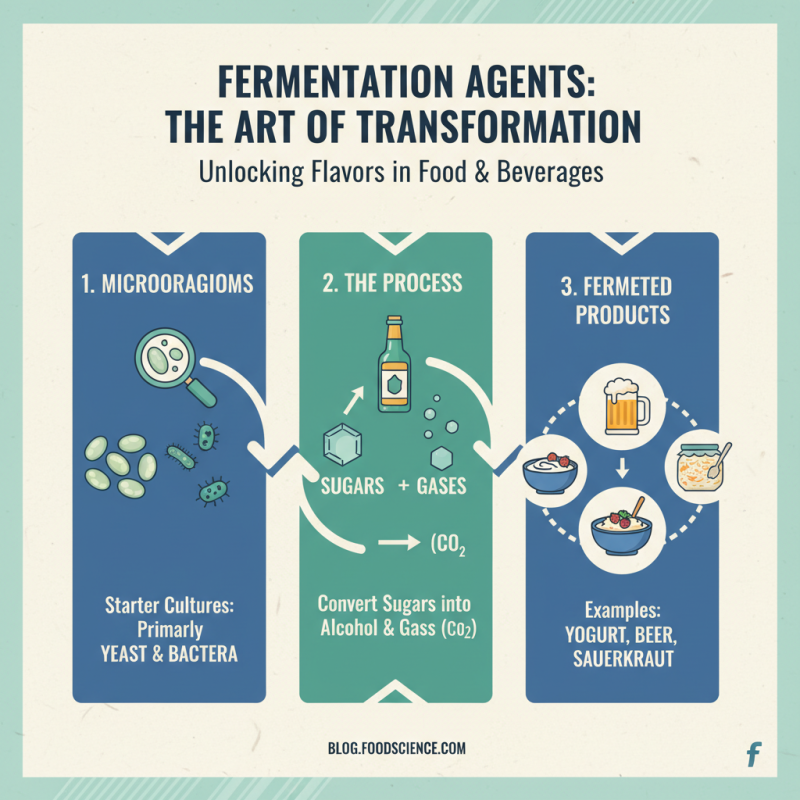
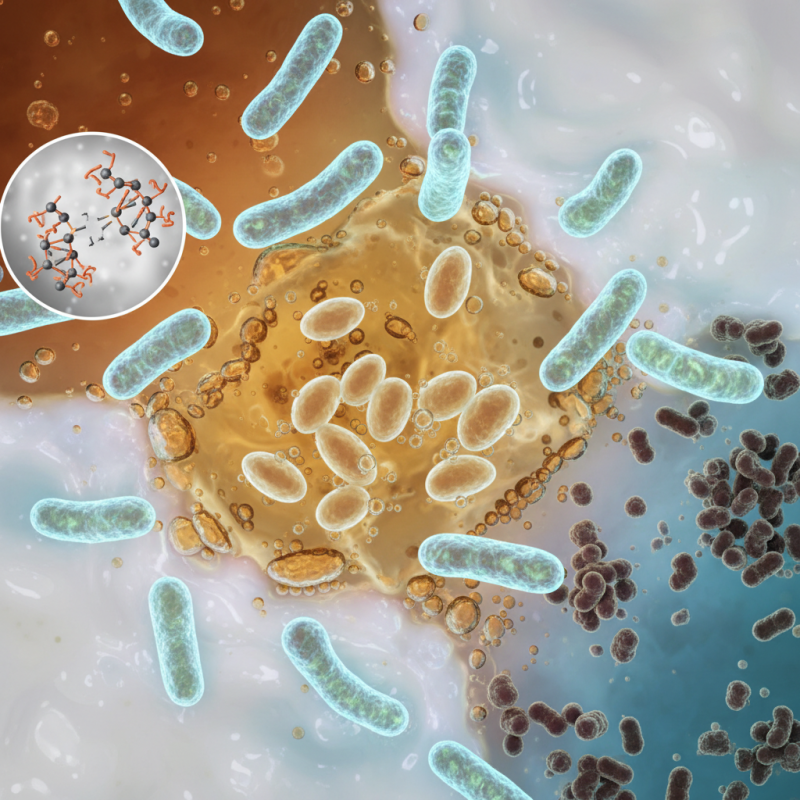
Fermentation agents play a crucial role in various food and beverage industries. A fermentation agent, often referred to as a Starter Culture, is composed of microorganisms, primarily yeast or bacteria. These agents convert sugars into alcohol and gases. This process leads to fermented products like yogurt, beer, and sauerkraut.
In 2021, the global fermentation agents market was valued at approximately $9 billion. The demand for natural and organic products has driven this growth. Microorganisms can enhance flavor profiles and improve nutritional content. They also contribute to preservation and food safety. However, the quality of fermentation agents is vital. Not all strains of yeast or bacteria yield consistent results. Various factors, such as temperature and pH levels, can impact fermentation effectiveness.
The effectiveness of a fermentation agent is not solely dependent on the culture itself. Environmental conditions play a significant role. Inconsistent results can arise when conditions vary. For example, inadequate oxygen levels can hinder yeast performance. Thus, it's crucial for producers to monitor these variables closely. Industry reports suggest that proper control leads to a **20% increase in product quality**. However, achieving this consistency remains a challenge in many production processes.
Types of Fermentation Agents Used in Food Production
Fermentation agents, also known as microbial cultures, play a crucial role in food production. These agents include yeasts, bacteria, and molds. Each type offers unique properties and flavors. Yeasts are often used in baking and brewing. They convert sugars into alcohol and carbon dioxide. This process creates the light and airy texture in bread.
Bacteria, such as LactoBacillus, are essential for dairy products like yogurt. They ferment lactose, producing lactic acid, which thickens the milk and gives it a tangy flavor. Molds, like those used in cheese production, contribute to distinct flavors and textures. They break down fats and proteins, enhancing the overall taste.
Choosing the right fermentation agent can be challenging. Not every agent works well with every ingredient. Some may produce undesirable flavors or textures. Experimentation is key, but not always successful. Every batch can turn out differently. There’s always a learning curve involved in fermentation. Embracing these imperfections can lead to exciting new results.
What is a Fermentation Agent and How Does It Work?
| Fermentation Agent Type | Description | Common Uses | Examples |
| Yeast | Single-celled fungi that convert sugars into alcohol and carbon dioxide. | Baking, brewing, and winemaking | Saccharomyces cerevisiae |
| Lactic Acid Bacteria | Bacteria that ferment carbohydrates into lactic acid. | Dairy production, vegetable fermentation | Lactobacillus, Streptococcus |
| Molds | Filamentous fungi that break down organic materials and produce various flavors. | Fermented foods, cheese, and soy products | Aspergillus oryzae |
| Acetic Acid Bacteria | Bacteria that convert ethanol into acetic acid during fermentation. | Vinegar production, kombucha | Acetobacter, Gluconobacter |
Chemical Processes Involved in Fermentation
Fermentation is a fascinating chemical process that transforms raw ingredients into unique products. At its core, fermentation relies on microorganisms. Yeasts and bacteria convert sugars into alcohol, acids, and gases. These changes enhance flavors and preserve food. In yoghurt production, the Yoghurt Fermentation Agent plays a crucial role. It involves specific bacteria, like Lactobacillus. These microorganisms thrive in dairy environments, creating tangy and creamy textures.
During fermentation, temperatures and time are critical. High heat can kill the bacteria, while low temperatures slow the process. Many recipes emphasize patience. Generally, fermentation can take hours or even days. You'll observe bubbles forming and changes in smell. It's a delightful sensory experience. However, every batch may differ slightly. Factors like the milk's fat content and sugar levels can alter results. This variability can be both exciting and frustrating.
Chemical reactions during fermentation contribute to the final product's taste and aroma. Lactic acid bacteria produce lactic acid, which gives yoghurt its characteristic tang. Furthermore, the breakdown of proteins enhances creaminess. Sometimes, unwanted flavors may emerge if the process isn’t monitored. This unpredictability adds to the art of fermentation. Embracing these imperfections can lead to surprising and delicious outcomes.
Benefits of Using Fermentation Agents in Food
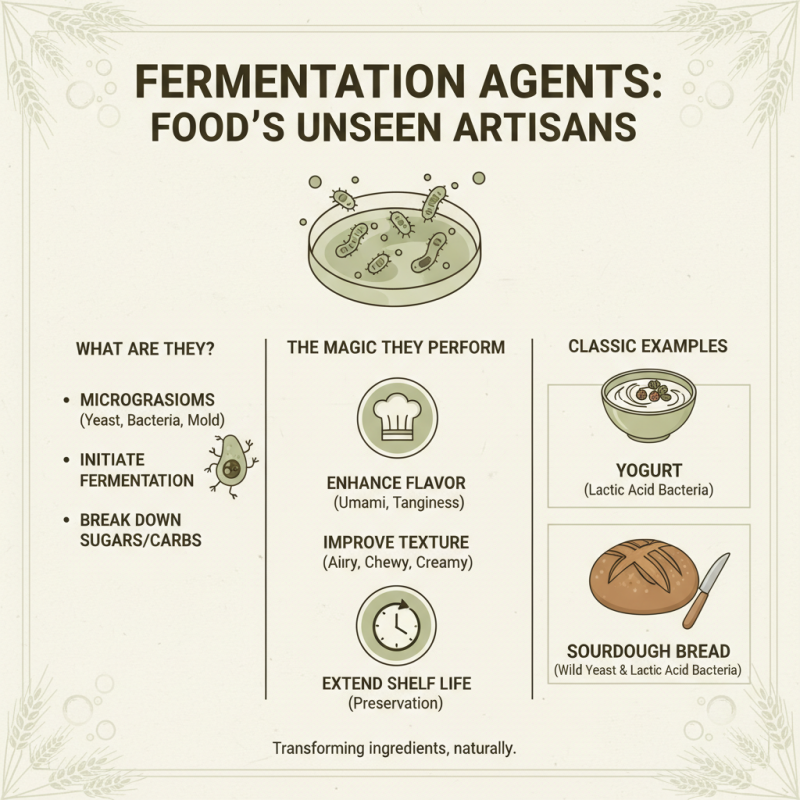
Fermentation agents play a crucial role in food production. They are microorganisms that initiate the fermentation process. This process can enhance the flavor, texture, and shelf life of various foods. Many traditional foods rely on these agents for their unique characteristics. Think of yogurt or sourdough bread; they wouldn’t exist without fermentation agents.
Using fermentation agents offers several benefits. They can improve nutritional value by increasing vitamins and minerals. Fermentation also makes food easier to digest. Additionally, it can create tempting flavors and aromas that elevate a dish. The process may vary, leading to different results. Sometimes, the outcome can be unpredictable, requiring careful monitoring. However, embracing those imperfections can lead to delightful surprises in taste.
Moreover, fermentation agents contribute to food preservation. They can inhibit harmful bacteria from spoiling food. This natural method of preservation promotes sustainability. People are becoming more interested in these methods today. However, achieving consistency in fermentation can be challenging. Each batch might turn out differently, offering a unique experience every time. Embracing these nuances can enrich culinary adventures.
Factors Affecting Fermentation Agent Activity
Fermentation agents play a vital role in various food and beverage processes. Their effectiveness can vary based on several factors. Temperature is one critical aspect. A too high or too low temperature can slow down or inhibit fermentation. Ideal conditions lead to vibrant flavors and aromas.
Another factor is the pH level of the mixture. The acidity can affect the fermentation rate. For instance, a more acidic environment may restrict some fermentation agents while promoting others. Monitoring pH is essential for optimal results. Using proper measurement tools can prevent unexpected outcomes.
Tips: Ensure to keep your workspace clean. Contaminants can affect fermentation. Small changes in your method can yield different results. Experimentation is key. Don’t be afraid to adjust variables like temperature and ingredients. Tweak one aspect at a time for clarity. Remember, fermentation sometimes requires patience. Not every batch will be perfect. Embrace the learning process.
Fermentation Agent Activity in Different Conditions
Applications of Fermentation Agents in Different Industries
Fermentation agents play a vital role in various industries. They help transform raw ingredients into valuable products. In the food industry, fermentation agents are key in making yogurt. They enhance flavor, texture, and nutritional value. The Yoghurt Fermented Agent works by converting lactose into lactic acid. This process thickens the milk and gives yogurt its tangy taste.
The beverage industry also benefits from fermentation agents. They are used in brewing beer and fermenting wines. These agents create unique flavors and aromas that define beverages. Keep in mind, fermentation can be unpredictable. Each batch may vary unexpectedly. This unpredictability can challenge producers but can also lead to delightful surprises.
In the pharmaceutical sector, fermentation agents are essential. They aid in producing antibiotics and vitamins. These agents help in the efficient synthesis of complex compounds. As a tip, always monitor your fermentation conditions closely. Small changes in temperature or pH can result in vastly different outcomes. Experimentation is crucial, but so is caution. Embrace the process, but be prepared for its quirks.
Future Trends in Fermentation Agent Research and Development
The future of fermentation agent research is vibrant and full of potential. With the global fermentation market projected to reach over $500 billion by 2030, innovation is critical. Companies are exploring novel fermentation agents to enhance the production of biofuels, food, and pharmaceuticals. These agents play a crucial role in improving efficiency and output.
Emerging trends focus on sustainability. Research shows that fermentation agents can reduce waste and energy consumption significantly. For instance, using efficient strains, such as Caldwell Fermentation Starter, can lead to a 30% increase in yield. However, challenges remain. Some agents may require precise conditions, and scaling up from lab to industrial levels can be complex.
Researchers also emphasize the need for diversification. There's a push toward using non-traditional sources, like agricultural waste, for fermentation agents. This could open new avenues and reduce costs. Yet, more studies are needed to understand the full impact on quality and safety. Balancing innovation with practicality will be crucial as these trends unfold.
The Benefits and Uses of Lactic Acid Bacteria Fermentation Liquid in Health and Wellness
Lactic acid bacteria (LAB) fermentation liquid has garnered significant attention in health and wellness due to its rich probiotic content and potential health benefits. These beneficial microorganisms are known to maintain gut health by balancing the microbiome, which is essential for proper digestion and nutrient absorption. According to a report by the International Scientific Association for Probiotics and Prebiotics, consuming probiotics can lead to a marked improvement in gastrointestinal health, reducing symptoms of irritable bowel syndrome (IBS) and enhancing overall gut flora diversity.
Moreover, lactic acid bacteria fermentation liquid is recognized for its ability to enhance immune function. Research published in the journal "Frontiers in Immunology" highlights that probiotics can modulate the immune system by enhancing the activity of immune cells, such as macrophages and natural killer cells. This immune boost is particularly beneficial during seasonal changes or times of increased stress, where maintaining a robust immune response is crucial.
In addition to digestive and immune health, studies suggest that LAB fermentation may play a role in mental wellness. The gut-brain axis is a powerful connection between gut health and mood regulation, where probiotics may contribute to reducing anxiety and depression symptoms. A meta-analysis in "Nutrients" emphasizes that regular intake of probiotics can improve mood and overall mental health, showcasing the multifaceted benefits of incorporating lactic acid bacteria fermentation liquid into daily wellness routines.
FAQS
: Regular exercise improves physical health. It boosts mood and energy levels too. Consistency is key for seeing results.
Setting small, achievable goals can help. Find an exercise buddy for support. Reward yourself when you meet goals.
A light snack is usually best. Consider fruits or yogurt. Too much food may cause discomfort during exercise.
Include cardio, strength training, and flexibility exercises. Aim for variety to keep things interesting.
Short, intense workouts can be effective. Even 15-20 minutes can make a difference. Consistency matters more than duration.
Always warm up before workouts. Listen to your body and don’t push too hard. Proper form is essential for safety.
Bodyweight exercises can be very effective. Use everyday items for resistance training. Creativity can replace equipment.
Signs include fatigue, mood swings, and persistent soreness. Rest is crucial. Don’t ignore your body’s signals to avoid burnout.
Yes, some soreness is typical. It indicates your muscles are adapting. However, sharp pain may signal an injury.
Schedule workouts like appointments. Choose activities you enjoy. Even small changes, like walking, can add up.
Conclusion
A fermentation agent is a crucial component in the fermentation process, acting as a catalyst to facilitate the conversion of substrates into desired products, typically through microbial action. Various types of fermentation agents, including yeast, bacteria, and molds, are employed in food production to enhance flavors, improve preservation, and create unique textures. The chemical processes involved in fermentation lead to the development of key metabolites, contributing not only to the taste profiles of foods but also to their nutritional value.
Utilizing fermentation agents provides numerous benefits, such as improved digestibility and enhanced shelf life. The effectiveness of these agents can be influenced by factors such as temperature, pH, and nutrient availability. Their applications extend beyond food, impacting industries like pharmaceuticals and biofuels. As research and development continue to evolve, the future of fermentation agents promises new innovations, potentially leading to more sustainable and efficient production methods across various sectors.