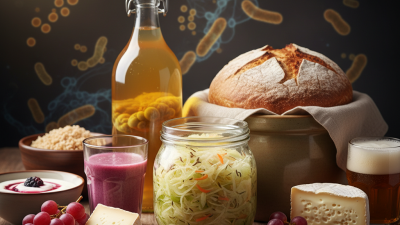
Lately, there's been a real spike in demand for top-quality fermentation products. I mean, if you look at 2025, the global market for Fermentation Starter cultures hit around $2.5 billion, according to this recent report from Grand View Research. More and more people are after natural, probiotic-rich foods—it's a pretty clear shift. Because of that, picking the right fermentation starter culture has never been more important.
Now, big names like Chr. Hansen and DuPont are really causing a splash—they’re leading the way with innovative solutions that boost flavor, nutrition, and even offer health perks. That said, for smaller producers or hobbyists, it can still be pretty tough to find the perfect starter cultures for what they’re trying to make. It’s often overlooked how important understanding the specific needs for each type of fermentation really is.
Also, let’s be honest—there’s quite a bit of variety out there, and choosing the right culture isn’t always straightforward. The culture you pick affects not just the flavor, but also how smoothly the fermentation goes. This can be pretty overwhelming for both newbies and seasoned pros alike. Looking into 2026, exploring all these options will be key—because it really matters for both health benefits and taste.
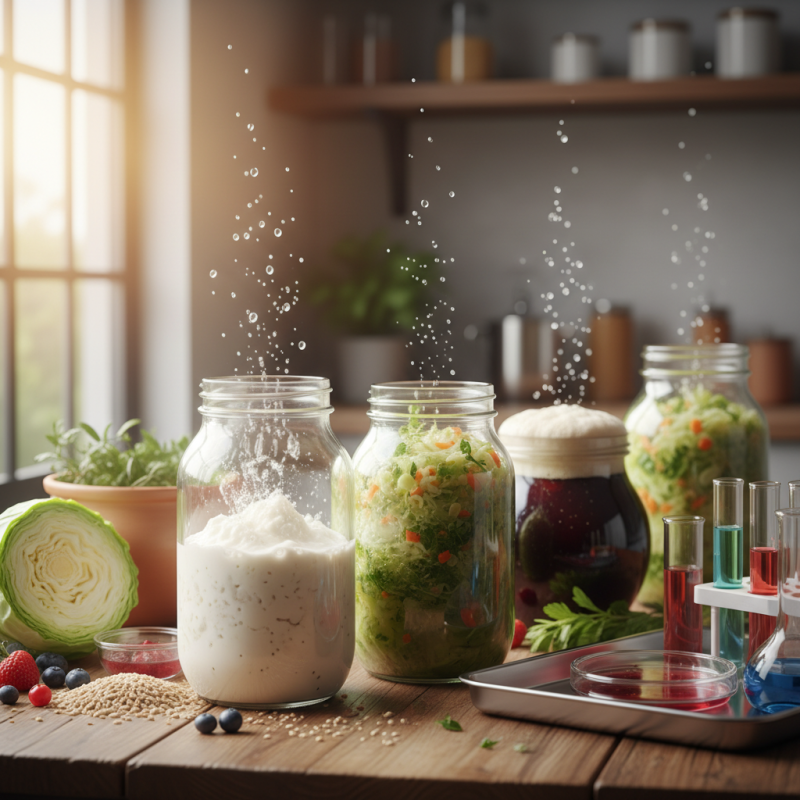
Fermentation starter cultures are vital in food production. They influence flavor, texture, and nutritional value. The choice of starter culture can make or break a product. Often, beginners struggle to select the right one. There are countless options available, yet not all are suitable for every type of food.
The benefits of using a quality Starter Culture And Fermentation process cannot be overstated. For instance, yogurt relies on specific bacteria to achieve its creamy consistency. Conversely, neglecting the right culture can result in undesirable flavors. Many people don’t realize that some homemade products fail due to improper starter selection.
Experimentation is key in finding the ideal starter culture for different applications. Drinkable yogurt, sourdough bread, or even fermented vegetables all require distinct microorganisms. It's essential to observe how each culture impacts the fermentation process. Often, trial and error is necessary. Reflecting on unsuccessful batches can provide insights. Every misstep offers learning opportunities. The world of fermentation is complex yet rewarding.
Choosing the right fermentation starter culture in 2026 requires careful consideration. The ideal starter should enhance both flavor and fermentation speed. Look for cultures that have been proven effective in similar applications. Exploring different strains can yield unique results and insights.
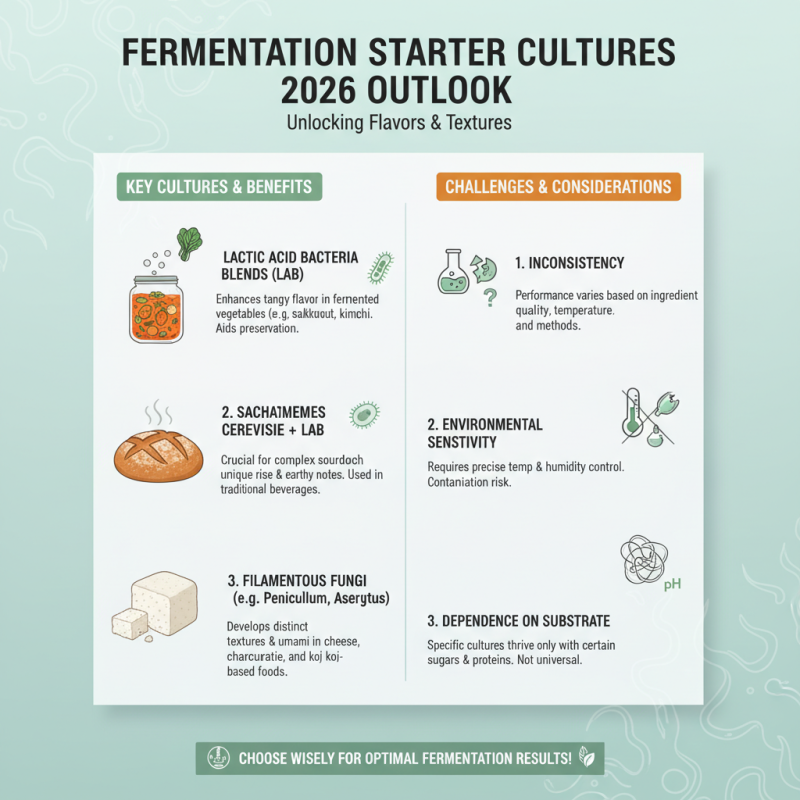
Consider the environment where the fermentation will take place. Temperature, humidity, and even altitude can influence the performance of the culture. It's crucial to test small batches to observe how the culture behaves under local conditions. Some starters may not achieve the desired taste or consistency as expected. Reflect on the nuances of your ingredients as well.
Another aspect to think about is availability. Not all cultures will be easily sourced or accessible throughout the year. Don't shy away from experimenting with homemade cultures, too. This approach allows for customization and personal touch. Small variations can lead to unexpected successes or failures. Embrace the process and learn as you go.
Fermentation starter cultures play a vital role in creating unique flavors and textures in various foods. For 2026, several cultures stand out, but not all are perfect. Some can be inconsistent, depending on the ingredients used. For example, a common choice is a blend of lactic acid bacteria. These bacteria can enhance the tangy flavor in fermented vegetables but may not always deliver the desired results.
Another popular option is yeast-based cultures. They work well for bread and beverages. However, their performance can vary based on fermentation conditions. Using the wrong temperature or pH levels can lead to disappointing results. It's essential to experiment to achieve the right profile.
Many users are exploring wild fermentation. This method relies on naturally occurring microorganisms. While it offers unique flavors, it can be unpredictable. Success depends greatly on local conditions and environmental factors. This unpredictability encourages creativity, but it also requires patience and careful observation to achieve the desired outcome. In this journey, reflection on each attempt is crucial to refine the process.
Traditional fermentation starter cultures have been used for centuries. They often involve natural methods with local ingredients. These cultures carry unique flavors and complexities. They connect us to our roots. However, they can be unpredictable. The environment affects the outcome. You might achieve inconsistent results with various batches.
Modern starter cultures have gained popularity. They offer convenience and reliability. For instance, certain cultures provide consistent textures and flavors every time. Many people find this appealing, especially in a busy world. However, there is a downside. These cultures may lack the depth of traditional ones. The richness of history might be missing.
Tips: Experiment with both types! Try combining traditional and modern cultures for a unique taste. Keep notes on your fermentation journey. This can help you identify what works best. Don't be afraid to fail; learning is part of the process. Remember, using a Caldwell Fermentation Starter can simplify your approach while ensuring reliable results.
Fermentation is an ancient practice that offers numerous health benefits. Utilizing quality starter cultures can enhance the nutritional value of your food. These cultures introduce beneficial bacteria, aiding digestion and boosting the immune system. Many people report feeling more energetic and less bloated after incorporating fermented foods.
Moreover, the diversity of beneficial microbes can create a more balanced gut flora. This balance is vital for overall well-being. Some may struggle with the sour taste or unique textures of fermented foods. It's essential to adjust your palate gradually. Not every culture suits every person, and experimentation is key.
Incorporating fermented foods into your diet can support mental health, too. Research suggests a link between gut health and mood. For some, this connection can be surprisingly profound. Keep in mind, though, that not everyone experiences these benefits the same way. Each person's body reacts differently to various starter cultures. It’s a learning process.
The future of Fermentation Starter cultures looks promising. Technology is evolving, offering exciting new possibilities. From lab-grown starters to innovative microbial blends, options will expand. This evolution may lead to better flavors and health benefits.
Stay updated on the latest trends. Experimentation is key. You might discover a unique flavor profile that suits your palate. Consider using small batches of different fermentation starters. Results can vary significantly. Some cultures may thrive, while others may disappoint. Embrace the journey of trial and error to find your favorite.
Keep in mind the importance of sustainability. New methods focus on eco-friendly practices. Look for fermentation starter cultures that reduce waste and promote biodiversity. Developing your own fermentation starters could be rewarding.
It allows for personal customization and fosters a deeper connection with your food. Engaging in this hands-on experience may help you refine your techniques over time.
Choosing the right fermentation starter culture is crucial for successful vegetable fermentation. Start by identifying your specific needs. Are you looking for a tangy flavor or a probiotic-rich culture? Different cultures yield different tastes and textures. Experimenting with various options can be beneficial.
Pay attention to the ingredients in the starter culture. Some might contain additives or preservatives. These could alter the fermentation process. If you prefer a more natural approach, a culture with minimal ingredients may be the best choice. Look for a Vegetable Fermentation Starter that suits your palate and desired outcomes.
Consider the climate and environment where you'll ferment. Higher temperatures can speed up or slow down fermentation. Think about how that might affect your results. Not every culture works well in every condition. Take notes on your experiences. Reflecting on past attempts will guide future choices. The perfect starter may not always emerge on the first try. Embrace the journey; it's part of the process.
| Culture Type | Best For | Temperature Range (°C) | Fermentation Time (Days) | Flavor Profile |
|---|---|---|---|---|
| Lactic Acid Bacteria | Yogurt, Sauerkraut | 30 - 45 | 1 - 3 | Tangy, Creamy |
| Yeast | Bread, Beer | 20 - 32 | 2 - 7 | Fruity, Yeasty |
| Mold | Cheese, Soy Sauce | 15 - 25 | 7 - 30 | Earthy, Sharp |
| Acetic Acid Bacteria | Vinegar | 20 - 40 | 1 - 2 | Sour, Pungent |
| Mixed Cultures | Fermented Vegetables | 15 - 30 | 3 - 14 | Complex, Varied |
: A balanced diet is key. Include fruits, vegetables, and whole grains daily.
Aim for at least 150 minutes of moderate exercise weekly. Stay active every day.
Yes, stress can lead to various health issues. Managing stress is crucial for well-being.
Thirst, dry mouth, and fatigue indicate dehydration. Drink water regularly to stay hydrated.
Sleep affects physical and mental health. Aim for 7-9 hours of quality sleep each night.
Limit processed foods, high sugar snacks, and excessive sodium. They can harm your health.
Practice mindfulness and stay socially connected. Simple activities can boost your mood.
Proper hydration supports body functions and aids digestion. Drink enough fluids throughout the day.
Not always; a balanced diet often suffices. However, some individuals may need extra nutrients.
Excessive alcohol can cause health risks. Moderation is critical for better health outcomes.
The article "What is the Best Fermentation Starter Culture for 2026?" delves into the crucial role of fermentation starter cultures in food production. It emphasizes how selecting the right fermentation starter culture can significantly impact the quality and flavor of fermented foods. The article outlines the key criteria for choosing the best culture, explores the top fermentation starter cultures predicted for 2026, and presents a comparative analysis of traditional versus modern options.
Additionally, it highlights the health benefits associated with using high-quality starter cultures and examines future trends in fermentation technology. The piece concludes with practical advice on how to evaluate and choose the right fermentation starter culture based on individual needs, ensuring optimal results in fermentation projects.