Lately, gut health has really taken center stage in the wellness world, with more folks looking for practical ways to support their digestion and overall vibes. Among all the supplements out there, Premix Postbiotics have been getting a lot of buzz as a key player in keeping our guts happy. These bioactive goodies come from fermenting probiotics, and they do a lot more than regular probiotics—they actually help keep our gut bacteria balanced and strengthen the gut barrier. That means better digestion, improved nutrient absorption, and a stronger immune system.
As scientists dig deeper into how gut health ties into overall well-being, it’s clear that adding Premix Postbiotics into your daily routine can make a real difference. They’re kind of like the missing link between probiotics and the super benefits they offer, helping create a healthy, thriving gut environment—which is pretty crucial for staying at your best. In the sections ahead, we’ll dive into why Premix Postbiotics are so important for gut health and overall vitality, breaking down how they work, their benefits, and how they fit into a whole-person approach to health.
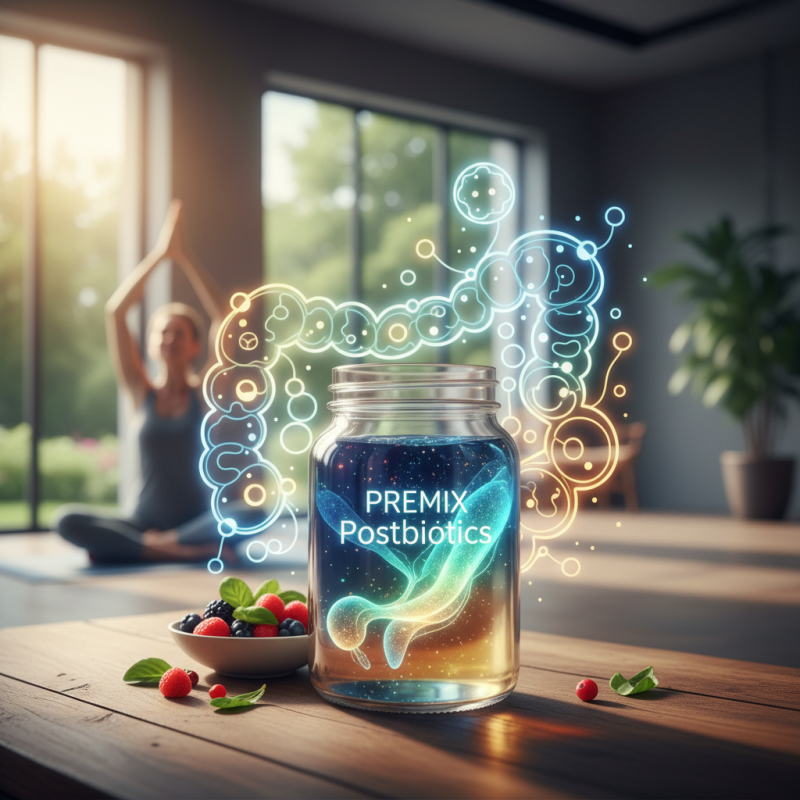
The Role of Postbiotics in Human Gut Microbiome Health
Postbiotics are metabolic byproducts produced by probiotics during fermentation, and they play a crucial role in maintaining human gut microbiome health. Unlike probiotics, which are live bacteria, postbiotics are non-viable and can encompass a variety of compounds such as short-chain fatty acids, peptides, and organic acids. These components help modulate immune functions, enhance the gut barrier, and regulate inflammation, all of which are key factors in ensuring a balanced gut environment. As our understanding of gut health evolves, the focus is increasingly shifting towards the importance of these postbiotic substances in supporting overall wellness.
Tips for incorporating postbiotics into your diet include consuming fermented foods like yogurt, kefir, sauerkraut, and kimchi, which can naturally enhance the levels of beneficial postbiotics in your gut. Additionally, consider exploring Dietary Supplements designed to deliver concentrated postbiotic compounds, which can further support your digestive health. Remember that maintaining a diverse gut microbiome is vital, so aim for a varied diet rich in fruits, vegetables, and whole grains to promote the growth of a healthy microbial community.
Furthermore, staying hydrated and managing stress are essential to optimizing gut health. Drinking plenty of water helps facilitate the movement of food through the digestive tract, while stress management techniques such as mindfulness and meditation can positively influence the gut-brain axis. By understanding the pivotal role of postbiotics, individuals can take intentional steps toward enhancing their gut health and overall well-being.
Understanding Premix Postbiotics: Definitions and Composition
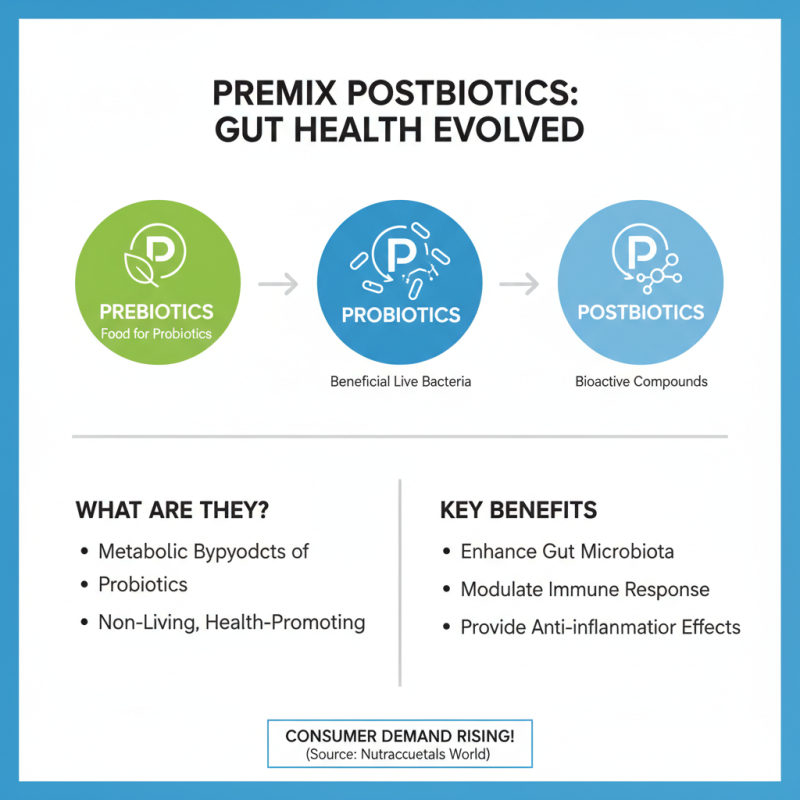
Premix postbiotics are an emerging area of research within the realm of gut health, combining the benefits of probiotics and prebiotics. Unlike probiotics, which are live microorganisms, postbiotics refer to the metabolic byproducts produced by these beneficial bacteria after they have consumed prebiotics. Essentially, they are non-living products that can still confer health benefits, including enhancing the gut microbiota composition, regulating immune responses, and providing anti-inflammatory effects. According to a report from Nutraceuticals World, a significant percentage of consumers are increasingly aware of and desiring products that contain postbiotics, highlighting their growing importance in the health and wellness market.
The composition of premix postbiotics typically includes a variety of bioactive compounds such as short-chain fatty acids (SCFAs), enzymes, and peptides, all derived from the metabolic activities of specific strains of bacteria. Studies indicate that SCFAs, like butyrate, play a crucial role in gut health by serving as an energy source for colon cells and modulating inflammation. Recent findings published in the Journal of Clinical Gastroenterology underline the protective effects of postbiotics in maintaining gut barrier integrity, which is vital for preventing conditions like leaky gut syndrome.
Tips for incorporating premix postbiotics into your diet include choosing fermented foods such as yogurt or sauerkraut, which naturally contain beneficial metabolites. Additionally, consider adding fiber-rich foods like fruits, vegetables, and whole grains to your meals to support the production of postbiotics in the gut. Exploring supplements that highlight postbiotic content can also be a viable option for those seeking targeted gut health benefits.
Clinical Studies on the Efficacy of Postbiotics for Gut Wellness
Clinical studies have increasingly highlighted the significant role of postbiotics in promoting gut wellness. Postbiotics, which are metabolic byproducts produced by probiotics during fermentation, exhibit a range of beneficial properties that can positively influence gut health. Research has shown that these substances can help enhance the gut barrier function, modulate immune responses, and reduce inflammation. Studies indicate that postbiotics may also aid in alleviating gastrointestinal disorders, thereby improving overall digestive health.
Furthermore, clinical trials have demonstrated that postbiotics can positively influence the microbiome composition, leading to a healthier balance of gut flora. Participants in various studies have reported improvements in symptoms associated with conditions such as irritable bowel syndrome (IBS) and other digestive disturbances after incorporating postbiotics into their diets. These findings underscore the importance of postbiotics as a viable option for not only supporting gut health but also improving general wellness, making them a valuable addition to health management strategies for maintaining optimal gut function.
The Mechanisms of Action: How Postbiotics Influence Gut Function
Postbiotics have emerged as critical components in promoting gut health and overall wellness. These bioactive compounds, produced during the fermentation process of probiotics, exert beneficial effects on the host by modulating various gut functions. One of the primary mechanisms of action involves the enhancement of gut barrier integrity. Research indicates that postbiotics can bolster the epithelial cells lining the gut, thereby reducing intestinal permeability and preventing pathogenic bacteria from translocating into the bloodstream. According to a study published in the journal "Gut Microbes", the administration of postbiotics was shown to significantly increase the expression of tight junction proteins, which are crucial for maintaining a robust gut barrier.
Another essential mechanism by which postbiotics influence gut function is through the modulation of gut microbiota composition. They act as signaling molecules that can stimulate the growth of beneficial microbes while inhibiting harmful pathogens. A comprehensive review in "Frontiers in Microbiology" highlighted that the intake of specific postbiotics has been associated with increased populations of beneficial bacteria such as Lactobacillus and Bifidobacterium. Furthermore, postbiotics can engage with immune cells, facilitating an adaptive immune response and promoting anti-inflammatory pathways. This complex interplay enhances digestive health and may contribute to the prevention of gastrointestinal disorders, as reflected in industry reports indicating that disturbances in the gut microbiome can lead to health issues for over 70% of individuals experiencing gastrointestinal discomfort.
Comparative Analysis: Postbiotics vs. Probiotics and Prebiotics
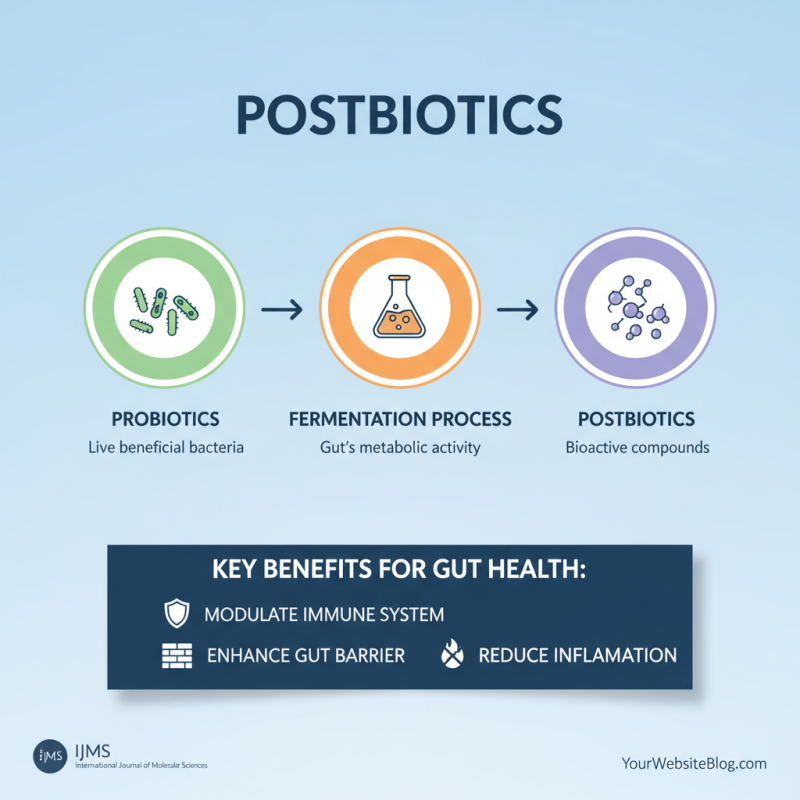
Postbiotics are the metabolic byproducts generated during the fermentation process of probiotics. Unlike prebiotics, which serve as food for beneficial gut bacteria, and probiotics, which are live microorganisms intended to confer health benefits, postbiotics offer a unique mechanism of action. A recent report from the International Journal of Molecular Sciences indicates that postbiotics possess numerous bioactive compounds that can help maintain gut health by modulating the immune system, enhancing gut barrier integrity, and reducing inflammation.
In a comparative analysis of postbiotics, probiotics, and prebiotics, researchers found that while probiotics may improve the diversity of gut microbiota, postbiotics have a more direct impact on gut homeostasis through their anti-inflammatory and antioxidant properties. According to a study published by the American Journal of Clinical Nutrition, postbiotics can effectively alleviate conditions such as irritable bowel syndrome and ulcerative colitis, making them a vital component for those seeking a balanced digestive system. Their ability to convey health benefits without the need for live organisms makes postbiotics a practical choice for individuals with compromised immune systems or those who are unable to tolerate probiotics.
Furthermore, data from the Global Prebiotic and Postbiotic Market Report indicates a significant increase in consumer awareness and demand for postbiotics, forecasting a market growth rate of around 8% annually over the next five years. This upward trend suggests that more individuals are recognizing the importance of postbiotics in promoting gut health, creating opportunities for further research and product development in the field of microbiome science.
Potential Health Benefits of Integrating Postbiotics into Daily Diet
Integrating postbiotics into your daily diet can offer a plethora of health benefits that significantly enhance gut health and overall wellness. Postbiotics are the metabolic byproducts generated during the fermentation process of probiotics, and they play a crucial role in maintaining a balanced gut microbiota. Consuming foods rich in postbiotics can help strengthen the gut barrier, reduce inflammation, and promote the growth of beneficial bacteria, ultimately leading to improved digestive health.
One of the key benefits of postbiotics is their ability to support immune function. A healthy gut is intrinsically linked to a robust immune system, as a significant portion of the body's immune cells resides in the gut. By incorporating postbiotics into your diet, you can help modulate immune responses, providing better defense against infections and potential illnesses. Moreover, postbiotics may help alleviate gastrointestinal issues such as irritable bowel syndrome and diarrhea, making them an invaluable addition to daily nutrition for maintaining a healthy digestive tract.
Future Trends in Postbiotic Research and Consumer Products
As the research surrounding postbiotics expands, future trends indicate a significant shift towards their incorporation in consumer products aimed at promoting gut health. Postbiotics, metabolic byproducts of probiotics, are gaining recognition not only for their benefits in enhancing gut flora but also for their potential in boosting the immune system and overall wellness. This growing acknowledgment encourages a new wave of innovative formulations that combine postbiotics with other health-promoting ingredients, fostering synergistic effects that can lead to more effective health solutions.
Furthermore, consumer awareness and demand for holistic health approaches are driving the development of more accessible postbiotic products. Future trends suggest that we will see a rise in various forms of postbiotic supplements, including encapsulated forms, functional foods, and beverages enriched with postbiotics. Enhanced education around the microbiome and postbiotics will empower consumers to make informed choices, leading to a broader acceptance and integration of these products into daily wellness routines. As researchers continue to explore the vast potential of postbiotics, we can expect continuous innovation that supports improving gut health and overall well-being in the marketplace.
Why Are Premix Postbiotics Essential for Gut Health and Wellness - Future Trends in Postbiotic Research and Consumer Products
| Dimension | Description | Current Trends |
| Gut Microbiome Diversity | Exploring how postbiotics enhance microbial diversity in the gut. | Increased interest in personalized nutrition based on gut diversity. |
| Metabolic Health | Impact of postbiotics on weight management and metabolic syndrome. | Growth in postbiotics for dietary supplements targeting metabolic health. |
| Immune Function | Role of postbiotics in enhancing gut-associated lymphoid tissue. | Rising popularity of immune-boosting postbiotic products. |
| Consumer Awareness | Increasing knowledge about gut health among consumers. | Enhanced marketing focus on gut health in product formulations. |
| Research Developments | Emerging studies on the mechanisms of postbiotics. | Continuous funding for postbiotic-related research initiatives. |
Revolutionizing Gut Health: Insights from Market Reports on Bifidobacterium animalis subsp. lactis and Postbiotics Powder
Revolutionizing Gut Health: Insights from Market Reports on Bifidobacterium animalis subsp. lactis and Postbiotics Powder
Recent market reports indicate a substantial shift towards products emphasizing gut health, with Bifidobacterium animalis subsp. lactis gaining traction as a key player in this sector. This particular strain of beneficial bacteria is noted for its ability to enhance digestive functions and support immune system health. According to industry analyses, the global probiotics market is projected to grow at a CAGR of over 8% through 2027, driven largely by increasing consumer awareness of the gut microbiome's impact on overall well-being. Products featuring Bifidobacterium are being formulated not only for their probiotic properties but also for their synergistic effects when combined with postbiotics.
Postbiotics, the metabolic byproducts of probiotics, are emerging as an essential component in the development of gut health products. These compounds can provide health benefits without the need for live bacteria, appealing to consumers seeking alternatives to traditional probiotics. A recent report highlighted that the postbiotics segment is expected to reach USD 150 million by 2026, driven by the growing interest in products that promote digestive balance and contribute to a healthy microbiome. This trend reflects a broader understanding of how gut health directly influences various aspects of physical health, paving the way for innovative formulations that combine both pre- and postbiotic ingredients for optimal effects.
FAQS
: Postbiotics are the metabolic byproducts generated during the fermentation process of probiotics. They contain bioactive compounds that can help maintain gut health by modulating the immune system and reducing inflammation.
Probiotics are live microorganisms that provide health benefits, while prebiotics serve as food for beneficial gut bacteria. In contrast, postbiotics are not live organisms but rather their byproducts that can directly impact gut health through their anti-inflammatory and antioxidant properties.
Yes, postbiotics can effectively alleviate conditions such as irritable bowel syndrome and ulcerative colitis, making them beneficial for those seeking a balanced digestive system.
Postbiotics are a practical choice for individuals with compromised immune systems or those who cannot tolerate probiotics, as they provide health benefits without the need for live organisms.
Integrating postbiotics into your daily diet can help strengthen the gut barrier, reduce inflammation, promote beneficial bacteria growth, and support immune function, leading to improved overall wellness.
A healthy gut is closely linked to a robust immune system, given that a significant portion of the body’s immune cells resides in the gut. Postbiotics can help modulate immune responses, offering better defense against infections.
Yes, there is a significant increase in consumer awareness and demand for postbiotics, with market growth projected at around 8% annually over the next five years.
Postbiotics may help alleviate gastrointestinal issues such as irritable bowel syndrome and diarrhea, making them a valuable addition to daily nutrition for gut health.
Postbiotics possess anti-inflammatory properties that can help modulate the immune system, reduce inflammation in the gut, and contribute to overall digestive health.
Individuals may choose postbiotics over probiotics if they prefer to avoid live organisms, especially those with weakened immune systems or those experiencing intolerance to probiotics.
Conclusion
Premix Postbiotics play a crucial role in enhancing gut health and overall well-being by supporting the human gut microbiome. These metabolites, derived from probiotics, are not live microorganisms but rather beneficial compounds that can positively impact gut function. Understanding their definitions and composition is vital, as clinical studies have demonstrated their efficacy in promoting gut wellness. The mechanisms through which postbiotics influence gut function involve modulation of inflammatory responses and enhancement of the gut barrier.
A comparative analysis shows that while probiotics and prebiotics contribute to gut health, Premix Postbiotics offer unique advantages due to their stability and ease of incorporation into daily diets. The potential health benefits of integrating postbiotics into nutrition are expansive, paving the way for future trends in postbiotic research and the development of consumer products aimed at improving gut health. As awareness grows, exploring these benefits will be key to advancing personalized nutrition strategies.