You know, the role of Starter Cultures in fermentation isn't something to overlook. They really are the backbone when it comes to turning simple ingredients into tasty, safe foods and drinks. Basically, these cultures — which are made up of specific microbes — kickstart and steer the fermentation process. Without them, it’s much harder to keep things consistent and maintain good quality. Plus, if you think about all the different culinary traditions around the world that rely on fermentation, it’s pretty incredible how much those cultures influence the unique flavors and textures we love.
Getting why starter cultures matter is pretty important, whether you're a producer or just someone who loves their fermented goodies. For the folks making food, picking the right culture can seriously boost the flavor, improve the texture, and even help the product last longer on the shelf. And it’s not just about tastes — these cultures help keep harmful bacteria at bay, making the final products safer to eat. On the flip side, if you’re a consumer, knowing a bit about how fermented foods are made can really deepen your appreciation for all the effort and skill behind your favorite pickles, yogurts, and craft beers.
All in all, starter cultures and fermentation are pretty much hidden heroes in the food world. They’re what turn ordinary ingredients into these rich, flavorful experiences we enjoy every day. In this chat, I’ll take a closer look at why starter cultures are so crucial, highlighting their benefits and how they play a big role in food science and production.
The Role of Starter Culture in Fermentation: An Overview
Starter cultures play a critical role in the fermentation process, serving as the initial inoculants that kickstart microbial activity. These cultures typically consist of carefully selected strains of bacteria, yeast, or molds, which have been cultivated to enhance their fermentation abilities. By introducing these specific microorganisms, producers can ensure the consistency and quality of the final product, whether it be yogurt, cheese, or alcoholic beverages. The starter culture not only contributes to the desired flavor profile but also aids in the preservation of the food by inhibiting the growth of spoilage organisms.
The effectiveness of fermentation largely hinges on the specific characteristics of the starter culture used. Different types of starters can impart unique textures and aromas, resulting in a diverse range of flavors. Furthermore, starter cultures help regulate fermentation conditions, such as pH and temperature, fostering an optimal environment for the desired microbial growth. This controlled setting is crucial, as it minimizes the risk of contamination and ensures a successful fermentation process. Ultimately, the choice of starter culture is integral to achieving consistent, high-quality outcomes in fermented foods and beverages, emphasizing its pivotal role in the art and science of fermentation.
Types of Starter Cultures Used in Food and Beverage Fermentation
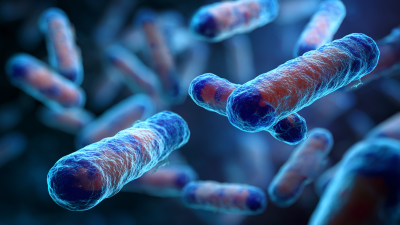
Starter cultures are vital components in the fermentation process of various foods and beverages, contributing to flavor, texture, and preservation. Different types of starter cultures serve distinct purposes, depending on the product being fermented. Lactic acid bacteria (LAB), for instance, are commonly used in the production of yogurt, cheese, and fermented vegetables. These microorganisms not only produce lactic acid, which helps in preserving the food but also imparts a tangy flavor that is characteristic of these products.
In addition to LAB, yeast cultures, such as Saccharomyces cerevisiae, play a crucial role in the fermentation of beverages like beer and wine. These yeast strains convert sugars into alcohol and carbon dioxide, creating the desired alcoholic content and effervescence. Similarly, molds, such as Aspergillus oryzae, are employed in the fermentation of soy sauce and rice wine, contributing unique flavors and aromas through their enzymatic activities. Each type of starter culture offers specific benefits, highlighting the importance of selecting the right one for successful fermentation and the overall quality of the final product.
Mechanisms of Action: How Starter Cultures Promote Fermentation
Starter cultures play a pivotal role in the fermentation process of various foods and beverages, acting as the driving force behind desirable microbial activity. These cultures consist of specific strains of microorganisms, such as bacteria, yeast, or molds, that initiate and sustain fermentation. The mechanisms through which starter cultures promote fermentation include the production of enzymes that break down carbohydrates, the generation of organic acids that lower pH, and the formation of alcohol, all of which contribute to the flavor, texture, and preservation of the final product. By creating an environment conducive to fermentation, starter cultures help ensure consistency and quality across batches.
Tips for selecting the right starter culture include considering the type of food or beverage you are fermenting and the specific flavor profiles you wish to achieve. For instance, if you aim for a tangy flavor in yogurt, choose a culture that predominantly produces lactic acid. It’s also beneficial to maintain optimal temperature and conditions for the chosen starter culture to thrive, as these factors significantly influence fermentation speed and quality.
Another important consideration is the initial microbial load; a vigorous starter culture can outcompete undesirable microorganisms, ensuring a successful fermentation process. Regular monitoring during fermentation can help identify any signs of contamination or unexpected changes, allowing for timely interventions. By understanding these mechanisms and implementing these tips, you can enhance your fermentation processes and create high-quality products.
Importance of Microbial Diversity in Starter Cultures
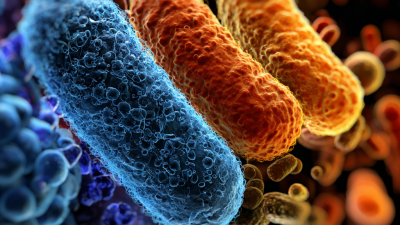
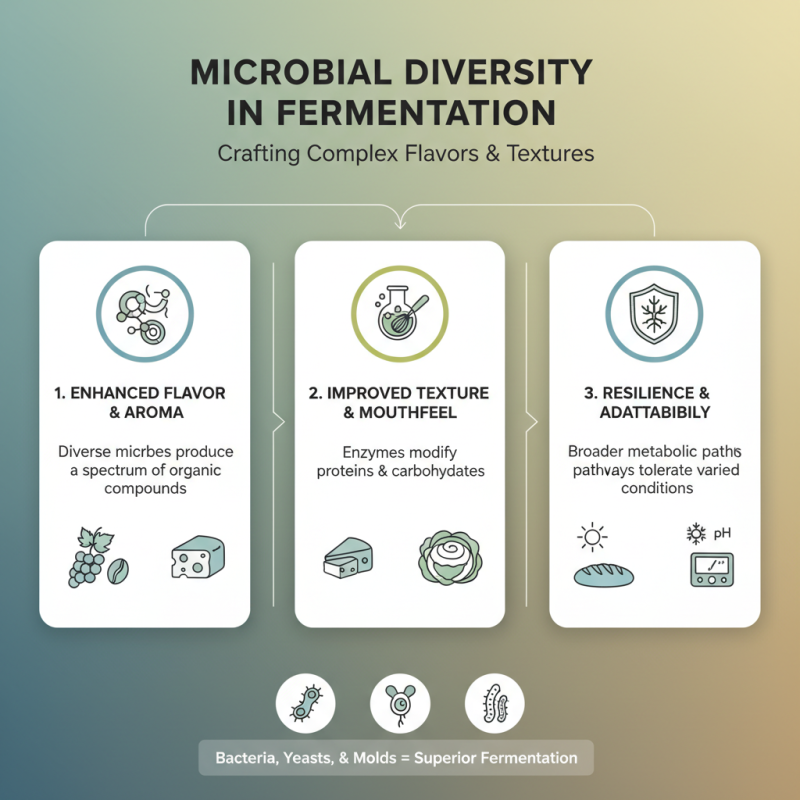
Microbial diversity within starter cultures plays a vital role in the fermentation process of food and beverages. Diverse microbial communities contribute to a range of biochemical reactions that enhance flavor, aroma, and texture, ultimately resulting in complex and unique products. This variety allows for a broader spectrum of metabolic pathways, enabling fermentation under different environmental conditions and improving the resilience of the fermentation process. Therefore, the incorporation of various strains, including bacteria, yeasts, and molds, is crucial for achieving desired fermentation outcomes.
Moreover, microbial diversity helps to establish a balanced ecosystem that can effectively compete against spoilage organisms. This competitive advantage is particularly important in defining the safety and stability of the final products. Different microorganisms can produce antimicrobial compounds that inhibit the growth of undesirable pathogens. Furthermore, the interactions among diverse microbial species can lead to the development of synergistic relationships, enhancing fermentation efficiency and leading to innovative flavors and textures. The emphasis on maintaining microbial diversity in starter cultures not only supports traditional fermentation practices but also allows for the continuous exploration of new, artisan products in a rapidly evolving food landscape.
Factors Influencing the Effectiveness of Starter Cultures
The effectiveness of starter cultures in fermentation is influenced by several key factors. Firstly, the selection of microorganisms plays a crucial role. Different types of bacteria, yeasts, and molds possess unique metabolic pathways that produce specific flavors, aromas, and textures in the final product. Therefore, understanding the characteristics of the chosen microorganisms and how they interact with the fermentation substrate is vital for achieving the desired outcome. For instance, in dairy fermentation, the choice of lactic acid bacteria will directly impact the acidity and flavor profile of yogurt or cheese.
Another significant factor is the environmental conditions during fermentation. Temperature, pH, and oxygen levels can all affect the activity of starter cultures. For example, many microorganisms thrive in specific temperature ranges; too high or too low can inhibit their growth and fermentation efficiency. Additionally, the pH needs to be monitored closely, as drastic changes can lead to undesirable outcomes or spoilage. Lastly, the presence of nutrients in the fermentation medium also supports the growth of starter cultures. Adequate levels of carbohydrates, vitamins, and minerals ensure that the microorganisms can proliferate effectively, leading to successful fermentation and optimal product quality.
Common Challenges in Using Starter Cultures for Fermentation
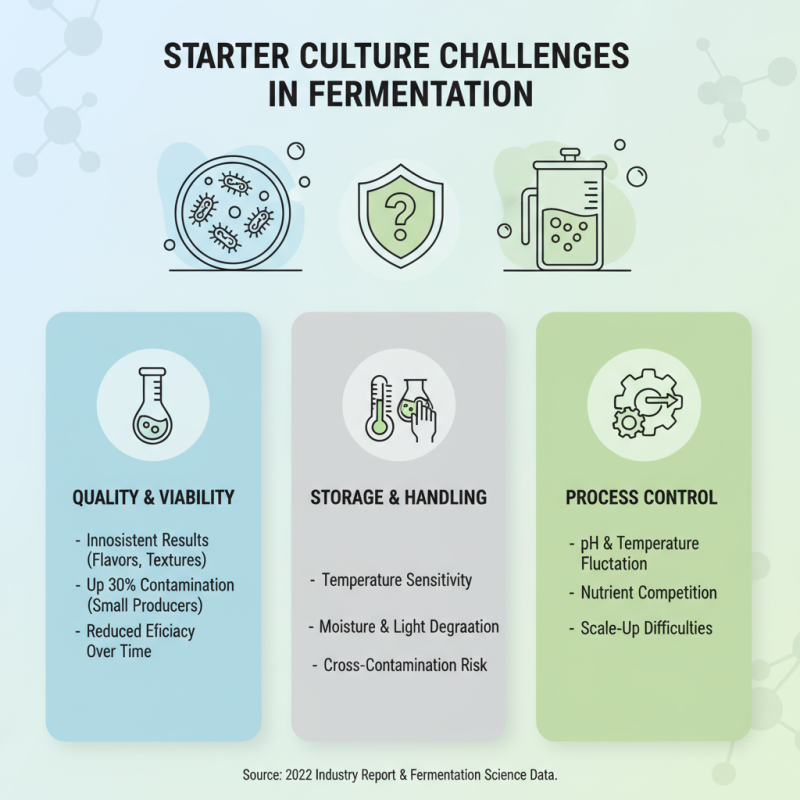
Starter cultures play a pivotal role in the fermentation process for both food and beverages, but their effective use can present several challenges. One significant issue is the variability in the quality and viability of starter cultures. A 2022 industry report highlighted that nearly 30% of small-scale producers faced challenges related to culture contamination, which can lead to inconsistent product flavors and textures. Improper storage or handling of these cultures can also decrease their efficacy, making it crucial for producers to adhere to recommended practices.
Another common challenge is the need for precise temperature and pH control during fermentation. According to a recent survey conducted by the International Journal of Food Microbiology, over 40% of Fermenters reported difficulties maintaining optimal conditions for their starter cultures, resulting in lower fermentation rates and undesirable by-products. Addressing these issues requires careful monitoring and adjustments throughout the fermentation cycle.
Tips: To enhance the success of your fermentation, ensure that your starter cultures are stored properly at recommended temperatures. Regularly check pH levels during the fermentation process to make timely adjustments. Additionally, consider performing small test batches to determine the optimal conditions for your specific starter culture before scaling up production.
Best Practices for Selecting and Using Starter Cultures in Production
The selection and application of starter cultures play a pivotal role in the fermentation process of food and beverages. According to the International Journal of Food Microbiology, the right starter culture can enhance fermentation efficiency, improve flavor profiles, and ensure consistency in product quality. To achieve optimal results, producers should prioritize cultures that are well-suited for the specific fermentation processes they employ. For instance, lactic acid bacteria (LAB) are widely recognized for their role in dairy and vegetable fermentation, with studies indicating that LAB can significantly influence the sensory attributes of products while also contributing to health benefits through probiotic properties.
Best practices for choosing starter cultures involve thorough understanding of the microbial dynamics of fermentation environments. Factors such as temperature, pH, and substrate composition can all affect culture viability and activity. The American Society of Microbiology emphasizes the importance of conducting preliminary trials to identify the most effective strains. Producers are also advised to maintain strict hygiene protocols to prevent contamination, as the presence of unwanted microorganisms can compromise the fermentation process. Regular monitoring of the fermentation environment can assist in early detection of deviations, allowing for timely interventions that can salvage a batch and enhance the overall quality and safety of the finished product.
Importance of Different Starter Cultures for Successful Fermentation
Enhancing Liver Health: The Role of Recovery Supplements and Probiotic Premixes
Enhancing liver health is a crucial aspect of overall wellness, and integrating recovery supplements and probiotic premixes can significantly contribute to this goal. The liver plays a vital role in detoxification, nutrient metabolism, and storage of vitamins and minerals. By supporting liver function, individuals can improve energy levels, digestion, and maintain a balanced metabolic rate.
Recovery supplements often include essential nutrients like vitamins C and E, which have antioxidant properties that help combat oxidative stress in the liver. Additionally, amino acids such as taurine may assist in liver detoxification processes. When combined with probiotic premixes, which promote gut health, the effectiveness of these supplements can be enhanced. A healthy gut microbiome is essential for optimal liver function, as it aids in nutrient absorption and reduces inflammation.
Probiotics help in maintaining a balanced digestive system, which in turn supports liver health. They can help prevent common liver-related issues by promoting beneficial bacteria that inhibit harmful organisms. Together, recovery supplements and probiotic premixes create a synergistic effect that nourishes the liver while fostering a healthier digestive ecosystem. This holistic approach not only aids recovery but also empowers individuals to take proactive steps toward ensuring liver vitality and overall well-being.
FAQS
: A starter culture consists of selected strains of bacteria, yeast, or molds that initiate microbial activity in the fermentation process, ensuring quality and consistency in the final product.
Microbial diversity contributes to a variety of biochemical reactions that enhance the flavor, aroma, and texture of fermented products, while also improving resilience and ensuring a balanced ecosystem against spoilage organisms.
Common challenges include variability in the quality and viability of cultures, culture contamination, and difficulties in maintaining optimal temperature and pH conditions during fermentation.
The specific characteristics of a starter culture contribute to unique flavors, textures, and aromas, leading to a diverse array of fermented products.
Proper storage at recommended temperatures, regular pH checks, and conducting small test batches can help ensure the effectiveness of starter cultures during fermentation.
Starter cultures can produce antimicrobial compounds that prevent the growth of undesirable pathogens, enhancing the safety and stability of the final product.
Precise temperature control is crucial for maintaining optimal fermentation conditions, as fluctuations can lead to lower fermentation rates and undesired by-products.
Yes, incorporating various strains of bacteria, yeasts, and molds can enhance fermentation outcomes by leveraging diverse metabolic pathways and promoting synergistic relationships among microbial species.
Adhering to recommended handling and storage practices, as well as implementing strict hygiene measures during the fermentation process, can help mitigate culture contamination issues.
A diverse microbial community can result in innovative flavors and textures, supporting both traditional fermentation practices and the development of new artisan products in the food industry.
Conclusion
Starter culture plays a pivotal role in the fermentation of food and beverages, acting as a catalyst for the desired biochemical processes. These cultures consist of specific microorganisms, such as bacteria and yeasts, that initiate fermentation, leading to the development of desirable flavors, aromas, and textures. The effectiveness of starter culture and fermentation is influenced by various factors including microbial diversity, environmental conditions, and the specific type of culture used.
Understanding the mechanisms of action of starter cultures helps in optimizing fermentation processes and overcoming common challenges, such as contamination and variability in results. By adopting best practices for selecting and utilizing starter cultures, producers can enhance the quality and consistency of their fermented products, ensuring successful fermentation outcomes across diverse applications.