As nutrition keeps evolving, more and more people are realizing just how important Postbiotic Foods are for staying healthy. Basically, these are foods that have been fermented and contain helpful substances made by probiotics during the process. They’re not just good for your digestion—they also boost your immune system, help maintain a healthy gut microbiome, and even support your mental well-being.
Adding postbiotic foods to your meals can really make a difference in your overall health. There are so many tasty options out there—like certain yogurts, kefir, and fermented veggies—that making them part of your diet is easier than you might think. Including these functional foods can bring a ton of health perks. This article will walk you through the top 10 postbiotic foods you should consider adding. Understanding what makes these foods special and the benefits they bring can help you make smarter choices for your health and happiness. So, why not embrace the power of postbiotic foods and give your eating habits a little upgrade? A healthier future might just be a plate away.
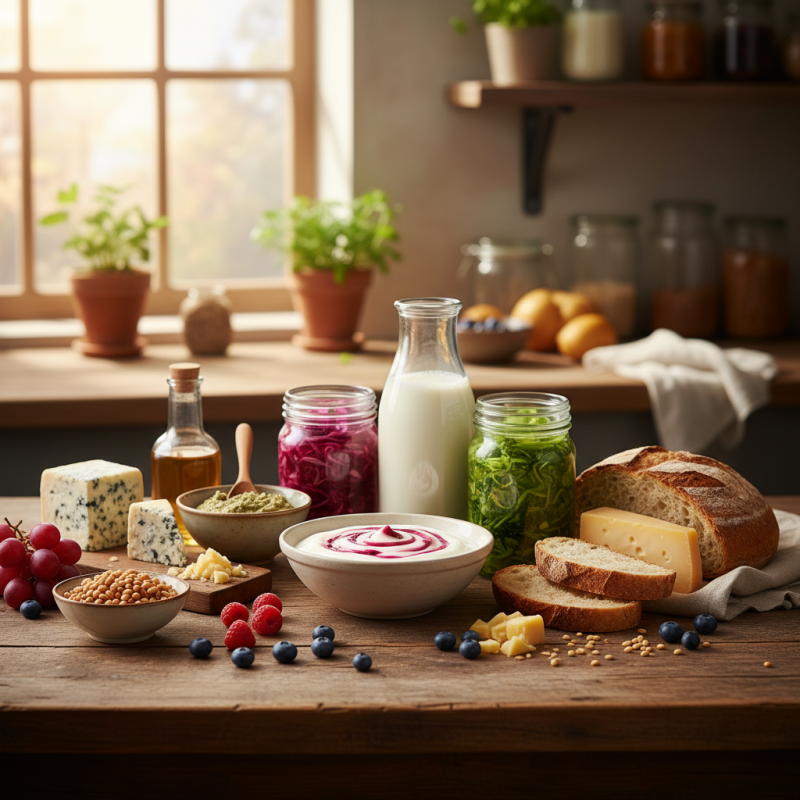
Top 10 Postbiotic Foods for Enhanced Digestive Health
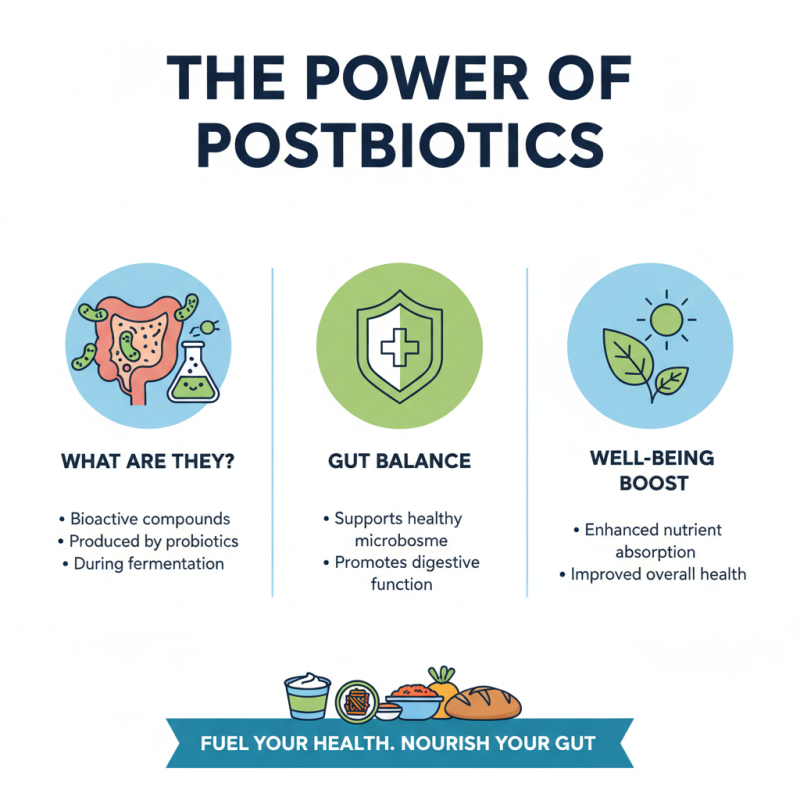
Postbiotics represent the bioactive compounds produced during the fermentation process by probiotics. They play a crucial role in improving digestive health by promoting a balanced gut microbiome. Incorporating postbiotic foods into your diet can enhance your overall well-being, as these foods have been linked to improved gut function and increased nutrient absorption.
Fermented foods are excellent sources of postbiotics, such as kimchi, sauerkraut, and yogurt. These foods not only contain live probiotics but also release postbiotic compounds that help modulate gut health. The fermentation process enriches these foods with beneficial short-chain fatty acids and antioxidants, which can reduce inflammation and support intestinal integrity. Regular consumption of these foods can aid in the prevention of gastrointestinal disorders and enhance overall digestive efficiency.
Additionally, foods like miso, kefir, and tempeh are rich in postbiotics, contributing to enhanced gut flora diversity. Including a variety of these foods in your daily diet can help nourish your gut microbiome, leading to better digestion and improved health outcomes. As these postbiotic-rich foods make their way into your meals, you may notice not only a difference in your digestive health but also an overall increase in vitality and wellness.
Understanding Postbiotics: What They Are and Their Benefits
Postbiotics are bioactive compounds produced by the fermentation process of probiotics, offering significant health benefits without the presence of live microorganisms. These metabolites, including short-chain fatty acids, peptides, and cell wall components, play a crucial role in enhancing gut health and modulating the immune system. According to a report by the International Scientific Association for Probiotics and Prebiotics (ISAPP), postbiotics can influence the gut microbiome positively by reducing inflammation and promoting the growth of beneficial bacteria. Research has shown that postbiotics can improve the gut barrier function, thereby reducing the risk of gastrointestinal disorders and enhancing overall health.
Furthermore, emerging studies highlight the potential of postbiotics in managing metabolic conditions. The World Journal of Gastroenterology indicates that short-chain fatty acids, a type of postbiotic, are associated with improved insulin sensitivity and reduced body fat. This connection underscores the importance of incorporating postbiotic-rich foods into daily diets. Foods such as fermented vegetables, yogurt, and certain grains are natural sources of these beneficial compounds, providing an easy way to harness the health advantages of postbiotics. Integrating these foods can lead to better gut health, improved immune response, and overall enhanced wellbeing.
How to Incorporate Postbiotics into Your Daily Diet
Incorporating postbiotics into your daily diet can vastly improve your gut health and overall well-being. Postbiotics, which are byproducts of probiotics, can enhance the gut microbiome and provide various health benefits. To easily add postbiotic foods into your meals, consider incorporating fermented items like yogurt, kefir, and sauerkraut. These foods not only contain live probiotics but also the beneficial metabolic byproducts that can support your immune system and digestive health.
Tips for incorporating postbiotics into your diet include snacking on fermented foods throughout the day. For example, enjoy a small serving of kimchi or pickles as a crunchy side with your lunch. Adding a scoop of miso paste to soups or dressings can also elevate the nutritional profile and introduce postbiotics seamlessly into your meals.
Another great way to include postbiotics is through beverages. Try a refreshing drink made from kombucha or kvass to help promote gut health. When cooking grains or legumes, consider using fermented versions, as they often contain higher levels of postbiotics. By making these small adjustments to your diet, you can significantly enhance the benefits of postbiotics while enjoying flavorful and nutritious foods.
Top 10 Postbiotic Foods for Better Health
The Role of Fermented Foods in Postbiotic Production
Fermented foods play a crucial role in the production of postbiotics, which are beneficial compounds generated from the fermentation process. These foods contain live microorganisms that not only contribute to gut health but also enhance the overall well-being of the body through cellular signaling and modulation of the immune system. By nourishing the gut microbiota, fermented foods help stimulate the production of various postbiotics, such as short-chain fatty acids, peptides, and vitamins, all of which can promote better health outcomes.
To incorporate more fermented foods into your diet, consider adding items like yogurt, kimchi, sauerkraut, and kefir. These foods are not only flavorful but also packed with nutrients that support gut health. Start by including a small serving of fermented food in your meals each day, and gradually increase the amount as your body adapts.
Tip: Experiment with homemade fermented foods to enjoy fresh flavors and beneficial microorganisms. Making your own fermented items, such as pickles or kombucha, can be a rewarding and simple process. Just ensure you follow proper hygiene practices to encourage healthy fermentation and avoid contamination.
Popular Postbiotic-Rich Foods and Their Health Benefits
Postbiotics are the beneficial substances produced by probiotics during fermentation, and their consumption can greatly enhance overall health. Among the popular postbiotic-rich foods, fermented items like yogurt and kefir stand out, packed with live cultures that contribute to gut health. These foods not only provide a source of protein and calcium but also act as a catalyst for improved digestion and immune function. The postbiotics present in these products can help in reducing inflammation and may play a role in balancing gut microbiota.
In addition to dairy options, plant-based postbiotic foods such as sauerkraut and kimchi are rich in fiber and nutrients. These fermented vegetables are teeming with probiotics and their byproducts, which can aid in maintaining a healthy digestive system. By incorporating these foods into your meals, you may experience enhanced nutrient absorption and a lowered risk of gut-related issues.
Furthermore, miso and tempeh, other notable postbiotic sources, offer not just savory flavors but also support cardiovascular health and better metabolic functioning, making them excellent additions to a balanced diet.
Tips for Choosing Effective Postbiotic Foods at the Store
When shopping for postbiotic foods, it's essential to consider the fermentation process, which plays a crucial role in enhancing the health benefits of these foods. Postbiotics are byproducts of probiotics—the beneficial bacteria that support gut health. Recent research indicates that postbiotics can help improve digestive health, reduce inflammation, and strengthen the immune system. A report by the International Journal of Food Sciences and Nutrition highlighted that foods rich in postbiotics can also contribute to better metabolic health, making them vital for maintaining overall wellness.
To choose effective postbiotic foods, look for those that contain live fermented cultures, such as yogurt, kefir, and sauerkraut. These products not only provide beneficial bacteria but also the postbiotic compounds produced during fermentation, such as short-chain fatty acids and antimicrobial peptides. The Global Postbiotic Market is expected to grow significantly, reaching approximately $1.7 billion by 2028, according to a study by Mordor Intelligence. This indicates a rising awareness of the importance of postbiotics in everyday diets. Additionally, when selecting packaged postbiotic foods, check labels for the presence of specific strains of probiotics, as well as any indications of fermentation time, as longer fermentation typically enhances postbiotic content.
Top 10 Postbiotic Foods You Need to Include in Your Diet for Better Health
| Food Item | Postbiotic Benefits | Nutritional Value per 100g | How to Choose |
| Kefir | Supports gut health and immunity | 61 calories, 3.0 g protein | Look for live cultures in labels |
| Sauerkraut | Rich in digestive enzymes | 27 calories, 1.6 g protein | Choose unpasteurized options |
| Kimchi | Enhances gut flora diversity | 15 calories, 1.0 g protein | Opt for organic, naturally fermented |
| Misos | Aids digestion and boosts immune health | 200 calories, 11 g protein | Select traditionally fermented types |
| Tempeh | Promotes healthy gut microbiome | 192 calories, 20 g protein | Check for organic and non-GMO labels |
| Yogurt | Improves digestive health | 59 calories, 10 g protein | Look for live active cultures |
| Apple Cider Vinegar | Supports weight management | 3 calories, 0 g protein | Select raw, unfiltered versions |
| Pickles | Enhances gut health | 11 calories, 0.5 g protein | Choose those fermented naturally |
| Fermented Soy Products | Boosts nutrient absorption | 100 calories, 8 g protein | Look for traditional fermentation |
| Natto | Improves gut health and soy digestibility | 212 calories, 18 g protein | Select fresh, high-quality types |
Potential Risks and Considerations When Consuming Postbiotics
When incorporating postbiotic foods into your diet, it's essential to be aware of potential risks and considerations that may arise. While postbiotics can offer numerous health benefits, such as improving gut health and enhancing immune function, individual responses can vary. Some people may experience digestive discomfort, especially those with sensitive stomachs or pre-existing gastrointestinal conditions. It is crucial to introduce these foods gradually to monitor how your body reacts, allowing for adjustments as needed.
Moreover, the interactions of postbiotics with other supplements or medications should not be overlooked. In some cases, postbiotics may amplify or diminish the effects of certain drugs, leading to unintended health outcomes. Individuals with specific health conditions or those taking prescription medications should consult healthcare professionals before making significant dietary changes. Understanding the balance of nutrients and the role of postbiotics in the overall diet can help in maximizing potential benefits while minimizing risks.
FAQS
: Postbiotics are bioactive compounds produced by the fermentation process of probiotics. They include metabolites like short-chain fatty acids and peptides that offer health benefits without containing live microorganisms.
Postbiotics play a crucial role in enhancing gut health by improving gut barrier function, reducing inflammation, and promoting the growth of beneficial bacteria, which can help lower the risk of gastrointestinal disorders.
Yes, postbiotics, particularly short-chain fatty acids, have been associated with improved insulin sensitivity and reduced body fat, indicating their potential in managing metabolic conditions.
Foods that are rich in postbiotics include fermented vegetables, yogurt, kefir, kimchi, sauerkraut, and certain grains, all of which can easily be incorporated into your daily diet.
You can incorporate postbiotics by snacking on fermented foods, adding miso paste to soups, or enjoying drinks made from kombucha or kvass. Including small servings of fermented foods in your meals daily is a great way to start.
Yes, making your own fermented foods like pickles or kombucha can offer fresh flavors and beneficial microorganisms, contributing to your gut health while allowing you to control the fermentation process.
Fermented foods contain live microorganisms that not only contribute to gut health but also stimulate the production of postbiotics, which support various health outcomes.
It's best to start by including a small serving of fermented food each day and gradually increase the amount as your body adapts, ensuring you enjoy the flavor and health benefits.
Yes, postbiotics can help modulate the immune system, enhancing the body's immune responses along with promoting gut health.
By integrating postbiotic-rich foods such as yogurt, kefir, and fermented vegetables into your daily meals and snacks, you can significantly enhance gut health and overall well-being.
Conclusion
Postbiotic foods are gaining recognition for their potential health benefits, particularly in enhancing digestive health. These foods are a byproduct of fermented foods, which contain live microorganisms that produce postbiotics—beneficial compounds that support gut health and overall well-being. Understanding the role of postbiotics and their functions can help individuals incorporate these nutrients into their daily diets effectively.
Popular sources of postbiotic-rich foods include fermented items like yogurt, kefir, and sauerkraut, which not only provide essential probiotics but also the postbiotics that aid digestion and boost the immune system. When selecting postbiotic foods at the store, it’s important to choose items that are minimally processed and contain live cultures. However, it's essential to consider potential risks associated with excessive consumption of postbiotics and to consult with health professionals if needed. Embracing postbiotic foods can be a valuable addition to any health-conscious diet.