When it comes to home fermentation, you really can't underestimate the importance of Starter Cultures and the fermentation process itself. I read somewhere—thanks to the Specialty Food Association—that more folks are getting into making their own fermented goodies at home. In fact, between 2020 and 2021, there was about a 20% jump in interest! That kind of growth says a lot about how people are starting to see fermentation not just as a way to keep food longer, but also as a way to boost flavor and nutritional punch.
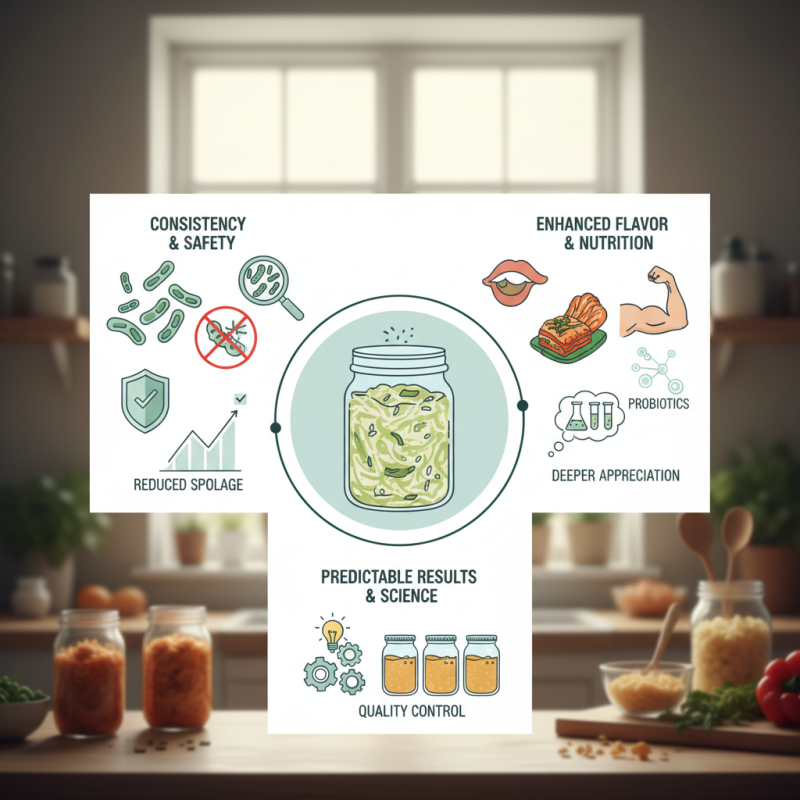
Starter cultures are kind of like the secret weapon here—they help make sure your fermented foods turn out consistently good and safe to eat. According to research from the Journal of Food Science, using the right starter cultures can really cut down the chances of spoilage or nasty bacteria taking over. It's like giving your ferment a little head start, making life a lot easier for home Fermenters. Plus, studies show that choosing the right starter can improve the texture, flavor, and even boost the probiotic goodness of your fermented foods—perfect if you're after health benefits.
As more people jump into DIY fermenting, understanding what starter cultures do becomes super important—whether you're just starting out or you've been at it for a while. Getting it right not only helps ensure things turn out predictable and delicious, but it also gives you a chance to geek out a bit and really appreciate the science behind it all. In the end, it just makes your homemade creations that much more enjoyable and satisfying.
The Role of Starter Culture in Home Fermentation
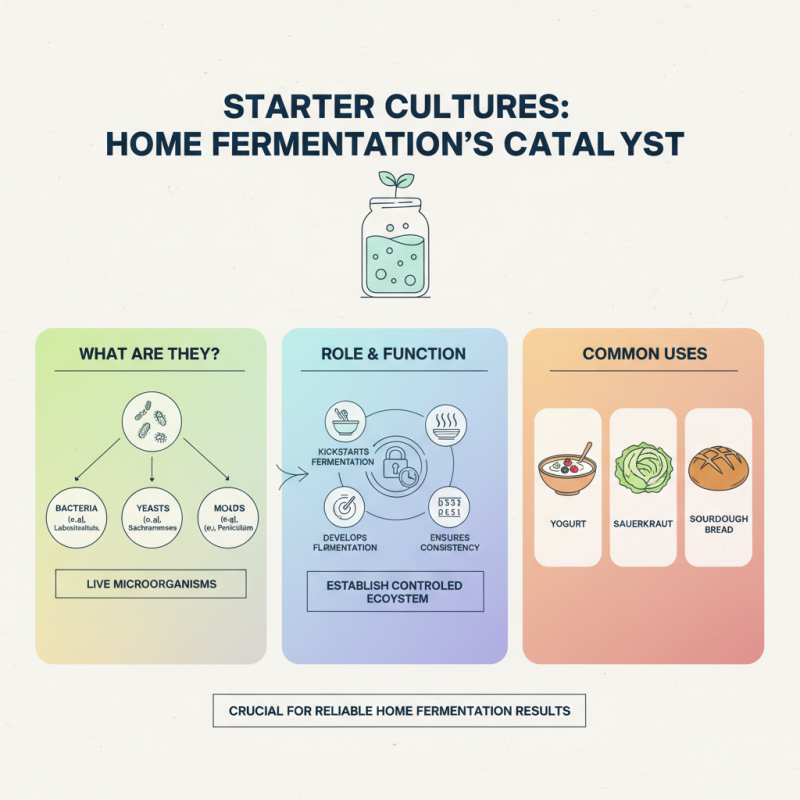
The role of starter culture in home fermentation cannot be overstated. Starter cultures are composed of specific strains of bacteria, yeasts, and molds that kickstart the fermentation process. By introducing these live microorganisms into the fermentation environment, they establish a controlled ecosystem that promotes the development of desired flavors, textures, and aromas. This is crucial for achieving consistent results in fermented products such as yogurt, sauerkraut, or sourdough bread.
Additionally, the starter culture helps to inhibit the growth of undesirable microorganisms that can spoil the fermentation. When beneficial microbes flourish, they create an acidic environment that prevents harmful bacteria from taking hold. This not only enhances the safety of the fermented food but also contributes to its overall health benefits, as many of these cultures are known for their probiotic properties. Therefore, using an appropriate starter culture is essential for both the success and safety of home fermentation practices.
Types of Starter Cultures for Different Fermented Foods
When it comes to home fermentation, selecting the right starter culture is crucial for achieving the desired flavor, texture, and safety of the final product. Different types of fermented foods require specific starters to initiate the fermentation process effectively. For instance, lactic acid bacteria are essential for creating yogurt and sauerkraut. These cultures not only contribute to the characteristic tangy flavor but also promote beneficial probiotic developments, which enhance gut health.
In addition to dairy products and vegetables, other fermented foods such as bread and kombucha each have unique starter requirements. Bread typically requires yeast as its starter culture, which helps the dough rise and develop a light, airy texture. On the other hand, kombucha fermentation is initiated by a symbiotic culture of bacteria and yeast, commonly known as SCOBY. This culture works together to ferment sweetened tea, resulting in a tangy and effervescent beverage rich in Probiotics. Understanding the specific starter cultures needed for various fermented foods can greatly improve the home fermentation experience, leading to successful and delicious outcomes.
How Starter Culture Affects Flavor and Texture in Fermentation
Starter cultures play a crucial role in the fermentation process at home, significantly impacting the flavor and texture of the final product. Microorganisms present in these cultures, such as specific strains of bacteria and yeasts, initiate fermentation by converting sugars into acids, gases, and alcohol. According to the International Journal of Food Science, the use of defined starter cultures can enhance the consistency and quality of fermented foods, ensuring a reliable and enriched taste profile. For instance, lactic acid bacteria are known to contribute to the tangy flavor of yogurt and the characteristic texture of cheeses, evidencing how starter cultures are integral to achieving distinct culinary results.
Moreover, the diversity of microorganisms in starter cultures influences not only taste but also texture in fermented products. The texture of fermented foods varies considerably based on the strains used; for example, certain strains are adept at producing a creamy mouthfeel in dairy products, while others may enhance the crunchiness of pickles. A study published in the Journal of Agricultural and Food Chemistry highlights that controlled fermentation processes utilizing specific starter cultures can increase the production of polysaccharides, which contribute to viscosity and mouthfeel. This emphasizes that the choice of starter culture is fundamental for both flavor complexity and textural integrity in home fermentation projects.
Impact of Starter Cultures on Flavor and Texture in Home Fermentation
The Science Behind Fermentation: Microorganisms in Starter Cultures
The science behind fermentation reveals the intricate role of microorganisms found in starter cultures. These microorganisms, which include bacteria, yeast, and molds, are essential for transforming raw ingredients into flavorful and preservative-rich foods. Starter cultures consist of a specifically selected group of these microorganisms that work symbiotically to initiate the fermentation process. For instance, in the making of yogurt, specific strains of Lactobacillus bacteria convert lactose into lactic acid, which not only thickens the milk but also gives yogurt its tangy flavor and preserves it.
Understanding the microbiological dynamics at play is crucial for successful home fermentation. Each type of fermentation relies on a different set of microorganisms that thrive under particular environmental conditions, such as temperature and pH levels. By utilizing a starter culture, home fermenters can ensure the presence of these beneficial microorganisms from the outset, significantly increasing the likelihood of a successful batch. This controlled introduction minimizes the risk of contamination from undesirable wild microbes, allowing for a more reliable and consistent fermentation process, ultimately leading to a delicious end product.
Steps to Create and Maintain Your Own Starter Culture
Creating and maintaining your own starter culture is a fundamental step for successful fermentation at home. The process begins with selecting the right ingredients. For instance, using organic flour can provide the necessary microorganisms, as it is richer in wild yeast and beneficial bacteria. Combine equal parts of flour and water in a clean container, mixing thoroughly to ensure there are no dry clumps. Cover the container with a breathable cloth to allow airflow while keeping contaminants at bay.
Once your starter is created, the next step is to establish a feeding routine. Consistency is key; feed your starter daily with fresh flour and water to promote a healthy fermentation environment. Monitor the texture and smell; a bubbly or slightly sour aroma indicates a thriving culture. If you plan to store your starter for extended periods, keep it in the refrigerator and feed it weekly.
By giving your starter the right care and attention, you not only enhance the flavors of your home-fermented products but also build a resilient culture that can be utilized repeatedly in various recipes.
Common Mistakes in Home Fermentation Without Starter Culture
In home fermentation, the absence of a starter culture can lead to a series of common mistakes that jeopardize the outcome. One primary error is the reliance on ambient bacteria for fermentation. While wild yeasts and bacteria exist naturally, their unpredictable nature can result in inconsistent flavors and textures. This randomness often leads to failures, such as off-flavors or spoilage, making it hard for beginners to achieve desired results.
Another frequent pitfall is the fermentation of food without the necessary acidity or salt levels. Starter cultures, particularly those like whey or commercial probiotics, introduce beneficial microorganisms that help establish a controlled environment. Without these, harmful pathogens could easily proliferate, resulting in unsafe products. Additionally, inadequate knowledge of fermentation times can cause issues, as each ingredient has its ideal fermentation window. In essence, starter cultures provide a safeguard against these mistakes, ensuring a successful and enjoyable fermentation process at home.
Tips for Using Starter Culture Effectively in Home Brewing
Using starter culture effectively in home brewing can significantly enhance the quality and consistency of your fermented products. One key tip is to ensure that the starter culture you choose is compatible with the type of fermentation you are undertaking. Different cultures, such as yeast for beer or specific bacteria for yogurt, have unique requirements and characteristics that influence the final product. Researching and selecting the right strain for your homemade brew can lead to a more flavorful and authentic result.
Another important aspect is the preparation of the starter culture. It’s best to activate the culture a few days before you plan to use it. This not only helps to increase the cell count but also gives the yeast or bacteria time to acclimatize to their environment. Feed the culture with a small amount of sugar or other nutrients to encourage rapid growth. Monitor its progress and watch for signs of vigorous activity, such as bubbling or foaming, which indicate that your starter is ready for action. By paying attention to these details, you can ensure a successful fermentation process and ultimately enjoy a delicious homemade product.
FAQS
: A common mistake is relying solely on ambient bacteria for fermentation, which can lead to inconsistent flavors and spoilage due to the unpredictable nature of wild yeasts and bacteria.
Proper acidity and salt levels are crucial as they create a controlled environment that prevents harmful pathogens from proliferating, ensuring the safety of the fermented product.
Starter cultures introduce beneficial microorganisms that establish a controlled fermentation environment and prevent common mistakes, leading to more consistent and desirable results.
It is important to choose a starter culture that is compatible with the specific type of fermentation being conducted, as different cultures have unique requirements that affect the final product.
To prepare your starter culture, activate it a few days beforehand and provide a small amount of sugar or nutrients to encourage its growth, ensuring it has a successful start before fermentation.
Signs of vigorous activity, such as bubbling or foaming, indicate that the starter culture is ready for brewing and has been successfully activated.
Each ingredient has its ideal fermentation window, and inadequate knowledge of these times can lead to unsatisfactory results or spoilage in the final product.
Beginners may struggle to achieve desired results without a starter culture due to the unpredictability of wild yeasts and bacteria, which can lead to off-flavors or spoilage.
By researching and selecting the right strain of starter culture that matches your specific fermentation type, you can enhance the flavor and authenticity of your homemade brew.
Conclusion
Starter culture is essential for successful fermentation at home, as it introduces specific strains of microorganisms that promote desirable fermentative processes. Different types of starter cultures cater to various fermented foods, such as yogurt, bread, or pickles, each influencing the final flavor and texture. Understanding the science behind fermentation reveals how these microorganisms work together to transform raw ingredients into delicious products.
Creating and maintaining your own starter culture can enhance your home brewing experience, allowing for unique flavors and improved fermentation efficiency. However, common mistakes, such as neglecting the care of the starter culture, can hinder the fermentation process. By following effective tips for using starter culture in home brewing, one can maximize the potential of fermentation, leading to satisfying and consistent results. In summary, understanding the connection between starter culture and fermentation is crucial for any home enthusiast looking to explore the world of fermented foods.