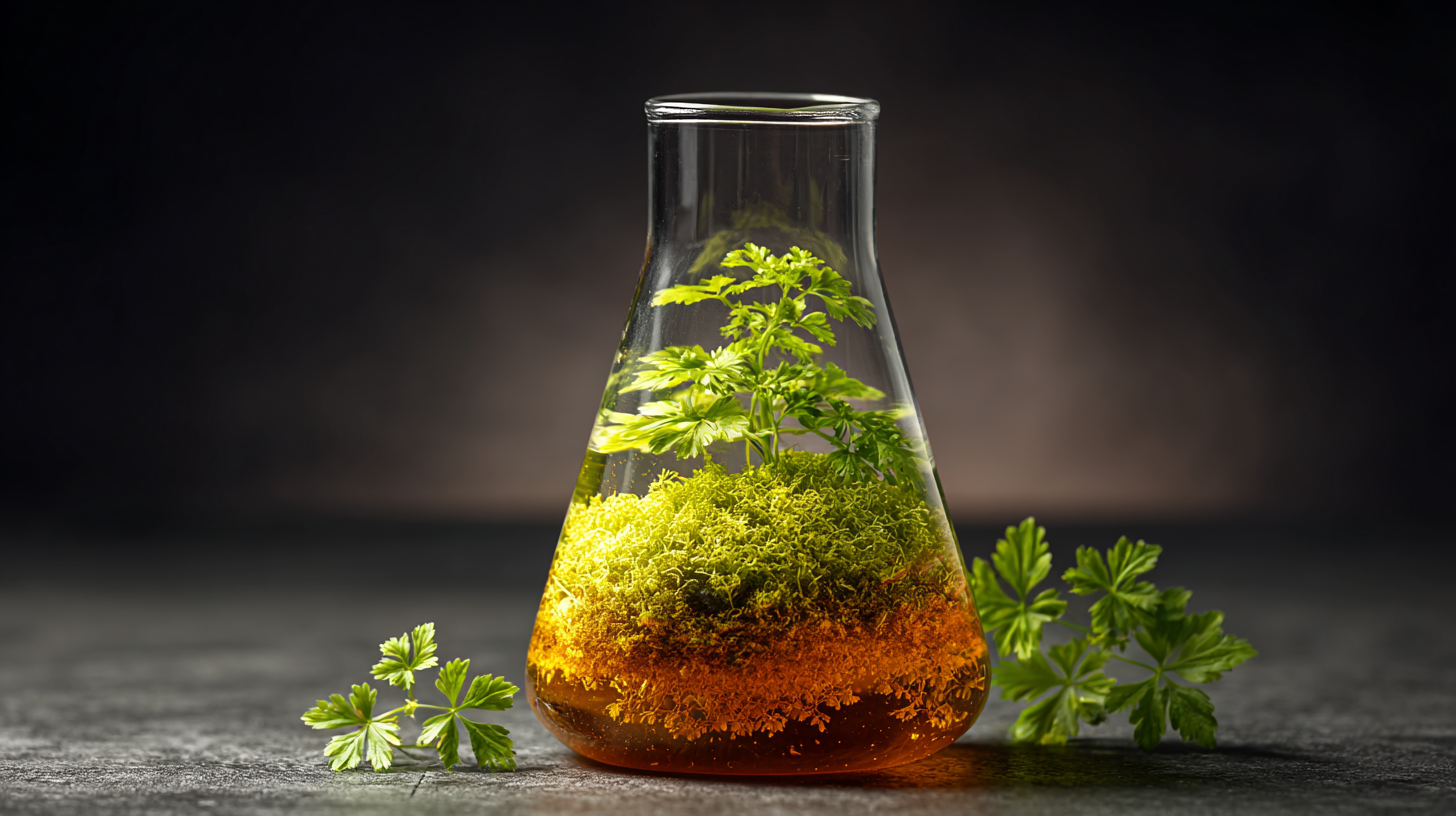
 When it comes to fermentation, using the right Starter Cultures can really make all the difference in gettingtop-quality results. One that’s become quite popular is the L Plantarum Culture Starter— it’s versatile and works well across different applications, especially in food processing and health-related products. Funny enough, industry reports are showing that the global Probiotics market is expected to hit aroundUSD 77 billion by 2025. That’s pretty impressive, and it just highlights how much people are looking for beneficial microbes to boost food safety and nutritional value.
At Zhongchuang Yike (Shanghai) Health Technology Co., Ltd., we’re proud to offer some of the latest probiotics, postbiotics, and fermentation agents. We work with a bunch of industries—pharmaceuticals, healthcare, even livestock breeding—to help them get the most out of these products. By mastering how to make the most of the L Plantarum Culture Starter, manufacturers can really optimize their fermentation processes. That means better products at the end of the day, especially for consumers who are all about health and wellness.
Choosing the Right L Plantarum Culture Starter for Your Fermentation Needs
Picking the right Lactiplantibacillus plantarum starter culture can really make or break your fermentation game. Whether you're working on fermenting drinks, veggies, or dairy, choosing a culture that matches your specific goals is key. It doesn't just boost how efficient the fermentation is but also enhances the flavor and overall feel of what you end up with. Recently, there's been some cool research showing how versatile L. plantarum actually is—like in the new ways people are fermenting cocoa beans or improving the taste and quality of olives using native starter cultures. The trick is understanding the unique traits of different strains so you can really fine-tune the process for better results.
And don't forget—your choice of culture should also depend on what exactly you're fermenting and what flavor profile you’re aiming for. For example, wild lactic acid bacteria from traditional sources like cheese or olives can give your products some really interesting flavor twists and added benefits. As recent studies have pointed out, using tailored starter cultures that match the specific food you're working with can seriously boost the quality and stability of your final product. With fermentation techniques constantly evolving, staying in the loop on the latest developments in starter culture technology can give you a real edge when it comes to making top-notch fermented foods.
Fermentation Efficiency of Different Lactic Acid Bacteria
Preparing Your Ingredients for Optimal L Plantarum Fermentation
Getting your ingredients just right is honestly one of the most important steps if you want to make the most out of your L Plantarum starter culture when fermenting. This kinda bacteria is pretty amazing — it’s known for boosting the flavor, texture, and even the health perks of fermented foods. I read in the *Journal of Food Science* that L Plantarum can really help probiotics survive the journey through your gut, which is why starting with good quality ingredients is so crucial. Fresh veggies like cabbage and cucumbers work perfectly — they provide the sugars and nutrients needed for fermentation, plus they stay nice and crispy, making your final product taste better and feel more satisfying.
Oh, and don’t forget, controlling the environment during fermentation really matters too. According to the *International Journal of Food Microbiology*, keeping your kitchen temperature between about 18 and 24°C (that’s roughly 65-75°F) and your pH around 4.0 helps everything ferment just right. If you keep these conditions in check, not only will the microbes be more active, but they'll also produce helpful compounds like bacteriocins that can fight off nasty pathogens. So, in a nutshell — picking good ingredients, prepping them properly, and keeping an eye on your fermentation environment all add up to making your fermentation a total success with L Plantarum. It’s a bit of a balancing act, but totally worth it!
Step-by-Step Guide to Activating L Plantarum Culture
When you're working on activating L. plantarum starter cultures, having a clear, step-by-step approach really makes all the difference for a successful fermentation. First off, it's super important to pick high-quality starter cultures because, as research shows, the health of those cultures really impacts how well everything ferments. A report from the International Journal of Food Microbiology mentions that if you activate L. plantarum under the right conditions, it can boost the probiotic qualities of your fermented foods.
Once you've got your starter, the next thing to do is rehydrate it properly. The general rule of thumb is to dissolve the culture in sterile water heated to around 37-45°C (just a bit warmer than body temp) and give it about 30 minutes. This step wakes up the bacteria and helps ensure they're active enough when you start fermentation. Studies in the Journal of Dairy Science suggest that keeping that temperature range can help L. plantarum reach up to 90% viability, so you get a strong, healthy fermentation. After rehydration, just mix the culture into your substrate, then let it ferment at controlled temperatures until you get the flavor and texture you're going for.
Basically, taking your time with each step and paying attention to the details really pays off in the end!
Monitoring Fermentation Progress with L Plantarum
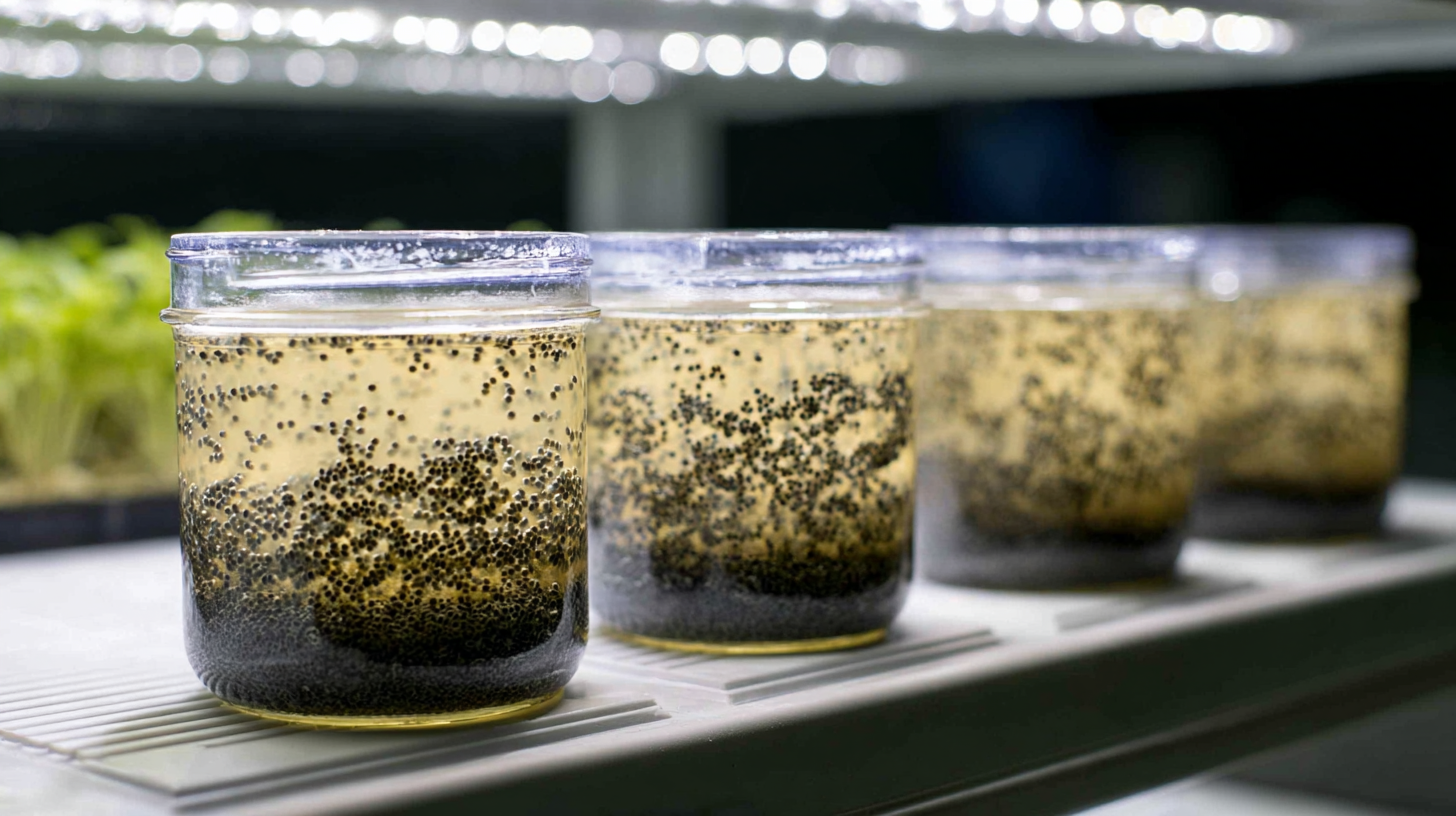
When you're using L. plantarum as your starter culture for fermentation, keeping an eye on how things are progressing is super important if you want that perfect flavor and texture in your finished product. This lively little lactic acid bacteria really loves to thrive in all kinds of environments, which is why folks often pick it for fermenting veggies, dairy, and even drinks. To make sure your fermentation's happening like it should, it's a good idea to regularly check the pH of your mixture. As L. plantarum does its thing, it produces lactic acid that drops the pH, so if you see that happening, it means the fermentation is in full swing.
Besides monitoring pH, it’s equally helpful to observe what's happening visually. Keep an eye out for bubbles, subtle color changes, or the formation of that natural brine — these are classic signs that the microbes are active and doing their thing, munching sugars and developing those awesome flavors. Remember to check in on your ferment every now and then throughout the process. The timing can vary based on things like temperature and ingredients, so trusting your eyes and senses really pays off. Once you start seeing these signs, you'll have a pretty good idea of when to stop fermentation to get it just right — flavorful, vibrant, and tasty. Done right, it’s all about knowing when to step back and let your culture work its magic.
Troubleshooting Common Issues When Using L Plantarum Culture
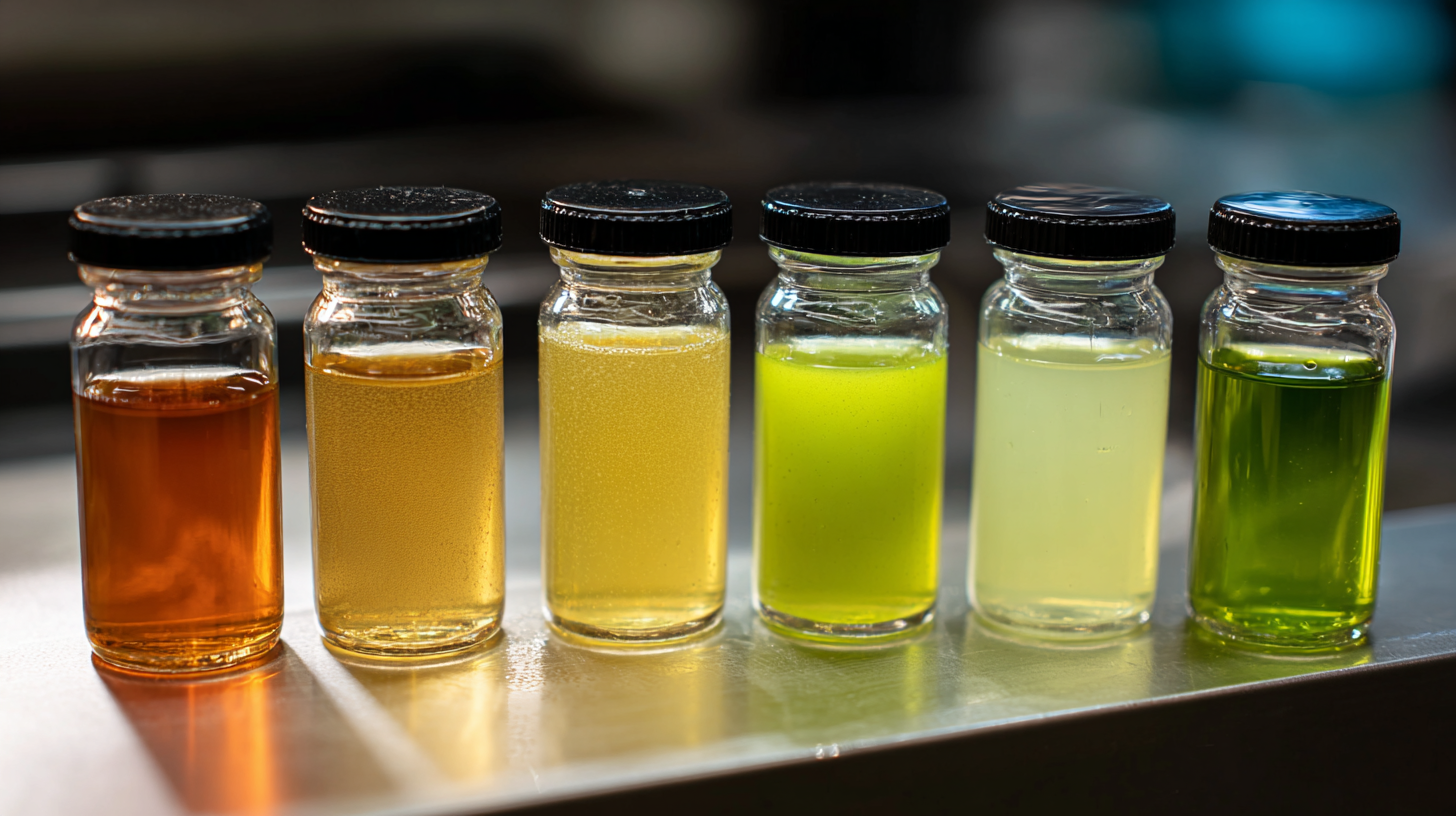
When you're working with L Plantarum as your starter culture for fermentation, there are a few common hiccups you probably want to keep an eye on, and some simple ways to troubleshoot them. For example, one of the most usual issues is how inconsistent the fermentation speed can be, which can end up messing with your batch-to-batch consistency. As noted in the Journal of Dairy Science, L Plantarum tends to do best when kept between 20°C and 30°C—that’s its sweet spot for growing well (Smith et al., 2021). If the temperature strays outside that range, the bacteria might slow down or not work as effectively, which can make your final product taste a bit different than expected.
Another thing to watch out for is off-flavors popping up, often caused by the pH not being right during fermentation. According to research in the International Journal of Food Microbiology, L Plantarum prefers a pH around 5.5. Drop below that, and you might start seeing unwanted compounds, like diacetyl, forming, which can give your product an odd taste (Jones & Baxter, 2020). To keep things on track, it’s a good idea to check the pH regularly and make adjustments when needed. This way, you help create the best environment for your starter culture, which ultimately leads to a better, more consistent final product.
Creative Recipes to Experiment with L Plantarum Fermentation
Lactobacillus plantarum is quite the versatile little bacterium. Not only does it kick up the flavor game in fermented foods, but it also brings some pretty cool health perks to the table. It’s known for being pretty hearty, able to survive in all sorts of environments, which makes it especially awesome in veggie ferments. Think tangy pickles, sauerkraut, or kimchi — L. plantarum adds that unique zing and acts as a probiotic boost at the same time. I remember reading in the International Journal of Food Microbiology that this strain can handle high salt levels and low pH, so it’s perfect for those kinds of fermented veggies. Pretty neat, right?
If you’re the kind of person who loves experimenting in the kitchen, playing around with L. plantarum can lead to some really fun and tasty results. Picture mixing traditional fermentation methods with modern twists — say, whipping up a fermented carrot kimchi with garlic and ginger. I’ve also seen a recent report from the Probiotic Food Industry suggesting that more and more people are into gut health these days, which means vegetable ferments are becoming super popular. The cool part? Recipes with L. plantarum aren’t just tasty; they’re actually good for you, too.
And hey, don’t forget about dairy — adding L. plantarum to yogurt or kefir can bump up their texture and probiotic content, making them even more enjoyable and healthy. All in all, it’s a pretty awesome probiotic to play with if you’re into making your own healthy eats!
How to Successfully Utilize L Plantarum Culture Starter for Optimal Fermentation - Creative Recipes to Experiment with L Plantarum Fermentation
| Recipe Name | Main Ingredients | Preparation Time | Fermentation Time | End Result |
| Lacto-Fermented Vegetables | Carrots, cabbage, garlic, salt | 20 minutes | 5-7 days | Crunchy, tangy pickles |
| Probiotic Smoothie | Banana, yogurt, L plantarum starter, honey | 10 minutes | 12 hours (for fermentation) | Creamy, probiotic-rich drink |
| Fermented Salsa | Tomatoes, onions, peppers, L plantarum starter, lime juice | 15 minutes | 3-5 days | Spicy, tangy salsa |
| L Plantarum Bread | Whole wheat flour, water, salt, L plantarum starter | 30 minutes | 24 hours | Nutty, flavorful bread |
| Kefir Soda | Sugar, water, L plantarum starter, fruit | 10 minutes | 2-3 days | Fizzy, refreshing beverage |
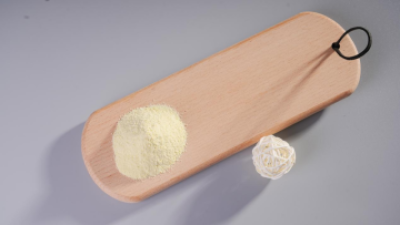
Unlocking Gut Health: The Benefits of Lactiplantibacillus plantarum F3-2 Probiotics Powder for Everyday Wellness
Unlocking Gut Health: The Benefits of Lactiplantibacillus plantarum F3-2 Probiotics Powder for Everyday Wellness
In today’s fast-paced world, maintaining gut health has become increasingly important for our overall well-being. Lactiplantibacillus plantarum F3-2 Probiotics Powder emerges as a powerful ally in this endeavor. This unique strain of probiotic offers a host of benefits that can significantly enhance digestive health, boost the immune system, and promote a balanced microbiome. By incorporating this probiotics powder into your daily routine, you're not just supporting your gut; you're investing in your entire health.
One standout feature of Lactiplantibacillus plantarum F3-2 is its ability to adapt to various environments within the gut, ensuring that beneficial bacteria thrive while harmful ones are kept at bay. This adaptability can lead to improved digestion, reducing bloating and discomfort after meals. Moreover, it's known to enhance nutrient absorption, which maximizes the benefits of the food you consume. Regular consumption can also contribute to a healthier immune response, making it an excellent addition to your wellness regimen, particularly during cold and flu seasons.
What sets this probiotics powder apart is its convenience. It can be easily mixed into smoothies, yogurt, or even taken on its own, making it simple to integrate into your daily routine. With such an array of health benefits and effortless usability, Lactiplantibacillus plantarum F3-2 Probiotics Powder is a remarkable choice for anyone looking to unlock the potential of their gut health and enhance their overall wellness.
FAQS
: The first step is selecting high-quality starter cultures, as their viability significantly impacts the fermentation process.
It is recommended to dissolve the culture in sterile water at a temperature between 37-45°C for about 30 minutes to revive the bacteria.
L. plantarum typically requires a fermentation temperature between 20°C to 30°C for optimal growth.
Improper pH levels can lead to the development of off-flavors and undesirable compounds like diacetyl when the pH drops below 5.5.
To address batch variability, it’s important to monitor fermentation rates and ensure that the temperature remains within the optimal range.
L. plantarum is particularly effective in vegetable fermentation, making it ideal for producing fermented pickles, sauerkraut, and kimchi.
Yes, using L. plantarum in dairy products like yogurt or kefir can enhance texture and probiotic levels.
L. plantarum not only enhances flavor but also contributes to the health benefits of fermented foods, making them more nutritious.
The growing consumer interest in gut health is increasing the demand for vegetable ferments that incorporate beneficial cultures like L. plantarum.
Creative recipes include fermented carrot kimchi infused with ginger and garlic, blending traditional techniques with modern flavors.
Conclusion
Hey there! In this blog, I’m excited to walk you through the key steps to get the most out of using L Plantarum Culture Starter for perfect fermentation. We’ll start by talking about how to pick the right culture based on what you’re aiming to do — it’s all about laying a solid foundation for great results. Making sure your ingredients are up to par is super important, since the quality and combination will really influence how things turn out during fermentation.
I’ll guide you through a simple, step-by-step process to activate your L Plantarum Culture, and then share some handy tips on keeping an eye on how your fermentation is progressing — so you know everything’s going smoothly. Oh, and I’ve also included some common troubleshooting tips in case anything unexpected pops up.
Finally, don’t be shy about experimenting! Try out some creative recipes that highlight the unique qualities of L Plantarum fermentation. It’s a really versatile probiotic that can add something special to your cooking adventures. Here at Zhongchuang Yike (Shanghai) Health Technology Co., Ltd., we’re all about providing top-quality probiotics and fermentation starters like L Plantarum Culture Starter to help you in all kinds of industries. Happy fermenting!