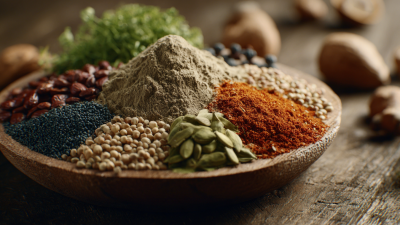
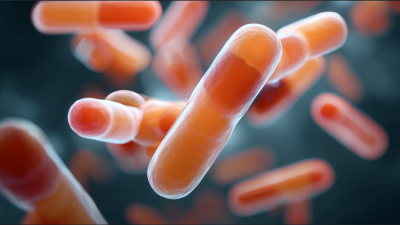
As we get closer to 2026, you can't help but notice how everyone’s talking more and more about Postbiotic Food. Basically, these are foods packed with stuff that’s made during fermentation—things that can actually boost your health. Companies like GutHealth Innovations are jumping on the bandwagon, offering a bunch of products that play into this trend. The science behind Postbiotics is pretty promising, especially when it comes to supporting your digestion and immune system.
People who've started eating more postbiotics often say they’ve experienced better digestion and less inflammation. It’s like giving your gut a little extra love. But, heads up—not all these products are equally good. The market’s pretty flooded now, so it pays to be a little picky.
Of course, even with all these benefits, there are still some questions about what long-term use might do. As more folks become interested, ongoing research is really going to be key. The best thing for anyone thinking about jumping in? Stay curious, do your homework, and weigh your options. A little mix of excitement and caution could really make a difference when it comes to your health.
Understanding Postbiotic Foods: A Brief Overview
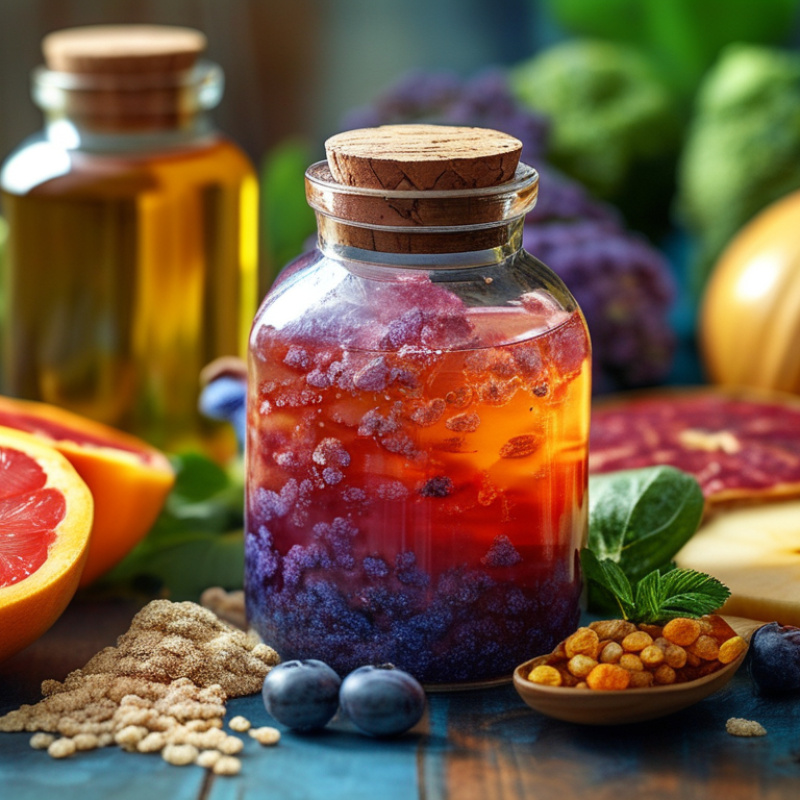
Postbiotic Foods have gained increasing attention for their potential health benefits. These foods are rich in postbiotics—metabolites produced by beneficial bacteria during fermentation. They can support gut health and improve immunity. Understanding how these foods work is essential for making informed dietary choices.
One example of a beneficial strain is Postbiotic Bifidobacterium Animalis Subsp Lactis. This strain has been linked to various health advantages. It may help in managing digestive issues and enhancing the gut's microbiome balance. Regular consumption of postbiotic-rich foods could lead to significant improvements in overall well-being.
However, not all postbiotic foods are created equal. It's critical to recognize which options are effective. Quality and source matter greatly. Some products may lack scientific backing or sufficient concentrations of active postbiotics. Individual responses also vary, so personal experiences should guide choices. Exploring these nuances encourages a deeper understanding of postbiotic nutrition.
What Are the Benefits of Postbiotic Foods in 2026?
| Benefit | Description | Scientific Support | Examples |
| Gut Health | Postbiotics can enhance gut microbiota composition and support digestive health. | Numerous studies highlight the role of postbiotics in modulating gut flora. | Fermented foods like yogurt and kimchi. |
| Immune System Support | They can help strengthen the immune response and reduce inflammation. | Research indicates postbiotics influence immune cell activity. | Certain types of fermented beverages. |
| Metabolic Health | Postbiotics may aid in regulating metabolism and preventing obesity. | Clinical trials show positive effects on weight management. | Foods rich in fiber and Probiotics combined. |
| Skin health | Support skin barrier function and reduce dermatological conditions. | Studies suggest a link between gut health and skin health. | Topical applications derived from fermented ingredients. |
| Mental Health | Postbiotics may influence mood and cognitive functions through the gut-brain axis. | Emerging studies highlight the gut-brain connection. | Foods that promote healthy gut flora. |
The Science Behind Postbiotics and Their Formation
The formation of postbiotics is a fascinating process in microbiome research. Postbiotics are metabolites produced by probiotics. They include cell wall fragments, enzymes, and other compounds beneficial to health. Research published in the journal "Frontiers in Microbiology" indicates that these compounds can enhance gut health, reduce inflammation, and even modulate immune responses.
One key aspect of postbiotic foods is their accessibility. Unlike probiotics, which often require careful storage and handling, postbiotics are stable and can survive harsh conditions. A report by the International Scientific Association for Probiotics and Prebiotics highlights that Postbiotic Powder can be incorporated into various foods without losing efficacy. This makes it easier for consumers to access the health benefits.
Tips: When choosing postbiotic foods, look for products with clear labeling. Check for scientific backing and confirmed health claims. A balanced diet rich in fiber can also complement your postbiotic intake. While the benefits of postbiotics are clear, individual responses can vary. It's essential to pay attention to how your body reacts and consult health professionals where needed.
Health Benefits of Postbiotic Foods in 2026
Postbiotic foods are gaining attention for their numerous health benefits in 2026. These foods contain metabolites produced by beneficial bacteria, which have shown potential in enhancing gut health. A report from the Global Postbiotics Market Analysis indicates that the postbiotic sector is projected to grow steadily, with a compound annual growth rate of 12.5% through 2026. Researchers are increasingly recognizing the role of postbiotics in promoting overall well-being.
One significant advantage of postbiotic foods is their ability to improve gut microbiota balance. Studies suggest that including Bifidobacterium Bifidum In Food can enhance the proliferation of beneficial bacteria. This leads to better digestion, nutrient absorption, and a stronger immune response. Surprising data indicates that individuals consuming postbiotic-rich diets report fewer digestive issues and improved mental clarity.
Tip: To incorporate postbiotic foods into your diet, consider fermented items like yogurt or kefir. They can serve as a delicious way to boost gut health. Furthermore, be cautious of over-relying on supplements. Natural food sources provide a diverse range of nutrients that are essential for holistic health. Addressing challenges in integrating these foods into daily meals can lead to a more personalized and enjoyable dietary experience.
Postbiotic Foods and Gut Health: What to Know
Postbiotic foods are gaining attention for their potential impact on gut health. These foods contain postbiotics, which are byproducts of probiotic bacteria after fermentation. They offer various health benefits, including supporting the immune system and reducing inflammation. In 2026, researchers continue to explore their role in digestive health.
Gut health is vital for overall wellness. A balanced gut microbiome helps digest food and absorb nutrients. Postbiotics may enhance this balance, leading to better health outcomes. Studies indicate that incorporating postbiotic foods into one’s diet may improve digestion and reduce gastrointestinal issues.
However, not all postbiotic foods are created equal. Their effects can vary based on individual health conditions. Some people may experience digestive discomfort or bloating when trying new foods. Listening to your body is crucial. Ensuring a varied diet while gradually introducing postbiotics can lead to improved gut health over time.
Popular Postbiotic Foods and Their Nutritional Profiles
Postbiotic foods are gaining attention in 2026 for their impressive health benefits. These foods contain postbiotics, which are metabolic byproducts from probiotics. They can enhance gut health and boost immunity. The unique contribution of postbiotics lies in its ability to modulate the microbiome effectively, leading to improved digestive health.
Some popular postbiotic foods include fermented items like kimchi, sauerkraut, and kefir. Studies show that these foods can significantly increase the levels of short-chain fatty acids (SCFAs) in the gut. SCFAs are essential for gut barrier function. A report by Nutritional Insights in 2025 indicated that consuming these foods can lower inflammation markers by up to 30%. Their rich nutritional profiles often include vitamins B and K, along with essential minerals like magnesium and zinc.
There is room for improvement in how these foods are incorporated into daily diets. While many acknowledge the benefits, not everyone finds postbiotic foods appealing. The challenge lies in making them widely accepted and enjoyable. Engaging recipes and educational resources can help bridge this gap. Exploring diverse culinary uses can make postbiotic foods more attractive and beneficial for many people.
The Role of Postbiotics in Immunity and Inflammation
Postbiotics are a lesser-known but crucial component of gut health. They are the metabolites produced by probiotics during fermentation. In 2026, we are starting to see their impact on immunity and inflammation more clearly. Research suggests that postbiotics can enhance immune responses. These compounds help regulate the activity of immune cells, providing a more robust defense against infections.
Moreover, postbiotics play a significant role in managing inflammation. Chronic inflammation is linked to numerous diseases, including autoimmune disorders. Postbiotics can help modulate inflammatory pathways, promoting a balanced immune response. For many, introducing postbiotic-rich foods could lead to practical health benefits. However, one should approach this with caution. Individual responses may vary, and more research is needed.
Experts note that integrating postbiotics into the diet should not replace traditional medical treatments. Instead, it should complement them. For instance, a person with certain health conditions might not experience the same benefits from postbiotics as others. This highlights the necessity for personalized approaches to nutrition. As we explore the benefits of postbiotic foods, it’s essential to remain critical and open-minded.
Future Trends: The Evolution of Postbiotic Foods in Nutrition
The evolution of postbiotic foods in nutrition has gained significant attention. By 2026, research suggests that the global postbiotic market will exceed $1.7 billion. This trend reflects a growing recognition of their role in gut health. Postbiotics are metabolites produced by probiotics, and they provide benefits beyond traditional probiotic sources.
Recent studies indicate that Food With Bifidobacterium contributes to improved digestive health and immune function. The Journal of Nutrition published findings showing that certain postbiotic compounds can reduce inflammation markers in the body. This effect may play a critical role in preventing chronic diseases. Innovations in food technology will help enrich everyday products with these beneficial compounds.
However, challenges remain. Many consumers lack awareness of postbiotics. Education is essential for harnessing their full potential. Additionally, the industry must address quality control in postbiotic production. Not all products labeled as postbiotics provide effective benefits. The health community is under pressure to create reliable benchmarks. Continued research and consumer education will be crucial for shaping future trends in this promising area.
FAQS
: Postbiotic foods contain metabolites produced by beneficial bacteria during fermentation. They support gut health.
They improve gut microbiota balance and enhance digestion, immune response, and nutrient absorption.
Individual responses vary. Some may experience significant benefits, while others may see little difference.
No, quality and source vary. Some may lack sufficient active postbiotics or scientific backing.
Consider foods like yogurt and kefir. They are tasty ways to boost gut health.
Be cautious with supplements. Natural sources offer a wider range of essential nutrients.
While generally safe, over-relying on a single food type may limit nutritional diversity.
Many report better digestion and improved mental clarity with postbiotic-rich diets.
Personal experiences vary. Reflect on diet habits; it may require more time or adjustment.
Addressing challenges in meal prep can make incorporating postbiotics more enjoyable and sustainable.
Conclusion
Postbiotic foods have gained significant attention in 2026 due to their potential health benefits and contributions to gut health. Understanding these foods begins with recognizing that postbiotics are metabolic byproducts of probiotics, formed during fermentation, which may offer various health advantages. Research highlights their role in enhancing gut health by supporting the balance of gut microbiota and improving digestion.
Moreover, postbiotic foods are linked to strengthened immunity and reduced inflammation, making them a valuable addition to a balanced diet. As we explore popular postbiotic foods and their nutritional profiles, it becomes evident that these innovative food sources are evolving within the nutrition landscape, reflecting a growing trend toward functional foods that promote overall well-being.