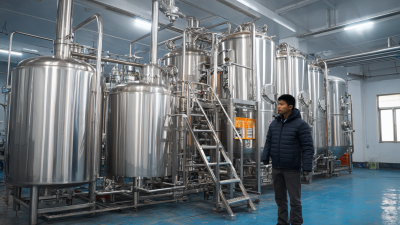
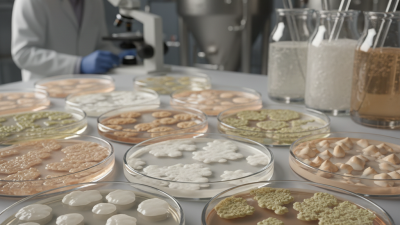
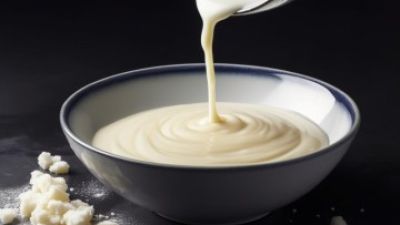
Picking the right fermentation agentcan really make a difference in your cooking or brewing adventures. There are so many options out there, and honestly, it can get pretty overwhelming. So, it’s super helpful to understand what makes each one special. Some Fermentation Agents are great for boosting flavors, while others are better at changing textures. Each has its own pros and cons, which makes choosing the right one a bit of a puzzle.
It’s also worth paying attention to the quality of what you’re buying. Not all products are created equal—some might lack consistency or purity, and that can throw off your results. Brands like Baker's Yeast Co. and Pure Ferments tend to be pretty reliable, but it’s a good idea to check out user reviews and get some expert opinions before you buy. Trust me, quality control is a big deal in fermentation—you don’t want surprises there.
And don’t forget to think about what *you* need. Are you fermenting veggies, brewing beer, or making something else? The ideal fermentation agent depends on your specific goals. Sometimes, you just gotta experiment and see what works best. Not every agent performs equally in every situation, so be ready to tweak things along the way. The bottom line? Staying informed and being open to adjustments usually leads to the best fermentation adventures—and maybe even some happy accidents along the way.
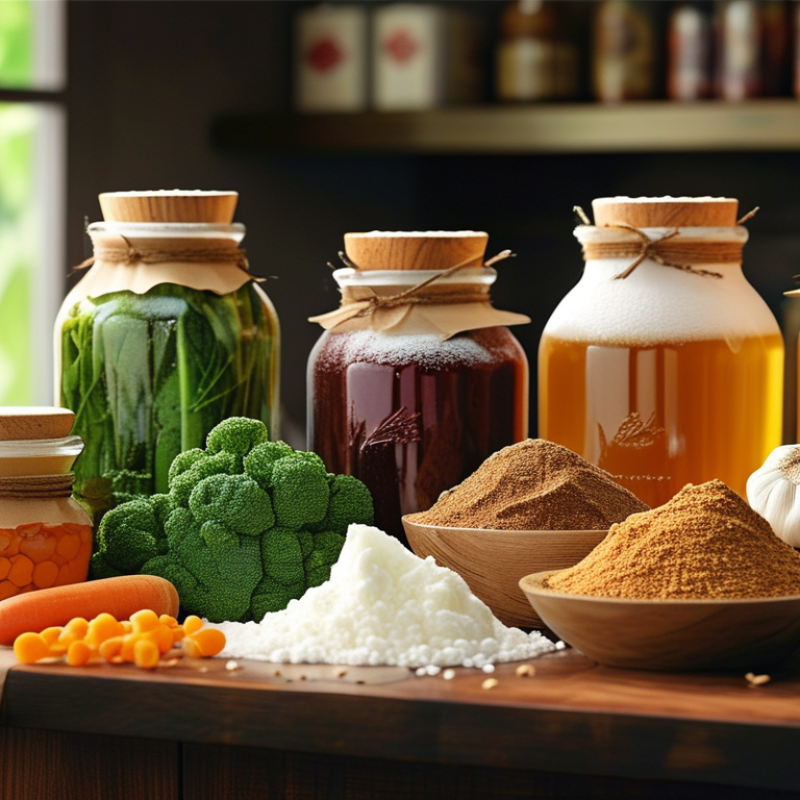
Understanding Fermentation Agents: Definition and Importance
Fermentation agents play a crucial role in the food industry. They are responsible for transforming raw ingredients into delicious, nutritious products. Understanding fermentation agents helps you make informed decisions. They can enhance flavors, improve textures, and even prolong shelf life. For example, a Yoghurt Fermentation Agent aids in creating that creamy texture we all love.
Choosing the right fermentation agent depends on various factors. Different agents work better for specific types of fermentation. Some may produce stronger flavors, while others create milder tastes. The microbial cultures used in yoghurt fermentation agents vary in characteristics. This diversity can support unique fermenting processes. However, it’s crucial to recognize that not every agent will suit your recipe perfectly.
Experimentation is often necessary. Results can vary widely. You might find that an agent doesn't behave as expected. It might lead to unsatisfactory results. Documenting your process can help identify what works best. Reflecting on your experiments will enhance your understanding. Trust your instincts and taste preferences as you navigate this world of fermentation.
Types of Fermentation Agents: Overview of Common Options
Fermentation agents, also known as starters or cultures, play a crucial role in the fermentation process. They can greatly influence the flavor, aroma, and texture of the final product. Here are some common types of fermentation agents to consider.
Yeasts are perhaps the most well-known fermentation agents. They convert sugars into alcohol and carbon dioxide, which is essential for brewing and baking. Different yeast strains contribute unique flavors. For example, wild yeasts can introduce complex characteristics. However, they require careful handling to avoid inconsistent results.
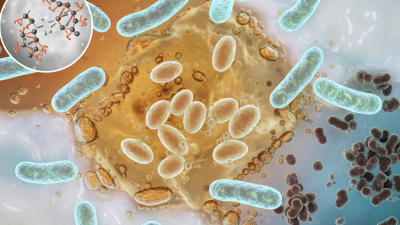
Bacteria are another critical component. Lactic acid bacteria, for instance, are used in yogurt and sauerkraut production. They enhance flavor and act as natural preservatives. But they can sometimes overpower the product if not monitored properly. Each fermentation agent offers distinct advantages and challenges. Understanding their properties helps in choosing the right one for your needs.
Assessing Your Needs: Factors to Consider in Selection
Choosing the right fermentation agent involves careful consideration of your specific needs. Start by evaluating the type of fermentation you're undertaking. Different agents work better for certain applications. For example, whether you are making yogurt, kombucha, or sourdough, each process may require a unique fermentation agent to thrive.
Next, think about your desired flavor and texture profile. Fermentation can change the taste significantly. Some agents lead to a tangy flavor, while others produce a milder result. Experimenting with various agents can yield unexpected and delightful outcomes. It's essential to have a clear understanding of what you're aiming for. This reflection helps avoid frustration later on.
Consider factors like temperature and fermentation time as well. Some agents require specific conditions to perform well. If your environment fluctuates, the fermentation might not go as planned. Monitor your progress closely and adjust your methods as needed. Embrace the learning process, and remember that fermentation is both an art and a science.
Comparative Analysis: Natural vs. Synthetic Fermentation Agents
The choice between natural and synthetic fermentation agents is crucial for any brewing or baking process. Natural agents often come from plants or fruits. They can enhance flavor and provide health benefits. For example, wild yeast offers unique profiles. However, they can be unpredictable and require careful temperature control. This may lead to variations in the final product.
On the other hand, synthetic fermentation agents are designed for consistency. They are often more reliable in controlled environments. This predictability allows for a uniform taste and quality. However, they might lack some of the complex flavors that natural agents provide. Understanding the right balance is key. Producers often struggle with the trade-offs between consistency and unique flavor profiles.
Choosing the best fermentation agent requires a deep understanding of your goals. Consider your target audience. Is it flavor or consistency that matters more? Experimenting with both types can yield interesting results. Reflecting on past experiences can guide future decisions. The right choice may not always be clear, and that's part of the fermentation journey.
Evaluating Performance: Measuring Fermentation Efficiency
When selecting a fermentation agent, measuring fermentation efficiency is crucial. Efficiency impacts the final product's quality. Different agents can yield varied results depending on the specific substrate used. It's essential to assess how well each agent performs under multiple conditions.
Fermentation efficiency can be evaluated by monitoring factors such as the rate of gas production and alcohol content. Simple methods can be applied in home setups. For example, measuring the bubble activity in airlocks provides initial insights. However, deeper analysis is needed for a comprehensive understanding. You might find that an agent works well with one recipe but underperforms with another.
Be prepared for some trial and error. Benchmarking results is useful. Gather data over several batches to spot trends. This might reveal unexpected patterns. Reflecting on these findings is vital for improvement. Adjustments could lead to unexpected enhancements in your fermentation process.izza
Sourcing Quality Ingredients: Where to Find Reliable Agents
When sourcing quality fermentation agents, it's vital to prioritize reliable suppliers. Look for producers who specialize in fermentation. They often have a deep understanding of the ingredients they provide. Their expertise can make a significant difference in your final product.
Local farmers' markets and specialty stores are excellent places to start. Engaging with local suppliers allows you to ask questions directly. You might discover unique fermentation agents that are not available online. This personal touch can enhance your understanding of each agent's properties. A Yoghurt Fermented Agent can vary significantly from one source to another.
Online resources are also useful but come with challenges. Researching reviews and ratings can help you find trustworthy sources. Yet, some online sellers may lack transparency. It is essential to scrutinize their practices. Reflect on your options. Combining information from various sources can lead you to the ideal fermentation agent for your project.
Troubleshooting Common Issues: Tips for Successful Fermentation
Fermentation is a delicate process. Many factors can affect its success. If you're facing common issues, troubleshooting can help.
Temperature control is crucial. Ensure your fermentation environment is stable. Too hot or too cold can result in stalled fermentation. Keep an eye on the fermentation vessel. If bubbles slow down, it might be time to adjust conditions. Additionally, the right fermentation agent is vital. The Caldwell Fermentation Starter is popular for its reliable results. However, it’s essential to conduct small tests. Not every agent suits every recipe, so be prepared for trial and error.
One common problem is off-flavors. They can arise from various sources, such as contamination or improper ratios. Always sanitize your equipment. If things go awry, reflect on your ingredients. Freshness matters. Sourcing quality inputs can lead to better outcomes. Lastly, patience is key. Fermentation can take time, and not every batch will be perfect. Embrace the learning curve. Each failure can teach valuable lessons for future attempts.
The Impact of Lactic Acid Bacteria Fermentation Liquid on Gut Health: Insights from Recent Industry Reports
The recent surge in interest regarding gut health has brought lactic acid bacteria fermentation liquids to the forefront of nutrition discussions. These naturally fermented products are rich in Probiotics, which play a crucial role in maintaining a balanced gut microbiome. Industry reports highlight their efficacy in promoting digestive health and enhancing overall immunity. The complex interactions between lactic acid bacteria and gut flora can lead to improved digestion, reduced inflammation, and even the alleviation of certain gastrointestinal disorders.
Moreover, lactic acid bacteria fermentation liquids offer an appealing option for those seeking natural solutions to support their gut health. As consumers become increasingly aware of the benefits of functional foods, the incorporation of these fermentation liquids into daily diets has been embraced. They not only serve as a source of essential nutrients but also contribute to the maintenance of a healthy balance of gut bacteria. With the ongoing research in this field, more information continues to emerge, further emphasizing the positive effects of these fermentation products on health and well-being.
FAQS
: Fermentation efficiency impacts the final product's quality and varies with different agents and substrates.
Monitor gas production rates and alcohol content. Measuring bubble activity in airlocks provides initial insights.
Be prepared for trial and error. Each recipe might yield different results with the same fermentation agent.
Prioritize reputable suppliers specializing in fermentation. They provide quality ingredients and valuable insights.
Local farmers' markets and specialty stores often have unique agents not available online.
Temperature control is crucial. Ensure a stable environment to avoid stalled fermentation.
Off-flavors may arise from contamination or improper ingredient ratios. Always sanitize your equipment.
Fermentation takes time, and not every batch will be perfect. Learning from failures improves future attempts.
Gather data from multiple batches to spot trends. Reflection can lead to unexpected enhancements.
Evaluate temperature, agent suitability, and ingredient quality to address common fermentation issues.
Conclusion
Choosing the right fermentation agent is crucial for achieving desired fermentation outcomes in various applications, from brewing to baking. Understanding fermentation agents involves recognizing their definition and importance, which varies significantly based on the specific needs of the process. This article outlines the different types of fermentation agents available, helping users assess their requirements effectively by considering factors such as the desired flavor profile, fermentation speed, and product stability.
Moreover, a comparative analysis of natural versus synthetic fermentation agents sheds light on their respective benefits and drawbacks. It is essential to evaluate the performance of these agents by measuring fermentation efficiency and sourcing quality ingredients from reliable suppliers. Finally, the article provides troubleshooting tips for common issues in fermentation, ensuring successful outcomes for users experimenting with different fermentation agents.