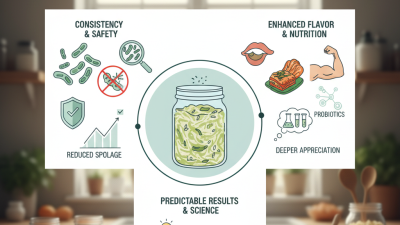
Using a Starter Culture can really give your fermenting efforts a boost, whether you're making yogurt, cheese, or sourdough bread. It’s pretty much essential for getting consistent, reliable results. Basically, by adding specific microbes, the starter helps the fermentation go smoothly and as planned.
Now, jumping into using a starter culture at home might feel a bit intimidating at first. The whole thing involves juggling temperature, timing, and ingredients — and sometimes, it can be tricky to keep everything just right. Even seasoned Fermenters run into surprises now and then. If something’s slightly off, you might end up with flavors or textures that aren’t quite what you expected.
Getting a handle on the challenges with starter cultures is pretty important. Each batch can turn out a little different, which actually makes it more interesting. The most important thing is to keep experimenting and not get discouraged — it’s all part of learning this craft. And honestly, every mistake is just a chance to learn more and improve your skills on this fermentation journey.
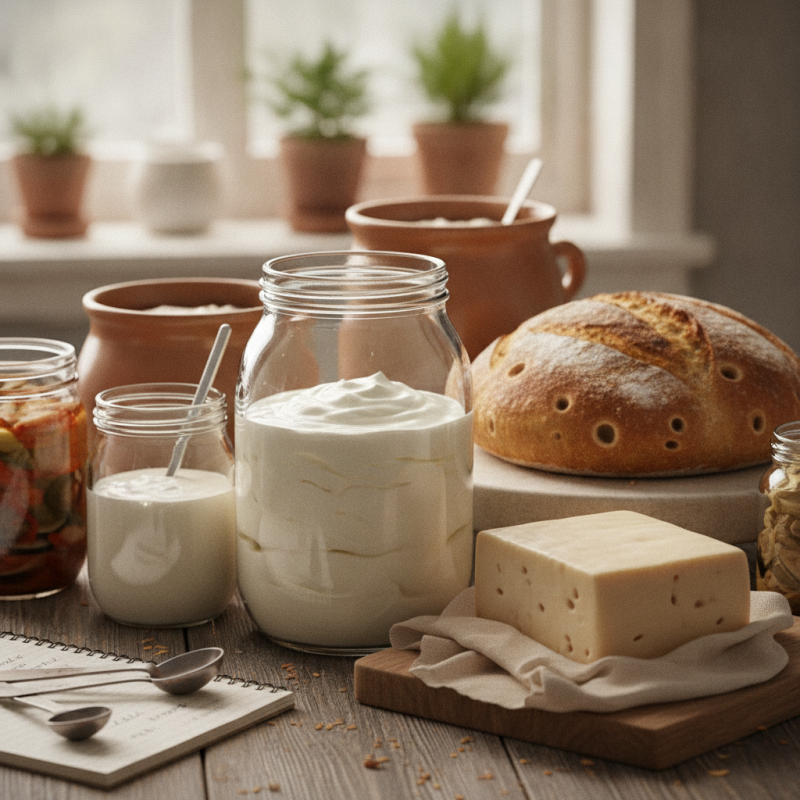
Understanding Starter Cultures and Their Role in Fermentation
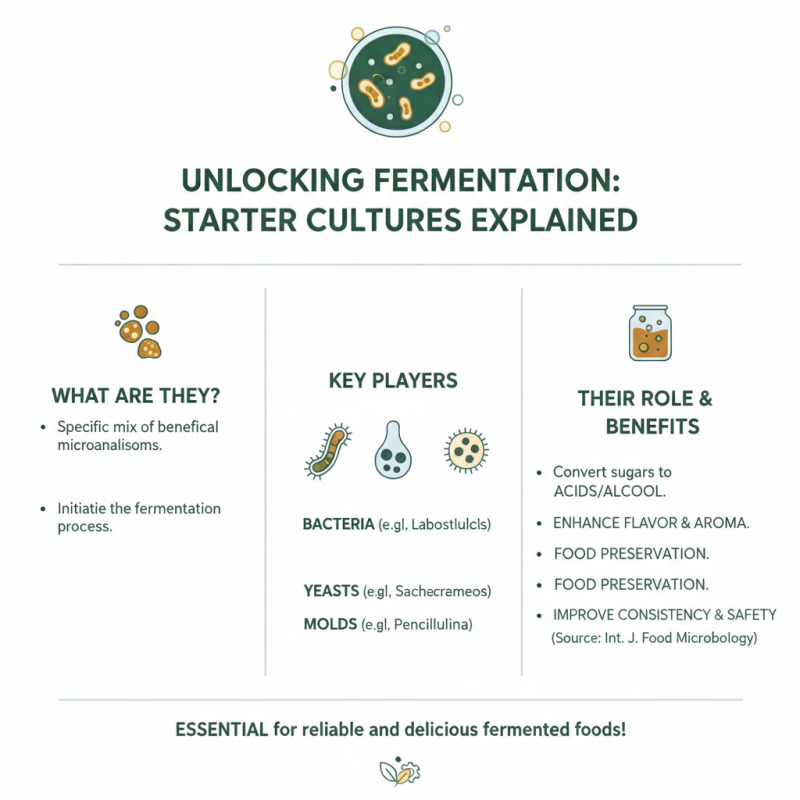
Understanding starter cultures is crucial for anyone interested in fermentation. A Fermentation Starter Culture is a specific combination of microorganisms used to initiate fermentation. These microorganisms can include bacteria, yeasts, and molds. They work together to convert sugars into alcohol or acids, enhancing flavor and preserving food. According to the International Journal of Food Microbiology, properly used starter cultures can improve the consistency and safety of fermented products.
Tips: Choose the right starter culture for your specific fermentation project. Not all cultures are suitable for every food or beverage. In some cases, wild fermentation might lead to unpredictable results. Knowing the characteristics of the microorganisms can enhance your fermentation's outcome.
Fermentation Starter Culture plays a pivotal role in the fermentation process. For instance, using a starter culture like LactoBacillus can lead to the production of lactic acid, which is essential for yogurt and sourdough. Research shows that controlled fermentation can increase beneficial bacteria, making the product healthier. It’s worth noting that not all homemade ferments produce the expected results. The wrong balance of cultures can result in off-flavors or spoilage.
Tips: Monitor temperature and pH levels carefully. Small adjustments can greatly impact the final product. Keeping a detailed fermentation log can help you understand what works and what doesn’t.
Types of Starter Cultures Used in Fermented Products
In the realm of fermentation, starter cultures play a pivotal role. These cultures contain beneficial microorganisms that kickstart the fermentation process. Various types are used across different products, each offering unique characteristics and benefits. Lactobacillus and Saccharomyces cerevisiae are the most common microorganisms found in fermented foods. They are essential for dairy products, yogurt, and bread.
Caldwell Fermentation Starter is one popular choice among home fermenters. This starter contains a blend of probiotics ideal for various applications. Studies show that probiotics like those found in such starters can enhance gut health and boost immunity. Research indicates that fermented foods can provide a higher bioavailability of nutrients. A 2021 report noted that nearly 60% of consumers are becoming more health-conscious, pushing the demand for fermented products.
Using the right starter culture is crucial for achieving desired results. However, not all starters guarantee success. Environmental factors and ingredient quality can affect the fermentation process. Many home brewers realize that trial and error is a part of learning. They often reflect on their initial attempts, noting inconsistencies or unexpected flavors. It is this exploration that leads to improved techniques and robust flavors in their final products.
How to Use Starter Culture for Successful Fermentation? - Types of Starter Cultures Used in Fermented Products
| Type of Starter Culture | Description | Common Uses | Pros | Cons |
| Lactic Acid Bacteria | Microorganisms that ferment sugars into lactic acid. | Yogurt, Sauerkraut, Kimchi | Enhances flavor and texture; improves shelf life. | May require specific fermentation conditions. |
| Yeast | Single-celled fungi that convert sugars into alcohol and carbon dioxide. | Bread, Beer, Wine | Produces carbonation and desirable flavors. | Can produce off-flavors if not monitored carefully. |
| Mold | Filamentous fungi used in fermentation processes. | Soy Sauce, Miso, Cheese | Adds unique flavors and textures. | Requires precise conditions for growth. |
| Bacterial Cultures | Cultures that promote the fermentation process through specific bacteria strains. | Fermented Sausages, Pickles | Enhances safety and flavor consistency. | May require careful handling and storage. |
Selecting the Right Starter Culture for Your Recipe
Choosing the right Fermentation Starter is crucial for achieving the desired results in your recipes. The type of starter culture you use can significantly influence the flavor, texture, and overall quality of your fermented products. For example, yogurt and sourdough require different types of starter cultures. Understanding the specific needs of your recipe will guide you in selecting the appropriate culture.
Consider the specifics of the fermentation process you are embarking on. Temperature, pH levels, and ingredients all play a role in how your fermentation starter behaves. A culture suited for one environment might not perform well in another. It's beneficial to experiment with small batches to understand the nuances of each starter.
As you refine your techniques, it’s normal to encounter challenges. Some batches may not ferment as expected, leading to off-flavors or undesirable textures. Document your observations, and don’t hesitate to adjust your approach. Learning from trial and error is part of the journey in mastering fermentation.
Preparing the Starter Culture for Effective Fermentation
Creating an effective starter culture is crucial for successful fermentation. A robust starter culture leads to better flavor and ensures food safety. Research shows that using a Vegetable Fermentation Starter can significantly enhance the fermentation process. This starter typically contains a precise blend of lactic acid bacteria, crucial for creating the desired flavor profile.
To prepare your starter culture, use fresh, high-quality ingredients. Organic vegetables and filtered water are ideal. The right proportions of salt can also prevent unwanted bacteria. Many experts recommend a salt concentration of 2-3% to strike a balance between flavor and fermentation efficiency. Regularly check your starter for any off-odors or strange colors—these may indicate contamination.
Tips: Ensure your fermentation vessels are clean and sanitized to avoid unwanted microbial growth. Consistent temperatures, ideally between 65°F and 75°F, help bacteria develop properly. Remember, the fermentation process is not always linear; sometimes, your starter may not perform as expected. Adjustments may be necessary to optimize your results. Monitoring your progress closely can provide valuable insights for future batches.
Inoculation Techniques: How to Introduce Starter Cultures
Inoculating your fermentation with a starter culture significantly enhances the process. This technique introduces specific microorganisms that can dominate the fermentation environment. The goal is to ensure a good balance of flavors and consistency. An effective inoculation starts with healthy cultures that have been stored correctly and are at the right temperature.
To begin, sanitize all tools and containers. You don’t want unwanted bacteria interfering with your fermentation. Measure the exact amount of starter culture to use. Too little might lead to slow fermentation, while too much could overwhelm the mix. Stir it gently into your base ingredient, distributing it evenly. Remember, the timing of your inoculation is critical; waiting too long can lead to spoilage.
Regular monitoring is necessary. Observe changes in the mixture's aroma, texture, and color. It’s essential to adjust your technique based on these observations. If you notice off smells, it may be time to reevaluate your starter culture selection. Each fermentation is a learning experience, and reflecting on what works and what doesn’t will shape your skills.
Optimal Conditions for Successful Fermentation Processes
Successful fermentation relies heavily on optimal conditions. Temperature, humidity, and pH levels play critical roles. Each fermenting culture may prefer different environments. Yeasts thrive in warmer settings, while some bacteria favor cooler temperatures. It's essential to monitor conditions closely.
Tips: Use a reliable thermometer to check temperature regularly. This helps maintain a stable environment. pH testing strips can reveal acidity changes. Adjusting ingredients based on these readings may enhance the outcome.
Ventilation is another critical factor. Adequate airflow prevents unwanted microbial growth. Still, too much exposure to air can spoil the culture. Find a balance to ensure a healthy fermentation process. Consider different fermentation vessels to optimize conditions. Some materials retain heat better than others.
Tips: Choose jars or containers that seal well but allow gas release. Keep your workspace clean to reduce contamination risks. Regularly assess the fermenting culture's appearance and smell. Noticing changes early can prevent larger issues later.
Troubleshooting Common Issues in Fermentation with Starter Cultures
Troubleshooting issues in fermentation using starter cultures is crucial for desired outcomes. One common problem is contamination. According to a study published in the Journal of Food Science, about 11% of homemade fermented products face microbial contamination. To avoid this, ensure all equipment is sanitized thoroughly before use. Contaminants can lead to off-flavors or spoilage.
Another issue is insufficient fermentation temperature. The optimal range is typically between 68°F to 72°F. A temperature that’s too low can slow down yeast activity, resulting in incomplete fermentation. Research indicates that temperatures outside this range can lead to a 30% loss in fermentation efficiency. Monitoring the environment is key. Moreover, too much sugar or improper pH levels can hinder yeast performance. Starter cultures thrive at specific sugar concentrations, and exceeding these can cause stress on the microorganisms.
It’s essential to adjust these variables for successful fermentation. Even experienced fermenters sometimes find unexpected results. Keeping detailed records of processes helps in identifying what went wrong. Observing variations in fermentation rates can highlight potential issues. Understanding these factors leads to better control during fermentation, fostering a more reliable and fruitful process.
Fermentation Success Rates with Different Starter Cultures
The Growing Demand for Probiotic Foods: Exploring the Benefits of Yogurt Starter Culture Yo-ZC912 in the Global Market
The rising interest in probiotic foods has sparked a significant demand for yogurt starter cultures, among which Yo-ZC912 has gained attention in the global market. Probiotic yogurt, known for its numerous health benefits, owes its unique characteristics primarily to the lactic acid bacteria present in its starter cultures. These microorganisms play a crucial role in fermenting milk by converting lactose into lactic acid, thereby enhancing the texture and flavor of the finished product. As consumers become more health-conscious, the popularity of naturally fermented yogurt, facilitated by effective starter cultures, continues to grow.
Making yogurt at home provides a unique opportunity to harness the benefits of these starter cultures, such as Yo-ZC912. To achieve the desired consistency and tanginess, it is essential to maintain an optimal fermentation temperature between 42-45°C. This creates an ideal environment for the lactic acid bacteria to thrive and ferment the milk effectively. The fermentation period can range from 4 to 12 hours, depending on individual preferences for thickness and acidity. With the right knowledge and ingredients, anyone can experience the delightful process of yogurt making, while reaping the probiotic benefits associated with high-quality starter cultures.
FAQS
: Starter cultures contain beneficial microorganisms. They initiate the fermentation process in various products.
Lactobacillus and Saccharomyces cerevisiae are the most common. They are vital for yogurt, dairy, and bread.
The right starter ensures the desired fermentation results. It directly impacts flavor and food safety.
Environmental conditions and ingredient quality play significant roles. These can vary, leading to different outcomes.
Use fresh, high-quality ingredients and the right salt concentration. This helps achieve better flavor and fermentation.
A salt concentration of 2-3% is recommended. This balances flavor while promoting fermentation efficiency.
Regularly check for off-odors or strange colors. These can indicate potential contamination in your starter culture.
Yes, many home brewers face inconsistencies. Learning from failures leads to improved techniques and flavors.
Consistent temperatures, ideally between 65°F and 75°F, support proper bacteria development. Fluctuations can hinder outcomes.
No, success isn’t guaranteed. Sometimes, adjustments are necessary for optimal results based on past experiences.
Conclusion
Starter culture and fermentation play a crucial role in the production of various fermented products. Understanding what starter cultures are and their specific functions can significantly impact the success of fermentation processes. The article outlines the different types of starter cultures available and emphasizes the importance of selecting the right one based on the recipe requirements.
Moreover, it details the preparation of starter cultures and effective inoculation techniques to ensure a robust fermentation environment. Establishing optimal conditions is essential for achieving the desired results, while also addressing common challenges that may arise during fermentation. By following these guidelines, individuals can enhance their fermentation practices and achieve successful outcomes with their fermented products.