Lately, there's been a lot of buzz around gut health, especially with new innovations like Postbiotics Tablets popping up. These supplements are actually made from the byproducts of probiotic bacteria—kind of like the leftovers—and they offer a bunch of health perks that go beyond what traditional probiotics do. I was reading an interview with Dr. Jane Smith, a well-known expert in the microbiome world, and she mentioned that these tablets can be a game-changer for your gut. She said, “Postbiotics Tablets are a really powerful tool for boosting gut health, helping to keep the microbiome balanced and giving your immune system a bit of support too.” As more research rolls in, it’s becoming clearer just how much these little tablets could do to improve overall health and how you feel each day.
So, the science behind Postbiotics Tablets is pretty interesting—they actually work by providing beneficial compounds produced during the fermentation of probiotics. These compounds might help with digestion, make nutrient absorption better, and even have some positive effects on mental health. Many experts are now suggesting that adding Postbiotics Tablets into your daily routine could help strengthen your gut and give your immune system a boost, making you more resilient against various illnesses. As awareness spreads, more people are curious about how these supplements can fit into their health goals, kind of opening a new chapter in how we manage our gut health.
What Are Postbiotics? Understanding the Concept and Definition
Postbiotics are a relatively new concept in the realm of gut health and microbiome research. They are non-viable microbial cells or cell components that result from the fermentation processes of probiotics. Unlike probiotics, which consist of live beneficial bacteria, postbiotics deliver health benefits without the need for these microorganisms to be alive. According to a report by the International Scientific Association for Probiotics and Prebiotics (ISAPP), postbiotics possess various bioactive properties that can influence gut health, immune response, and even metabolic processes.
Recent studies have revealed that postbiotics can improve gut barrier function and modulate the immune system, potentially reducing inflammation and the risk of chronic diseases. Research published in the journal "Nature Reviews Gastroenterology & Hepatology" indicates that certain postbiotics can promote the growth of beneficial microbiota, leading to a more balanced gut ecosystem. This balance is crucial, as an imbalance in gut microbiota has been linked to conditions such as irritable bowel syndrome, obesity, and metabolic syndrome.
Furthermore, a comprehensive review found that the incorporation of postbiotics into dietary supplements may offer a viable alternative to traditional probiotic formulations, especially for individuals with compromised immune systems or those who struggle with digesting Live Bacteria.
The Science Behind Postbiotics: How They Are Formed
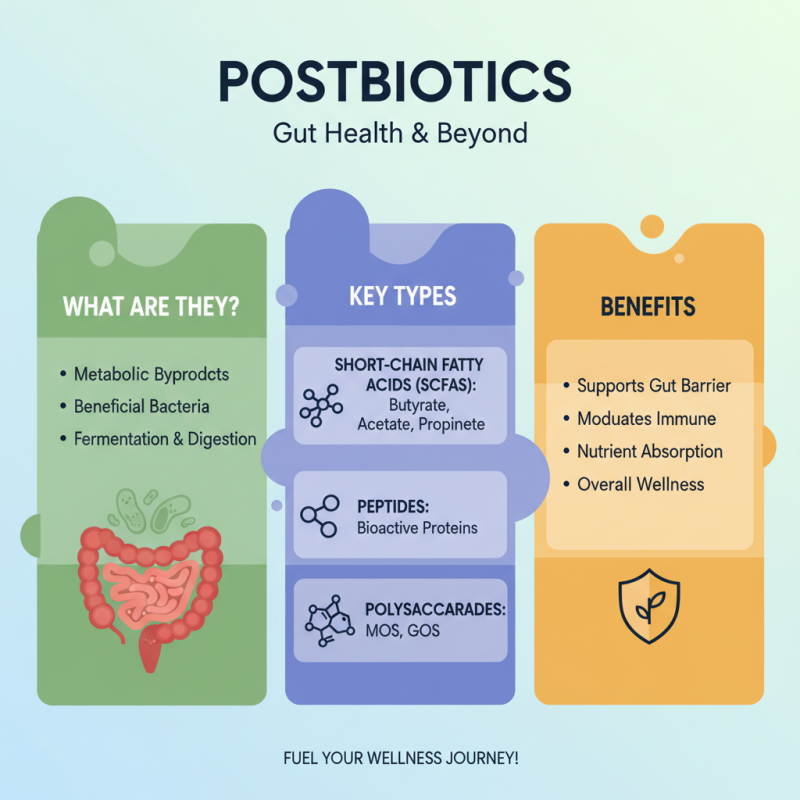
Postbiotics are metabolic byproducts generated during the fermentation process of probiotics. As probiotics digest dietary fibers and other substrates in the gut, they produce various compounds, including short-chain fatty acids (SCFAs), peptides, enzymes, and other bioactive molecules. Research indicates that SCFAs, such as acetate, propionate, and butyrate, play vital roles in maintaining gut health, promoting immune function, and regulating metabolism. A report from the International Scientific Association for Probiotics and Prebiotics (ISAPP) highlights that SCFAs are crucial for gut barrier function and may help prevent various gastrointestinal disorders.
The formation of postbiotics is a complex process influenced by the type and diversity of gut microbiota, as well as dietary patterns. Studies suggest that a diverse microbiome enhances the production of beneficial postbiotics, which can mitigate dysbiosis—a state of microbial imbalance associated with health issues like obesity and inflammatory bowel disease. According to the National Center for Biotechnology Information (NCBI), maintaining a diet rich in fiber can significantly boost the efficiency of probiotic bacteria in producing postbiotics. This underscores the importance of a balanced diet in not only supporting probiotic populations but also maximizing the health benefits derived from their metabolic byproducts.
Health Benefits of Postbiotics
Different Types of Postbiotics and Their Sources
Postbiotics are metabolic byproducts produced by beneficial bacteria during fermentation and digestion processes. They include a variety of substances such as short-chain fatty acids, peptides, and certain polysaccharides, all of which can contribute to gut health and overall wellness. Understanding the different types of postbiotics and their respective sources can help individuals make informed choices to improve their health.
One prominent type of postbiotic is short-chain fatty acids (SCFAs), which are known to provide numerous health benefits, including supporting immune function and reducing inflammation. SCFAs are primarily derived from fiber fermentation in the gut, particularly from dietary fibers found in foods like fruits, vegetables, whole grains, and legumes. Additionally, exopolysaccharides, another category of postbiotics, play a crucial role in modulating gut microbiota and enhancing gut barrier function. These can be sourced from fermented foods like yogurt, kefir, and sauerkraut, which not only serve as direct sources of beneficial bacteria but also produce these valuable compounds during fermentation.
Moreover, postbiotic peptides, which are fragments of proteins that exhibit bioactive properties, can also influence health positively. They are typically released during the fermentation of dairy products and plant-based foods, providing potential benefits for cardiovascular health and metabolic processes. Overall, incorporating a variety of postbiotic-rich foods into one's diet can promote a balanced gut microbiome and contribute to better health outcomes.
Health Benefits of Postbiotics: A Comprehensive Overview
Postbiotics, the bioactive compounds produced during the fermentation process by probiotics, have garnered attention for their potential health benefits. These compounds include short-chain fatty acids, enzymes, and peptides, which can play a significant role in enhancing gut health and overall well-being. Unlike probiotics, which are live microorganisms, postbiotics are stable and can provide health benefits without the need for living bacteria, making them an appealing option for those concerned about the viability of probiotics during storage and digestion.
The health benefits of postbiotics extend beyond gut health. Research suggests that they may help modulate the immune system, reducing inflammation and potentially lowering the risk of certain chronic diseases. Additionally, postbiotics have been shown to improve gut barrier function, which can prevent the translocation of harmful pathogens and toxins into the bloodstream. By promoting a balanced gut microbiome and supporting digestive health, postbiotics may also contribute to improved mental health, as the gut-brain axis plays a crucial role in emotional well-being.
As our understanding of postbiotics deepens, they present a promising avenue for enhancing health through dietary supplementation.
Postbiotics and Gut Health: The Connection Explained
Postbiotics are metabolic byproducts produced during the fermentation process by probiotics, the beneficial bacteria that reside in our gut. These compounds play a significant role in maintaining gut health and overall well-being. Research has indicated that postbiotics can enhance the gut barrier function, preventing harmful pathogens from entering the bloodstream and thereby reducing inflammation. By strengthening this barrier, postbiotics contribute to a balanced gut microbiome, which is essential for optimal digestion and nutrient absorption.
The connection between postbiotics and gut health extends to various mechanisms that promote a harmonious internal environment. For instance, postbiotics can modulate the immune response, helping to regulate inflammatory activities within the gut. They also influence the production of mucus, which serves as a protective layer against pathogens. Furthermore, postbiotics may support the growth of beneficial gut bacteria, creating a self-sustaining ecosystem that reinforces digestive health. As research continues to unveil the complexities of the gut microbiome, the potential benefits of incorporating postbiotics into our diets become increasingly clear.
How to Incorporate Postbiotics Tablets into Your Diet
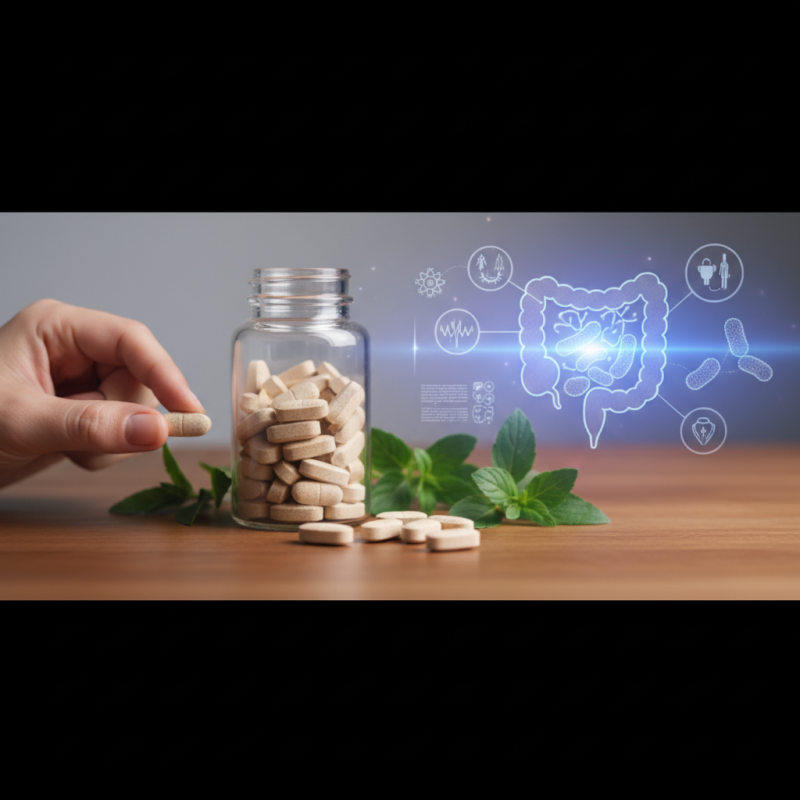
Incorporating postbiotics tablets into your diet can be an effortless way to enhance your gut health and overall well-being. Start by integrating these tablets into your daily routine by taking them at the same time each day, making it easier to form a habit. Whether you prefer the morning with breakfast or before bedtime, consistency is key. Pairing the tablets with a nutritious meal can further help in maximizing their benefits, as the presence of food may aid in absorption and effectiveness.
Additionally, consider combining postbiotics tablets with a balanced diet rich in prebiotics. Foods such as garlic, onions, and whole grains can provide the necessary nourishment for your gut flora, complementing the effects of postbiotics. It's also beneficial to maintain a hydration regimen, as adequate water intake supports digestion and nutrient absorption. Lastly, monitor how your body responds to the addition of postbiotics and adjust your intake as needed, ensuring that this supplement aligns with your health goals.
What Are Postbiotics Tablets and How Do They Benefit Your Health
| Aspect | Description |
| Definition | Postbiotics are metabolites produced by probiotic bacteria that confer health benefits. |
| Health Benefits | Support gut health, boost immune function, reduce inflammation, and improve digestion. |
| Common Ingredients | Short-chain fatty acids, enzymes, and antimicrobial peptides. |
| Recommended Dosage | Typically ranges from 250 mg to 1000 mg per day, based on specific needs. |
| Sources | Fermented foods, dietary supplements, and certain dairy products. |
| How to Incorporate | Add postbiotics tablets to your daily supplement routine or include postbiotic-rich foods in your meals. |
Potential Side Effects and Precautions with Postbiotics Tablets
When considering the use of postbiotics tablets, it's essential to be aware of potential side effects and precautions. While postbiotics are generally regarded as safe, some individuals may experience mild digestive discomfort, such as gas, bloating, or changes in bowel movements. These effects are usually transient and may subside as the body adjusts to the supplement. However, if symptoms persist or worsen, it is advisable to consult a healthcare professional.
Additionally, people with underlying health conditions or those who are pregnant or breastfeeding should exercise caution. It's crucial to discuss the use of postbiotics with a healthcare provider to ensure they align with individual health needs and do not interfere with any medications.
**Tips**: Start with a low dose of postbiotics to assess your body’s response before gradually increasing it. Keeping a journal to track any changes in your health can help identify any adverse reactions more effectively. Always choose high-quality products from reputable sources, as the purity and formulation can significantly influence their efficacy and safety.
Harnessing the Benefits of Bifidobacterium Longum Subsp. Longum: A Comprehensive Guide to Postbiotics Powder
Harnessing the Benefits of Bifidobacterium Longum Subsp. Longum: A Comprehensive Guide to Postbiotics Powder
Bifidobacterium Longum Subsp. Longum is a pivotal strain within the Bifidobacteria genus, renowned for its remarkable probiotic benefits. This beneficial bacteria plays a crucial role in maintaining gut health by enhancing the intestinal barrier, improving digestion, and modulating immune responses. According to a study published in the "Journal of Nutrition," regular consumption of Bifidobacterium Longum can significantly reduce gastrointestinal inflammation and promote a balanced gut microbiome, which is essential for overall wellness.
Postbiotics, the metabolic byproducts of beneficial microbes, have garnered attention for their potential health benefits. They not only support gut health but also enhance the bioavailability of nutrients, thus contributing to improved nutrient absorption. Research from the "Frontiers in Microbiology" indicates that postbiotics derived from Bifidobacterium Longum can exhibit anti-inflammatory properties that are beneficial in managing chronic conditions such as obesity and metabolic syndrome. The incorporation of postbiotics powder into daily dietary regimens can offer an accessible way to harness these benefits, making gut health support more feasible for the general population.
With the growing interest in gut health, leveraging the advantages of postbiotics derived from Bifidobacterium Longum Subsp. Longum presents a promising avenue for enhancing overall well-being. With ongoing research and positive health outcomes associated with this strain, consumers are increasingly motivated to explore postbiotics as part of their nutritional strategies.
FAQS
: Postbiotics are metabolic byproducts generated during the fermentation process of probiotics, including various compounds such as short-chain fatty acids, peptides, and enzymes.
Postbiotics are formed when probiotics digest dietary fibers and other substrates in the gut. This process is influenced by the type and diversity of gut microbiota as well as dietary patterns.
Common examples of short-chain fatty acids produced as postbiotics include acetate, propionate, and butyrate.
Postbiotics can enhance gut health, promote immune function, improve gut barrier function, reduce inflammation, and potentially lower the risk of certain chronic diseases.
Unlike probiotics, which are live microorganisms, postbiotics are stable compounds that can provide health benefits without the need for living bacteria.
Yes, by promoting a balanced gut microbiome and supporting digestive health, postbiotics may contribute to improved mental health through the gut-brain axis.
A diet rich in fiber can significantly boost the efficiency of probiotic bacteria in producing postbiotics, enhancing their health benefits.
A diverse microbiome can enhance the production of beneficial postbiotics, helping to mitigate dysbiosis, which is linked to several health issues.
Yes, postbiotics are an appealing option for those concerned about the viability of probiotics since they provide health benefits without needing live bacteria.
A balanced diet not only supports probiotic populations but also maximizes the health benefits derived from their metabolic byproducts, including postbiotics.
Conclusion
Postbiotics tablets are a new addition to the health supplement market, representing the metabolic byproducts of probiotics that can confer various health benefits. Understanding postbiotics involves recognizing their formation process, which occurs during the fermentation of prebiotics by probiotics. There are different types of postbiotics, each sourced from various microorganisms, and they play a critical role in enhancing gut health and overall well-being.
The comprehensive health benefits of postbiotics include supporting the immune system, reducing inflammation, and improving gut barrier function. For those looking to improve their diet, incorporating postbiotics tablets can be a simple yet effective strategy. However, it's essential to be aware of potential side effects and to consult healthcare providers before starting any new supplement regimen to ensure safety and effectiveness.