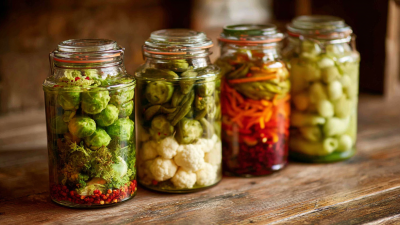
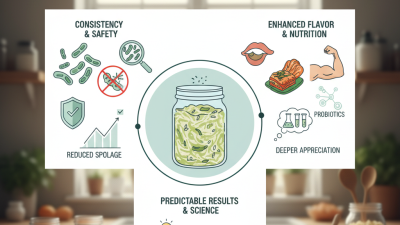
Lately, it seems like everyone’s talking about fermented veggies. It’s no surprise, really—more folks are becoming super curious about gut health and natural ways to preserve food. I saw a report from Grand View Research in 2022, and it mentioned that the worldwide market for fermented foods could hit a trillion bucks by 2027. That just goes to show how much people want Probiotics in their diets! When you’re making your own fermented vegetables at home, picking the rightVegetable Fermentation Starter can really make all the difference—getting that flavor and texture just right is often a matter of good ingredients.
A lot of folks starting out tend to overlook how important having a good quality starter is. Some might try to let natural bacteria just do their thing, but honestly, that can lead to inconsistent results—frustrating, right? From my experience, using a dependable Vegetable Fermentation Starter can really level up your game. Brands like Fermentaholics and Cultures for Health are pretty popular because they tend to give more predictable fermentation results. Still, it’s all about understanding what each starter offers and figuring out what fits your style and recipes best.
Now, some starters claim you’ll see quick results, while others take a bit longer but provide richer, more complex flavors. For beginners, that can be a little confusing or even discouraging. Honestly, understanding the different microbial profiles can seem overwhelming at first. So, it’s a good idea to think about what you’re actually aiming for in your fermentation journey—are you after a quick snack or a deep, layered flavor? Remember, mastering vegetable fermentation isn’t just about being precise; it’s also about having fun and exploring different methods along the way.
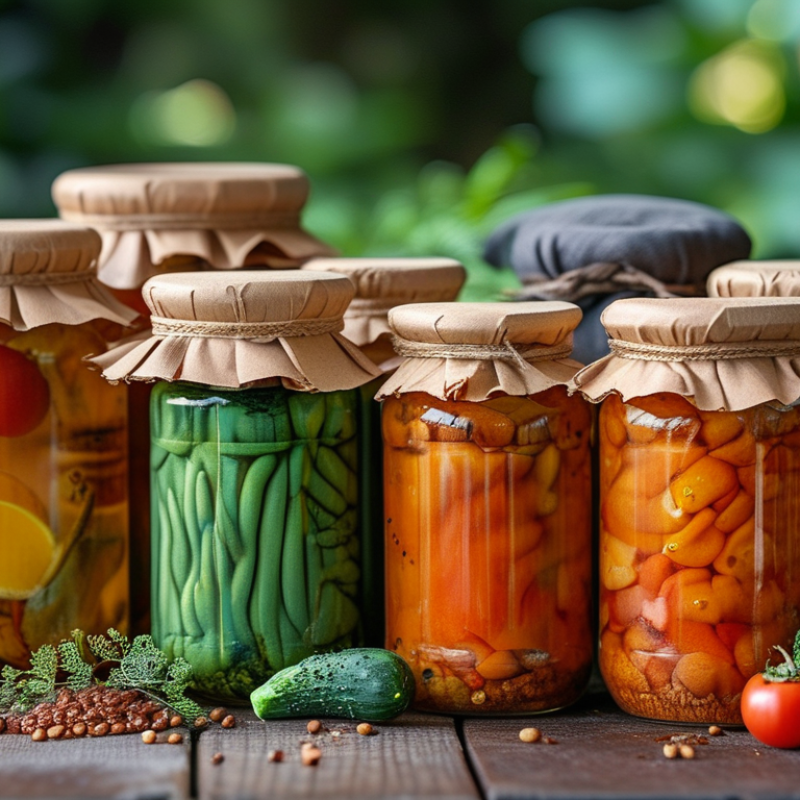
Understanding Vegetable Fermentation and Its Benefits
Vegetable fermentation is a fascinating process that transforms fresh produce into nutritious and flavorful foods. This technique not only preserves vegetables but also enhances their health benefits. Fermented vegetables contain probiotics, which support gut health and improve digestion. According to a report from the Journal of Food Science, fermented foods can increase the bioavailability of nutrients, making them easier for the body to absorb.
Choosing the right Starter Culture is crucial for successful fermentation. For beginners, using store-bought starter cultures can provide a consistent and reliable result. However, some enthusiasts prefer to create their own using natural methods. This route can lead to unique flavors and microbial diversity. Ensuring that your vegetables are fresh and of high quality will also enhance the final product.
As you pick a fermentation starter, consider experimenting with different vegetables. Not all vegetables ferment the same way. For instance, cabbage ferments well due to its high natural sugar content. Carrots can offer a crunchier texture. Keep a fermentation journal to track flavors and results. This will help refine your technique over time. Remember, there’s always room for adjustment and exploration in the world of fermentation.
Factors to Consider in Choosing a Fermentation Starter
When selecting a vegetable fermentation starter, several key factors can significantly impact your results. One critical aspect is the strain of microorganisms present in the starter. Research indicates that diverse microbial profiles can influence flavor, texture, and preservation (Journal of Food Science, 2020). A solid choice may include varieties like the Caldwell Vegetable Starter Culture, known for its ability to promote robust fermentation.
Consider freshness and viability as essential factors. A starter culture should ideally be used before expiration dates. Studies show that cultures aged beyond their shelf life can lead to inconsistent fermentation results (Food Microbiology, 2021). Additionally, the intended vegetable type plays a role; different strains might perform better with specific vegetables. For instance, some cultures thrive with cabbage, while others suit cucumbers better.
Another point to reflect on is the process of experimentation. Beginners may find it daunting to choose the right starter. However, trying different starters can lead to distinct flavors and textures. It’s valuable to keep notes on your experiences. Failures can teach lessons about balance and ratios that are crucial in fermentation science. This iterative trial-and-error process can enhance your overall fermentation skills.
Types of Vegetable Fermentation Starters Available
When selecting a vegetable fermentation starter, consider the available types of starter cultures. Various options exist, each influencing the fermentation process differently. Some starters, like pre-made cultures, are specifically designed for enhancing flavors and textures in your vegetables. These cultures often contain specific strains of bacteria. Professional fermenters depend on these selections to ensure consistency in their products.
In a recent industry report, nearly 70% of home fermenters preferred using a Fermented Vegetable Starter Culture over wild fermentation. This trend highlights the demand for predictable results. Pre-packaged starters offer an easy solution for beginners. They deliver targeted results, reducing the uncertainty often associated with wild fermentation. However, experimenting with wild cultures can yield unique flavors. Many seasoned fermenters advocate for this approach, although it isn't remarkably reliable.
Additionally, some starter cultures focus on probiotics, helping improve gut health. According to studies, fermented vegetables can contain up to ten times more probiotics than fresh vegetables. These benefits may encourage you to choose starters with high probiotic content. Remember, while packaged starter cultures give reliable outcomes, every fermenting experience will present its challenges. Reflecting on your methods is crucial for future successes in vegetable fermentation.
Evaluating the Quality of Fermentation Starters
When evaluating the quality of fermentation starters, it’s crucial to look for live cultures. These cultures are the lifeblood of your fermentation process. You want starters rich in various strains. Different bacteria offer unique flavors and health benefits. Not all starters provide the same results. Some may lead to bland or overly sour outcomes.
Packaging can be telling. If a starter is poorly sealed, it might indicate reduced potency. Check for a valid expiration date. Freshness is vital for successful fermentation. Consider sourcing from reputable suppliers. Research their fermentation processes. Transparency about ingredients is essential, too. Inquire about any additives or preservatives.
Performing small test batches can help assess starter quality. Monitor the fermentation closely. Take notes on flavor, texture, and aroma. Don’t hesitate to experiment. Improvisation can lead to unique results. If a batch fails, analyze what went wrong. Understanding these factors aids in refining your choice of starters.
Top Tips for Choosing the Best Vegetable Fermentation Starter
| Criteria | Description | Examples |
| Microbial Diversity | A good starter should contain a variety of beneficial microorganisms to ensure successful fermentation. | Lactic Acid Bacteria, Yeasts |
| Freshness | Check the expiration date and appearance to ensure the starter is fresh. | Check packaging date |
| Ease of Use | Choose starters that are easy to use, with clear instructions for beginners. | Pre-measured packets |
| Reputation | Research the brand's reputation and reviews from other users. | Online reviews, community forums |
| Nutritional Content | Consider starters that provide additional health benefits, like probiotics or vitamins. | Probiotic strains, added nutrients |
| Cost | Find a balance between quality and price; expensive does not always mean better. | Price comparison |
Importance of Freshness in Fermentation Ingredients
Freshness is essential in fermentation, particularly when selecting a Vegetable Starter Culture. The quality of ingredients impacts the fermentation process and final flavor. Studies show that fresh vegetables maintain higher levels of nutrients and natural sugars. These factors play a crucial role in the development of beneficial bacteria. Freshness also helps reduce unwanted spoilage organisms. Using ingredients harvested within 24 hours can significantly enhance your fermentation outcomes.
Many fermentation enthusiasts overlook the importance of fresh spices and herbs. They contribute flavors and health benefits. A report from the Journal of Food Science indicates that fresh herbs have up to 50% more volatile compounds than dried versions. These compounds can stimulate fermentation activity. When selecting a Vegetable Starter Culture, consider the source of your vegetables and herbs. Locally sourced items are often fresher and more flavorful.
However, personal experiences can vary. Sometimes, fresh ingredients may introduce unwanted flavors or competing bacteria. Maintaining a consistent environment for the fermentation process can help mitigate these issues. Understanding the role of freshness can elevate your fermentation game, ensuring vibrant flavors and textures. Choose wisely, and let freshness guide your fermentation journey.
How to Test the Effectiveness of a Starter Culture
Testing the effectiveness of a fermentation starter culture is crucial. Not all starters produce the desired results. Research has shown that different strains of bacteria can impact the flavor and fermentation speed. For instance, Lactic Acid Bacteria (LAB) like Lactobacillus plantarum are often recommended. In comparison studies, LAB producers resulted in a higher quality of fermented vegetables, with a 30% increase in probiotic content.
To assess your starter's effectiveness, a sensory evaluation can be performed. Look for changes in smell and taste. A good starter should produce a tangy flavor within a few days. Also, consider measuring pH. A decrease in pH indicates fermentation is occurring. Studies indicate that effective fermentation should reach a pH of around 4.6 within a week. This level prevents spoilage and ensures a safe product.
Another method involves counting viable cell numbers. This often requires lab equipment. Monitoring cell growth helps in understanding how active a culture is. Many home fermenters lack access to this technology. It's essential to learn from each fermentation batch. Reflecting on what works and what doesn't will help in refining your fermentation technique. Adapting your methods based on these observations guides you toward success.
Tips for Using Starters in Home Vegetable Fermentation
When using starters in home vegetable fermentation, it's essential to understand their role in the process. A good fermentation starter contains a healthy mix of lactic acid bacteria, which help preserve vegetables. Research shows that using a starter can enhance flavor, texture, and nutritional value. For example, the Caldwell Fermentation Starter is noted for creating vibrant and probiotic-rich ferments.
Selecting the right environment for fermentation is also crucial. Temperatures between 65°F and 75°F are ideal for most vegetable ferments. If the environment is too cold, the fermentation may slow down. Too warm, and unwanted bacteria could thrive. Monitoring these conditions can make a significant difference.
While starters like Caldwell do offer convenience, remember that every batch might yield different results. Variability is part of the fermentation journey. Factors such as vegetable type and humidity can alter outcomes. Don’t be discouraged if a batch doesn’t turn out perfectly. Each attempt provides valuable lessons. Embrace the process; it often leads to better understanding and improved techniques over time.
FAQS
: Fermentation starters are products containing live cultures essential for the fermentation process.
Live cultures are the lifeblood of fermentation, providing unique flavors and health benefits.
Check for live cultures, proper sealing, and a valid expiration date for quality assessment.
Poorly sealed packaging may indicate reduced potency; fresh starters are crucial for success.
Yes, performing small test batches allows you to monitor flavor and texture, leading to unique results.
An ideal temperature range is between 65°F and 75°F for most vegetable ferments.
If a batch fails, analyze what went wrong; it’s part of the learning process.
No, results can vary due to factors like vegetable type and humidity; embrace the variability.
Lactic acid bacteria help preserve vegetables and enhance their flavor, texture, and nutrition.
Yes, inquire about additives or preservatives; transparency is essential for quality.
Conclusion
When choosing the best Vegetable Fermentation Starter, it's essential to understand the process of vegetable fermentation and its numerous benefits, such as enhanced flavor and improved gut health. Factors to consider include the starter's compatibility with different vegetables, ease of use, and the desired fermentation speed. Various types of starters are available, ranging from commercial cultures to natural methods, each offering unique advantages.
Evaluating the quality of a fermentation starter involves checking its freshness and ingredients, as these directly impact the fermentation process. It's also advisable to test the effectiveness of a starter culture through small batch experiments. By following these tips and understanding how to effectively use starters in home vegetable fermentation, enthusiasts can create delicious and nutritious fermented vegetables to enjoy.