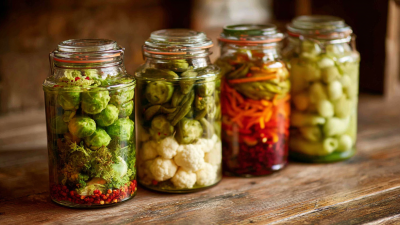
Fermentation has really made a comeback in the food world recently. I mean, if you look at what folks are doing at home, especially with pickling and fermenting, it’s pretty amazing. According to the National Center for Home Food Preservation, more than 30% of households in the U.S. are now into it—that’s quite a chunk! What draws people in, I think, is the combo of eating healthy stuff and adding awesome flavors to your meals. Using a Vegetable Fermentation Starter is pretty much essential if you want to get the hang of this old-school craft.
These starters give you steady results and are great for encouraging the growth of Good Probiotics. They usually contain specific strains of beneficial bacteria, which makes your fermented foods not only tastier but also healthier. In fact, some studies say that foods fermented with these specially chosen starters can have up to three times more probiotics than ones made with just traditional methods. But here’s the thing—not all starters are created equal. Some might be missing the right mix of cultures you need to really get a good fermentation going. So, picking the right one and knowing what you’re doing really matters.
Of course, many people love the process—there’s something kinda satisfying about watching jars bubble away. But don’t be surprised if your first try doesn’t turn out perfect. A tiny mistake can throw off the flavor or make the texture kind of weird. It’s all part of learning, though! Just dive in with your Vegetable Fermentation Starter, and try to enjoy the journey. Every jar you make is a chance to learn something new, so don’t get discouraged if it’s not perfect right away.
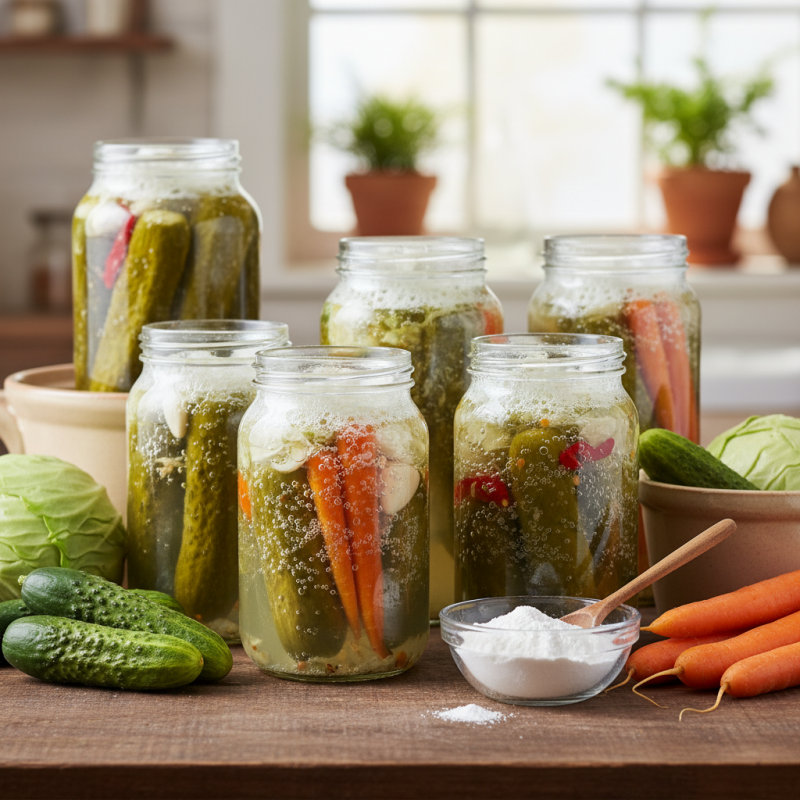
Understanding Vegetable Fermentation Starters
Vegetable fermentation starters play a crucial role in making perfect pickles. Understanding these starters helps you create delicious, probiotic-rich foods at home. A staggering 80% of people who use fermentation starters report higher satisfaction with their pickles. This is likely due to the complexity they add to flavor profiles.
When choosing a starter, consider options like the Caldwell Vegetable Starter Culture. It’s designed to enhance the taste while ensuring proper fermentation. Knowing the right bacteria to cultivate is essential. Many beginners struggle with balance, leading to overly sour or bland outcomes. You may experiment with different amounts of starter, adjusting for your unique preferences.
**Tips:** Use clean jars and utensils to prevent unwanted bacteria. Keep the fermentation environment stable. If you notice unusual odors or colors, rethink your process. Trust your senses; they guide you well. Allowing the pickles to ferment for varied times can yield surprising results. You might find a sweet spot that delights your taste buds.
How to Use Vegetable Fermentation Starter for Perfect Pickles? - Understanding Vegetable Fermentation Starters
| Starter Type | Optimal Vegetables | Fermentation Time | Flavor Profile | Nutritional Benefits |
| Culture Blend A | Cucumbers, Green Beans | 5-7 days | Crisp, Tangy | Probiotics, Vitamins A & K |
| Culture Blend B | Carrots, Radishes | 7-10 days | Sweet, Spicy | Beta-Carotene, Antioxidants |
| Culture Blend C | Beets, Cabbage | 10-14 days | Earthy, Sour | Iron, Fiber |
| Culture Blend D | Garlic, Peppers | 5-8 days | Spicy, Pungent | Antimicrobial, Nutrients |
Choosing the Right Vegetables for Pickling
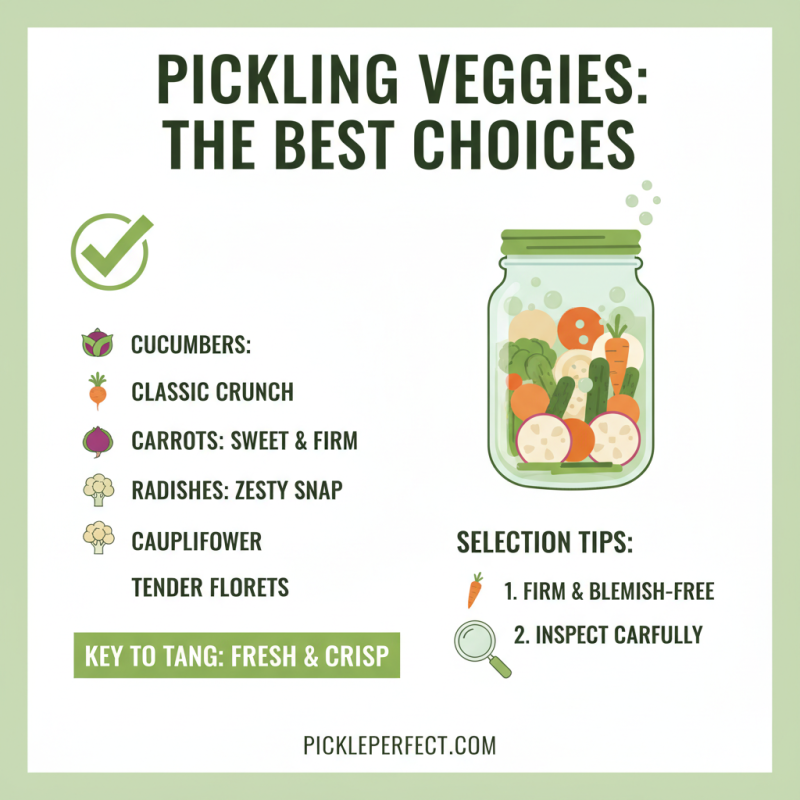
Choosing the right vegetables for pickling is crucial for achieving that perfect tang. Fresh, crisp vegetables work best. Cucumbers are a classic choice, but don’t overlook carrots, radishes, or cauliflower. Each vegetable brings its unique flavor and crunchiness. Make sure they are firm and blemish-free. Inspect them carefully.
Using a Fermented Vegetable Starter Culture can elevate your pickles. It introduces beneficial bacteria that enhance the fermentation process. But, be cautious. Not every vegetable ferments well. For example, leafy greens can become slimy, leading to disappointment. Carrots may need extra attention to maintain their crunch.
Sometimes, you might find your pickles too salty or not tangy enough. Adjust the brine next time to find your perfect balance. Experimentation is key. Pay attention to each batch. Document what works and what doesn’t. The journey to the perfect pickle is about trial and error. Enjoy the process!
Preparing Your Vegetables for Fermentation
When preparing your vegetables for fermentation, freshness is key. Choose vibrant, organic vegetables, free from blemishes. Inspect each piece carefully; a small brown spot can spoil the batch. Wash them under cold water, ensuring all dirt and impurities are removed. Pat them dry gently, as excess water can dilute the flavors.
Cut the vegetables into uniform pieces. This ensures they ferment evenly. For example, slice cucumbers into spears or rounds, depending on your preference. However, avoid cutting them too small; they may become mushy. Consider using a Vegetable Starter Culture to kickstart the fermentation process. It enhances flavor and helps develop the right texture.
Brine is another critical component. A mixture of salt and water creates the ideal environment for fermentation. Use the right salt concentration; too little won't prevent spoilage, while too much can overpower the taste. After you've combined everything in a clean jar, make sure there's enough liquid to submerge the vegetables. This prevents them from floating and ensures an even fermentation. Fermentation requires patience; if something looks off, don’t hesitate to adjust your methods for better results next time.
How to Select and Use Fermentation Starter Cultures
When selecting a fermentation starter culture, consider the type of vegetables you will pickle. Different starters work better with specific vegetables. For example, cucumbers thrive with lactic acid bacteria. According to industry reports, using a quality starter like Caldwell Fermentation Starter improves flavor and texture. The right culture can also enhance probiotic content, making your pickles not only tasty but also nutritious.
Tips: Always check the expiration date on starter packets. A fresh starter ensures effective fermentation. Experimenting with different vegetables can yield surprising results, but note that not all combinations are successful. Some may produce overly salty or mushy pickles. Keep a fermentation diary to track what works best.
Ensure good storage conditions. Temperature is crucial; a cooler environment slows fermentation. Conversely, a warmer area speeds it up. The goal is to achieve that perfect balance. If your pickles turn out unexpectedly sour, it may be time to reevaluate the starter or process. Learning from imperfections is key in refining your pickling skills.
Step-by-Step Guide to Fermenting Vegetables
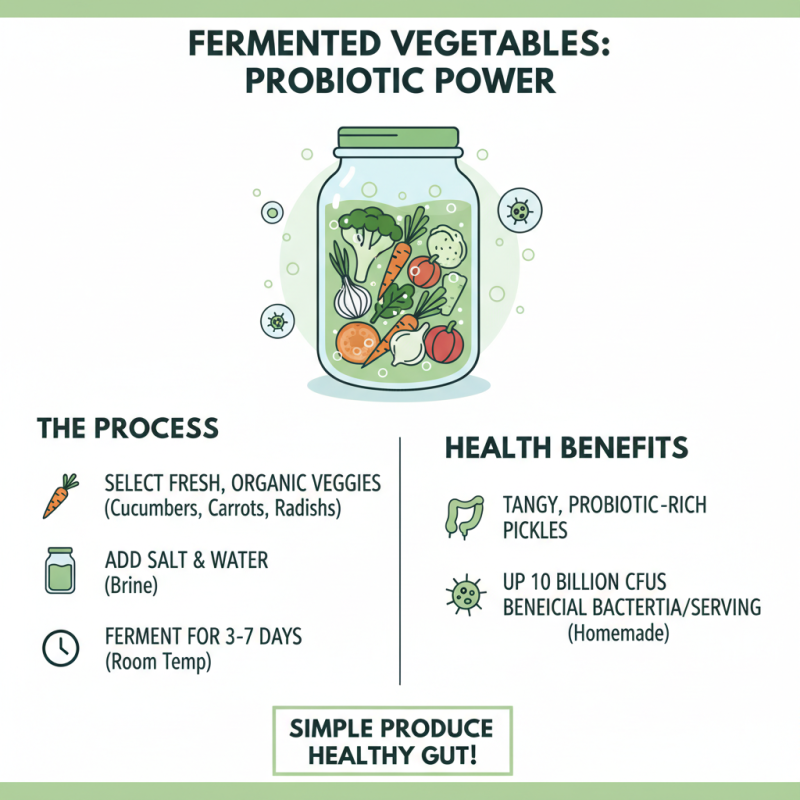
Fermenting vegetables can transform simple produce into tangy, probiotic-rich pickles. The process begins with selecting fresh, organic vegetables. Cucumbers, carrots, and radishes are popular choices. A recent study indicates that homemade fermented foods can contain up to 10 billion CFUs (colony-forming units) of beneficial bacteria per serving. This is significantly higher than many store-bought options.
The next step is to prepare a saltwater brine. This ratio is crucial. A common suggestion is 2-3 tablespoons of salt per quart of water. Salt concentration affects fermentation speed and flavor development. Too little salt can lead to spoilage, while too much can hinder good bacteria growth. It’s a delicate balance. Monitoring changes in taste and texture is important throughout the fermentation process.
Choosing a fermentation starter can enhance flavors. While many skip this step, it can accelerate fermentation and improve results. However, some may find this method intimidating. It’s perfectly okay to experiment and learn from mistakes. Not every batch will be perfect, and that’s part of the journey. Keeping a journal of successes and failures can help refine your process.
Monitoring the Fermentation Process for Optimal Results
Monitoring the fermentation process is crucial for making perfect pickles. Fermentation occurs when beneficial bacteria convert sugars into lactic acid. This acid not only preserves vegetables but also enriches their flavor. According to the Institute of Food Technologists, optimal fermentation happens when temperatures range from 60°F to 75°F. It’s essential to maintain this temperature. Too hot or too cold can lead to spoilage or undesirable flavors.
Regularly checking the brine is vital. The brine should be cloudy but not scummy. Cloudiness indicates active fermentation. However, excessive scum can suggest unwanted bacteria. It's recommended to taste the pickles every few days. This helps gauge their development. Flavors should balance—sour yet retaining some sweetness. If the pickles taste off or overly bitter, adjust conditions.
Be mindful of the fermentation vessel. Glass or food-grade plastic is best. Metal can react with the brine and change flavors. It's also important to ensure the vegetables are fully submerged. If not, they may spoil. Remember, even small variations in ingredients or conditions can lead to imperfect results. Experience and observation are key. Each batch teaches something new.
Storing and Enjoying Your Perfect Pickles
Storing your perfect pickles can be an art. Once you’ve fermented them, let them cool to room temperature. Use clean, dry jars to store your pickles. Avoid using jars that might retain moisture. This can lead to spoilage. Fill the jars, leaving some headspace to allow for expansion.
Now, think about where to place your jars. A cool, dark spot is ideal. A basement or pantry works well. Light and heat can spoil the flavors. Occasionally check your pickles. Look for signs of mold or off smells. If something feels off, it’s best to discard them.
When it comes time to enjoy, the texture should be crispy. The taste should pop with tang. Pair your pickles with sandwiches or salads. But remember, not every batch will be perfect. Some may be too sour, while others might lack crunch. Reflect on your process and adjust for next time. Cooking is about experimenting and learning.
The Impact of Lactic Acid Bacteria Fermentation on Health: Insights from Recent Industry Reports and Trends
Recent industry reports have shed light on the profound impact of lactic acid bacteria fermentation on human health. This age-old practice, harnessed in various culinary traditions, has gained traction in modern health discussions, particularly due to its probiotic properties. Lactic acid bacteria, naturally found in fermented foods such as yogurt, sauerkraut, and kefir, play a crucial role in gut health by promoting the growth of beneficial microorganisms. This process not only enhances digestion but also contributes to a balanced microbiome, which is essential for overall well-being.
Emerging trends indicate a rising consumer interest in fermented products, driven by their perceived health benefits. These include improved immunity, enhanced nutrient absorption, and potential mental health benefits linked to gut-brain interactions. Additionally, the fermentation process often leads to the production of bioactive compounds, such as vitamins and antioxidants, which can further support health. As more people seek functional foods that offer therapeutic advantages, lactic acid bacteria fermentation stands at the forefront, reshaping our approach to nutrition and wellness.
FAQS
: These products can be used for various functions, like household cleaning or personal care routines.
Yes, always read labels. Some products may cause skin irritation or allergic reactions.
Store in a cool, dry place. Keep out of reach of children and pets.
Mixing products is risky. Always check compatibility to avoid harmful reactions.
Stop usage immediately. Rinse the affected area with water and seek medical advice if severe.
Some products focus on sustainability. They may use natural ingredients or recyclable packaging.
Follow the instructions on the label. It’s vital for safety and effectiveness.
Yes, many have expiration dates. Using them past this date can reduce efficacy.
You can often find instructions online. It’s helpful to keep a digital copy for future reference.
Many retailers allow returns, but check specific policies. It varies by location and product type.
Conclusion
This article provides a comprehensive guide on using Vegetable Fermentation Starter to create perfect pickles. It begins by explaining the role of fermentation starters in enhancing the flavor and texture of pickled vegetables. It emphasizes the importance of selecting the right vegetables, followed by proper preparation techniques to ensure successful fermentation.
The guide outlines how to choose and utilize fermentation starter cultures effectively. Through a detailed step-by-step process, readers are instructed on fermenting vegetables while also monitoring the fermentation for optimal results. Finally, the article covers storage methods and enjoying the delightful flavors of homemade pickles, ensuring a rewarding fermentation experience.