Leave Your Message
0%

When it comes to China’s probiotic market, you'll find it made up of manufacturers, ingredient suppliers, and trading companies that focus on exporting. If you're shopping around for the top Probiotic Solid Drinks suppliers, just knowing the company name isn’t enough. What really matters are the product details, proper documentation, and how easy it is to communicate with them.

A good way to gauge a supplier’s credibility is by starting with the product itself. Ask questions like: What Probiotic Strains are included? How do they determine the viable counts? Can they provide batch-specific test reports? Also, keep an eye on the serving size, recommended storage conditions, and whether the packaging can protect against moisture. For example, a powder sachet should stay dry and be easy to reseal—that’s small stuff, but it can make a big difference in quality. Definitely request a sample to see how it tastes, feels, and disperses in water—don’t just rely on their glossy brochure.

Reliable suppliers should be transparent about their quality control processes and be ready to share relevant certificates or documentation. It’s smart to double-check that what’s in the paperwork matches the actual product and manufacturing location—don't just take their marketing claims at face value. Also, ask about minimum order quantities, lead times, options for customization, and their experience with export. If the product is meant for a specific market, it's wise to verify those local regulations with the help of qualified professionals.

Remember, the way a supplier answers detailed questions can tell you a lot—though it’s not a guarantee on its own. Things can change quickly, and public info might not tell the full story, so a little caution goes a long way. This guide is here to help you get practical insights for assessing Chinese suppliers of Probiotic Solid Drinks, so you can build a shortlist based on real details, not just promises.
China Top Probiotic Solid Drinks Suppliers?

What Are Probiotic Solid Drinks?

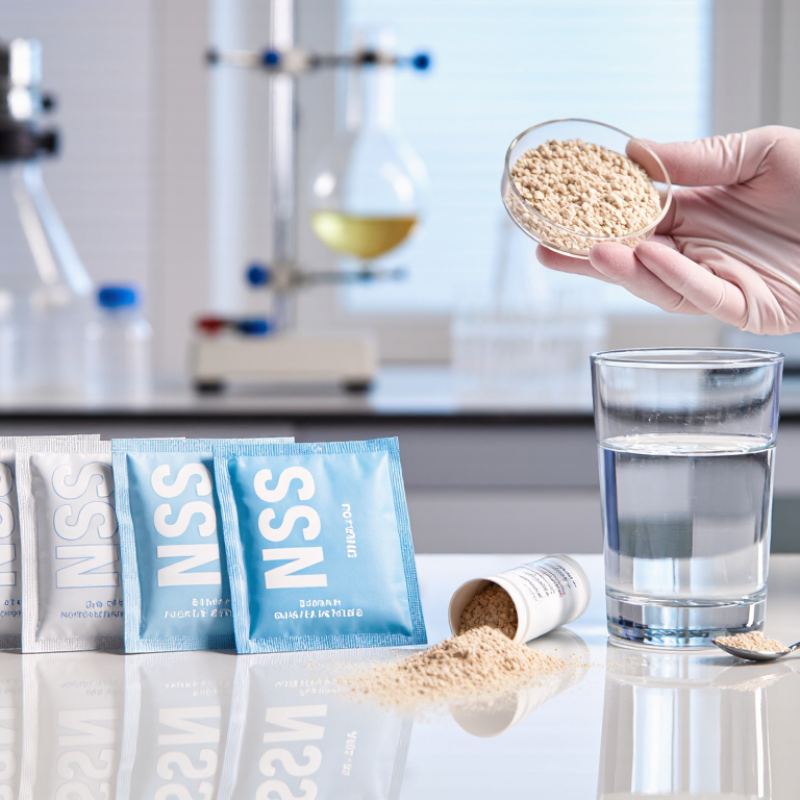
Probiotic solid drinks are dry products containing live microorganisms intended to support a balanced gut microbiome. They may come as sachets, granules, or powders that dissolve in water or another beverage. Some formulas include only probiotic cultures; others add fiber, flavorings, or nutrients. The exact ingredients matter. A label should identify the microorganism strains and state the viable count, often in colony-forming units. Check whether that count applies through the stated shelf life, not only at production.

Dry formats can be convenient. A packet fits in a bag, and preparation usually takes a moment. Still, moisture, heat, and storage conditions can affect living cultures, so keep the product sealed and follow its label. Not all strains have the same research behind them, and benefits observed for one strain may not apply to another. That distinction is easy to miss. The phrase “Simply Probiotic Bacillus Coagulans Probiotic Powder” can describe a powder centered on Bacillus coagulans, but the strain and supporting evidence should be checked rather than assumed. I would also look for clear directions on mixing and storage; vague labels make comparison harder. Probiotic drinks are not a guaranteed fix, and individual responses can differ.

How China’s Probiotic Solid Drink Market Is Organized

China’s probiotic solid-drink market is organized around three connected layers: culture and ingredient suppliers, contract manufacturers, and sellers managing product positioning and distribution. Suppliers provide probiotic strains, carriers, and stabilizing ingredients. Manufacturers blend these with powders such as fruit, dairy, or plant-based ingredients, then handle filling and quality checks. The boundary between these roles can be blurry; some manufacturers also develop formulations, while some sellers source finished products.

The wider category is growing, but its figures need careful reading. Grand View Research estimated the global probiotics market at USD 87.7 billion in 2023; that figure covers multiple product formats, not China’s solid drinks alone. For buyers, this means market-wide growth does not prove that a particular powder has strong demand. Check strain identification, viable-cell counts through shelf life, moisture control, and batch testing. A neat label is not enough.

Tips: Ask suppliers for strain-level documentation and stability data from the finished product, not just the raw culture. Compare the serving size with the stated viable count. Then test how the powder dissolves in a real cup of water. Small details matter.

Which Types of Suppliers Serve This Market?

China’s probiotic solid drink market includes several supplier types. Direct manufacturers develop and produce powders in their own facilities. They may offer blending, sachet filling, and batch testing under one roof. Ask which steps are performed in-house. It matters.

Private-label and contract manufacturers serve buyers who need a ready formula or custom production. Some can adjust flavor, sweetener, and carrier ingredients. Others mainly package an existing blend. A product described as 11 Strain Probiotic Powder still needs clear strain identification and evidence supporting its stated viable count. Request sample specifications, testing methods, and shelf-life data before comparing quotations.

Ingredient distributors supply probiotic cultures and other formulation components to beverage makers. They can be useful for smaller projects, but coordination between ingredient sourcing and final production may take extra time. Export-focused suppliers may also help with documents, shipping, and packaging specifications. Look closely at moisture protection: a powder sachet can face heat and humidity during storage or transit. Good suppliers should explain their quality checks and provide consistent records. One detail can be missed: a low price means little if batch results are difficult to verify. Ask practical questions, then judge the answers against the product’s actual needs.

How to Evaluate China’s Leading Suppliers

When evaluating China’s leading probiotic solid drink suppliers, look beyond a polished catalogue. Ask for strain identification records and test results showing viable counts at the end of shelf life, not only at production. Request recent batch documents and check that product specifications match the sample you receive. Details matter.

Review how the supplier manages moisture, heat, and packaging. A powder can look uniform in a jar but clump after weeks in a humid warehouse. Ask about barrier films, seal checks, storage conditions, and stability testing. The answers should be specific. A pilot order can reveal whether flavor, texture, and mixing performance stay consistent across batches. It may also expose gaps a brochure misses. Request independent testing when practical, and confirm the laboratory’s methods and sample handling. Clear records help.

Assess communication, too. Do staff answer technical questions directly, or send vague assurances? Ask who handles quality issues and how deviations are recorded. A checklist cannot catch every mismatch; I would still compare documents with a retained sample. Be cautious of unusually strong health claims or guarantees. Solid evidence is more useful than confident sales language.

China Top Probiotic Solid Drinks Suppliers? - How to Evaluate China’s Leading Suppliers

A practical buyer-side scorecard for comparing suppliers of probiotic solid drinks. The suggested weights are evaluation priorities, not verified market rankings or supplier performance data.

Evaluation Dimension What to Check Evidence to Request or Verify Suggested Weight Score
Regulatory and product compliance Confirm the product’s food category, manufacturing authorization, applicable Chinese requirements, and label information for the intended market. Check the supplier’s food production license and its scope; review product specifications and labels. Confirm the current editions and applicability of relevant standards, which may include GB/T 29602 for solid beverages and GB 7101 for beverages. 20% 0–5
Strain identity and documentation Verify that each probiotic strain is clearly identified and traceable. A species name alone may not identify the specific strain used. Request strain-level identification, supplier documentation, strain specifications, and traceability records linking the strain to the finished product. 15% 0–5
Viable count through shelf life Assess whether the declared viable count is supported through the product’s stated shelf life, not only at the time of manufacture. Review batch test results and stability data for the finished formula in its proposed packaging and storage conditions. Confirm the measurement unit and test time point. 15% 0–5
Testing and laboratory controls Check whether testing covers relevant identity, microbiological, composition, and quality requirements for the product and destination market. Request recent product-specific test reports, methods, sampling details, and laboratory information. Verify the scope of any claimed laboratory accreditation; accreditation alone does not establish product compliance. 15% 0–5
Food safety management Evaluate controls for ingredient acceptance, hygiene, process monitoring, allergen handling, foreign-material prevention, and traceability. Review relevant audit reports, hazard-control procedures, batch records, recall procedures, and any valid certifications. Confirm that certifications cover the actual site and product scope. 10% 0–5
Formulation and process capability Assess experience with probiotic powders and the ability to manage moisture, heat exposure, blending uniformity, and packaging requirements. Request product specifications, process-flow information, sample evaluation results, and evidence that proposed manufacturing conditions are suitable for the selected strains and formula. 10% 0–5
Packaging and shelf-life support Check whether packaging and storage recommendations are supported by stability evidence for the specific product. Review packaging material specifications, storage instructions, shelf-life rationale, and stability results under stated conditions. Confirm protection needs for moisture, oxygen, and temperature where relevant. 10% 0–5
Export and communication readiness Determine whether the supplier can support the target market’s documentation, labeling review, order requirements, and change control. Request an export document checklist, sample technical documents, a written change-notification process, and clear confirmation of minimum order quantity and lead time. 5% 0–5

Scoring guide: Score each dimension from 0 to 5 (0 = no acceptable evidence; 3 = basic evidence with gaps; 5 = complete, consistent, and verifiable evidence). Calculate the weighted result as each score divided by 5 and multiplied by its suggested weight. Verify current regulatory requirements for the product type and destination market before placing an order.

What Manufacturing and Quality Standards Should Buyers Check?

When assessing China-based probiotic solid drink suppliers, look beyond a polished factory tour. Ask whether the production site follows documented GMP procedures and a food safety system such as HACCP or ISO 22000. Check that certificates cover the actual facility and product scope. Small detail, big difference. Request batch records showing strain identity, viable count, and testing dates. The stated CFU count should apply through the product’s shelf life, not only when it leaves the factory. Review independent lab reports for relevant microbial and contaminant tests, and confirm how samples are tied to each production batch.

Powder handling deserves close attention. Probiotic cultures can lose viability when exposed to moisture, heat, or oxygen, so ask about humidity controls, storage conditions, and packaging barrier tests. A foil sachet may look reassuring, but the evidence matters more. Request stability data from the finished formula and clarify whether testing reflects realistic transport conditions. If researching “Acidophilus Probiotic Español,” check that strain names and dosage details remain consistent across translated labels and technical documents. Compare the label with the certificate of analysis, and ask how deviations are recorded. Documents can be incomplete; that should prompt careful follow-up, not an automatic rejection.

How to Compare Products, Pricing, and Export Support?

When comparing China-based probiotic solid drink suppliers, request the strain name, viable count at expiry, serving size, and stability data—not just the count at manufacture. FAO/WHO’s 2002 Guidelines for the Evaluation of Probiotics in Food cover four key areas: strain identification, safety, functional evidence, and labeling. Ask suppliers for documentation covering these points, plus a recent certificate of analysis. Compare cost per serving and per viable dose. A low price can still be the wrong buy. Check whether the quote includes sachets, testing, and shipping; these costs can change the landed price.

Tips: Request samples from the same production batch as the quoted goods. Review powder flow, taste, and how it dissolves in cool water. Small details matter.

For export support, ask for product specifications, microbiological test results, shelf-life evidence, and help preparing shipment documents. Confirm packaging protects the powder from moisture during transit, and ask how the supplier monitors batch consistency. Requirements vary by destination, so verify local import and labeling rules independently. If the product is positioned alongside Acidophilus Probiotic Milk, clarify that the drink mix has its own documented strains and serving directions. A polished brochure is useful, but traceable records are stronger evidence.

Bifidobacterium animalis subsp. lactis KV9 Powder: Uses, Benefits, and Sourcing Guide

Bifidobacterium animalis subsp. lactis KV9 powder is a probiotic ingredient for use in products such as dietary supplements and selected food formulations. It can be incorporated into single-strain products or combined with lactobacilli and other bifidobacteria, depending on the intended application. Probiotic products are commonly developed to support digestive wellness, but benefits can vary by strain, dose, formulation, and individual; KV9 should therefore be used according to validated product specifications rather than broad assumptions about the species.

For manufacturers, stability and compatibility are important when selecting a probiotic powder. B. lactis is valued in commercial formulations for its relatively strong oxygen tolerance compared with some other bifidobacteria, which can help with processing and maintaining viable counts in suitable products. When sourcing KV9, buyers should review strain identity, viable-cell count, storage requirements, shelf-life data, and quality-control documentation. A capable supplier should also provide clear technical specifications and guidance on handling and formulation. A China-based factory and supplier focused on B. lactis solutions can serve manufacturers seeking consistent ingredient quality for dairy products, powders, capsules, or blended probiotic formats.

FAQS

What are probiotic solid drinks?

They are dry powders, granules, or sachets mixed into water or another beverage. Some contain added fiber or flavorings.

What details should I check on the label?

Look for named strains, serving size, and viable-cell count through the stated shelf life. A count at production alone may be misleading.

How should probiotic drink powders be stored?

Keep packets sealed and follow the storage directions. Heat and moisture can affect live cultures. Easy to overlook.

Do all probiotic strains offer the same benefits?

No. Research on one strain does not automatically apply to another. Individual responses can also differ, so expectations should stay modest.

How is the solid-drink supply chain organized?

Ingredient suppliers provide cultures and other materials. Manufacturers blend and pack them, while sellers handle positioning and distribution. Roles can overlap.

How can I compare products and prices?

Compare cost per serving and viable dose. Check whether the quote includes sachets, testing, and shipping. A low price can still disappoint.

What should I request from a supplier?

Ask for strain-level records, stability data for the finished product, batch testing, and a recent analysis certificate. Paperwork matters.

What should I test in a sample?

Try powder from the quoted production batch. Check its taste, flow, and how it dissolves in cool water. Real cups reveal small flaws.

What export details deserve attention?

Request product specifications, test results, shelf-life evidence, and shipment-document support. Confirm moisture-protective packaging and check destination requirements independently. I might still miss something.

Conclusion

Probiotic Solid Drinks are powdered beverage products designed to provide beneficial microorganisms in a convenient, shelf-stable format. China’s market includes specialized probiotic manufacturers, nutrition and health-product producers, contract manufacturers, and suppliers that focus on export-ready solutions. Each type may offer different strengths, such as formulation expertise, production capacity, customization, or support with packaging and international orders.

When evaluating suppliers, buyers should review manufacturing capabilities, quality-control procedures, product documentation, and applicable certifications. They should also ask how ingredients are selected, how probiotic viability is monitored, and what testing is performed for consistency and stability. A practical comparison of product specifications, minimum order quantities, pricing, lead times, packaging options, and export support can help identify a supplier that fits the intended market and purchasing needs. Clear communication and verifiable documentation are essential throughout the selection process.
Ethan

Ethan

Ethan is a dedicated professional at Zhongchuang Yike (Shanghai) Health Technology Co., Ltd., where he serves as a specialized marketer. With a profound understanding of the company's innovative health products, Ethan plays a vital role in communicating their core benefits and unique value to......
Previous Top Fermentation Agent Suppliers for Global Buyers