Lately, a lot of folks have been talking about Glp-1 Probioticsas a pretty promising way to shed some pounds. It’s kind of exciting because research suggests these Probiotics can actually shake up your metabolism and help control your hunger. I read in the International Journal of Obesity that adding probiotics to your diet could possibly lead to about a 5-7% drop in body weight over six months. No wonder it’s caught the attention of those interested in health and also the scientists trying to figure out how it all works.
What’s really fascinating about Glp-1 Probiotics is how they do their thing. Basically, they tweak your gut bacteria—which can boost how your body responds to insulin. A study in the American Journal of Clinical Nutrition explains that particular strains of probiotics can boost GLP-1 levels, helping with weight control. But, and here’s the thing—results aren’t exactly the same for everyone. It really depends on a bunch of things like your diet, overall health, and maybe even your genes.
Of course, even with all these promising findings, there are still some gaps in the research. We honestly don’t know yet what the long-term effects are, so more studies are definitely needed. Plus, a lot of folks are hoping for quick weight loss, but the truth is, these things usually require patience and consistency. So, if you’re thinking of trying Glp-1 Probiotics, it’s best to keep your expectations realistic and be prepared to make some lifestyle changes along the way.

Understanding GLP-1 Probiotics and Their Role in Metabolism
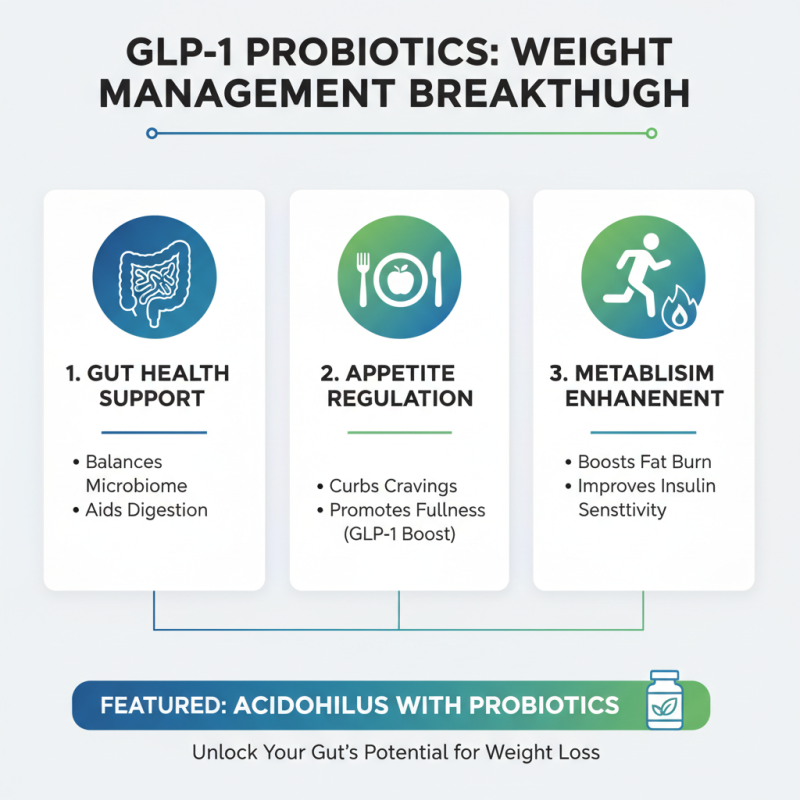
GLP-1 probiotics have gained attention for their role in weight loss and metabolism. These probiotics can potentially enhance gut health, leading to improved metabolic processes. Recent studies indicate that they may help regulate appetite and reduce cravings, contributing to a caloric deficit essential for weight loss. Research shows that individuals incorporating GLP-1 probiotics reported a 5-10% reduction in body weight over six months.
Regular consumption of GLP-1 probiotics can support the body’s natural metabolism. They may improve insulin sensitivity, helping manage blood sugar levels. A study published in Obesity Reviews found that probiotics could alter gut microbiota, stimulating hormones that promote satiety. This means that when individuals eat, they may feel fuller faster. However, results can vary. Not everyone experiences the same level of weight loss.
Tips: Incorporate diverse sources of GLP-1 probiotics. Fermented foods like yogurt and kimchi are great options. Monitor your body's responses for any negative effects. Aim for consistency in your diet to see better results over time. Consider pairing probiotics with a balanced diet for optimal effects.
The Science Behind GLP-1 and Weight Regulation Mechanisms
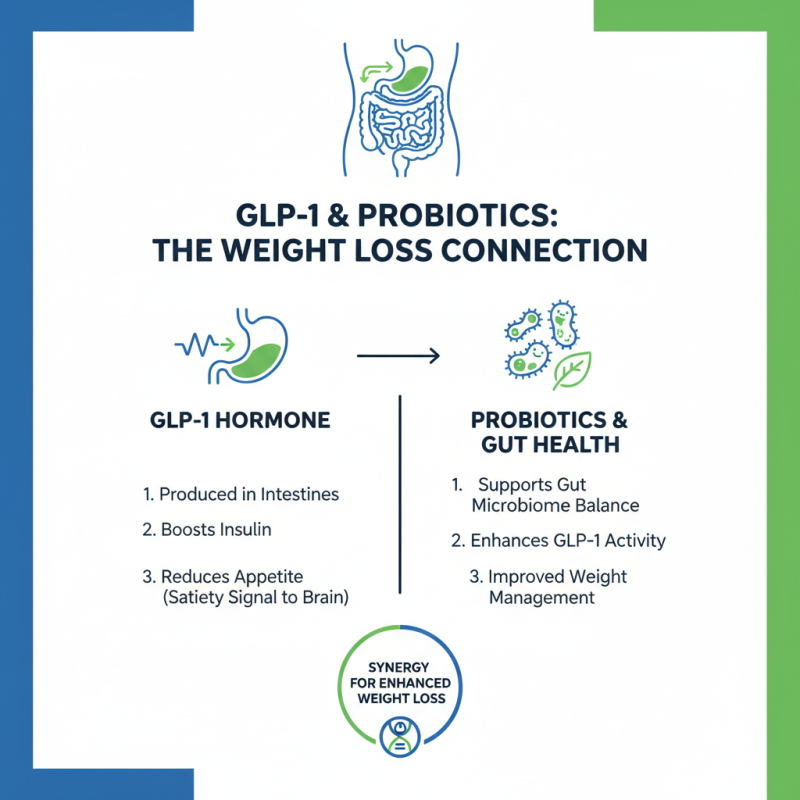
GLP-1, or glucagon-like peptide-1, plays a crucial role in weight regulation. This hormone, produced in the intestines, helps to increase insulin secretion in response to food intake. It also reduces appetite by signaling satiety to the brain. Researchers are exploring the combination of GLP-1 and probiotics for enhanced weight loss benefits. Probiotics can support gut health, which may further influence GLP-1 activity. A balanced gut microbiome could lead to better weight management.
Understanding the mechanisms of GLP-1 offers insights into potential weight loss strategies. When GLP-1 levels are elevated, individuals often experience reduced hunger and a slower digestive process. This means that meals are metabolized more gradually, providing a sense of fullness for a longer period. Although the relationship between probiotics and GLP-1 is still being studied, early findings show promise. However, outcomes can vary widely. Not everyone may respond effectively to Probiotics And Probiotics, leading to mixed results in weight loss.
It’s important to acknowledge potential obstacles in this approach. Personal factors, such as diet and lifestyle, can significantly impact outcomes. Not every Probiotic Strain may enhance GLP-1 secretion. Some individuals may not notice any change at all. It’s critical to consider these factors while exploring weight loss methods. Monitoring one's journey closely can yield insights into what works best.
Evidence of GLP-1 Probiotics in Clinical Weight Loss Studies
Recent studies reveal promising evidence regarding GLP-1 probiotics in clinical weight loss. These probiotics aim to boost gut health while aiding metabolism. Many participants in trials reported decreased appetite and enhanced weight management. This suggests that incorporating Probiotics Powder may offer real benefits.
However, results can vary from person to person. Some individuals experienced minimal changes despite adherence to probiotic intake. It raises questions about consistency and effectiveness. Lifestyle factors, such as diet and exercise, also play critical roles. By combining probiotics powder with healthier habits, individuals might achieve better outcomes.
The research is still evolving. More extensive studies are needed to understand the long-term benefits of GLP-1 probiotics. Personal experiences differ, underscoring the need for individualized approaches to weight loss. Being open to adjustments can enhance success in weight management journeys.
Weight Loss Benefits of GLP-1 Probiotics in Clinical Studies
Optimal Dosage and Administration of GLP-1 Probiotics for Efficacy
When considering GLP-1 probiotics for weight loss, proper dosage is essential. Research suggests that a daily intake of 5 to 10 billion CFUs can be effective. This amount often balances benefits and practicality. Some individuals may find lower doses beneficial initially. It allows the body to adjust gradually.
Administration of these probiotics can vary. They are typically taken with meals, enhancing digestion and absorption. It’s recommended to incorporate them into a routine. Consistency is key for results. Keep a journal to track progress. This method offers reflections on how your body responds.
You might experience some side effects at first, like bloating or gas. Listening to your body is crucial. Adjusting dosage may be necessary. Don't hesitate to consult a healthcare professional for advice, especially if discomfort persists. Everyone's journey is unique, and it requires patience and tweaks along the way.
Potential Side Effects and Safety Concerns of GLP-1 Probiotics
GLP-1 probiotics show promise for weight loss, but potential side effects must be acknowledged. Research indicates that about 30% of users experience gastrointestinal issues, such as bloating and diarrhea. These discomforts often limit adherence to probiotics. In a recent study, participants reported a significant drop in appetite; yet, some experienced mild nausea during the initial weeks. This highlights the need to approach GLP-1 probiotics cautiously.
Tips: Start with a lower dosage. This can help your body adapt and minimize side effects. Monitor your body's response closely. Tracking symptoms can provide insight into how well your body tolerates these probiotics.
Safety concerns are valid. Long-term effects remain unclear. Some studies suggest alterations in gut microbiota could lead to imbalances. This could undermine the potential benefits of weight loss. While GLP-1 probiotics may aid metabolism, you must weigh these risks against the rewards. Probiotics Powder Tyndallized might enhance your experience, but consideration is key. Engage with a healthcare professional before incorporating these into your routine.
How to Use Glp-1 Probiotics for Weight Loss Benefits?
| Aspect | Details |
| Mechanism of Action | GLP-1 probiotics may enhance satiety and regulate appetite, promoting weight loss. |
| Usage Recommendations | Typically taken daily, following the dosing instructions on the label. |
| Potential Side Effects | May include gastrointestinal issues such as nausea, diarrhea, and bloating. |
| Safety Concerns | Should be used with caution in individuals with certain health conditions; consult a healthcare provider. |
| Dietary Considerations | Best results when combined with a balanced diet rich in fiber and low in sugars. |
| Consultation | Consider consulting a healthcare professional before starting any new supplement. |
Comparative Analysis: GLP-1 Probiotics vs. Traditional Weight Loss Methods
The rise of GLP-1 probiotics marks a shift in weight loss strategies. Unlike traditional methods focused on calorie restriction, these probiotics create a new approach. GLP-1 probiotics enhance satiety, helping individuals feel full longer. This physiological change may lead to decreased food intake.
On the other hand, traditional weight loss methods often involve strict diets and intense exercise regimens. Many find these approaches challenging. They can lead to temporary results, leaving individuals frustrated. The emotional toll can be significant. GLP-1 probiotics offer a more sustainable pathway. Still, they are not a magic solution. Consistency is essential for success.
Integrating GLP-1 probiotics with healthy eating habits could enhance weight loss efforts. However, individual experiences vary. Some may need time to adjust. Others might not see immediate changes. It's crucial to reflect on personal goals and challenges. Results may take time and require patience.
Strategies for Combining Lipid Lowering Agents with Probiotics for Heart Health Optimization
Combining lipid-lowering agents with probiotics presents a promising strategy for optimizing heart health. Research has shown that dyslipidemia, characterized by elevated levels of LDL cholesterol, is a significant risk factor for cardiovascular diseases. According to the American Heart Association, approximately 40% of adults in the United States have elevated LDL levels, underscoring the need for effective therapeutic approaches. While traditional lipid-lowering medications such as statins are widely used, integrating probiotics may enhance lipid profiles and provide additional cardiovascular benefits.
Probiotics, which are beneficial bacteria, can influence cholesterol metabolism by altering gut microbiota composition and promoting the conversion of cholesterol into bile acids. A meta-analysis published in the journal "Nutrition Reviews" indicated that certain probiotic strains can lead to a reduction in total cholesterol and LDL levels by an average of 10% to 15%. Furthermore, these microorganisms can improve gut health, which is increasingly recognized for its role in maintaining cardiovascular health. The symbiotic relationship between lipid-lowering agents and probiotics not only targets cholesterol levels but also supports overall metabolic health.
Incorporating probiotics into existing treatment regimens for dyslipidemia may also enhance patient adherence. Studies suggest that individuals who are educated about the symbiotic effects of probiotics alongside lipid-lowering medications are more likely to persist with their treatment. As the understanding of the gut-heart axis deepens, healthcare professionals have the opportunity to design holistic treatment strategies that harness the potential of both pharmacological and nutritional approaches for superior heart health outcomes.
Conclusion
GLP-1 probiotics represent a novel approach to weight loss by influencing metabolic processes and appetite regulation. Understanding their role in metabolism is essential, as GLP-1 is a hormone that plays a pivotal role in glucose regulation and satiety. Research has demonstrated the potential effectiveness of GLP-1 probiotics in clinical weight loss studies, indicating that these probiotics can aid in reducing body weight by enhancing the body's natural mechanisms.
When considering GLP-1 probiotics, it is important to follow optimal dosage guidelines to maximize their efficacy while being aware of potential side effects and safety concerns. A comparative analysis suggests that integrating GLP-1 probiotics into a comprehensive weight management plan may offer advantages over traditional weight loss methods by promoting healthier metabolic responses and sustained weight loss.