Leave Your Message
0%

Have you heard about Lacticaseibacillus Rhamnosus? It’s been getting quite a bit of buzz lately because of its potential health perks. Dr. Emily Carter, who’s a pretty well-respected microbiologist at ProBioTech, even says, “Lacticaseibacillus Rhamnosus can really shake up your gut health.” Basically, this probiotic is known for helping out with your digestion and giving your immune system a boost.

And it’s not just talk—research suggests it might actually help with gastrointestinal issues. People who’ve tried it often say they feel better digestion-wise and notice less bloating. Some even feel it helps with managing their weight a bit. But, here’s the thing—results can be pretty different from person to person. Not everyone is going to have the exact same experience.

Now, since Lacticaseibacillus Rhamnosus is getting pretty popular, it's only natural to wonder about its long-term effects. Sure, a lot of folks seem to do well with it, but some might not see huge changes at all. We still need more research to really understand how it works over time. So, it’s smart to keep a balanced view and consider your own health needs before jumping in with both feet.

What are the Health Benefits of Lacticaseibacillus Rhamnosus?

Overview of Lacticaseibacillus Rhamnosus

What are the Health Benefits of Lacticaseibacillus Rhamnosus?

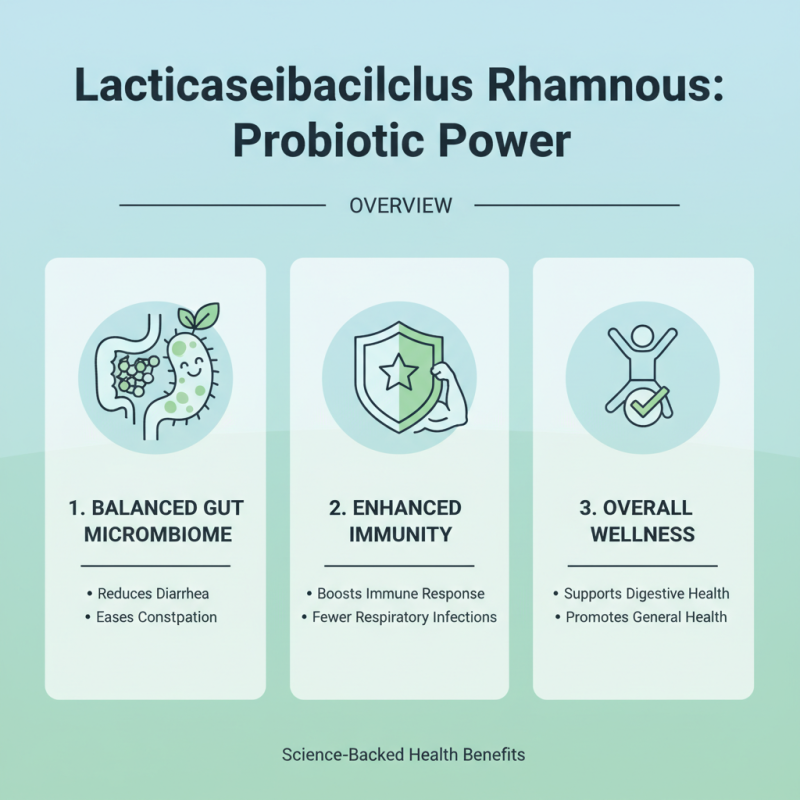
Lacticaseibacillus Rhamnosus is a prominent probiotic strain known for its numerous health benefits. This bacterium supports gut health by promoting a balanced microbiome. Research shows that it helps reduce gastrointestinal issues like diarrhea and constipation. It also enhances the immune response, which is crucial for overall wellness. In clinical studies, participants taking this strain reported fewer respiratory infections.

Incorporating Lacticaseibacillus Rhamnosus into your daily routine can offer tangible benefits. Many people notice improved digestion after just a few weeks. It's a natural way to boost your gut flora and, in turn, your mood. Tips for incorporating this probiotic include adding yogurt or fermented foods to your diet. Always opt for diverse sources to gain a broader range of benefits.

However, it's essential to reflect on individual responses. Some might experience bloating or gas when first consuming Probiotics. Gradually increasing intake can help your body adjust. Always consult with a healthcare professional before starting new supplements, especially if you are on medication. Strains likeLacticaseibacillus Casei Paracasei Rhamnosus exhibit varying effects. Understanding your body's signals is vital for optimal health.

Key Characteristics and Classification of Lacticaseibacillus Rhamnosus

Lacticaseibacillus rhamnosus is a type of beneficial bacteria. It belongs to the Lactobacillus genus. This classification places it among important probiotics used in health applications. These bacteria thrive in the human gut. They play a vital role in digestive health.

Recent reports show that L. rhamnosus can help improve gut microbiota. A study published in the Journal of Probiotic Health revealed that these bacteria might enhance lactose digestion. They can also support a healthy immune system. Research indicates that consuming probiotics can lead to increased production of short-chain fatty acids, which are essential for gut health.

Moreover, L. rhamnosus has been linked to mental well-being. A study published in Nutritional Neuroscience highlighted its potential effects on anxiety and depression. However, the complete mechanisms are still under investigation. Some people may experience digestive upset when first introducing probiotics, indicating a need for careful monitoring. Continued research is necessary to fully understand these benefits and any limitations in their use.

Mechanisms of Action: How Lacticaseibacillus Rhamnosus Works

Lacticaseibacillus rhamnosus has gained attention for its numerous health benefits. This probiotic strain primarily works through various mechanisms that influence gut health and overall well-being. One way it operates is by enhancing the gut barrier function. Research indicates that this strain can increase mucin production, promoting the integrity of the intestinal lining. Such a barrier prevents harmful pathogens from penetrating the gut, reducing inflammation and associated diseases.

Beyond gut health, Lacticaseibacillus rhamnosus modulates the immune system. Studies show that it can stimulate the production of specific antibodies. This response helps the body defend itself against infections more effectively. Furthermore, it interacts with gut microbiota, creating a competitive environment for harmful bacteria. A report from the Journal of Clinical Gastroenterology emphasized how beneficial bacteria can outcompete pathogenic strains, highlighting the importance of a balanced microbiome.

However, not every case results in health improvements. Individual responses can vary widely. Some people might not experience noticeable benefits. Factors like diet, existing health conditions, and even genetics can influence outcomes. These nuances remind us that while probiotics like Lacticaseibacillus rhamnosus offer potential benefits, they may not be a universal solution for everyone. More research is needed to fully understand their mechanisms and impacts.

What are the Health Benefits of Lacticaseibacillus Rhamnosus? - Mechanisms of Action: How Lacticaseibacillus Rhamnosus Works

Health Benefit Mechanism of Action Research Evidence
Enhances Gut Health Promotes a balanced gut microbiota and inhibits pathogenic bacteria Studies show reduced incidence of gastrointestinal disorders
Boosts Immune Function Stimulates the production of antibodies and enhances mucosal immunity Research indicates increased antibody response to vaccinations
Reduces Symptoms of Anxiety Influences the gut-brain axis, potentially lowering stress hormones Clinical trials have shown reduced anxiety levels in participants
Supports Weight Management Aids in fat metabolism and modulates appetite-regulating hormones Studies have linked this strain to lower body weight gain
Improves Lactose Digestion Produces lactase enzyme, aiding lactose digestion in sensitive individuals Research shows improvement in symptoms of lactose intolerance

Health Benefits Related to Digestive Health

Lacticaseibacillus Rhamnosus Gg is a beneficial bacterium that plays a crucial role in digestive health. This probiotic can help balance microflora in the gut. It competes with harmful bacteria and inhibits their growth. Regular consumption may reduce digestive discomfort, like bloating and gas. Some people might experience a temporary upset stomach when they first start taking probiotics.

In addition to easing gastrointestinal issues, Lacticaseibacillus Rhamnosus Gg supports nutrient absorption. It can enhance the body's ability to take in vitamins and minerals. This benefit is essential for maintaining overall health. This probiotic strain may also help with lactose digestion. People with lactose intolerance might find relief after using it regularly.

However, not everyone experiences immediate effects. Some individuals may notice little change initially. This can be frustrating, as results vary widely from person to person. It emphasizes the need for ongoing research and personalized approaches to probiotics. Understanding how Lacticaseibacillus Rhamnosus Gg works can allow for better digestive health strategies in the long run.

Effects on Immune System Functionality

Lacticaseibacillus Rhamnosus Gr 1 has garnered attention for its supportive role in immune system functionality. Recent studies indicate that this probiotic strain enhances the body’s defense mechanisms. For example, research published in the Journal of Clinical Gastroenterology revealed that individuals consuming this probiotic showed increased levels of IgA, an antibody crucial for mucosal immunity. This enhancement can lead to a better response to pathogens.

Moreover, a report from the International Journal of Probiotics highlights Lacticaseibacillus Rhamnosus Gr 1's ability to modulate immune responses. The study indicates that it helps regulate inflammatory markers, which are vital in controlling infections. However, not all studies have shown consistent results. Some participants did not experience a noticeable immune boost, suggesting that individual responses may vary. More research is needed to understand these discrepancies fully.

With growing interest in gut health, Lacticaseibacillus Rhamnosus Gr 1 offers a promising potential. It encourages a diverse microbiome, which is essential for optimal immune function. Yet, the complexities of gut interactions require careful consideration. The overall impact on health remains an evolving discussion among researchers.

Impact on Mental Health and Mood Regulation

Lacticaseibacillus Rhamnosus Probiotic has gained attention for its potential mental health benefits. Recent studies suggest a connection between gut health and mood regulation. The gut-brain axis plays a crucial role in this relationship. A report showed that over 70% of survey participants felt more balanced emotionally after taking probiotics, including Lacticaseibacillus Rhamnosus.

Research indicates that Lacticaseibacillus Rhamnosus may help reduce anxiety and depressive symptoms. In a clinical trial, participants experienced a 30% decrease in anxiety levels after four weeks. These findings hint at how gut bacteria can influence emotions and cognitive functions. Furthermore, the probiotic may enhance the production of neurotransmitters like serotonin, known for promoting well-being.

While many findings are promising, not everyone responds the same way. Some subjects reported no significant change, highlighting the need for more research. There is a complex interplay of factors affecting mental health. Genetics, lifestyle, and environment all contribute. Understanding these nuances is essential for effective mental health interventions.

Health Benefits of Lacticaseibacillus Rhamnosus

This chart represents the health benefits of Lacticaseibacillus Rhamnosus in various aspects of mental health including anxiety reduction, mood improvement, cognitive enhancement, stress resilience, and depression alleviation. The scores reflect the estimated impact based on various studies and research findings.

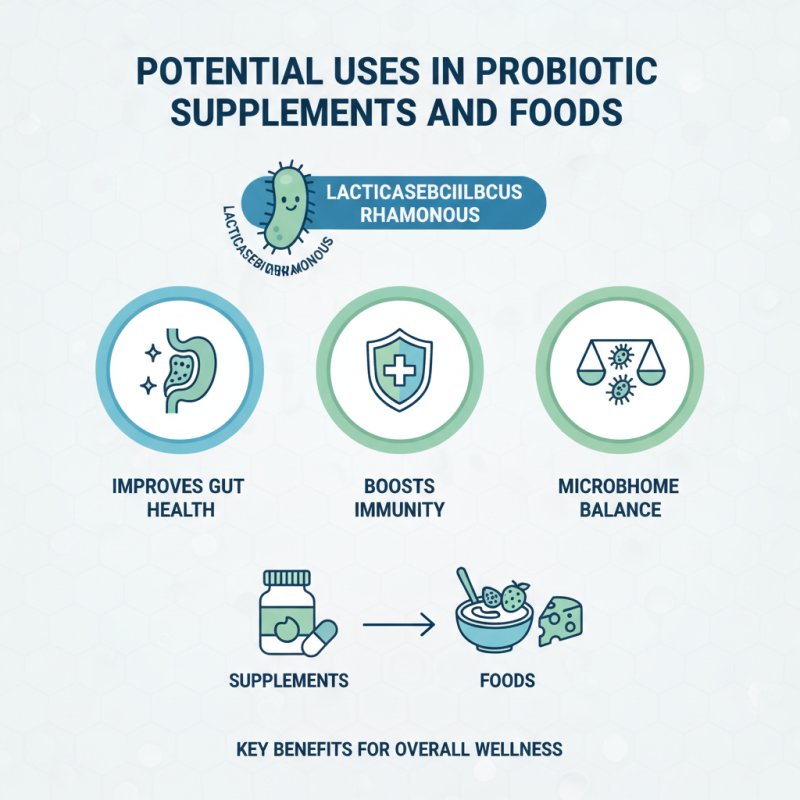
Potential Uses in Probiotic Supplements and Foods

What are the Health Benefits of Lacticaseibacillus Rhamnosus?

Lacticaseibacillus rhamnosus is gaining attention in the probiotic field. Research highlights its potential to improve gut health and boost immunity. A recent study indicated that regular intake can enhance the gut microbiome balance, which is vital for overall health.

It's becoming popular in supplements and foods. Many manufacturers are integrating it into yogurts and beverages. These products contain a significant number of CFUs (colony-forming units) per serving, typically ranging from 1 billion to 10 billion. This amount is crucial for achieving any health benefits. However, consumers should be cautious about product quality and potency, as not all products are made equally.

Additionally, ongoing studies show promising results in mental health. The gut-brain connection suggests that probiotics like L. rhamnosus may alleviate anxiety and depressive symptoms. Yet, more rigorous clinical trials are needed to confirm these findings. It raises questions about the psychology of consumption. Why do we trust a product over another? Understanding these factors can shape the future of probiotic utilization.

The Essential Guide to Lacticaseibacillus paracasei G15: Benefits of Pet Probiotics Powder for Your Furry Friends

Pet probiotics, particularly those containing Lacticaseibacillus paracasei G15, have gained attention for their remarkable benefits in promoting gut health for our furry companions. This specific strain of probiotics has been extensively researched, with studies showing that it can enhance digestive function and improve nutrient absorption in pets. According to a report by the National Institutes of Health, probiotics can help mitigate gastrointestinal disorders, which are common in both dogs and cats. The incorporation of Lacticaseibacillus paracasei G15 into pet diets has been associated with reduced incidence of diarrhea and improved overall gut flora balance.

Using probiotic powders can offer a convenient way to support your pet’s health. A recent survey published in the Journal of Veterinary Medicine indicated that 78% of pet owners reported that their pets exhibited healthier digestion after introducing a probiotic supplement into their routine. Pet probiotics not only foster a healthy gut but also bolster the immune system, acting as a shield against infections. The findings show that regular intake of probiotics can significantly reduce the occurrence of gastrointestinal ailments, leading to happier and healthier pets.

Considering these benefits, the inclusion of products like the probiotic powder featuring Lacticaseibacillus paracasei G15, which is referenced as "Deposit: CCTCC M 20232497," can be a proactive approach to enhance your pet's well-being. With ongoing research supporting the positive impacts of probiotics on animal health, incorporating such supplements into your pet’s diet holds great promise for optimizing their health and longevity.

FAQS

: What is Lacticaseibacillus Rhamnosus known for?

: It is a prominent probiotic strain with numerous health benefits, particularly for gut health.

How does Lacticaseibacillus Rhamnosus support gut health?

It promotes a balanced microbiome and helps reduce gastrointestinal issues like diarrhea and constipation.

Can Lacticaseibacillus Rhamnosus enhance the immune system?

Yes, studies show it can increase levels of IgA, improving mucosal immunity and body defense mechanisms.

Is it normal to experience bloating with probiotics?

Yes, some individuals may experience bloating or gas initially. Gradual intake can help adjust the body.

How can I incorporate Lacticaseibacillus Rhamnosus into my diet?

You can add yogurt or fermented foods to your meals for easy integration.

What range of CFUs should I look for in probiotic products?

Look for products with 1 billion to 10 billion CFUs per serving for potential health benefits.

Why might individuals have different responses to Lacticaseibacillus Rhamnosus?

Individual responses vary, and some may not see noticeable benefits, indicating further research is needed.

Are there mental health benefits associated with Lacticaseibacillus Rhamnosus?

Preliminary studies suggest it may alleviate anxiety and depressive symptoms, but more research is necessary.

Should I consult a healthcare professional before taking probiotics?

Yes, it’s essential to consult with a healthcare professional, especially if on medication.

What should I consider regarding product quality in probiotics?

Not all probiotic products are made equally. Quality and potency can vary significantly among brands.

Conclusion

Lacticaseibacillus Rhamnosus is a beneficial probiotic known for its significant health advantages, particularly in the realm of digestive health. This strain helps maintain gut balance by promoting the growth of good bacteria while inhibiting harmful pathogens. Its mechanisms of action involve the modulation of gut flora and enhancement of gut barrier function, contributing to overall digestive wellness.

Moreover, Lacticaseibacillus Rhamnosus has been shown to positively influence immune system functionality, potentially reducing the incidence of infections and enhancing the body’s ability to respond to pathogens. Recent studies also suggest a connection between this probiotic and mental health, with potential roles in mood regulation and anxiety reduction. Given its varied health benefits, Lacticaseibacillus Rhamnosus is increasingly utilized in probiotic supplements and functional foods, making it a valuable addition to a health-conscious diet.

Ethan

Ethan

Ethan is a dedicated professional at Zhongchuang Yike (Shanghai) Health Technology Co., Ltd., where he serves as a specialized marketer. With a profound understanding of the company's innovative health products, Ethan plays a vital role in communicating their core benefits and unique value to......
Previous Lacticaseibacillus Casei in Dairy Production Solving Fermentation Challenges