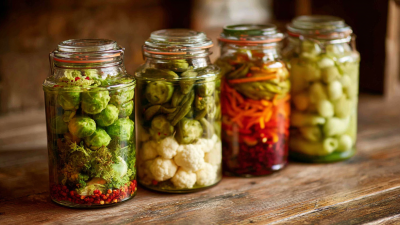
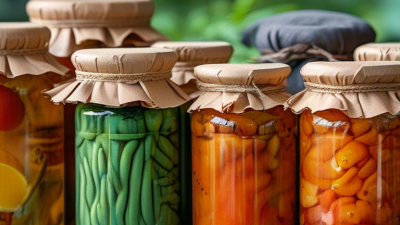
China’s vegetable fermentation scene isn’t just about traditional household pickles anymore. These days, commercial producers are looking for ways to make acidification more stable, flavors cleaner, and textures more consistent. And honestly, a good Vegetable Fermentation Starter can really make all that happen.
Sandor Ellix Katz, a well-known fermentation expert and author, sums it up pretty well: “Fermentation is the transformation of food by various bacteria, fungi, and other microorganisms.” The thing is, this isn't just about seasoning or a quick step—it's biological. Different veggies like cabbage, cucumbers, carrots, and radishes can all respond differently to the same culture. Factors like temperature, salt levels, oxygen, and sugar all influence how things turn out.
In this guide, we’re taking a closer look at Chinese suppliers that might support vegetable fermentation projects. Names like Angel Yeast Co., Ltd., Qingdao Vland Biotech Inc., and Shanghai Youtell Biochemical Co., Ltd. are pretty well-known players in China’s microbial and fermentation space. But, just because they have a good reputation doesn’t mean they’re automatically the best for vegetables—that’s something you need solid proof of.
What should you really be looking at? Well, documentation on strains, how fast they acidify, their salt tolerance, control over contaminants, consistency across batches, plus tech support and test results. A supplier shouldn’t just have glossy product brochures—they should provide certificates, storage tips, dosage instructions, and maybe some trial data. And if cold-chain storage is involved, that’s worth noting too.
Now, I gotta say—some of these reviews aren’t foolproof. Fermentation outcomes can vary quite a bit between labs and kitchens. A starter that works great on shredded cabbage might not do so well with sliced cucumbers. So, think of these supplier rankings as a starting point, not the final word. It’s super important to do your own trials, sensory checks, and safety tests before you start mass-producing or selling.
All in all, getting the right starter isn’t just about picking a big name. It takes a bit of investigation, testing, and maybe some trial and error to find what really works for your specific veggies and needs.
What Are Vegetable Fermentation Starters and Why Do They Matter?
What Are Vegetable Fermentation Starters and Why Do They Matter?
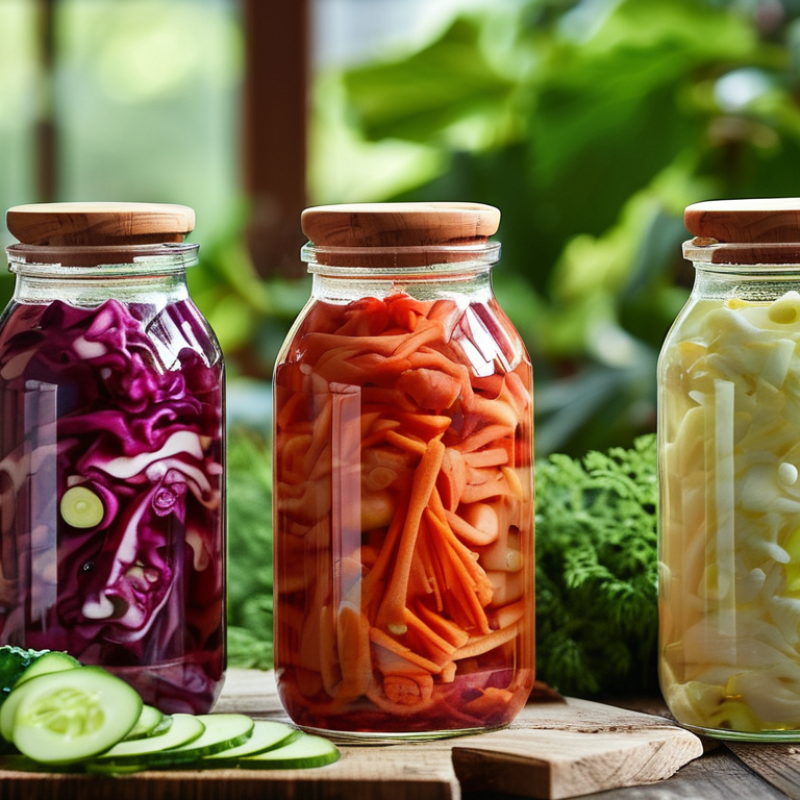
Vegetable Fermentation Starters are selected beneficial microorganisms used to begin controlled fermentation. They commonly include lactic acid bacteria that consume natural sugars in cabbage, carrots, cucumbers, or peppers. These bacteria produce lactic acid, which creates the familiar tangy flavor and helps limit the growth of unwanted microbes. Not every vegetable needs a starter. Many can ferment through their native microorganisms, especially when salt levels, temperature, and cleanliness are managed carefully.
A reliable starter can shorten the adjustment period and produce a more predictable flavor, texture, and acidity. In commercial production, suppliers should provide strain information, storage instructions, dosage guidance, and batch documentation. Technical support also matters. A low-quality culture may lose activity during transport or storage, even when the label looks convincing. From practical quality checks, a calibrated pH meter is more dependable than judging acidity by smell alone. Many fermented vegetables reach a pH below 4.6, but the exact result depends on the recipe and process.
The process still needs judgment. Starters cannot repair spoiled vegetables, poor sanitation, or incorrect salt concentration. I have seen production plans focus heavily on microbial strains while overlooking temperature records. That is an imperfect approach. Clean equipment, fresh produce, controlled brine, and timely refrigeration remain essential. A good supplier supports these controls rather than promising that one culture solves every fermentation problem.
Which Types of Vegetable Fermentation Starters Are Available?
Vegetable fermentation starters generally fall into three groups: defined lactic acid bacteria, mixed bacterial cultures, and protective cultures. Defined cultures use selected strains, often Lactiplantibacillus plantarum or Levilactobacillus brevis. They offer more predictable acidification and flavor. Mixed cultures contain several compatible strains. They can create deeper aromas, but results may vary between batches. Protective cultures focus on faster pH reduction and spoilage control. Some suppliers also provide yeast adjuncts for aroma, although vegetables usually depend on lactic acid bacteria.
Starter formats differ too. Freeze-dried powders are stable, lightweight, and easy to dose. Liquid cultures can disperse quickly through cabbage, cucumber, or carrot brine. A 2024 Grand View Research estimate valued the global fermented food and beverages market at about US$575 billion in 2023. It also projected roughly 7% annual growth through 2030. This growth increases supplier choice, but not necessarily product quality. A keyword such as Caldwell Vegetable Starter Culture should still be checked for strain identity, viable cell count, storage conditions, and batch documentation.
For cabbage, I prefer cultures with reliable acidification under cool conditions. Carrots may need stronger salt tolerance. Codex food-hygiene guidance supports controlled processing, sanitation, and traceability. In practice, supplier certificates matter more than attractive descriptions. I would not judge a starter by speed alone. Faster fermentation can produce sharper flavor or texture loss. Results can shift with salt, temperature, vegetable sugar, and oxygen exposure. That uncertainty deserves small pilot trials before commercial use.
How to Evaluate China-Based Fermentation Starter Suppliers
China Top Vegetable Fermentation Starter Suppliers?
How to Evaluate China-Based Fermentation Starter Suppliers
A reliable evaluation begins with technical evidence, not attractive product photos. Ask for the starter’s strain identity, viable cell count, moisture level, storage temperature, and recommended dosage. Request recent certificates of analysis for each production batch. Supplier experience with cabbage, cucumber, radish, or chili fermentation also matters, because each vegetable releases different amounts of water and sugar.
Inspect the supplier’s quality system carefully. Check food safety certifications, allergen controls, sanitation records, and traceability procedures. A batch code should lead back to raw materials, production dates, and test results. Confirm whether microbial, heavy metal, and pesticide testing uses qualified laboratories. Certificates alone are insufficient. Ask questions about their testing frequency and corrective actions. Small details often reveal operational maturity.
Request a representative sample before discussing large orders. Run a controlled trial using your actual vegetables, salt concentration, temperature, and packaging. Measure pH, aroma, texture, and fermentation time at fixed intervals. Test before scaling. Communication speed is useful, but technical accuracy matters more. One evaluation mistake is trusting a smooth sales presentation too quickly. I have also seen promising samples perform differently after transport or storage. That risk deserves written specifications, clear shelf-life data, and agreed replacement procedures. A dependable supplier should explain limitations openly, not promise identical results under every condition.
What Quality Standards Should Suppliers Meet?
Choosing a Fermented Vegetable Starter Culture supplier requires more than comparing prices or advertised cell counts. Reliable suppliers should identify the microbial strains, production method, and intended vegetable applications. Each batch should include a clear certificate of analysis with viable counts, moisture levels, and expiry information.
Food safety controls must be visible. Suppliers should follow recognized systems such as HACCP or ISO 22000, with documented controls for pathogens, contaminants, and cross-contact risks. Their facilities should maintain hygienic zoning, validated cleaning procedures, and controlled storage temperatures. Ask for evidence, not attractive promises. A traceable batch code should connect the culture to raw materials, testing records, packaging, and shipment conditions.
Performance matters in real production. A suitable supplier should provide technical guidance on dosage, salt levels, temperature, and fermentation time. Small pilot trials can reveal whether the culture creates the expected acidity, aroma, texture, and shelf stability. Results may differ between cabbage, cucumber, radish, and mixed vegetables. That is easy to underestimate.
Certificates do not replace independent judgment. Experienced buyers should review recent test reports and audit critical suppliers when possible. Some specifications may look precise but remain poorly explained. Suppliers should also disclose transport limits and storage risks, because damaged cultures can produce disappointing results before anyone notices. Clear records, honest communication, and repeatable testing are stronger quality signals than polished marketing.
Which Production and Packaging Features Affect Starter Performance?
China’s Vegetable Starter Culture suppliers differ sharply in production control. A reliable supplier should identify strains, not only list “lactic bacteria.” Strain-level records support predictable acidification, salt tolerance, and flavor development. The process should include controlled fermentation, hygienic filling, and validated freeze-drying. Moisture and heat are serious threats.
Small details matter.
The World Health Organization estimates that contaminated food causes 600 million illnesses and 420,000 deaths annually. This highlights why HACCP records, environmental monitoring, and traceable batch testing matter. Suppliers should report viable counts at release and near the stated shelf life, not only after production. A practical specification may include pH targets, water activity, contamination screening, and storage temperatures. I would also question impressive colony counts without independent verification.
Packaging can decide whether a strong culture reaches the vegetable tank alive. Foil-laminate sachets usually provide better oxygen and moisture protection than ordinary plastic pouches. Nitrogen flushing may reduce oxidation, but it cannot repair poor drying. Packaging tests should measure seal strength, oxygen transmission, moisture transmission, and stability under transport heat. Codex food hygiene principles support preventive controls across processing and packaging. WHO data also reinforces the need for documented sanitation. One weakness remains common: suppliers may test sealed packs only at room temperature. Real shipments face humidity, vibration, and temperature spikes. A better supplier tests retained samples under realistic conditions and records the results clearly.
How to Compare Prices, Certifications, and Export Services
When comparing top vegetable fermentation starter suppliers, price is only one part of the decision. Request a written quotation for Caldwell Fermentation Starter, including dosage, packaging, transport, and minimum order quantity. A low unit price may hide high freight charges or short shelf life. Ask for a recent Certificate of Analysis, batch number, production date, and storage instructions. Compare equal specifications, not attractive figures alone.
Certifications should match your market and product use. Check food safety systems, allergen statements, microbial specifications, and traceability records. Request copies directly from the supplier, then verify issuing bodies when possible. Export service also matters. Confirm customs documents, commercial invoices, packing lists, certificates of origin, and agreed Incoterms. Ask how the supplier protects starter cultures during transport. A clean warehouse is useful evidence, though it does not replace an audit. My first comparison missed pallet fees; that mistake changed the real price.
Tips: Test a small batch before signing a large contract. Measure fermentation speed, aroma, acidity, and consistency. Ask for technical support in writing. Confirm response times and complaint procedures. Suppliers that explain limitations often appear more reliable than those promising perfect results. Check destination requirements with an independent food compliance professional, because rules can differ by country.
How to Select the Right Chinese Supplier for Your Needs
China Top Vegetable Fermentation Starter Suppliers: How to Select the Right Chinese Supplier for Your Needs
Selecting a Chinese vegetable fermentation starter supplier requires more than comparing prices. Ask for strain identification, viable-cell counts, allergen controls, and batch-specific test results. The supplier should explain storage conditions clearly, such as refrigeration limits and moisture protection. A clean technical data sheet matters. So does a reachable quality manager.
The 2024 UNEP Food Waste Index Report estimated 1.05 billion tonnes of food were wasted in 2022. Consistent fermentation can reduce failed batches and unnecessary raw-material loss. However, starter performance depends on salt concentration, temperature, vegetable variety, and factory hygiene.
Request a small pilot batch using your actual cabbage, cucumber, or carrot process. Test acidity, taste, texture, and microbial safety after several storage stages.
Look for ISO 22000 or equivalent food-safety systems, traceable production records, and independent laboratory testing. Confirm whether certificates cover the exact production site. This detail is often missed.
The FAO’s 2023 report on food safety stresses preventive controls and reliable monitoring across food chains. Do not accept only a polished certificate file. Check manufacturing dates, packaging integrity, export documents, and complaint-handling procedures.
A low quote may look efficient. It may not be, especially when inconsistent cultures create rejected cartons. Supplier selection should include a written specification, trial results, and a realistic review of communication speed. Perfect fermentation claims deserve careful questioning.
FAQS
They are selected beneficial microorganisms, often lactic acid bacteria, used to begin controlled fermentation. They consume natural sugars in vegetables. The process produces lactic acid, creating a tangy flavor.
No. Cabbage, carrots, cucumbers, and peppers may ferment through their native microorganisms. Salt, temperature, cleanliness, and fresh produce still need careful control.
A reliable starter can shorten the adjustment period and support more consistent flavor, texture, and acidity. Results still vary between vegetables and recipes.
Request strain identity, viable cell count, moisture level, storage temperature, dosage, shelf life, and batch documentation. Recent certificates of analysis are also useful. Labels alone are not enough.
Ask about sanitation, allergen controls, traceability, laboratory testing, and corrective actions. A batch code should connect materials, production dates, and test results. Technical answers matter more than attractive photos.
Yes. Use the actual vegetables, salt concentration, temperature, and packaging. Measure pH, aroma, texture, and fermentation time at fixed intervals. Test before scaling. Samples can perform differently after transport.
Controlled fermentation, hygienic filling, and validated freeze-drying help preserve activity. Heat and moisture can damage the culture. Viable counts should be checked near the stated shelf life, not only after production.
Foil-laminate sachets usually protect against oxygen and moisture better than ordinary plastic pouches. Nitrogen flushing may reduce oxidation, but it cannot fix poor drying.
Check seal strength, oxygen transmission, moisture transmission, and heat stability. Retained samples should face realistic humidity, vibration, and temperature changes. Room-temperature testing alone may be insufficient.
No. It cannot repair spoiled vegetables, dirty equipment, incorrect salt levels, or missing temperature records. Clean tools, controlled brine, and timely refrigeration remain essential. This point is easy to underestimate.
Conclusion
Vegetable Fermentation Starter products contain selected microorganisms or cultures that help initiate and control the fermentation of vegetables. They can improve consistency, flavor development, acidity, texture, and production efficiency compared with relying only on naturally occurring microbes. Common options include single-strain cultures, mixed cultures, freeze-dried powders, and application-specific formulations. Choosing the right type depends on the vegetable, desired taste, fermentation temperature, processing method, and production scale.
When evaluating China-based suppliers, buyers should examine strain information, quality-control procedures, batch consistency, shelf life, storage requirements, and technical support. Reliable suppliers should be able to provide clear specifications, testing records, traceability, and certifications relevant to food production and international trade. Production conditions, moisture protection, temperature-controlled storage, and secure packaging can strongly affect starter performance. Price comparisons should include minimum order quantities, shipping, documentation, and after-sales service rather than focusing only on unit cost. The best supplier is one that combines dependable quality, suitable customization, transparent communication, and export capability with the buyer’s specific fermentation goals.